
Spiti in January is less about exploration, less about checking off viewpoints, and more about spending time with yourself.
It’s about waking up to snow silence so complete you can hear your own breath. It’s about sitting by a window with hot tea while the world outside looks like a frozen painting. It’s about turning a harsh landscape into the most intimate trip you’ll ever take—if you plan it right.
I think January in Spiti is a great time to visit there as it strips away the tourist noise. You get the valley in its rawest, quietest form.
But this trip demands respect and a lot of planning. The cold is real, the roads are unpredictable, and comfort becomes a strategy, not a luxury.
We’ve planned winter Spiti trips for dozens of couples over the last three seasons. Some came back calling it their best trip ever. Others struggled because they underestimated the cold or didn’t build in enough buffers.
This guide exists so you end up in the first group.
Should Couples Go to Spiti in January?
Yes—if you want quiet, snow-wrapped intimacy and you’re okay trading adventure for slowness.
Spiti in January rewards couples who:
- Want isolation over Instagram crowds
- Value cozy stays and slow mornings
- Can handle extreme cold (daytime: -5°C to +5°C, nights: -15°C to -25°C)
- Build flexible plans with buffer days
Route: Winter access is almost always via the Shimla–Kinnaur side. The Manali route stays closed from mid-November through late April. Don’t plan around it.
Not ideal if: You have tight schedules, zero cold tolerance, health concerns like asthma, or need constant connectivity.
👉 Share your dates & starting city → we’ll build a safe, romantic winter plan tailored for couples.
Is Spiti Safe for Couples in January?
Spiti in January is safe if you plan extremely well, if you think of all the possible difficulties and plan for them in advance.
What “safe” actually means here:
- Travelling only during daylight hours (10 AM to 4 PM max)
- Staying in villages with confirmed heated rooms
- Hiring an experienced winter driver (not a regular cab driver)
- Building 1–2 buffer days for weather delays
- Checking road conditions the day before you move
Don’t go to Spiti in January if:
- You’re on a tight timeline (flight the next day, no flexibility)
- You have respiratory issues or serious altitude sensitivity
- You expect the same accessibility as summer Spiti
- You’re not okay with basic facilities (power cuts, limited cafés)
How to check road status:
Call your driver or travel planner the evening before each leg. Local drivers have WhatsApp groups where they share live updates. Official tourism sites often lag by 24–48 hours.
We always tell couples: “If the road feels uncertain, delay by a day.” That extra day in Nako or Tabo can turn into your favourite memory.
What January Feels Like in Spiti
The cold is dry, sharp, and cuts through layers.
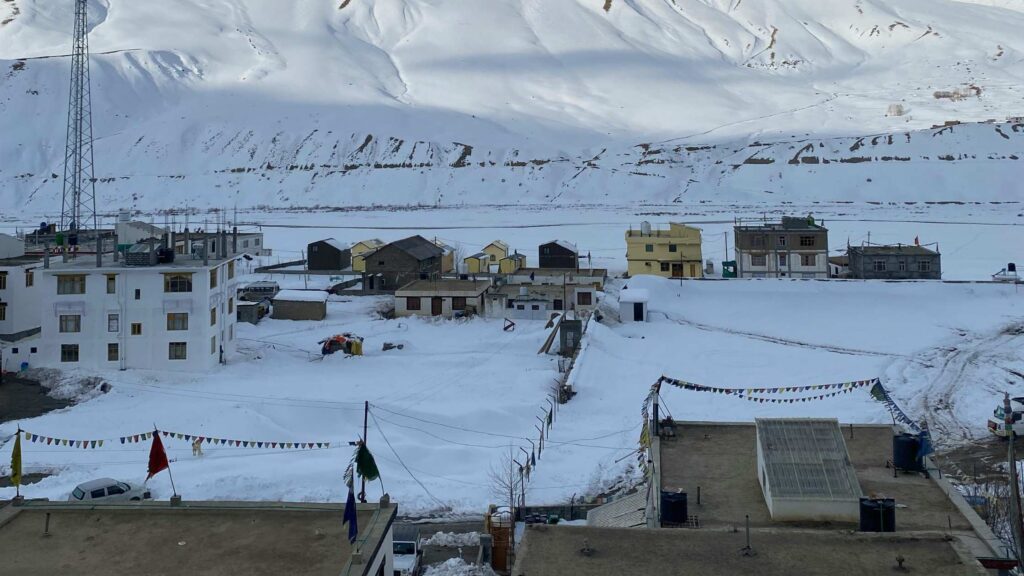
Daytime in Kaza hovers around -2°C to +3°C when the sun’s out. But in shade, it drops 5–7 degrees instantly. Nights hit -15°C to -25°C in Kaza, and it can get colder in higher villages like Kibber or Komik.
Your lips will crack if you don’t carry balm. Your phone battery will drain faster. Your skin will feel burned and tight by Day 2 if you skip moisturiser.
Daylight is short. The sun rises around 7:30 AM and sets by 5:30 PM. That gives you barely 6–7 hours of usable travel time. Most couples don’t realise this until their itinerary fits three villages into one afternoon and they are trying to stay the course.
Power cuts happen. Especially after snowfall. Most guesthouses have backup heating (bukhari or electric heaters), but don’t expect 24/7 electricity. Charge everything during the day.
Network reality: BSNL works in Kaza and Tabo. Jio/Airtel are unreliable. If you’re used to constant Wi-Fi, adjust expectations now. Some couples find this liberating with no work emails, no doomscrolling….. just each other.
15 Romantic Things to Do in Spiti in January
1) Do a “Slow Sunrise” in a Snow-Quiet Village
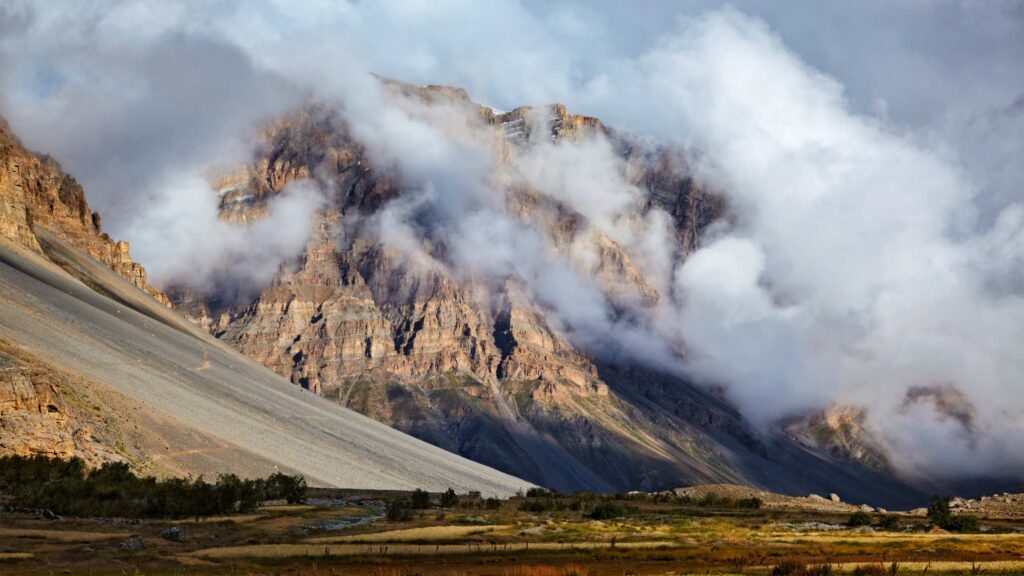
Pick a room with valley-facing windows. Wake up before the village does. The first light hits the snow peaks while everything else stays blue-grey and silent.
Make tea. Sit by the window. Enjoy the cold breeze on your face and the quiet of the mountains.
Couple photo tip: Golden hour in January lasts barely 20 minutes. The light on fresh snow gives you textures no summer trip can match.
Best villages for this: Tabo, Mud Village near Kaza, and Demul (if accessible).
2) Book a Cozy Heated Room and Make the Stay an Experience
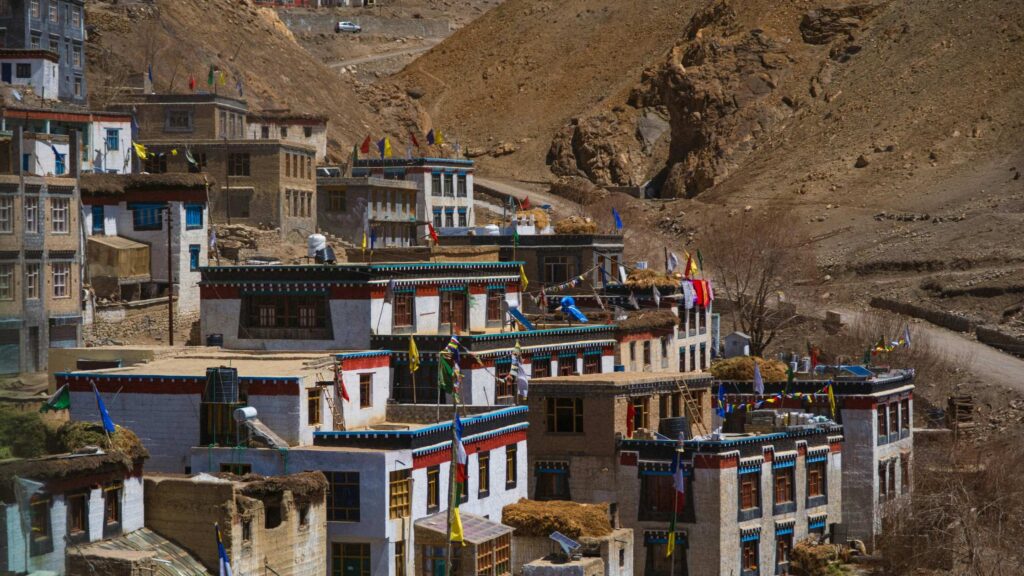
In January, your accommodation isn’t just where you sleep, it’s where you spend almost half your day.
What to confirm before booking:
- Bukhari (wood stove) or electric heater availability
- Hot water timings (many places heat water twice a day: 7–9 AM, 6–8 PM)
- Room insulation (ask if windows are double-glazed or if curtains are thick)
- Backup power source
Some of our couples have spent entire afternoons reading, journaling, or just watching snow pile up outside their window. And I guess that’s the whole point….travel together, spend some time together, talk to each other, tease each other, and have fun together.
Good stays: Zostel Homes Kaza, Sakya Abode, Spiti Organic Kitchen (all confirm heating before winter bookings).
3) Stargazing Night
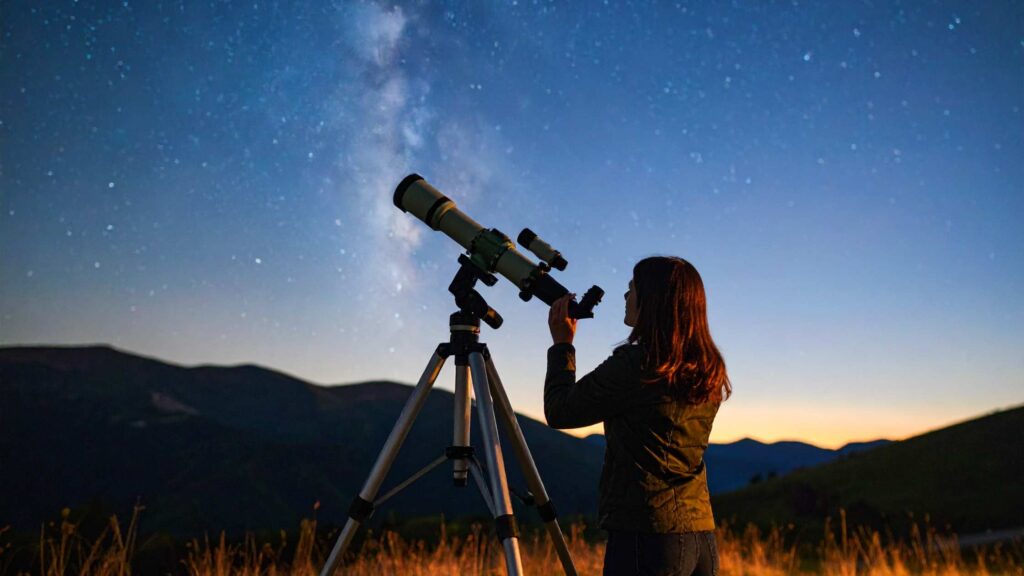
Winter skies in Spiti are absurdly clear even though it’s extremely cold. No summer haze, no clouds, just stars stacked so thick it looks fake.
Simple plan:
- Finish dinner by 7:30 PM
- Layer up (two thermals + fleece + jacket + wool cap + gloves)
- Step outside for 15–20 minutes max
- Come back before you lose feeling in your fingers
Don’t try to “camp under stars” or stay out long. The cold bites fast. Even 15 minutes feels profound when the Milky Way is visible edge to edge.
Couple moments: Most people never see this many stars together. It’s one of those rare moments where you realise “we’re so small” in the vast mechanisms of this universe. And that somehow feels romantic because even though you are small…you matter, you matter to this another human being whose life matters the most to you.
4) Key Monastery Visit
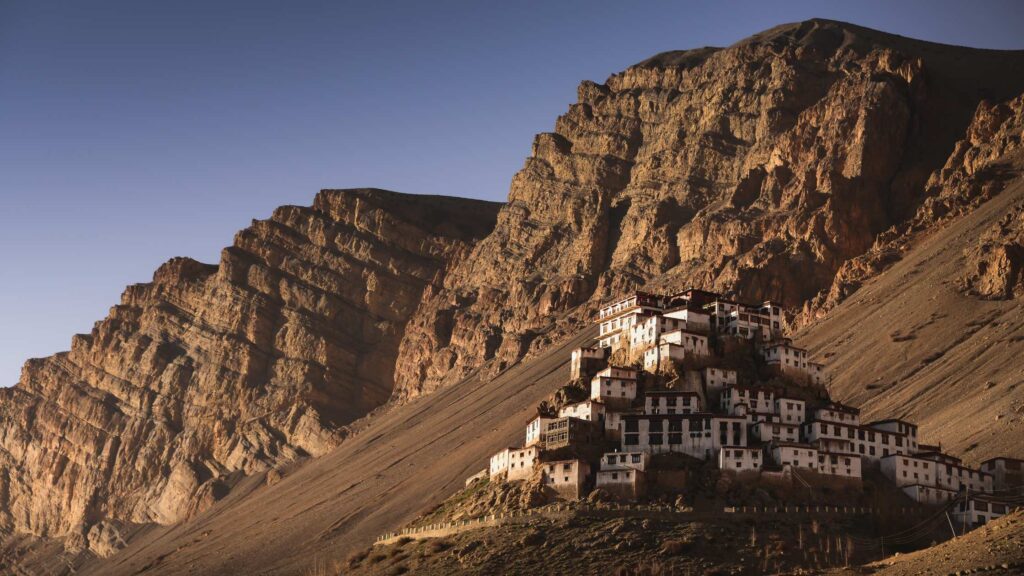
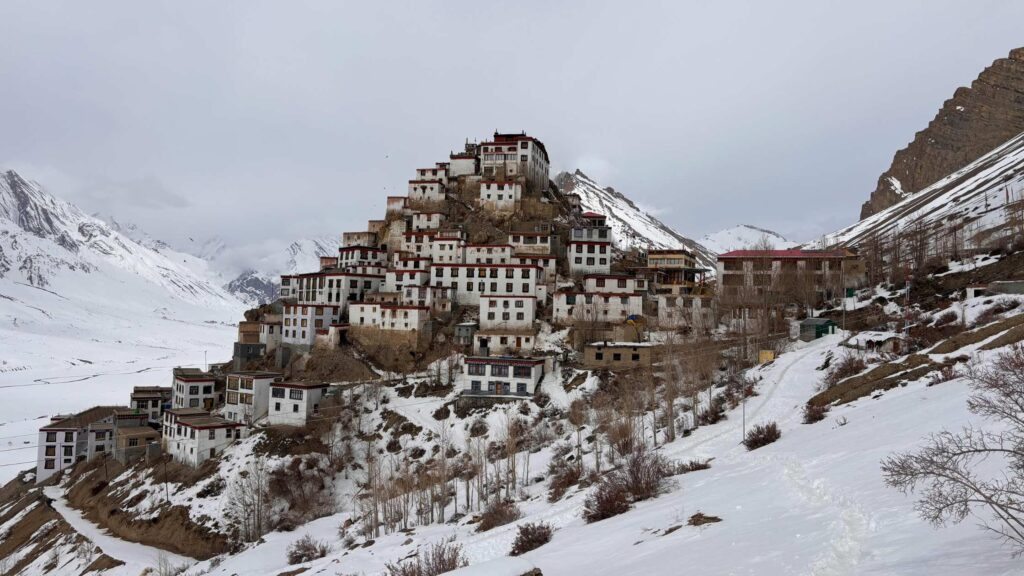
Key Monastery sits on a hill like a layered sandcastle. In January, it’s almost always empty. No crowds. Just monks, silence, and the sound of prayer flags snapping in cold wind.
Best time: Late morning (10:30 AM–12 PM) when sunlight warms the courtyard slightly.
Respect checklist:
- Remove shoes at entrances
- Don’t talk loudly inside prayer halls
- Avoid touching ancient murals or manuscripts
- Dress modestly
The monastery itself isn’t heated. You’ll walk through cold stone corridors. But the quiet feels sacred, not uncomfortable.
Road note: The Key is 12 km from Kaza. If it snowed the previous night, confirm road clearance with your driver before heading out.
5) Café Date in Kaza
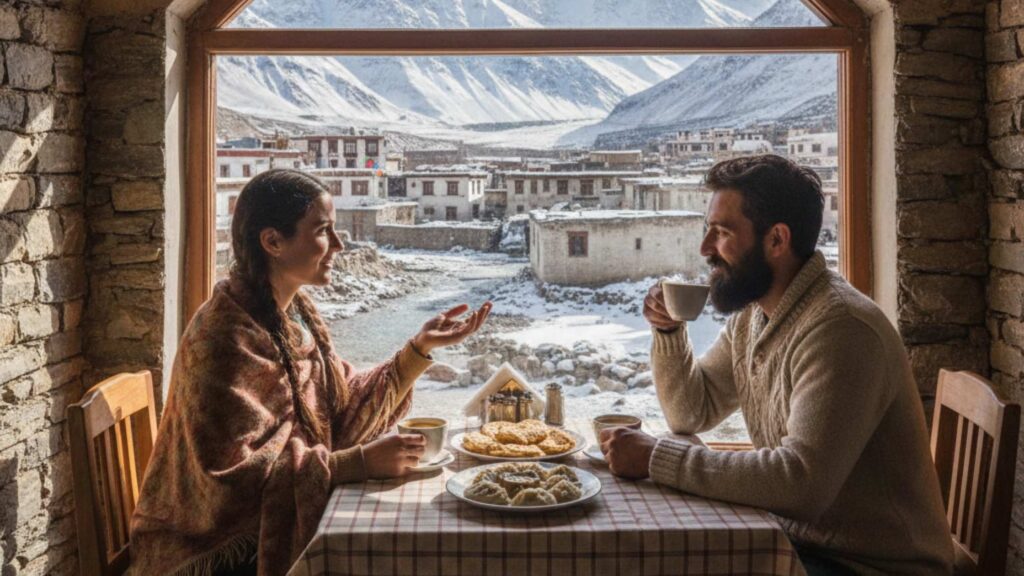
Kaza has a handful of cafés that stay open in winter: Sol Café, Café Zomsa, and The Himalayan Café.
These aren’t fancy spots. They’re small, warm rooms with wood stoves, instant coffee, and sometimes fresh momos.
Why this matters: After two days of cold villages and snow silence, having a slow brunch together in a warm café feels luxurious. Bring a journal. Play cards. Talk about nothing.
Some couples turn this into a “workation day”—one catches up on emails (if the network cooperates), the other sketches or reads.
6) Local Village Walk
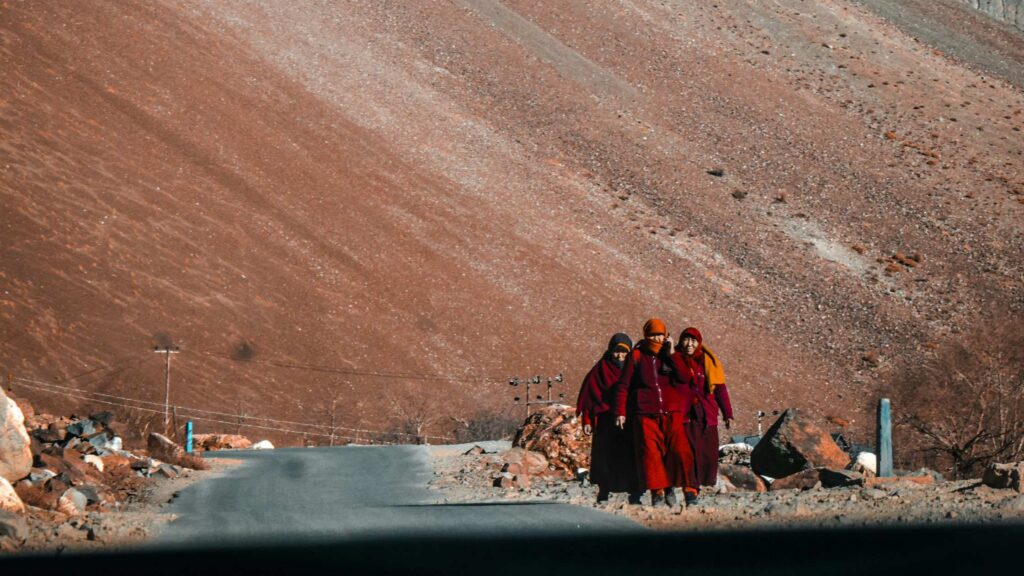
Don’t attempt long hikes in January. But short walks around Kaza or nearby hamlets like Rangrik are safe and beautiful.
Safe walking rules:
- Stick to main village paths (don’t wander into unknown snow-covered trails)
- Walk only between 11 AM–3 PM when the sun’s out
- Tell your host where you’re going
- Watch for ice patches near water streams
Walk slowly. Notice frozen puddles that crack under your boots. Stop at small chortens. Wave at locals who’ll probably offer you tea.
Couple photo op: Stone houses with snow roofs. Prayer flags against a blue sky. Your breath is visible in the cold air.
7) Hikkim Postcard Moment
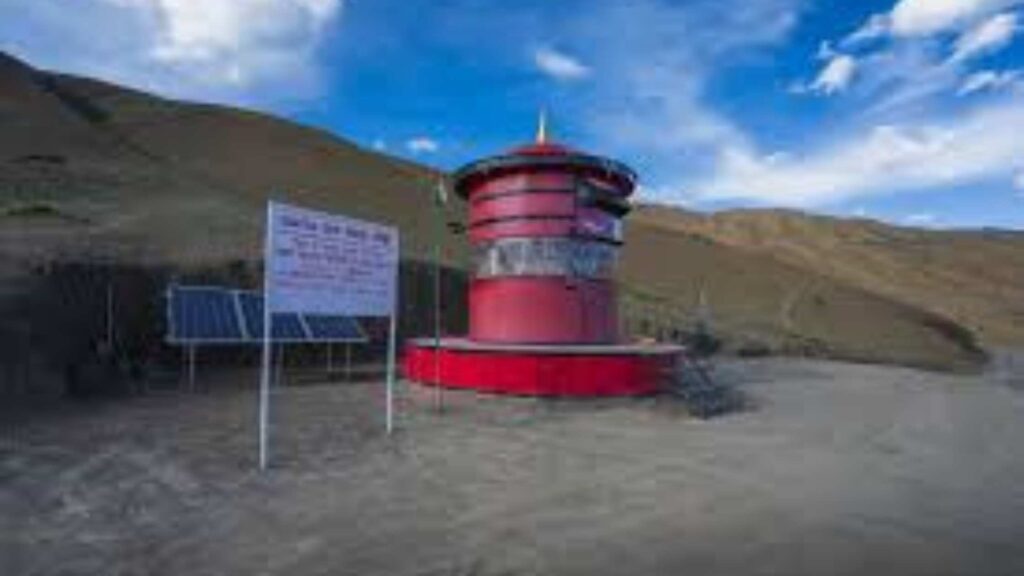
Hikkim has the world’s highest post office. The romantic angle? Write a postcard to your future selves or your loved ones. Seal it. Mail it from 4,400 metres.
Reality check: Hikkim is 30 km from Kaza via the Langza–Komik route. This road gets tricky in January. If it snowed recently, it might not be cleared for days.
Keep this flexible. If your driver says, “Today is not a good day,” you need to listen to him and skip it. Don’t force it.
You can send a postcard from Kaza as well.
8) Langza Fossils & Snow Landscape Shots
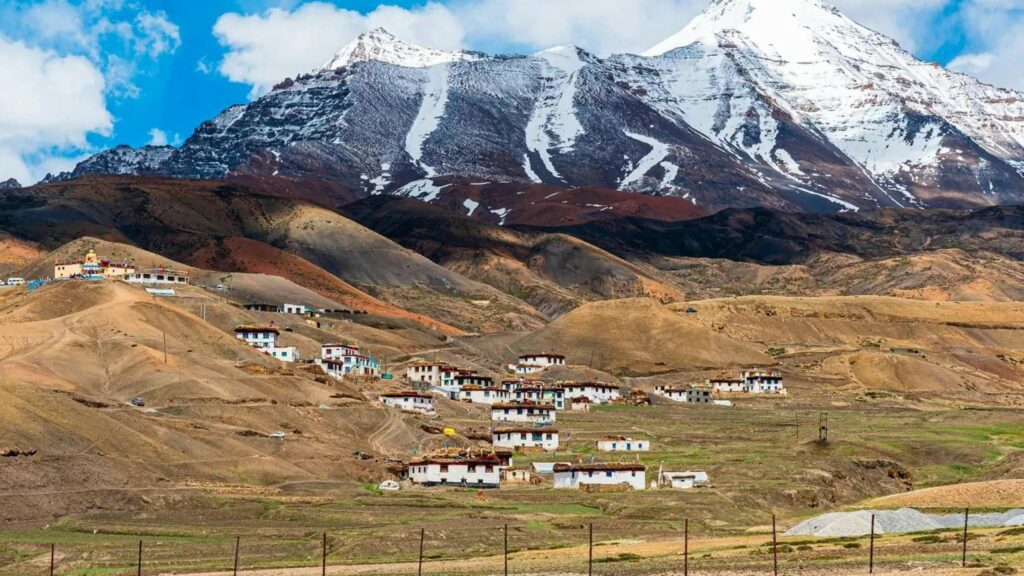
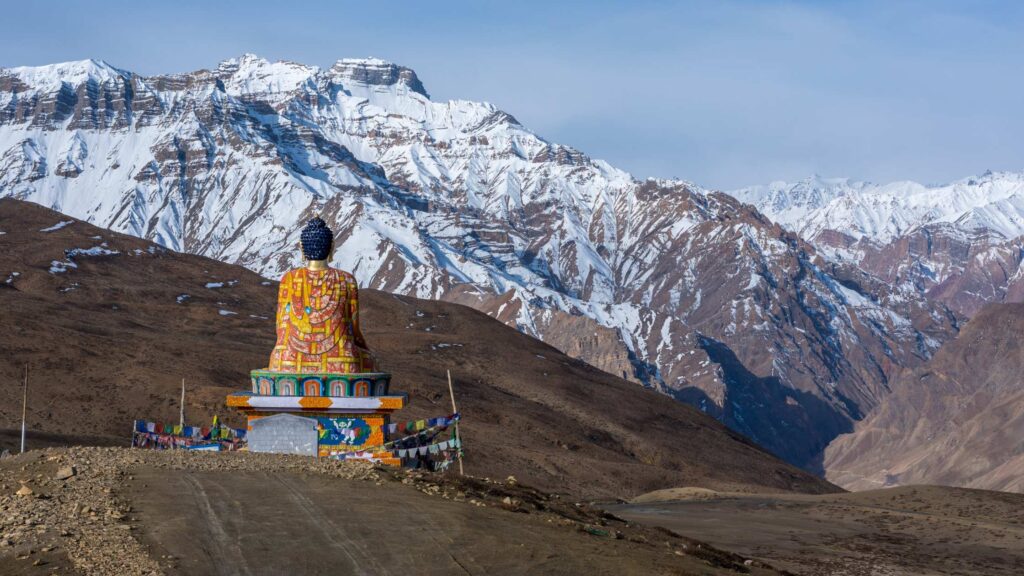
Langza is famous for fossils and the giant Buddha statue overlooking the valley. In January, it’s more about the landscape as all you can see all around you is snow.
What works:
- Wide-angle shots of the valley
- Buddha statue with snow mountains behind it
- 10-minute quiet moment on the ridge
What doesn’t:
- Expecting to find fossils
- Long walks (too cold, too slippery)
Leave no trace: Don’t leave food wrappers. Don’t disturb frozen ponds. Winter wildlife is fragile.
9) Komik “Highest Village” Feel
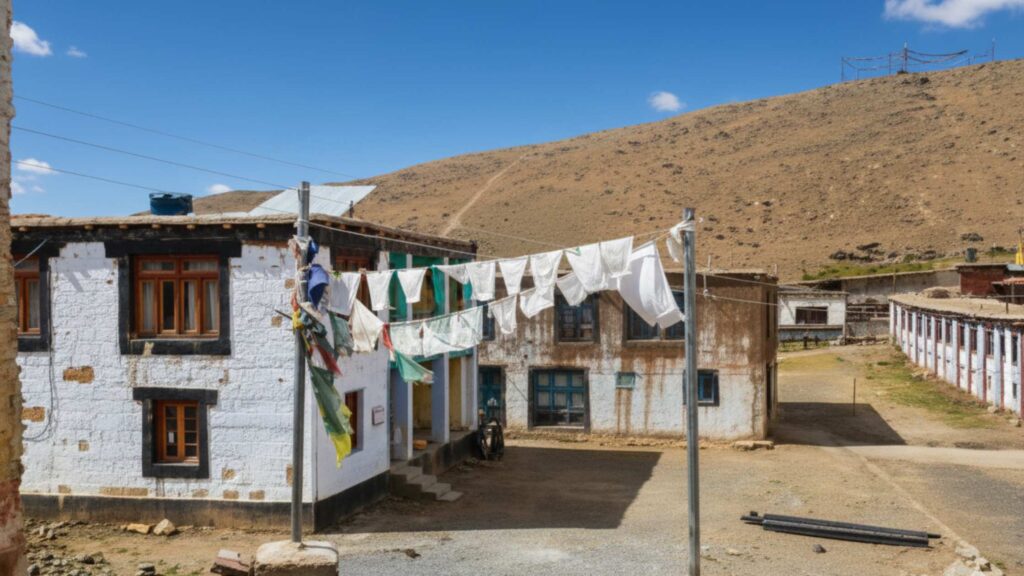
Komik sits at 4,587 metres and is one of the highest motorable villages in Asia. The drive up is pretty dramatic with hairpin bends, sheer drops, and snow walls on both sides.
January reality: This road is often closed or extremely risky. So go only if:
- Your driver is confident
- The weather’s been stable for 2–3 days
- You’re okay turning back halfway if conditions worsen
If you make it, spend 30 minutes max. The altitude hits harder in winter. Have hot tea at the monastery guesthouse. Take photos. Descend.
Couple moment: Standing at 4,500+ metres in January, holding hands, hugging each other, feeling the altitude buzz—it’s intense and it’s unforgettable.
10) Chicham Bridge Viewpoint Moment
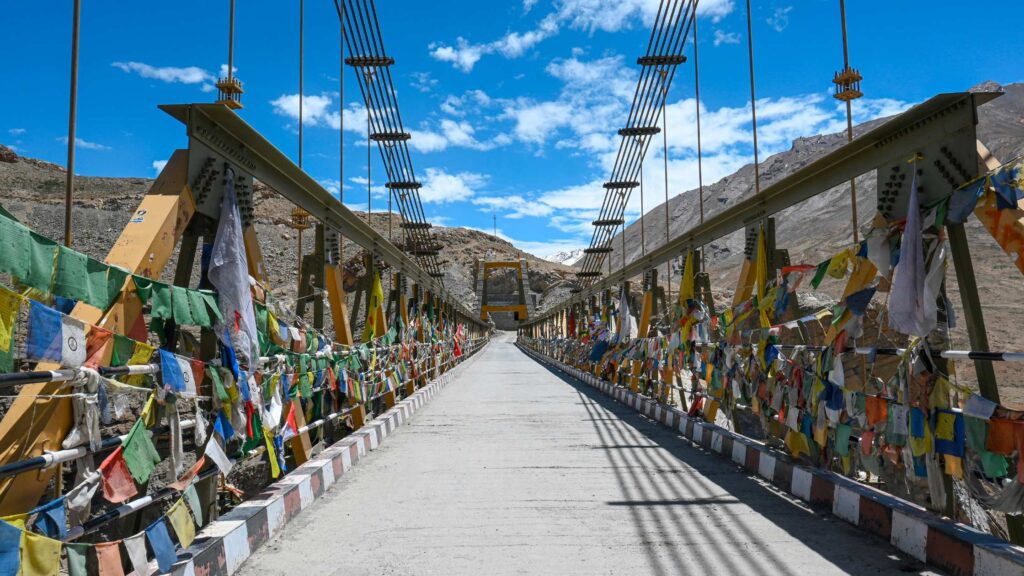
Chicham Bridge connects Kibber to Chicham village. This bridge is a narrow suspension bridge over a deep gorge.
This bridge is the postcard spot for most travelers. The viewpoint from the Kibber side is stunning. Snow. Gorge. Bridge. Mountains. You can see why people keep coming back to Spiti.
Safety note: Wind speed picks up around 3 PM. Plan for midday visits. Stay behind barriers.
This is a 10-minute stop, not a long activity. Big wow factor, quick execution.
11) Dhankar Monastery & Cliff-Side Calm
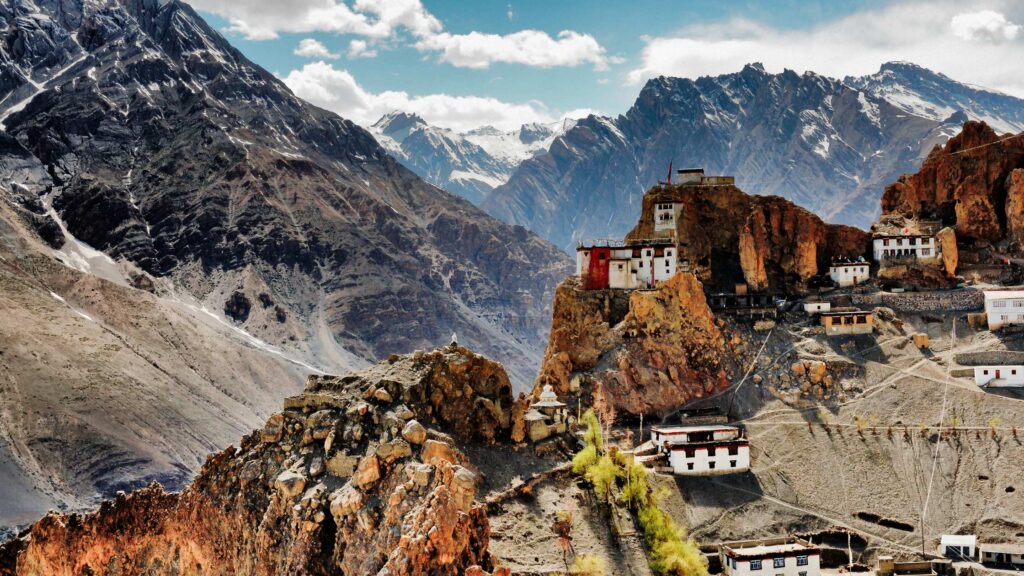
Dhankar Monastery clings to a cliff like it grew there. The approach road is narrow and icy in January.
Why go: The monastery itself is stunning. The view from the top—Spiti River meeting Pin River—is breathtaking.
Access in January depends entirely on road conditions. If snow’s cleared and your driver’s experienced, it’s worth it. If not, skip without regret.
Inside the monastery, it’s freezing. Walk slowly. Breathe. Absorb the silence. Pray.
12) Winter Local Food Date
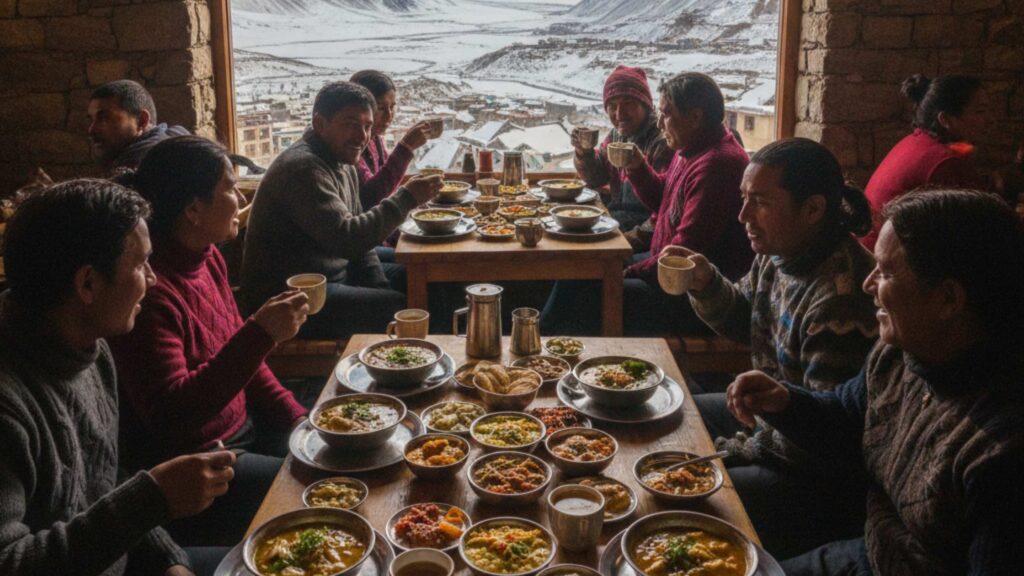
Forget fancy menus. January in Spiti is about thukpa (noodle soup), momos (steamed dumplings), and tsampa (roasted barley flour porridge).
You can ask your guesthouse host, “What’s fresh today?” Locals know what’s best.
Some of the best meals we’ve had were in home kitchens—simple dal, rice, pickles, hot butter tea. Sitting near a bukhari. Talking to hosts about winter life.
Couple ritual: Share one big bowl of thukpa. It’s weirdly intimate when you’re both cold and the soup’s steaming.
13) Snowfall Day Ritual
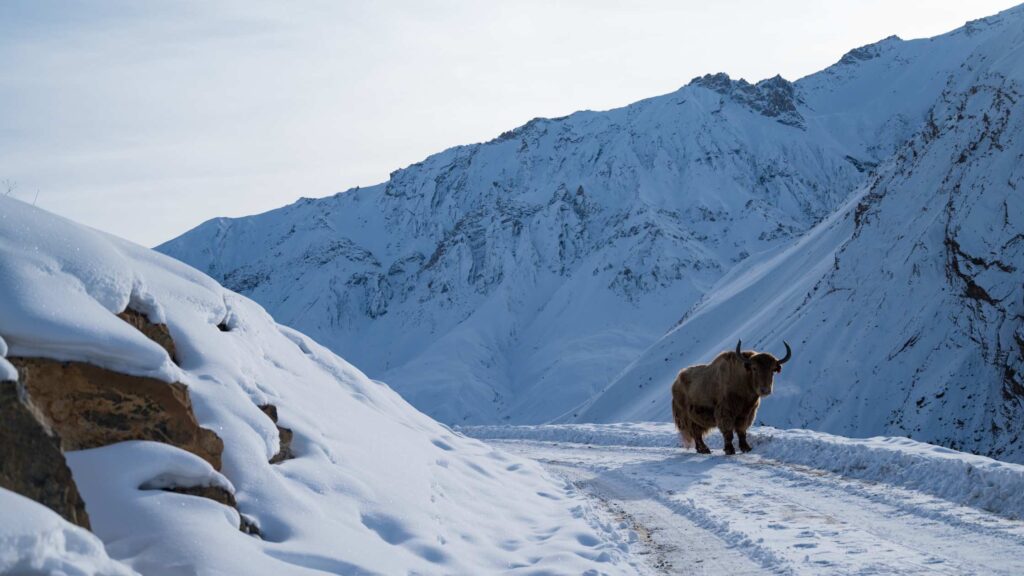
If it snows while you’re there—and there’s a good chance it will—cancel all plans. Seriously.
Snowfall day ritual:
- Sleep in
- Make slow coffee
- Sit by the window and watch
- Go outside and let snowflakes land on your face
- Come back inside and warm up
- Repeat
Safety rule: Don’t walk near rivers, streams, or frozen ponds during fresh snowfall. Ice edges are unstable. Stick to village centres.
Some couples later tell us their snowfall day was the highlight—because they did absolutely nothing, yet had the most fun.
14) Couple Journaling / Vision Planning Session
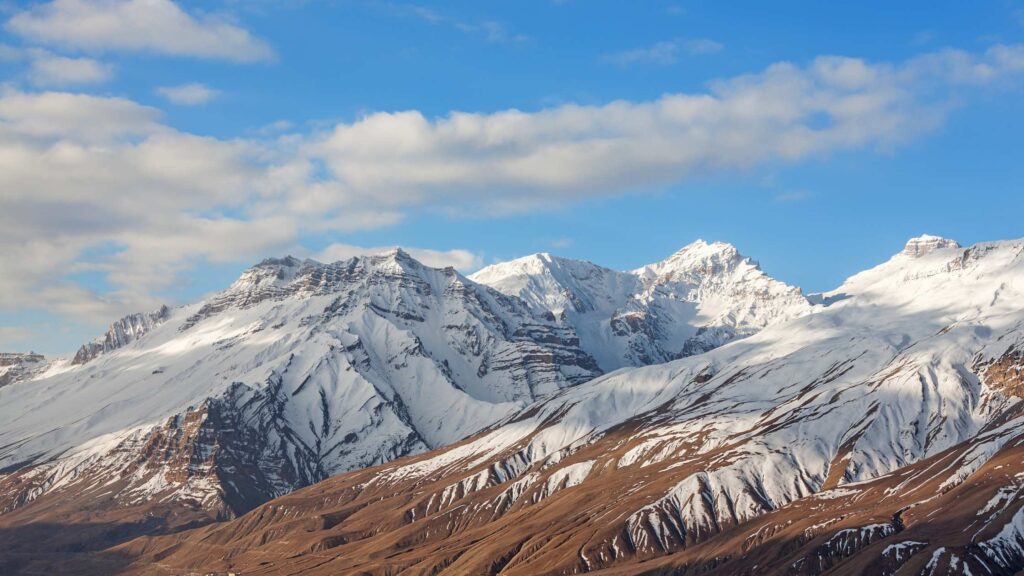
January isolation makes Spiti perfect for deep conversations.
Bring one shared journal. Each evening, write down:
- One thing you noticed today
- One thing you’re grateful for
- One dream for the next year
Or go bigger: talk about where you see yourselves in 5 years. What kind of life do you want to build? What scares you?
Sounds cheesy, maybe. But being stuck in a cold room with no distractions creates space for conversations you don’t have time for at home.
15) A “Buffer Day” as a Romance Day
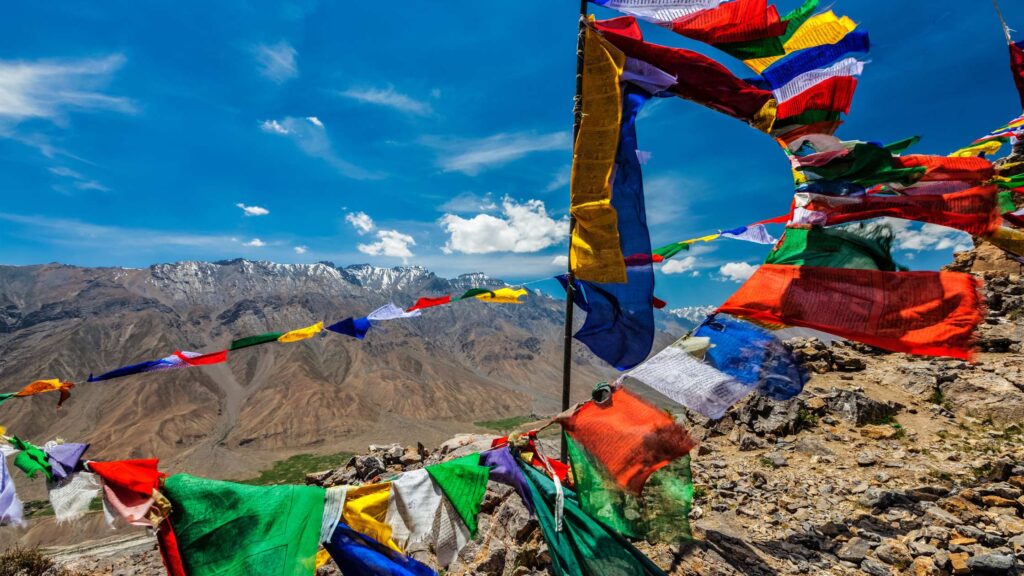
Most couples pack their itinerary tightly. Day 1: Kinnaur. Day 2: Tabo. Day 3: Kaza. Day 4: Villages. Day 5: Leave.
Bad idea.
Built in one flexible day. No fixed plan. Use it if the weather delays you. Use it if you want to stay longer in a village you love. Use it if you wake up tired and just want to rest.
This buffer day becomes the romance day. No pressure. No checklist. Just being together in Spiti.
Couples who skip buffers end up stressed, rushing, and arguing. Couples who plan buffers end up relaxed, present, and happy.
Best Places to Stay for Couples in January
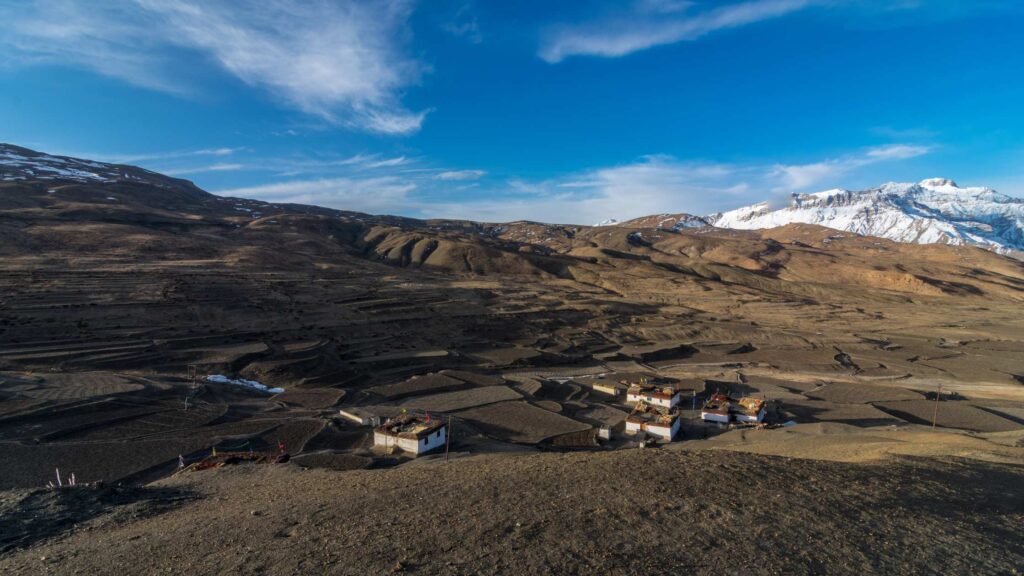
Kaza is the best base for most couples because:
- Central location
- Cafés, shops, fuel, ATM
- Heated stays available
- Easy day trips to Key, Kibber, Langza (weather permitting)
Here are some hotels that provide a good stay experience for couples:
Hotel Deyzor (Kaza) A cozy boutique hotel with warm rooms, attentive staff, and panoramic snow views. Perfect for couples with its intimate dining and bonfire setups—ideal for stargazing under clear winter skies. Rating: 4.9/5
Spiti Villa Himalayan Brothers (Kaza) Charming resort with heated cottages overlooking the frozen Spiti River. Couples love the private balconies and local cuisine; snow-blanketed surroundings add magic for a secluded retreat. Rating: 4.7/5
Himalayan Brothers – Hotel Spiti Heritage (Kaza) Heritage-style hotel blending tradition with modern comforts like central heating. Great for romantic walks in nearby snowfields and enjoying hot thukpa by the fire. Rating: 4.5/5
Echor Mud Huts (Tabo) Eco-friendly mud huts with enchanting valley views and wood stoves for toasty interiors. Suited for couples seeking an offbeat, serene stay near ancient monasteries—pure winter romance. Rating: 4.9/5
Spiti Sojourn – Homestay at the Edge (Kaza, near Pin Valley) Cliffside homestay with edge-of-the-world vistas and private rooms. Winter perks include hot stone baths and family-hosted dinners; privacy makes it couple-friendly amid isolation. Rating: 5.0/5
Hotel Sakya Abode (Kaza) Welcoming hotel with excellent food and heated lounges. Couples rave about the hospitality and proximity to Key Monastery for snowy hikes together. Rating: 4.6/5 .
Spiti Village Resort (Kaza) Secluded resort with views of Key Monastery, away from crowds. Features cozy tents and cottages with fireplaces—perfect for intimate evenings in the white wilderness. Rating: 4.6/5
DRUK Homestay (Kaza) Authentic homestay with local Spitian hosts offering wood-heated rooms and home-cooked meals. Ideal for couples wanting cultural immersion and warmth during January’s heavy snow. Popular for its affordability and charm.
Tips for January Stays: Book in advance as options dwindle with road closures. Opt for places with backup generators for power cuts. Prices range from ₹2,000–₹5,000/night for doubles. Safe travels!
Stay checklist (ask before booking):
✅ Bukhari or electric heater (confirm it works)
✅ Hot water timings (and if it’s a geyser or a bucket)
✅ Room insulation (double windows, thick curtains)
✅ Approach road condition (some stays are walkable only—tough with luggage in snow)
✅ Backup power (solar, generator, or inverter)
Best 7-Day Couple Itinerary for Spiti in January (Safest Structure)

Day 1: Delhi/Chandigarh → Shimla / Rampur (500 km)
Start early. Break journey for comfort. Stay overnight in Shimla or Rampur.
Day 2: Shimla/Rampur → Kalpa / Reckong Peo (200 km)
Cross Kinnaur. Acclimatise. Enjoy apple belt views. Overnight in Kalpa.
Day 3: Kalpa → Nako / Tabo (120 km)
Enter Spiti. Slow down. Nako Lake (frozen). Tabo Monastery. Stay in Tabo.
Day 4: Tabo → Kaza (50 km)
Short drive. Settle into Kaza. Rest. Walk around. Café time.
Day 5: Kaza local circuit (Key Monastery, Kibber if the road’s clear)
Day trips based on weather. Return to Kaza by 4 PM.
Day 6: Kaza (buffer day / Langza–Hikkim if accessible)
Flexible day. Use for weather delays or extra exploration.
Day 7: Kaza → Nako / Kalpa → Start descent
Begin return journey. Overnight halt.
Day 8 (Optional): Kalpa → Shimla / Chandigarh
Plan B box:
If snow closes roads around Kaza, you stay put. Use a buffer day. Explore Kaza more. Don’t panic. Enjoy the slowness.
Packing List for Couples

Clothing:
- 2 pairs thermals (top + bottom)
- 3 fleece layers
- 1 down jacket (for each person)
- Waterproof trekking shoes with grip
- 2 pairs of wool socks
- Woollen cap, gloves, neck warmer
- Sunglasses (snow glare is real)
Personal care:
- Lip balm (reapply every hour)
- Moisturiser (face + hands)
- Sunscreen SPF 50+
- Wet wipes (water freezes, hard to wash hands often)
Gadgets:
- Power banks (2–3, fully charged)
- Headlamp/torch (power cuts at night)
- Portable phone charger
- A camera with an extra battery
Medical:
- Diamox (for altitude sickness—consult doctor before trip)
- Basic painkillers, antacids
- Band-aids, antiseptic cream
- Personal prescription meds
Comfort items:
- Hot water bottle (works better than electric warmers)
- Book / Kindle
- Playing cards
- Shared journal
Cost Expectations for a Couple in January
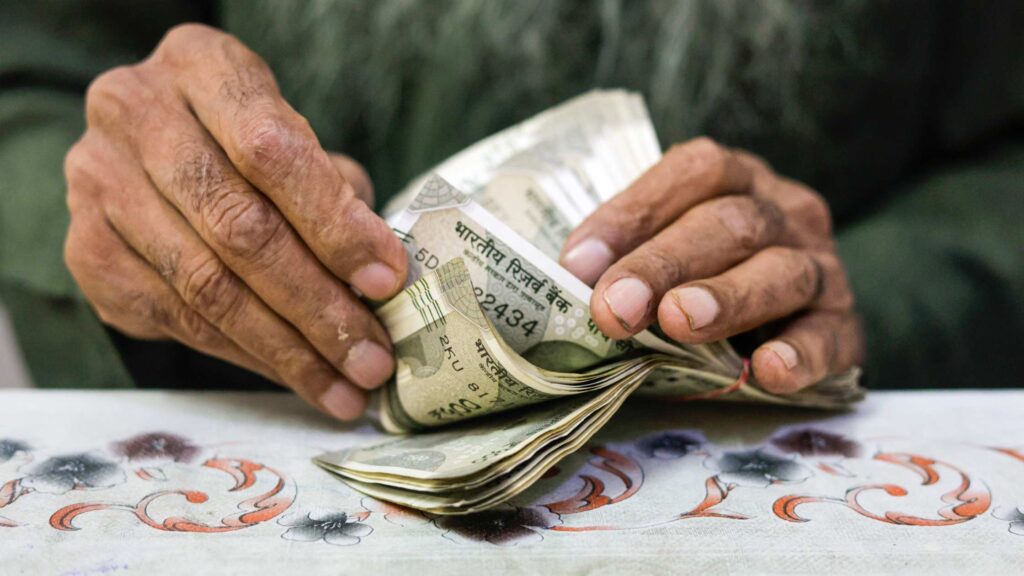
Why January costs more:
- 4×4 vehicles mandatory (higher rental)
- Heated accommodations charge winter premiums
- Fuel costs are higher (cold affects mileage)
- Driver charges include a risk premium
- Buffer days mean extra stay nights
Rough cost breakdown (7-day trip, 2 people):
Budget couple: ₹35,000–₹45,000
Shared cabs, basic heated guesthouses, simple meals, and minimal activities.
Standard couple: ₹60,000–₹75,000
Private Innova/Scorpio, mid-range heated stays, cafés, guided monastery visits.
Premium couple: ₹1,00,000–₹1,50,000
Private 4×4 with experienced winter driver, best heated rooms, photography guide, longer itinerary, comfort buffers.
What’s included:
- Transport (ex-Delhi/Chandigarh)
- Accommodation
- Breakfast + dinner (lunch usually on the road)
- Inner line permits
- Driver allowance
What’s extra:
- Flights/trains to the starting city
- Lunch/café meals
- Camera fees at monasteries
- Shopping/souvenirs
Get a detailed couple quote with itemised breakup → share your dates, starting city, and comfort preference.
FAQs
Is Spiti Valley romantic for couples in January?
Yes, if you value quiet intimacy over adventure. January gives you snow silence, empty monasteries, cozy stays, and uninterrupted time together, but it demands flexibility and cold tolerance.
Is Spiti Valley safe for couples in January?
Yes, with proper planning: experienced driver, daylight travel, heated stays, buffer days, and flexibility. Don’t go if you have tight timelines or serious health concerns.
Is Spiti Valley open in January?
Yes, via the Shimla–Kinnaur route. The Manali route stays closed from November to April. Plan accordingly.
Which route is safest for couples in January: Shimla side or Manali side?
The Shimla side (via Kinnaur) is the only viable route. The Manali side is closed due to snow at Rohtang Pass and Kunzum Pass.
Can couples visit Spiti in January without a 4×4 vehicle?
No. Snow, ice, and unpredictable roads make 4×4 vehicles with experienced winter drivers mandatory for safety.
What is the temperature in Spiti Valley in January?
Daytime: -2°C to +5°C (sunny). Nights: -15°C to -25°C. Wind chill makes it feel colder.
Will we see snowfall in Spiti Valley in January?
Very likely. January sees regular snowfall, especially in the first two weeks. Carry extra layers and build flexible plans.
Which villages are best for couples to stay in Spiti in January?
Kaza (best facilities), Tabo (monastery calm), Nako (scenic, acclimatisation stop). Avoid remote villages with no heating or backup power.
Is Kaza a good base for couples in January?
Yes. Kaza has heated stays, cafés, shops, fuel, and is central for day trips to Key, Kibber, and Langza (weather permitting).
Can we visit Key Monastery in January?
Yes, usually. It’s 12 km from Kaza and accessible most days unless heavy snowfall blocks the road. Confirm with your driver that morning.
Can we cover Kibber and Chicham Bridge in January?
Depends on road conditions. Kibber is often accessible; the Chicham viewpoint too. But don’t guarantee it—keep plans flexible.
Can we visit Langza, Hikkim and Komik in January?
Sometimes. These villages sit higher and roads get tricky after snowfall. Go only if your driver confirms safety that day. Don’t force it.
Is Pin Valley accessible in January?
No. Pin Valley road closes in winter due to heavy snow and isn’t cleared for tourists.
Are hotels/homestays in Spiti heated in January? What should we confirm before booking?
Some are, some aren’t. Always confirm: bukhari/heater type, hot water timings, backup power, and room insulation before booking.
Is hot water available in Spiti stays in January?
Yes, but usually at fixed times (7–9 AM, 6–8 PM). Confirm timings with your host and plan showers accordingly.
How is mobile network and internet in Spiti in January?
BSNL works in Kaza and Tabo. Jio/Airtel are unreliable. No network in remote villages. Expect digital detox.
Are ATMs and fuel stations available in Spiti in winter?
Kaza has one ATM (which is often out of cash so carry enough from Reckong Peo). Fuel is available in Kaza and Tabo. Fill up whenever possible.
What should couples pack for Spiti in January?
Thermals, fleece, down jacket, snow boots, woollen cap, gloves, lip balm, moisturiser, sunscreen, power banks, torch, hot water bottle, and altitude sickness meds.
How to prevent altitude sickness (AMS) in Spiti in January?
Acclimatise in Kinnaur (Day 1–2). Drink 3–4 litres of water daily. Avoid alcohol. Ascend slowly. Carry Diamox (consult doctor first). Rest if you feel dizzy or nauseous.
What is the ideal duration for a couple’s Spiti trip in January (7 days vs 9 days)?
7 days minimum (with buffers). 9 days if you want deeper exploration or extra acclimatisation time. Shorter trips feel rushed and risky.
What are the best things to do for couples in Spiti in January?
Slow sunrises, stargazing, Key Monastery, cozy café dates, short village walks, heated room relaxation, journaling together, snowfall rituals, and local food experiences.
What are the most romantic experiences in Spiti in winter?
Waking up to snow silence, stargazing under the Milky Way, writing postcards at Hikkim, sharing thukpa by a bukhari, spending a snowfall day doing nothing.
What is the approximate cost for a couple’s trip to Spiti in January?
₹35,000–₹45,000 (budget), ₹60,000–₹75,000 (standard), ₹1,00,000–₹1,50,000 (premium) for 7 days including transport, stays, meals, and permits.
Can we do a private cab tour in Spiti in January?
Yes, and it’s recommended. Private 4×4 with an experienced winter driver gives flexibility, safety, and comfort. Shared cabs are rare in January.
What is the best time of day for sightseeing in Spiti in January?
10 AM to 4 PM. Sunlight warms roads slightly, visibility is best, and you avoid driving in dark or freezing late-evening conditions.
Ready to Plan Your Spiti Winter Love Story?
Spiti in January isn’t for every couple. But for those who go with the right preparation, realistic expectations, and a slow-travel mindset, it becomes the kind of trip you talk about for years.
We’ve been planning winter Spiti trips since 2021. We know how to build itineraries that balance romance with safety.
Share your dates, starting city, and comfort level (budget / standard / premium) → we’ll send you a personalised couple winter plan with a transparent quote.
No generic packages. No overpromising. Just honest, local, couple-first planning.
Because the best trips aren’t about seeing everything, they’re about feeling everything.
Also read: Is Spiti Valley safe for kids?