
I’ll be honest, when I first heard about Spiti in January, my reaction was a mix of excitement and confusion because most travel guides will tell you that Spiti “closes” in winter. But that’s not the full story.
Spiti Valley remains accessible in January through the Shimla-Kinnaur route, while the popular Manali route typically closes due to heavy snowfall on high mountain passes.
What this means for you is that winter Spiti isn’t off-limits even in winter!! Isn’t that great?!
The landscape transforms into something otherworldly, with temperatures that test your resolve and road conditions that demand expertise.
This guide exists because you deserve the real picture—not the Instagram fantasy, not the fear-mongering, just the ground truth about roads, weather, logistics, and what makes a January Spiti trip successful.
Is Spiti Valley Open in January?
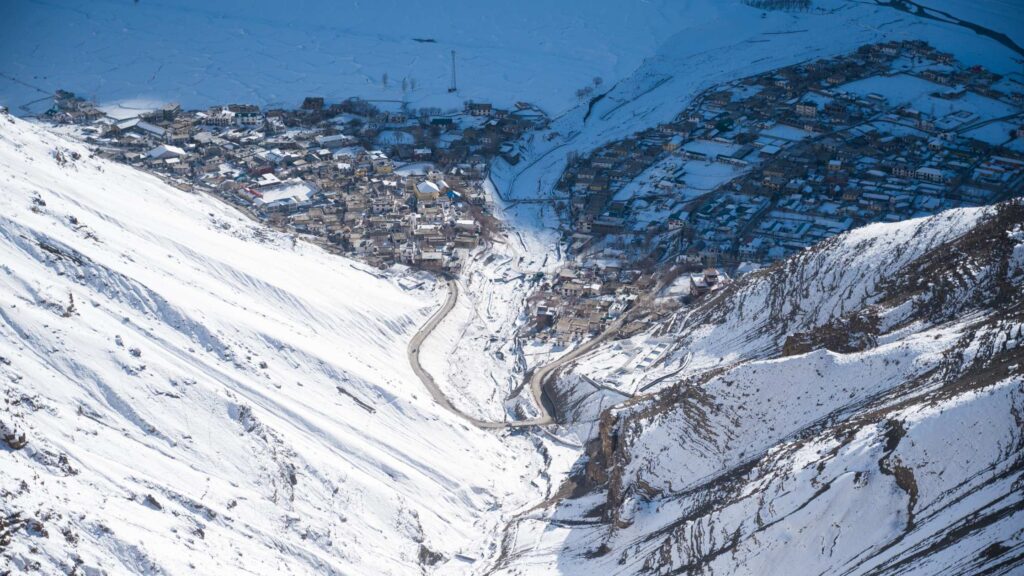
Yes, Spiti Valley is accessible in January 2026, but with certain critical conditions.
The Manali-Kaza route via Rohtang Pass and Kunzum Pass remains closed throughout winter due to extreme snowfall and avalanche risks. Your only practical winter entry is the Shimla–Kinnaur–Spiti route via Reckong Peo and Nako.
Road conditions depend heavily on recent snowfall, with temperatures in Kaza ranging from -15°C to -25°C at night. Black ice forms after sunset, and several stretches become single-lane. You’ll need buffer days, cold-weather readiness, and realistic expectations about accessibility.
Send us your dates & group size → we’ll share a road-status-verified plan that prioritises safety over speed.
How is the Spiti Valley Weather in January?
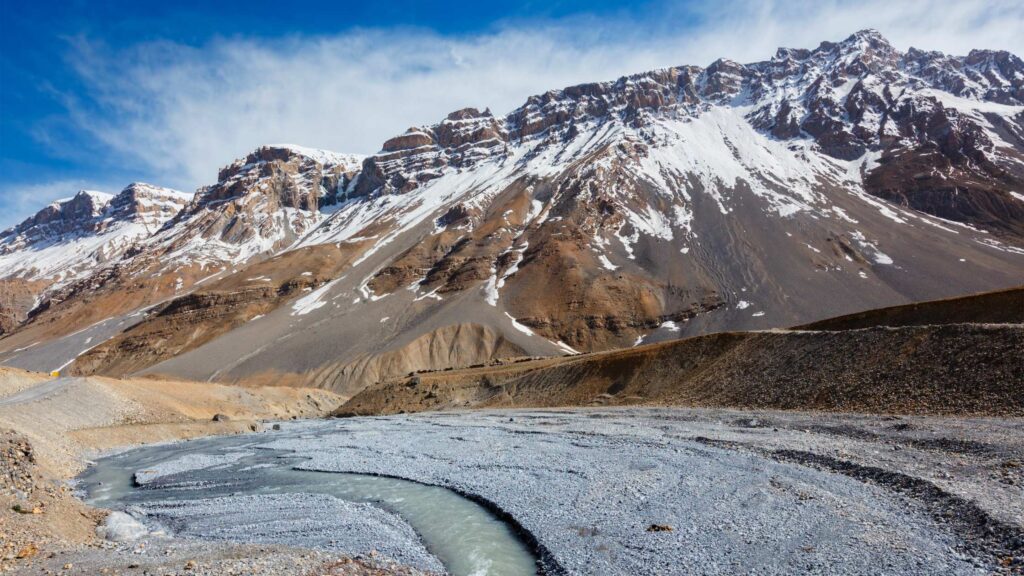
Let me cut through the poetic descriptions because we need some serious discussions when it comes to the cold in Spiti.
January in Spiti Valley brings daytime temperatures between -5°C to 5°C, while nights frequently drop to -15°C to -25°C in Kaza.
But numbers don’t tell you how it feels. The cold in Spiti isn’t like hill station cold. It’s dry, sharp, and intensified by wind that cuts through clothing layers you thought were sufficient.
At 3,800 metres in Kaza, the air pressure makes your lungs work harder, and that same thin air offers zero insulation from the cold.
Why nights feel brutal:
- Wind chill drops perceived temperature by another 5–8°C
- Moisture freezes instantly on exposed skin
- Most guesthouses lose power intermittently, meaning heaters go offline
- Your phone battery drains in minutes outside
Daylight hours are limited in January, with sunrise around 7:30 AM and sunset by 5:30 PM, giving you roughly 8-9 hours of usable travel time. This matters more than you think.
For that “quick detour” to Langza, you need to start by 9 AM because roads become treacherous once the brief afternoon warmth fades and surfaces refreeze.
I’ve seen travellers underestimate this. They leave Kaza at 2 PM, thinking they have time. By 4:30 PM, they’re navigating black ice with fading light. Don’t be that person!!
Snow accumulation can also reach several feet in higher villages, creating dramatic winter landscapes.
Is Spiti Valley Open in January? The Road Status Reality
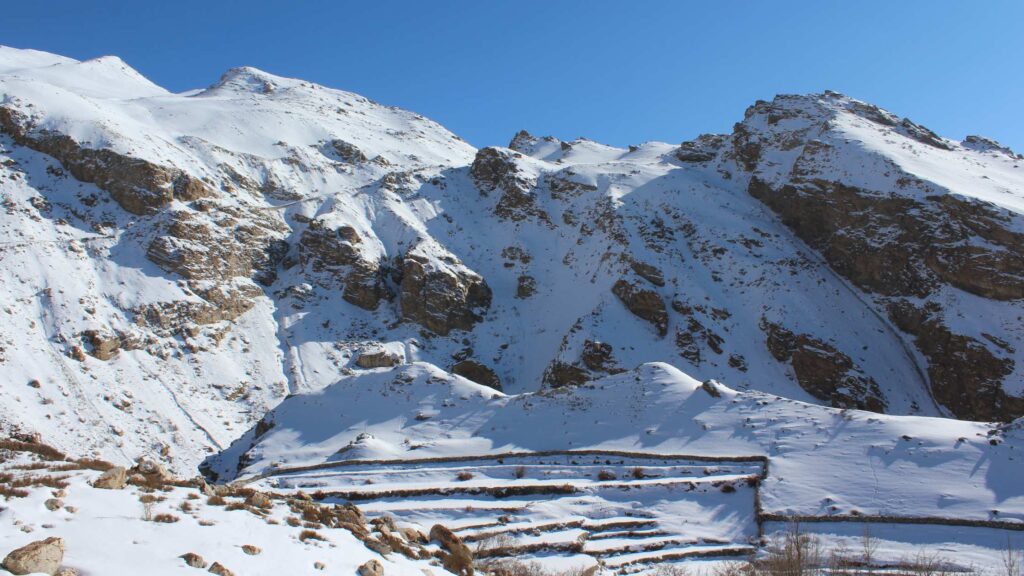
Even if the road status is “Open”, it doesn’t mean “easy.” In January, the Keylong-Kaza stretch via Kunzum Pass is typically closed, blocking the Manali route, while the Shimla-Kinnaur-Spiti route remains the operational winter corridor.
But even the Shimla route faces:
- Temporary closures after fresh snowfall (12–48 hours while BRO clears roads)
- Single-lane restrictions near Malling Nala and the approach to Nako
- Ice patches that aren’t visible until you’re on them
How to Actually Check Road Status
Here’s the correct way to check the real-time road status to the valley:
1. Official district portal: The Lahaul-Spiti district administration website (hplahaulspiti.nic.in) provides updated road status information and weather alerts. Check the “Road Status” section 24–48 hours before each leg of your journey.
2. Call local contacts: Your hotel in Kaza or Nako usually knows before official updates hit websites. Ask them about:
- Recent snowfall in the last 72 hours
- BRO clearing activity
- Whether local taxis are moving
3. WhatsApp groups: Driver communities share real-time updates. If you’ve booked a local operator, they’re plugged into these networks.
The verification timing matters. Road conditions in January change daily. A route that was clear on Monday can have 6 inches of fresh snow by Wednesday morning. Heavy snowfall can lead to sudden road closures, making real-time updates essential for winter travel planning.
I remember in January 2024, we confirmed road status on Friday. By Sunday morning—when we planned to move—a night of snowfall closed the Kinnaur highway for 30 hours. But thankfully, we had a buffer day, which saved the trip.
Manali Route vs Shimla Route in January: The Truth You Need
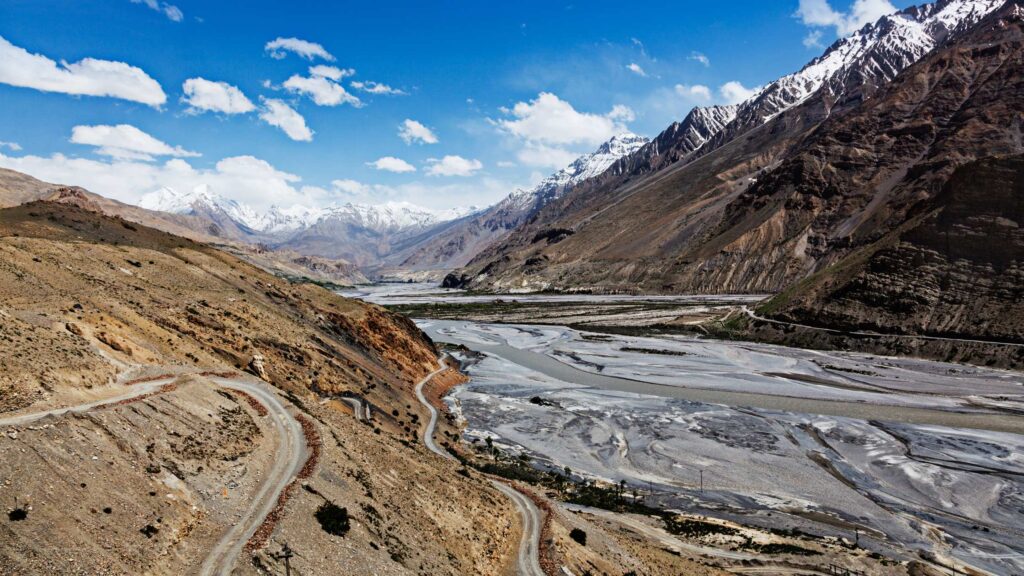
Let’s be absolutely clear about this because I still see travellers showing up in Manali expecting to drive to Spiti in winter.
Manali to Kaza Route in January is Closed
The Manali-Kaza route via Rohtang Pass (3,978m) and Kunzum Pass (4,551m) closes from November through April due to extreme snow accumulation and avalanche danger on high-altitude passes. This isn’t a “depends on the year” situation. It’s a hard closure.
Even Keylong to Kaza—which some travellers think might be “just beyond Rohtang”—remains blocked. The Keylong-Kaza road status in January typically shows closure due to unsafe winter conditions at high passes.
Don’t plan entry via Manali in January. You’ll waste time, money, and possibly put yourself in danger if you try alternative routes.
Shimla to Spiti in January Should be Your Chosen Route
The Shimla-Kinnaur-Spiti route via Reckong Peo, Nako, and Tabo serves as the primary winter access corridor, remaining operational throughout January with proper vehicle preparation.
This route works because:
- Lower altitude approach (gradual climb from 2,200m to 3,800m)
- Better road maintenance (NH-5 gets priority clearing)
- Kinnaur towns offer intermediate stops for acclimatisation
Typical Shimla to Kaza timeline in January:
Day 1 Delhi ➝ Shimla | Overnight Journey (Volvo)
Day 2 Shimla ➝ Chitkul/Sangla (225 Kilometers, 9 Hours Drive)
Day 3 Chitkul/Sangla ➝ Kalpa (50 Kilometers, 3 Hours Drive)
Day 4 Kalpa ➝ Tabo (160 Kilometers, 5 Hours Drive)
Day 5 Tabo ➝ Kaza (48 Kilometers, 2 Hours Drive)
Day 6 Spiti Sightseeing Day (Komik, Hikkim, Langza)
Day 7 Kaza ➝ Kalpa (200 Kilometers, 7 Hours Drive)
Day 8 Kalpa ➝ Shimla (222 Kilometers, 8 Hours Drive) ➝ Overnight Volvo to Delhi
Day 9 Delhi Arrival | Tour Ends
Notice the gradual progression? That’s important for acclimatisation and safety.
Route Decision Box
Choose the Shimla route if:
✓ You’re travelling January–March
✓ Safety is non-negotiable
✓ You want acclimatisation built in
✓ You’re okay with 3 days to reach Kaza
Avoid the Manali route if:
✗ Travelling November–April
✗ Any travel guide tells you, “it might be open.”
✗ You’re tempted by a shorter distance on the map
Vehicle & Driving Reality: When 4×4 Becomes Non-Negotiable

Please, please, please trust me when I say that a 4×4 vehicle becomes essential in Spiti Valley during January when encountering fresh snowfall, black ice conditions, or restricted road sectors where standard vehicles cannot maintain traction.
Why 4×4 matters in winter:
- Traction on ice: Even with chains, 2WD vehicles lose grip on frozen stretches near Malling Nala and approaches to high-altitude villages
- Snow depth: Fresh snowfall can create a 4–6 inch accumulation overnight; ground clearance becomes critical
- Single-lane climbing: Steep sections like the climb to Dhankar require torque that regular engines struggle with in thin air and cold
But here’s the bigger truth: The vehicle is only as good as the driver.
Experienced local drivers familiar with winter conditions understand ice behaviour, sudden skids, and which stretches become treacherous after the afternoon sunlight fades.
They know that ice can look exactly like wet asphalt. They know which turns hide black ice at 4 PM. They know when to stop driving.
Last January, I met a couple in our homestay who rented a 4×4 in Shimla and drove themselves. Near Nako, they hit an ice patch and spun 180 degrees.
No damage to life and property, thankfully, but they hired a local driver the next morning.
Do/Don’t During January Spiti Driving
DO:
✓ Drive only between 9 AM–4 PM
✓ Keep 2+ car lengths distance on icy roads
✓ Test brakes every 15 minutes on descents
✓ Carry chains even in 4×4
✓ Keep buffer days for weather delays
DON’T:
✗ Drive after sunset (black ice forms rapidly)
✗ Rush through snow patches
✗ Underestimate the thin sections of the road
✗ Ignore local driver advice about conditions
✗ Skip tyre pressure checks in extreme cold
Where Can You Go in Spiti in January:
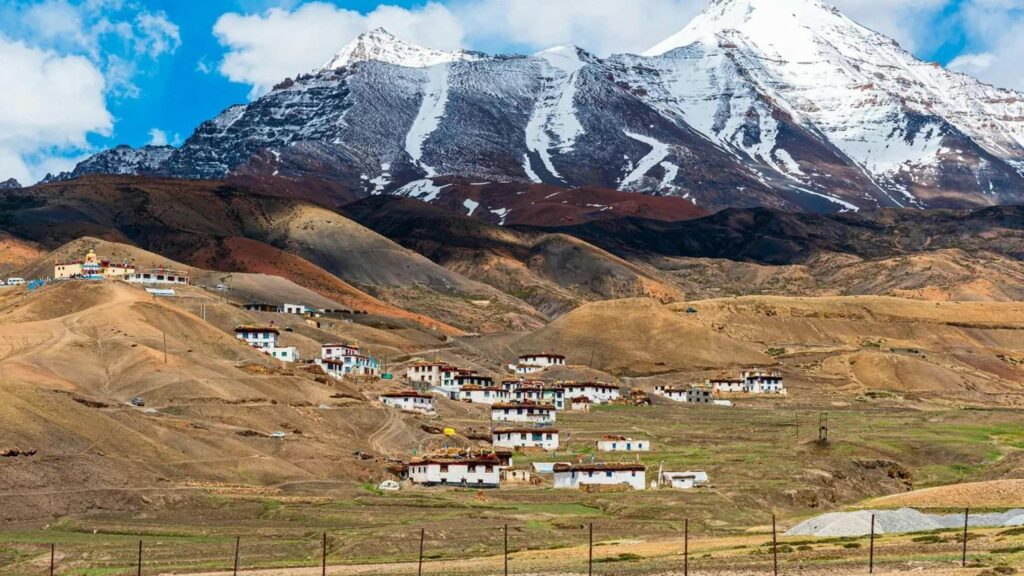
When you are going to a place with such extreme conditions, the first step of preparation involves managing your touristy expectations.
January Spiti isn’t about ticking off a travel brochure. It’s about experiencing a handful of places in their most raw, elemental form.
Kaza as Your Base
Kaza sits at 3,650 metres and serves as your winter hub. The town itself offers:
- Key Monastery (13 km, usually accessible)
- Kibber village (16 km, often reachable)
- Chicham Bridge (30 km, depends on road clearing)
The Kaza-Key-Kibber circuit and villages like Langza, Hikkim, and Komik are commonly attempted during January, though accessibility depends on recent snowfall and daily road conditions.
January-accessible sightseeing (subject to daily conditions):
- Langza (15 km from Kaza): The Buddha statue against snow-covered peaks is the iconic winter shot. Road gets dicey after 3 PM when meltwater refreezes.
- Hikkim (18 km): World’s highest post office. Usually reachable, but the climb from Kaza involves 3–4 ice-prone turns.
- Komik (20 km): The Highest motorable village. The monastery looks surreal in snow, but this is weather-dependent—some January weeks it’s cut off.
- Dhankar Monastery (32 km): The drive involves narrow cliffside sections. Operators attempt this only on clear days with confirmed road status.
What Might Not Be Possible
Let me be straight about this:
- Pin Valley: Often inaccessible in January. Snow closes the approach road, and even when technically open, conditions make it inadvisable.
- Tabo to Dhankar circuit: Possible but requires a good weather window and an early start.
- Villages beyond Kibber: Roads to Gete, Tashigang often remain snow-blocked.
On heavy snow days (which happen 3–5 times per month in January), even Kaza to Key becomes uncertain. This is why buffer days aren’t optional; they’re a necessity.
I remember a Japanese traveller in January 2023 who built a 4-day Kaza itinerary with no buffers. Fresh snowfall locked them inside for 36 hours. They saw Key Monastery and nothing else.
So if you want to enjoy the Valley, plan smarter.
Best Spiti January Itinerary (7 Days): Safest, Most Common

This is the itinerary that actually works. It balances ambition with winter reality, builds in acclimatisation, and assumes you’re entering via Shimla.
Day 1: Shimla → Reckong Peo/Kalpa (240 km | 8–9 hours)
Start early from Shimla—aim for 7:30 AM departure. The drive through Kinnaur is stunning even in winter, but the roads demand attention.
- Stop at Narkanda for breakfast (local paranthas with butter tea)
- Rampur Bushahr for a quick break
- Reach Reckong Peo/Kalpa by 5 PM
Why this stop matters: You’re at 2,200m–2,900m, giving your body its first altitude adjustment. Don’t skip this night.
Day 2: Reckong Peo → Nako (110 km | 5–6 hours)
This day brings you deeper into the high-altitude landscape.
- Cross the Kinnaur-Spiti border near Khab
- Stop at Gue Mummy (naturally preserved 500-year-old monk)
- Reach Nako by early afternoon
Acclimatisation note: You’re now at 3,662 metres. Some people feel mild altitude effects—headache, breathlessness. That’s normal. Drink water, avoid alcohol, and rest.
Day 3: Nako → Tabo → Kaza (110 km | 5–6 hours)
- Start by 8:30 AM
- Visit Tabo Monastery (996 AD, stunning frescoes survive even in winter cold)
- Reach Kaza by 2 PM
Pro tip: Confirm your Kaza accommodation has functional heating and power backup before arrival. January power cuts are common.
Day 4: Kaza Local Circuit (Key–Kibber–Chicham or Langza–Hikkim)
This is your big day. Choose one circuit based on road status:
Option A: Key–Kibber–Chicham
- Leave by 9 AM
- Key Monastery opens by 9:30 AM (winter timings vary)
- Kibber village for a high-altitude village experience
- Chicham Bridge (Asia’s highest bridge), if the road is clear
Option B: Langza–Hikkim–Komik
- Langza for Buddha statue photos (best light 11 AM–1 PM)
- Hikkim post office (send a postcard from the world’s highest post office!)
- Komik only if conditions permit
Return to Kaza by 4 PM. Don’t push it later.
Day 5: Kaza → Dhankar → Kaza or Buffer Day
If weather and roads cooperate:
- Dhankar Monastery and village (spectacular valley views)
- Dhankar Lake trek (only if you’re well-acclimatised and snow isn’t deep)
But here’s the winter buffer rule: If Day 4 saw any road issues, snowfall, or you’re feeling altitude effects, use Day 5 as a rest/buffer day in Kaza. Explore the town, visit local cafes, let your body adjust.
Day 6: Kaza → Nako → Reckong Peo (210 km | 7–8 hours)
Begin descent. Your body will thank you as oxygen levels increase.
- Start by 8 AM
- Lunch at Tabo or Nako
- Reach Reckong Peo by evening
Day 7: Reckong Peo → Shimla (240 km | 8 hours)
Final leg back to civilisation. You’ll notice how “warm” 15°C feels after a week in subzero temperatures!
Winter Buffer Rule: Keep 1 buffer half-day minimum. If you must catch a flight from Chandigarh on Day 8, reach Shimla by Day 6 evening. Don’t risk it.
Longer Itinerary (9 Days): For Comfort + Weather Buffers
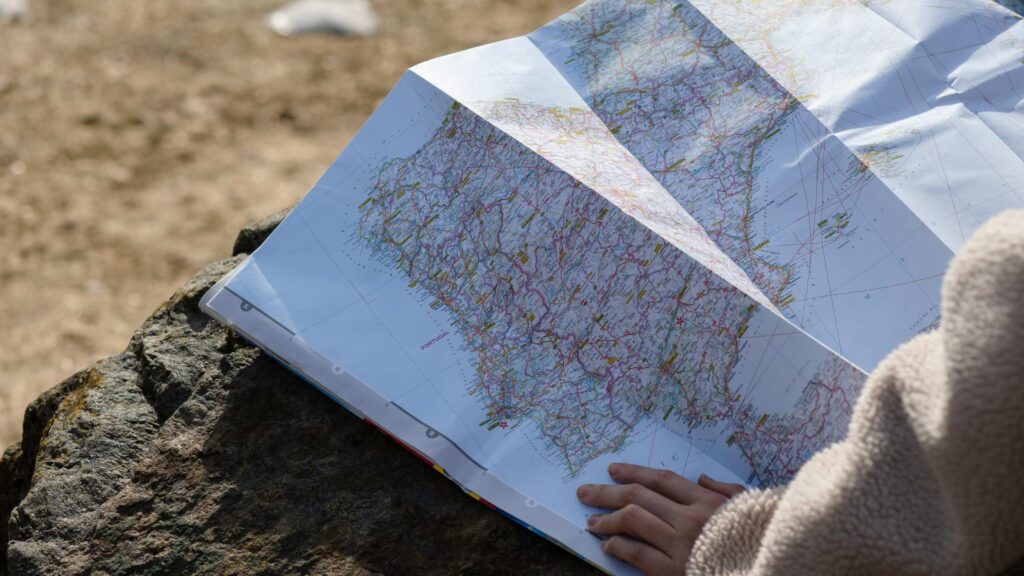
The 9-day version is the 7-day plan with breathing room. Here’s what changes:
Day 1: Shimla → Rampur Bushahr
Day 2: Rampur → Kalpa (extra acclimatisation night)
Day 3: Kalpa → Nako
Day 4: Nako → Tabo (explore Tabo properly, visit caves)
Day 5: Tabo → Kaza
Day 6: Kaza circuit 1
Day 7: Kaza circuit 2 or buffer
Day 8: Kaza → Kalpa
Day 9: Kalpa → Shimla
Who should choose 9 days:
- Families with children (more rest, less rush)
- Couples wanting slow, immersive travel
- Anyone over 50 or with any heart/respiratory concerns
- First-time high-altitude travellers
- Photographers who want multiple weather windows
The extra days aren’t “wasted.” They give you time to sit in a Kaza cafe watching snow fall, to have conversations with locals, to wake up without an alarm and decide based on that morning’s weather.
Altitude Sickness in January:
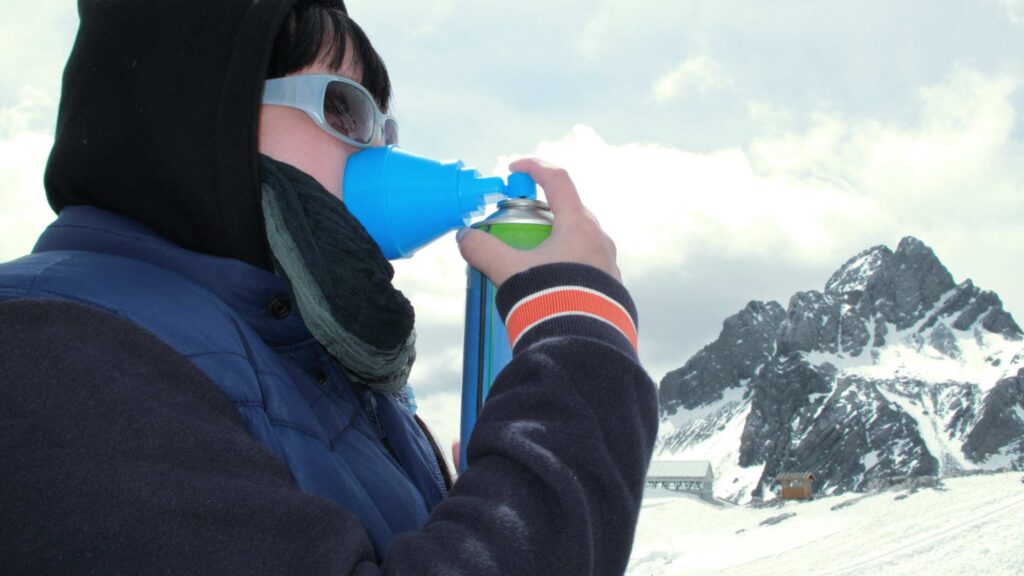
I’m putting this upfront because altitude sickness (AMS – Acute Mountain Sickness) doesn’t care how fit you are, how experienced you think you are, or how many hills you’ve visited before.
Altitude sickness risk remains present even in winter, with symptoms potentially affecting anyone above 3,000 metres regardless of fitness level or previous mountain experience.
Why AMS risk is real in January:
- You’re ascending from ~300m (Shimla) to 3,650m+ (Kaza) within 2–3 days
- Cold stress increases oxygen demand
- You might breathe more shallowly in cold air
- Dehydration happens faster in dry, cold climates
Who Is Most at Risk
- Anyone ascending directly to Kaza without acclimatisation stops
- People with pre-existing heart/lung conditions
- Those who’ve had altitude sickness before
- Anyone who ignores initial mild symptoms
Common symptoms:
- Headache (most common first sign)
- Nausea or loss of appetite
- Dizziness or lightheadedness
- Fatigue despite rest
- Difficulty sleeping
Prevention Steps That Actually Work
1. Gradual ascent: This is why the Shimla route with stops at Chitkul, Sangla, Kalpa and Nako matters. Don’t rush.
2. Hydration: Drink 3–4 litres of water daily. Your body needs more fluids at altitude, and cold air is incredibly dry.
3. Avoid alcohol: Seriously. That beer in Kaza hits twice as hard and dehydrates you. Skip it for the first 48 hours.
4. Diamox (Acetazolamide): Consult your doctor before the trip. Many experienced travellers take 125mg twice daily starting the day before ascent.
5. Listen to your body: Feeling off? Rest. Don’t push through “just to see one more monastery.”
When to Descend / Seek Help
Descend immediately if you experience:
- Severe headache not relieved by painkillers
- Vomiting
- Confusion or difficulty walking straight
- Shortness of breath at rest
- Chest tightness
Mild symptoms? Stop ascending. Rest for 24 hours at the current altitude. If symptoms worsen or don’t improve in 24 hours, descend.
I’ve seen travellers ignore mild headaches and nausea. By day two in Kaza, they were in serious trouble. The only cure for AMS is descent and oxygen. Your ego isn’t worth altitude pulmonary edema.
Hotels in Kaza have oxygen cylinders, but they’re emergency measures—not substitutes for getting to a lower altitude.
Where to Stay in January:
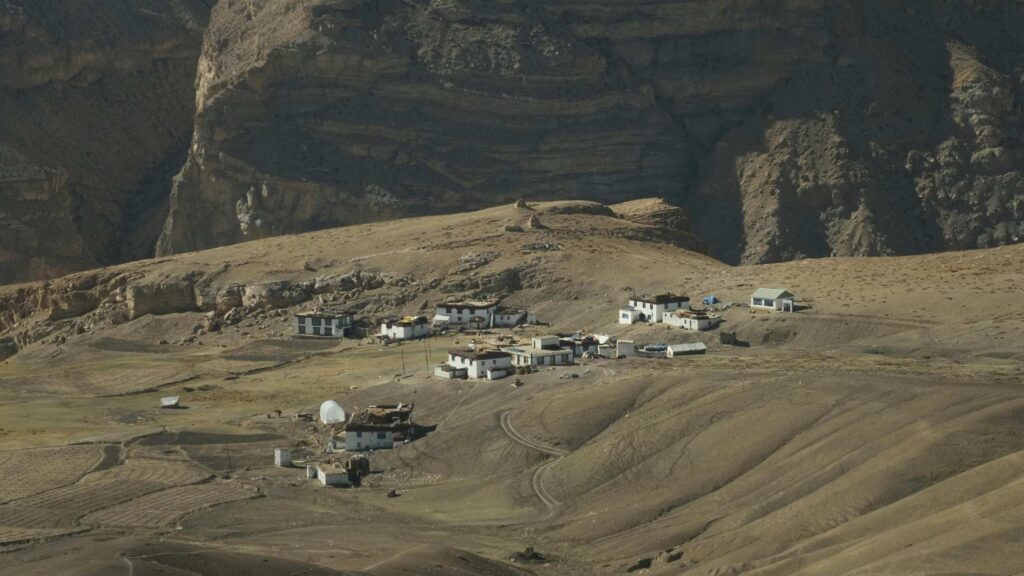
Accommodation in January Spiti isn’t about Instagram-worthy aesthetics. It’s about survival comfort. Winter guesthouses must provide reliable heating systems, consistent hot water, and backup power due to frequent electrical disruptions during January.
What to Confirm Before Booking
1. Heater type:
- Room heaters (electric) — good but dependent on power supply
- Bukhari (wood stove) — reliable, independent of electricity, but needs monitoring
- Central heating — rare but excellent if available
2. Hot water timing: Ask specifically: “What hours is hot water available?” Many places offer hot water only 7–9 AM and 6–8 PM in winter.
3. Power backup: Essential question: “Do you have generator or inverter backup?” January sees 2–4 hour power cuts regularly.
4. Insulation: Rooms with proper wall insulation retain heat. Ask if walls are wood-panelled or concrete (concrete loses heat faster).
5. Blanket quality: Sounds trivial, but you’ll need 2–3 heavy blankets at night. Confirm they provide extras.
How to Choose Your Base
Kaza:
- Most guesthouses and homestays
- Better food options (Sol Cafe, Cafe Zomsa stay open in winter)
- Central for day trips
Recommended: Kaza Residency, Deyzor, Sakya Abode (confirm winter operations before booking)
Tabo:
- Quieter, monastery vibe
- Fewer options but more peaceful
- Good for those wanting a meditation/retreat feel
Kinnaur stopover (Kalpa/Reckong Peo):
- More hotel infrastructure
- Easier heating and hot water
- Good for the acclimatisation phase
Pro tip: Book directly via phone/WhatsApp. Ask about heating explicitly. Many places that claim “heating available” on booking sites have one heater for 4 rooms. You want confirmation that your room has dedicated heating.
Packing List for Spiti in January:

Let’s get tactical because this list is exactly what works in -20°C with wind.
Clothing: Layering Is Everything
Base Layer (touching skin):
- Thermal tops × 3 (merino wool > synthetic)
- Thermal bottoms × 3
- Thermal socks × 4 pairs (bring extras—wet socks are miserable)
Mid Layer (insulation):
- Fleece jacket × 2
- Down vest or light down jacket
- Trekking pants (insulated) × 2
Outer Layer (protection):
- Waterproof, windproof down jacket (rated for -20°C minimum)
- Windproof trekking pants
- Rain/snow shell (backup)
Extremities (where you lose most heat):
- Snow boots or insulated trekking boots (waterproof, high-ankle)
- Woollen gloves + one pair of waterproof outer gloves
- Balaclava or neck warmer
- Woollen cap/beanie (one that covers ears)
- Sunglasses (UV protection—essential! Snow glare is intense)
Face/Skin Protection:
- Moisturiser (thick, not lotion)
- Lip balm (carry 2–3, you’ll use them constantly)
- Sunscreen SPF 50+ (UV is stronger at altitude)
Tech & Power
- Power banks × 2 (20,000 mAh each—your phone battery drains 3× faster in cold)
- Keep power banks inside jacket close to body (warmth preserves charge)
- Extra charging cables
- Headlamp with extra batteries (power cuts are common)
Medical & Altitude
- Diamox (if doctor prescribed)
- Painkiller (for mild headaches)
- Electrolyte sachets
- Bandages, antiseptic
- Personal medications + 2 days extra supply
Miscellaneous Must-Haves
- Water bottle (insulated to prevent freezing)
- Dry snacks (nuts, energy bars—shops have limited stock in winter)
- Book or Kindle (for long evenings with no internet)
- Offline maps downloaded (Google Maps works but connectivity is patchy)
Battery care tip: Keep your phone in an inner jacket pocket while shooting photos. Take it out, shoot, put it back. I’ve seen phones shut down at 60% battery in -15°C. The battery isn’t dead—it’s just cold-shocked.
Trip Cost in January:

Let’s talk about the budget. January Spiti costs more than summer, and here’s exactly why and how much.
Cost Buckets (Per Person)
Budget Traveller (₹18,000–₹25,000):
- Shared cab/tempo traveller
- Homestays/basic guesthouses
- Shared rooms
- Self-cooked or local dhaaba meals
Mid-Range (₹30,000–₹45,000):
- Private cab (non-4×4 SUV, local driver)
- Mid-range guesthouses with heating
- Private rooms
- A mix of cafe and local meals
Comfortable (₹50,000–₹75,000+):
- Private 4×4 SUV with experienced driver
- Better guesthouses (Deyzor, Kaza Residency)
- Private rooms with ensuite
- All meals at cafes/better food options
- Buffer days factored in
What Makes January Costlier
1. Vehicle readiness: 4×4 rentals cost ₹8,000–₹12,000 per day (vs ₹5,000–₹7,000 in summer). Drivers charge premiums for winter risk and wear on vehicles.
2. Buffer nights: You’re paying for 7–9 days instead of 5–6 because weather delays are factored in. Those “unused” nights still cost money.
3. Heating surcharges: Many guesthouses add ₹200–₹500/night “heating charges” in winter.
4. Food costs: Limited supply means higher prices. A meal that costs ₹200 in June might be ₹300–₹400 in January.
5. Fuel & permits: Fuel stations are scarce. Drivers carry extra fuel, adding to costs.
Sample 7-Day Breakdown (Per Person, Mid-Range)
- Transport (Shared 4×4): ₹12,000
- Accommodation (6 nights): ₹9,000
- Food (7 days): ₹7,000
- Permits/entry fees: ₹500
- Emergency buffer: ₹2,000
- Miscellaneous (snacks, tips): ₹2,000
Total: ~₹32,500
If you’re going solo and need a private vehicle, costs jump significantly—private 4×4 for 7 days runs ₹70,000–₹85,000 plus driver charges.
Get an itemised quote in 10 minutes. Share your group size, preferred comfort level, and travel dates—we’ll send a realistic cost breakdown with no hidden charges.
FAQs:
Is Spiti Valley open in January?
Yes, Spiti Valley is open in January but only via the Shimla-Kinnaur-Spiti route. Road status depends on daily conditions, so verify 24–48 hours before travel.
Can we go to Spiti in January from Manali?
No. The Manali-Kaza route closes from November through April due to avalanche danger and impassable snow on high-altitude passes. Don’t attempt it, and don’t believe anyone who says “it might be open this year.” It won’t be.
Which route is best for Spiti in January — Shimla or Manali?
Shimla is the only route. The Shimla-Kinnaur-Spiti corridor remains operational throughout January with proper vehicle preparation and serves as the primary winter access route. The gradual ascent also aids acclimatisation, making it safer for altitude adjustment.
What is the temperature in Spiti Valley in January?
Daytime temperatures range from -5°C to 5°C, while nights frequently drop to -15°C to -25°C, especially in Kaza. Wind chill makes it feel significantly colder. Pack for extreme cold.
Is 4×4 required for Spiti in January?
Yes, 4×4 vehicles become essential when encountering fresh snowfall, black ice, or restricted road sectors where standard vehicles lose traction. Even if the road looks clear, ice patches form after sunset. An experienced local driver in a 4×4 is your safest bet.
What is the best 7-day Spiti winter itinerary for January?
The safest 7-day plan: Shimla → Reckong Peo (Day 1) → Nako (Day 2) → Kaza (Day 3) → Kaza local circuits (Days 4–5) → Descend via Nako (Day 6) → Shimla (Day 7). This builds in acclimatisation and weather buffers while covering accessible winter highlights.
Which places are accessible in Spiti during January?
From Kaza, you can typically access Key Monastery, Kibber, Langza, Hikkim, and Komik villages, though daily accessibility depends on snowfall and road conditions. Dhankar is often reachable on clear days.
How do I check Spiti road status before travelling?
Visit hplahaulspiti.nic.in for official road status updates. Also, call your hotel in Kaza or Nako 24–48 hours before travel—they have real-time ground information. Local taxi driver networks share WhatsApp updates faster than official sites.
How to avoid altitude sickness in Spiti in winter?
Ascend gradually with acclimatisation stops at Chitkul/Sangla, Kalpa, and Nako, stay well-hydrated (3–4 litres daily), avoid alcohol for 48 hours after reaching Kaza, and listen to your body’s signals. Consider Diamox after consulting your doctor. If symptoms appear, stop ascending and rest.
What should I pack for Spiti Valley in January?
Pack in layers: thermals (3 sets), fleece mid-layers, down jacket rated for -20°C, snow boots, waterproof gloves, balaclava, sunglasses, and heavy moisturiser/lip balm. Bring power banks (batteries drain fast in cold) and keep them warm. Don’t forget electrolyte sachets and altitude sickness medication.
Is Spiti safe for couples in January?
Yes, if you plan properly. Couples should choose the 9-day itinerary for comfort, book accommodations with confirmed heating, and hire an experienced local driver. Avoid rushing the ascent.
Is Spiti safe for families/kids in January?
It is safe but requires extra caution. Children are more susceptible to altitude sickness and extreme cold. Opt for the 9-day itinerary with buffer days, choose better accommodations with reliable heating, and be prepared to descend immediately if any family member shows AMS symptoms. Families with kids under 5 or elderly members should reconsider winter travel to Spiti.
Ready for Your Spiti Winter Adventure?
January in Spiti isn’t easy. But it’s possible.
It’s the kind of place that strips away the noise and leaves you with just the landscape, the cold, and your own thoughts. It’s where you realise how small human comfort zones are—and how much exists beyond them.
But you have to do it right. With the right planning and preparation!
The difference between an incredible experience and a dangerous situation comes down to planning: the right route, realistic timelines, proper gear, altitude awareness, and respect for winter conditions.
Share your dates and departure city and group size!
We’ll confirm the safest route for your travel window and send a winter-ready itinerary + detailed quote within 24 hours.
Because you deserve a trip that matches your courage with proper preparation.
Also read: Is It Safe to Travel to Spiti Valley in January (2026)? Road Status, Risks + Safest Plan