
There’s a moment when you first see Chandratal that makes every rough road, every cold night, and every hour spent waiting for permits worth it.
The lake sits at 4,300 metres, reflecting the sky so perfectly that you lose track of where water ends and mountain begins. It’s one of those places that doesn’t need filters or captions. It just is.
But getting to Chandratal isn’t simple. The lake doesn’t open on a fixed date. Roads depend on snowmelt.
Camping rules change every season. And if you show up without a plan, you’ll waste half your trip figuring things out. This guide covers everything you need to know for chandratal lake in 2026.
Knowing This Will Add to the Joy in Your Journey
The lake sits at 4,300 metres (14,100 feet). So yes, it’s high up there! You can visit between late May/June and October. But if you want the best experience, aim for June, September, or early October.
From the parking area, it’s a 1-2km walk. Most importantly, before you go, make sure you have your e-Aagman vehicle e-pass or e-ticket ready. It’s a must-have for the trip!
When Does Chandratal Lake Open?
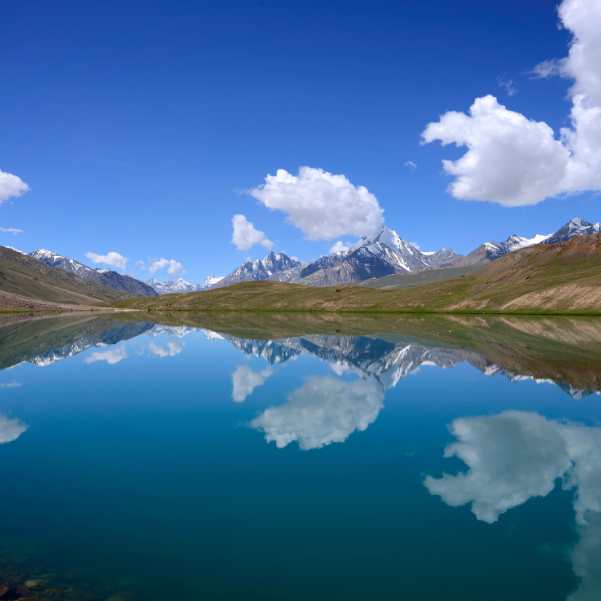
Chandratal doesn’t open on a calendar date. It opens when the Kunzum Pass road clears. And that depends on how much snow falls during winter and how fast it melts in spring.
Most years, the road to Kunzum Pass opens between mid-May and early June. Once Kunzum is open, the approach road to Chandratal follows a week or two later. By late May or early June, you can usually reach the lake. But nothing is guaranteed.
In years with heavy snowfall, opening can shift to mid-June. In lighter snow years, access might come by mid-May. Check with the Lahaul and Spiti administration or local tour operators a week before you go.
The lake stays accessible until late October, sometimes early November. After that, winter snow closes the roads and the area becomes unreachable until spring.
Month-by-Month Best Time Guide
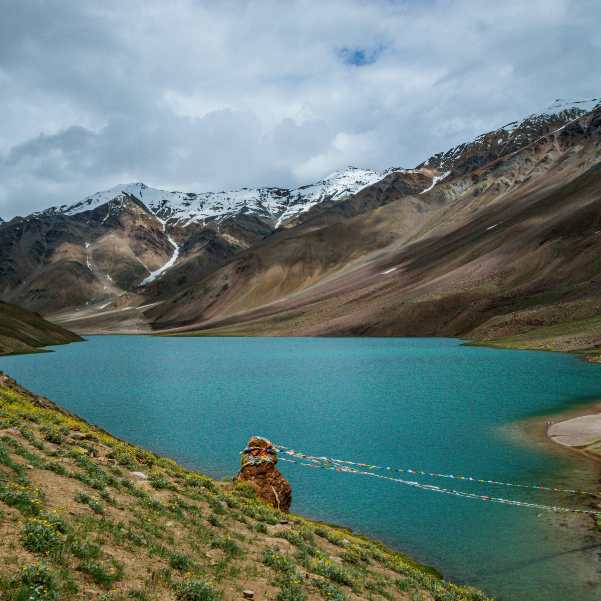
The lake doesn’t look or feel the same every month. Weather shifts, crowds come and go, and what works in June won’t work in October. Here’s what each month actually brings.
May
If the road opens, May is quiet. Very few travellers. But the weather is unpredictable. Snow is still melting. Nights are freezing. Only go if you’re comfortable with cold and uncertainty.
June
One of the best months. The road is fully open. Weather stabilizes. Nights are cold but manageable. Fewer crowds than July and August. If you want clear skies and solitude, June is ideal.
July and August
Peak season. The lake is at its bluest. The weather is warmer. But roads are packed. Campsites fill up fast. If you’re going during monsoon, be prepared for rain and possible landslides on the Manali side.
September
The sweet spot. Post-monsoon clarity. Crisp air. Stunning light. Crowds thin out. Landscape shifts toward autumn colours. September is the best month to visit chandratal lake if you can time it right. Ready to plan? See our Chandratal Tour Packages for curated itineraries.
October
Early October is still beautiful. By mid-October, temperatures drop sharply. Snow can start anytime. Be prepared for extreme cold. Late October is risky. Road could close without warning.
How to Reach Chandratal Lake
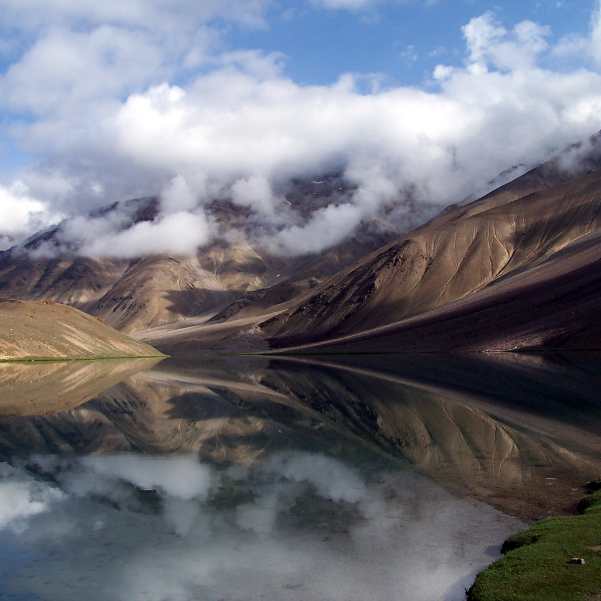
There are two main approach routes to Chandratal. The Manali route and the Kaza route. Both have pros and cons.
From Manali via Kunzum Pass
The most common route. Manali to Batal, then Batal to Chandratal. Roughly 120 kilometres total. The road is rough but doable in a sturdy vehicle.
From Kaza via Kunzum Pass
If you’re in Spiti, this route is shorter. Kaza to Chandratal is about 90 kilometres. The road is slightly better on the Spiti side, though still rough in sections. This also depends on Kunzum Pass being open. From Kaza, it takes 4 to 5 hours to reach parking.
Both routes meet at Batal. From Batal, you take a narrow road toward Chandratal. This section is slow. Rocky and uneven. Drive carefully. Once you reach the parking area, vehicles stop. It’s a 1–2 km walk from the parking/roadhead.
Parking and Trek Expectations
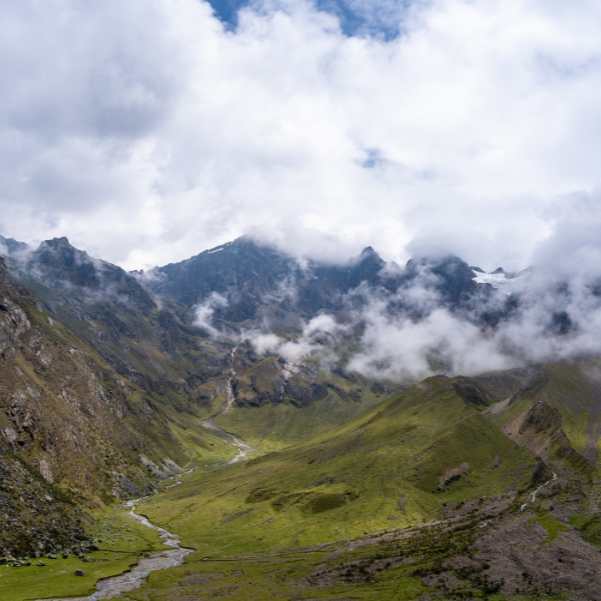
The parking area is basic. A large open space where vehicles stop. No facilities. No shade. Just gravel and dust.
The trek to the lake is straightforward. The trail follows a rough vehicle track. Not steep, but altitude makes it tiring. Take your time. Carry water. Rest when needed.
We suggest you wear sturdy shoes. The ground is rocky. Ankle support helps. Don’t underestimate how draining altitude can be, even on flat terrain.
Camping Rules at Chandratal
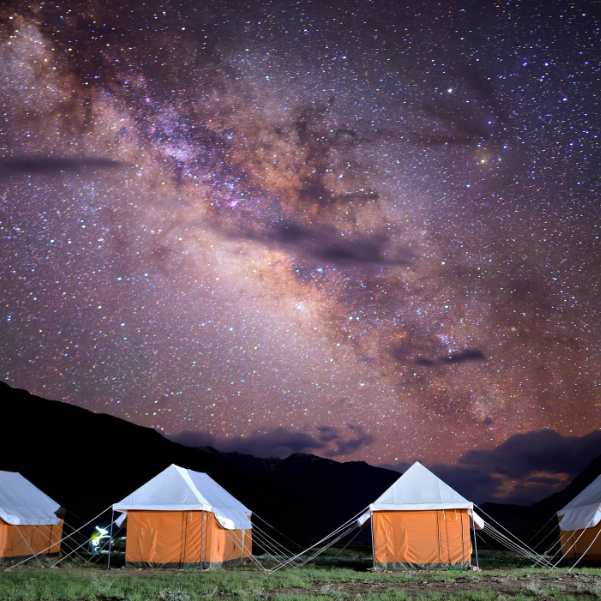
Camping at Chandratal is allowed, but only at designated campsites. You cannot pitch a tent wherever you want. The rules exist to protect the fragile ecosystem around the lake.
There are a few established campsites 2–3 km before the lake. These campsites have basic facilities. Toilets, sometimes a small dining tent, and designated camping zones. You either bring your own tent and camping gear, or you book a campsite that provides tents and meals.
Wild camping outside the designated zones is not allowed. If you’re caught camping in unauthorized areas, you’ll be fined or asked to leave. The local authorities are strict about this, and for good reason. The area is ecologically sensitive.
Campsite bookings can be done in advance through tour operators or sometimes on the spot if space is available. During peak season, advance booking is a must. Show up without a reservation in July or August and you might not find space.
Fires are generally not allowed. Use stoves if you’re cooking. Pack out all your trash. Leave no trace. This isn’t optional.
Responsible Travel Guidelines
Chandratal is one of the most pristine high-altitude lakes in India. Keeping it that way depends on how visitors behave.
Do not litter. Carry everything you bring with you back out. Every wrapper. Every bottle. Everything. There are no garbage bins at the lake. If you see trash left by others, consider picking it up. It’s not your responsibility, but it helps.
Do not wash in the lake. No soap. No shampoo. Not even “biodegradable” products. The lake is sacred to locals and ecologically sensitive. Use water from campsites for washing.
Respect the silence. Chandratal is not a party destination. Keep noise levels low. Let the place be what it is. Quiet. Peaceful. Sacred.
Follow marked trails. Don’t trample vegetation or create new paths. Stick to existing routes.
If you’re with a group, spread out your impact. Don’t all gather in one spot. Move around gently.
Photography is encouraged, but be mindful. Don’t disturb the landscape for a shot. And if locals are around, ask before photographing them.
Two Realistic Day Plans

Chandratal works two ways. You can do it in a day if you’re pressed for time, or you can camp overnight and actually feel the place. Here’s how both options look.
Plan 1: Day Trip from Manali or Kaza
Start early. Very early. Leave Manali or Kaza by 5 AM. Drive to the parking area. This takes 6 to 7 hours from Manali, 4 to 5 hours from Kaza. Arrive by late morning.
Soak it in. Take photos. Sit by the water. Then head back. You’ll arrive at Manali or Kaza late at night. It’s a long day. Exhausting. But doable if you don’t want to camp.
Plan 2: Overnight Camping
Drive to the parking area on day one. Arrive by afternoon. Trek to the lake. Set up camp at one of the designated campsites.
Spend the evening and night by the lake. Watch sunset. Watch stars. Wake up for sunrise. Spend the morning exploring the area. Pack up by midday. Trek back. Drive out. This plan is far more relaxing and lets you experience chandratal lake properly. Highly recommended if you have the time.
Temperature and Packing Reality

Chandratal is cold. Even in summer. Don’t let the daytime sun fool you. The moment it goes down, temperatures drop fast.
Daytime temperatures: 10°C to 18°C in summer months. Feels warm in direct sun. Wear layers you can remove.
Night temperatures: 0°C to minus 5°C. Sometimes colder. You will freeze if you’re not prepared.
What to pack: a good quality sleeping bag rated for subzero temperatures if you’re camping. Thermal base layers. A down jacket or heavy fleece. A windproof outer layer. Warm socks. A beanie and gloves. Sunglasses and sunscreen because UV is brutal at this altitude.
Bring a headlamp. Nights are pitch black. A water bottle. Snacks. Basic first aid kit. Any personal medication, especially for altitude sickness.
If you’re renting camping gear from tour operators, confirm what’s included. Not all rental sleeping bags are warm enough for Chandratal nights.
A Few Final Notes
Chandratal is remote. There’s no mobile network. No ATMs. No shops. Plan accordingly. Carry enough cash for permits, food, and emergencies. Download offline maps. Let someone know your travel plan before you go.
Altitude sickness is real at 4,300 metres. If you feel dizzy, nauseous, or short of breath, descend immediately. Don’t push through it. Acclimatization matters. If you’re coming straight from a lower altitude, spend a day or two at an intermediate elevation before heading to the lake.
The road to Chandratal is rough. A high-clearance vehicle is recommended. SUVs work well. Sedans will struggle. If you’re not confident driving on mountain roads, hire a local driver or join a tour.
And finally, manage your expectations around connectivity. Chandratal is where you go to disconnect. Embrace it. Put the phone away. Sit by the water. Watch the light change. That’s the whole point.
Chandratal doesn’t need much from you. Just respect. Preparation. And a willingness to slow down. Do that, and the lake gives you something you won’t forget.
Also read: Spiti Valley in October 2026: Early Snow, Fewer Crowds & Epic Views