Yes, this duration allows a comfortable pace to complete the trek while also including rest days for acclimatization. Trekkers can enjoy both the scenic trail and the surrounding high-altitude valleys without rushing.
The trek is moderately challenging. It involves long daily walks over rocky terrain, river crossings, and steep ascents to reach the pass at over 14,000 feet, making it suitable for moderately experienced trekkers.
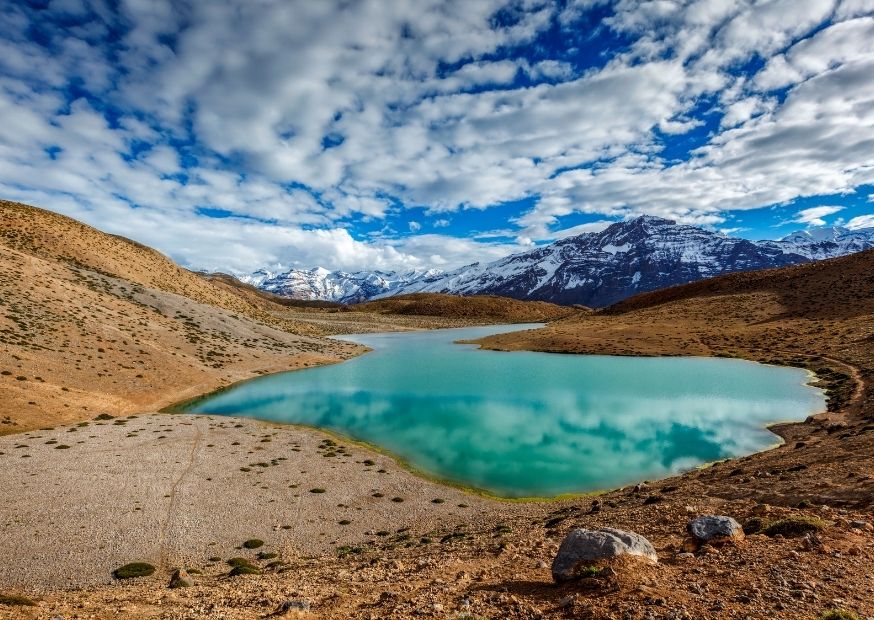
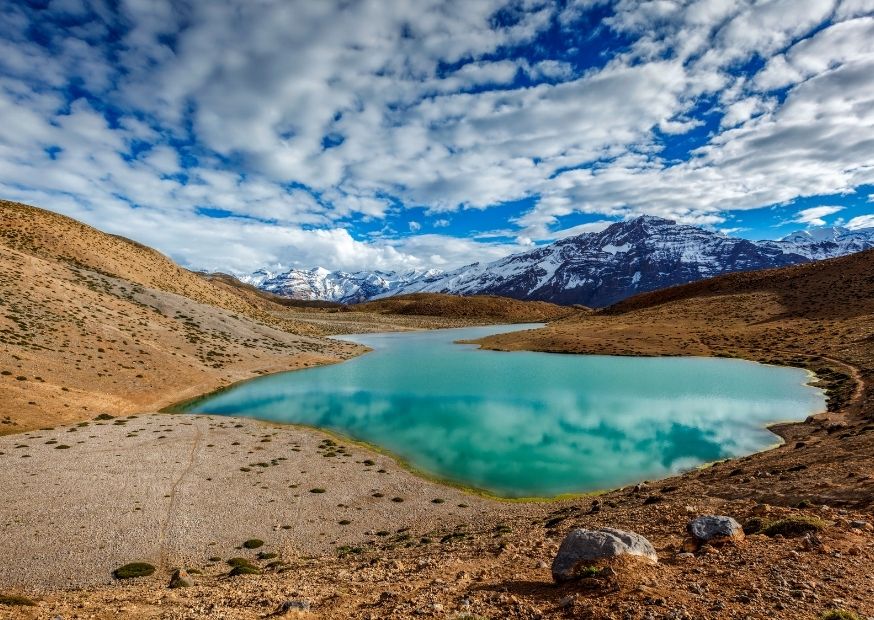
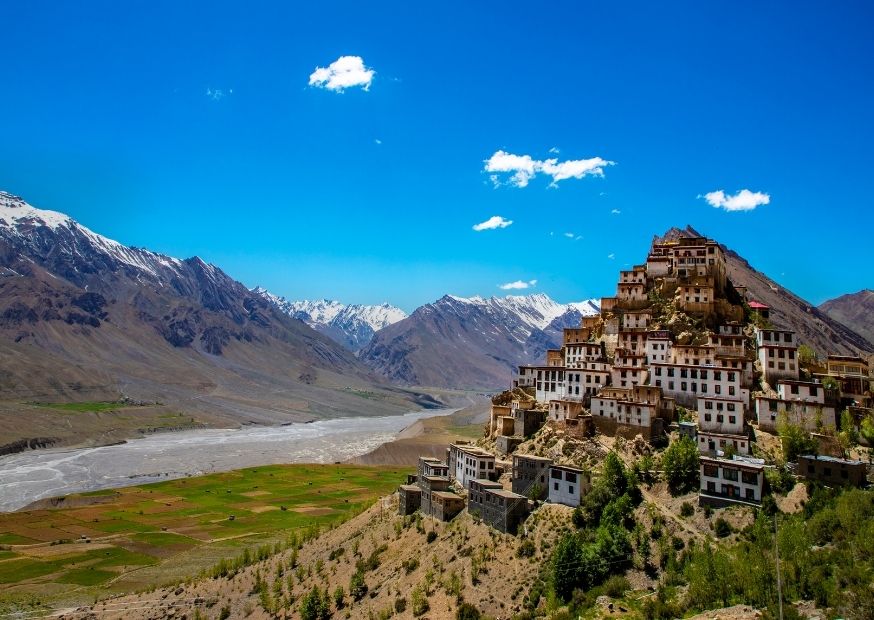
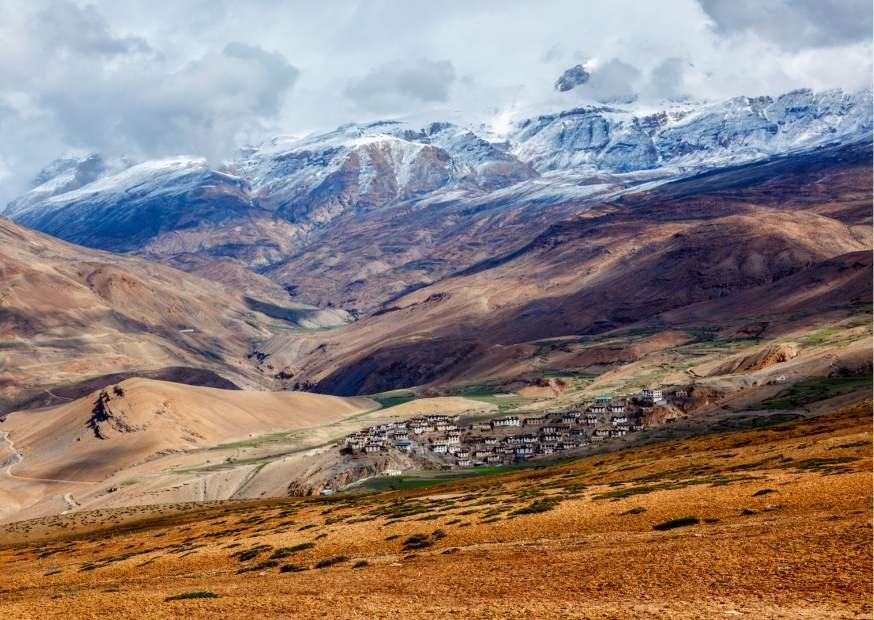
Trekkers enjoy panoramic views of snow-capped peaks, glacial streams, alpine meadows, and the dramatic Bhaba Valley. Crossing the Bhaba Pass itself offers one of the most rewarding and photogenic experiences.
What is the total distance and elevation gain during this trek?
Over 6 nights and 7 days, trekkers cover approximately 50–55 km. The elevation gain from the Bhaba base camp to the pass is around 4,000–4,200 feet, offering panoramic high-altitude views.
Hiring a local guide is strongly recommended for safety and navigation. Porters are optional but useful for carrying heavier luggage, allowing trekkers to focus on trekking comfortably.
The trek is suitable for moderately experienced trekkers. Absolute beginners may find it challenging due to high altitude and long daily distances, but with a guide and good fitness, it is achievable.
Yes, since the pass is above 14,000 feet. Gradual ascent, proper hydration, and pacing yourself during climbs are crucial to minimize the risk of altitude sickness.