
If you are flying out of Kolkata and dreaming of Kaza, the real question is not how to reach Spiti. It is where you should sleep on each night so your body has time to catch up. Kolkata sits near sea level, and Spiti crosses well above 14,000 feet. That gap is the whole problem, and pacing your sleeping altitude is how you handle it.
We plan this exact trip for Bengali travellers every season, and the mistake we see most often is people treating the flight as an acclimatisation day. It is not. This guide lays out a more conservative route from Kolkata built around progressive sleeping altitude and standard high-altitude guidance. It will not guarantee you avoid altitude sickness, but it stacks the odds in your favour.
Quick Answer: What Is a Safer Acclimatization Route from Kolkata to Spiti?
A practical, conservative framework is Kolkata to Chandigarh, then Shimla, Reckong Peo, Tabo and Kaza, assuming a workable Chandigarh flight fits your dates. If it does not, Delhi works as the backup gateway.
Our suggested sleeping sequence is simple: one night in Shimla, two nights in Reckong Peo, two nights in Tabo, then Kaza with an easy first full day there. You sleep low first, climb in small steps, and give your body the extra nights it needs before Kaza.
This reduces the abrupt sleeping-altitude jumps that catch first-timers off guard. It cannot promise prevention of altitude sickness, but it is far kinder to a body that woke up near sea level a couple of days earlier.
If you would rather have this handled end to end, our Spiti Valley packages from Kolkata are built around this same slow, altitude-safe pacing.
Why Does Flying from Near Sea Level in Kolkata Change Your Spiti Plan?
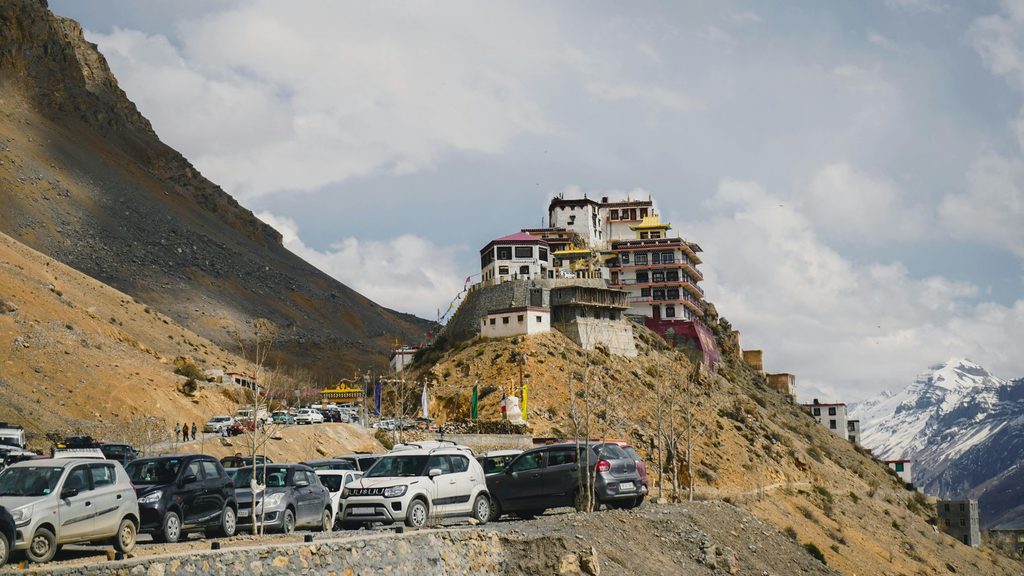
We treat Kolkata as a near sea-level starting point. That single fact changes everything about how you should pace the trip. When you start low, the first three to five days matter most for acute acclimatisation, so that window is where your itinerary should be gentlest.
A few hours in a pressurised aircraft cabin do not count as altitude prep. Cabins commonly feel like roughly 1,830 to 2,440 metres, but that is a short exposure with cabin pressure doing the work. It is nothing like spending a night actually sleeping at that height. Do not let the flight fool you into thinking you have already started adjusting.
The most useful distinction to hold in your head is daytime altitude versus sleeping altitude. You can drive high and sightsee high during the day, but where you sleep is what your body has to adapt to. That is why every good Kolkata-to-Spiti plan is designed around sleeping altitude first, sightseeing second.
Why Is the Shimla-Kinnaur Route Usually Better for Gradual Acclimatisation Than Entering from Manali?
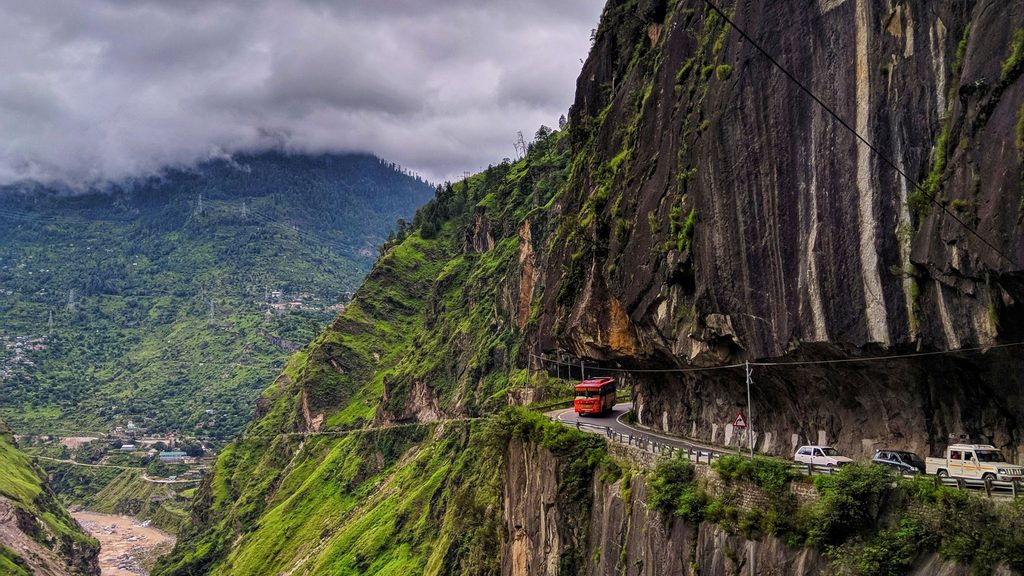
The Shimla and Kinnaur approach gives you real chances to sleep around 2,200 to 2,750 metres for a few nights before you ever enter Spiti proper. That staged climb is exactly what a sea-level body needs.
The Manali side does not offer that cushion in the same way. You gain altitude fast, and Kunzum La sits at roughly 4,550 metres, which is a big jump if you have not slept high for several nights first.
We are not saying the Shimla route is risk-free or always open. Kinnaur has its own landslide-prone stretches. What we are saying is that its altitude profile suits a slow, staged approach from Kolkata far better than a quick Manali entry.
You can see how we structure the early nights in our Shimla tour packages, and the lower Kinnaur stops sit inside our Kinnaur Valley tours.
If you want the two approaches compared honestly, read our take on the Shimla vs Manali route to Spiti for first-time travellers.
What Should a Day by Day Kolkata to Spiti Acclimatisation Route Look Like?
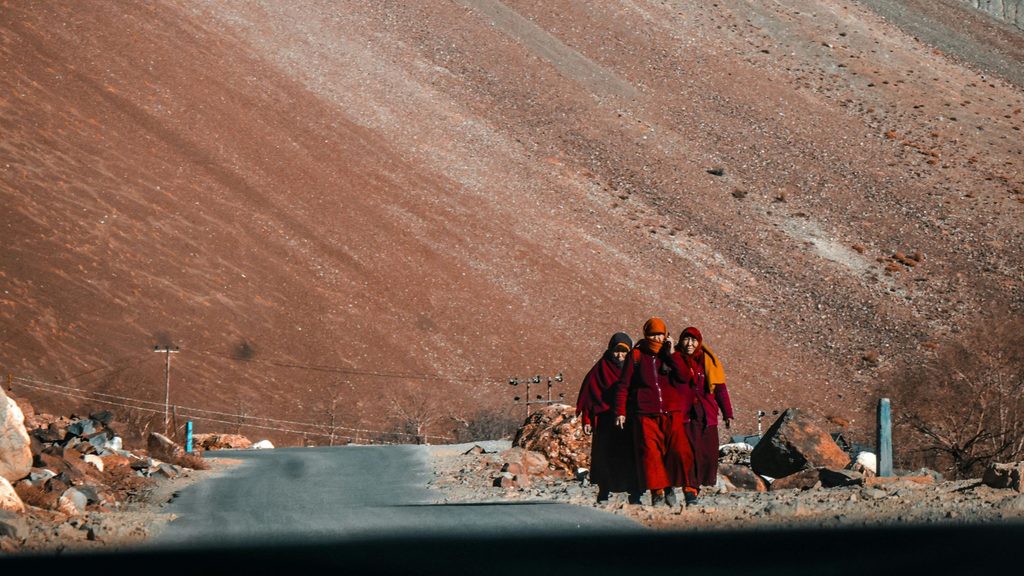
Day 1: Kolkata to Chandigarh, Then Shimla
Fly north early and use the day to gain a little height gently. Flight schedules change constantly, so check your live options rather than trusting any fixed claim about a daily Kolkata to Chandigarh flight.
If a workable Chandigarh flight fits your dates, use Chandigarh as your road gateway because it cuts road hours. If not, fly to Delhi instead and start the drive from there. Either way, sleep around Shimla on night one rather than forcing a brutal onward road day when your body is fresh off a flight.
Shimla sits at roughly 2,200 metres (the government figure used in our research is about 2,206 metres). That is a comfortable first sleeping height after sea level.
Days 2 and 3: Shimla to Reckong Peo
Reckong Peo is officially listed at 2,670 metres, and it is about 235 kilometres from Shimla. This is a long, winding drive, so give it the day it deserves.
Two nights here is the heart of this framework. Standard CDC guidance notes that spending two to three nights around 2,450 to 2,750 metres before going higher can be markedly protective against acute mountain sickness compared with a rapid ascent. Reckong Peo lands neatly in that band, which is exactly why we build in the extra night.
Kalpa sits at 2,759 metres and is only about 14 kilometres from Reckong Peo, so you can visit it as an easy day trip instead of changing hotels. Our insider tip: base yourself in Peo and drive up to Kalpa for the Kinner Kailash views at first light, when the peaks glow and the crowds have not arrived. If you want ideas, see the 15 best places to visit in Kalpa within 10 km.
Days 4 and 5: Reckong Peo to Tabo
Tabo sits at approximately 3,050 metres. The second Tabo night is deliberate, not padding. Once you are sleeping above 3,000 metres, you have entered the part of the trip where altitude gain deserves real respect, and an extra night here settles your body before Kaza.
Nako sits higher, at about 3,662 metres. We do not automatically send you to sleep at Nako just because it lies on the route. If you stop at Nako, treat it as an optional daytime break depending on road conditions and how you feel, then continue down to the lower Tabo base for the night.
What we tell our travellers here is simple: eat light, drink more water than feels normal, skip alcohol, and do not treat the Tabo monastery visit as a workout. A calm evening at 3,050 metres does more for your trip than an ambitious one.
Day 6: Tabo to Kaza
Tabo to Kaza is a short hop, about 50 km [VERIFY], and sources differ slightly on the exact figure. Keep this arrival day easy.
We are not quoting a precise Kaza altitude because published sources conflict [VERIFY exact Kaza altitude]. What matters more than the number is your behaviour on arrival: do not push straight up to the highest surrounding villages the moment you reach Kaza. Settle in, rest, and let the day stay slow.
Day 7: Keep Kaza Easy
Make your first full day in and around Kaza a relaxed one. This is not the day to race to Komic, Hikkim or Langza. Wander Kaza, visit the nearby market and monastery, and let your body confirm it is comfortable at this height before you climb any higher.
If altitude symptoms show up, authoritative guidance is clear: do not ascend to a higher sleeping altitude while you still have symptoms. If things get worse despite resting at the same height, descending and getting appropriate medical help comes before finishing any itinerary. The trip can wait. Your health cannot.
Talk to our Himachal team and we will map your exact Kolkata dates onto a sleeping-altitude plan that does not rush the first week.
Why Might Nako Be Better as a Day Stop Than an Early Overnight?
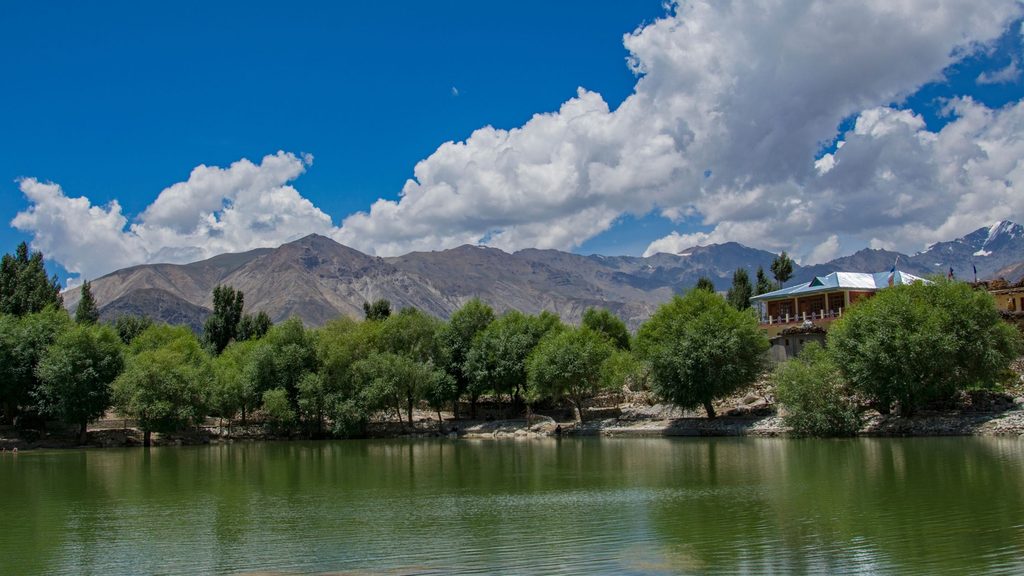
This is the single insight most generic Kolkata-to-Spiti guides get wrong, and it is worth slowing down for.
The altitude contrast is the whole point. Nako is about 3,662 metres. Tabo is about 3,050 metres. That is a meaningful gap of over 600 metres in sleeping height.
A road itinerary does not have to sleep in every pretty place it passes. Nako is beautiful, and stopping there for a walk around the lake and a chai break is genuinely worth it. But for a body that started near sea level in Kolkata, choosing the lower Tabo base for the night keeps your sleeping-altitude curve gentler.
To be clear, this is an itinerary design choice, not a claim that Nako is unsafe. Plenty of acclimatised travellers sleep at Nako happily. For this specific conservative route from Kolkata, we simply prefer the lower base. Keep Nako in your day, keep Tabo for your night.
What Should You Avoid During Your First 24 to 48 Hours in Kaza?
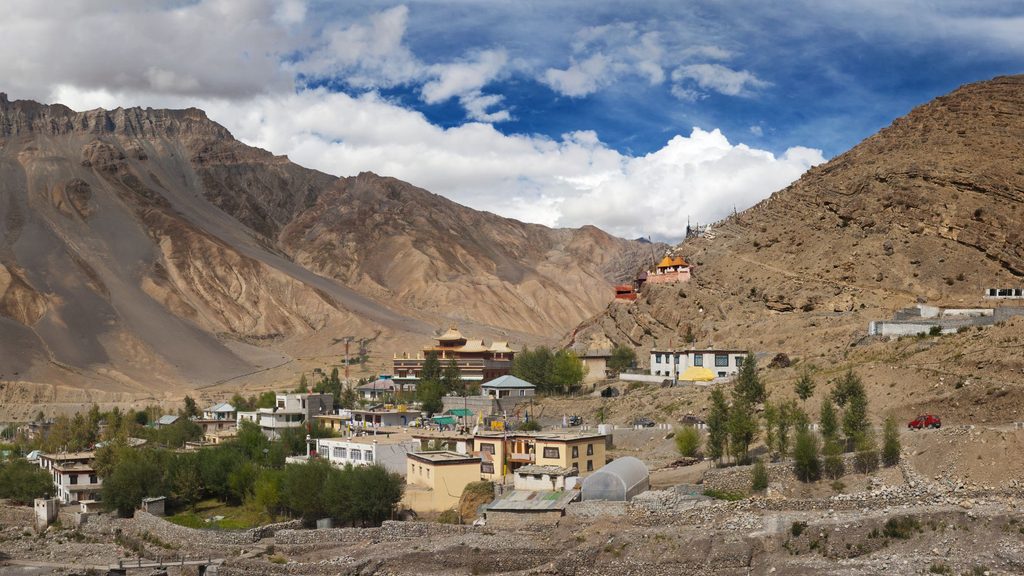
Keep the schedule light. The temptation is to arrive in Kaza and immediately book the highest villages for bragging rights. Resist it. CDC guidance supports easier activity during your first period at altitude and advises against moving to a higher sleeping altitude while symptomatic.
On the practical side, it helps to know where medical support sits. Kaza has a Community Health Centre, and Tabo has a Primary Health Centre. We mention this so you can plan calmly, not to worry you. We do not give medicine doses, and you should not self-medicate. If you have any doubt, talk to a doctor before the trip.
If you want the full picture on prevention and symptoms, our guide on how to avoid altitude sickness in Spiti walks through it in plain language.
When Should You Add High Villages, Kunzum Pass and Chandratal?
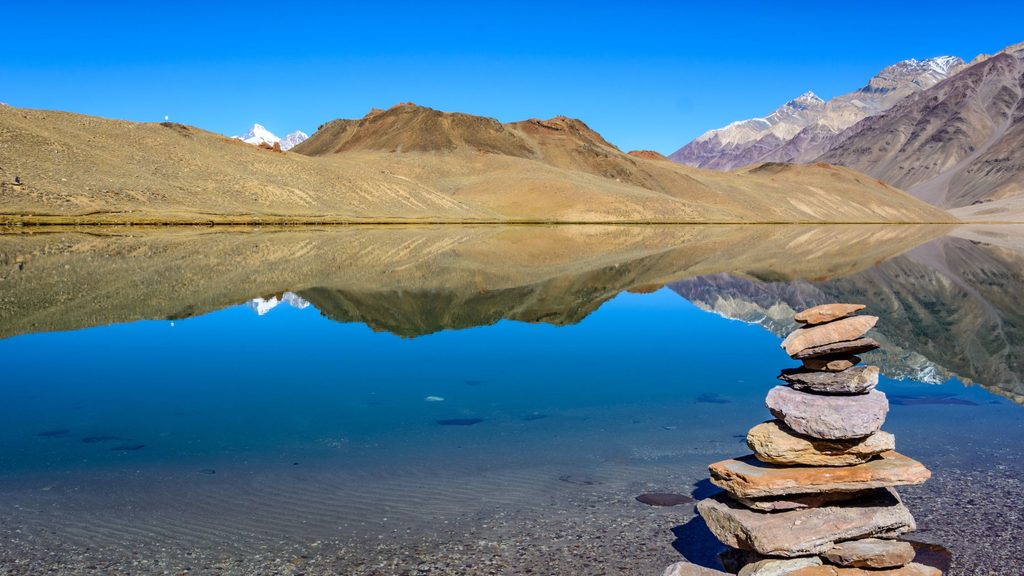
Save the high-altitude sightseeing for later in the trip, once you have already spent time around Kaza and are feeling genuinely well. That is when Hikkim, Komic, Langza and the passes become a joy rather than a gamble.
Remember that Kunzum La is about 4,550 metres. That single number is one reason we do not automatically pick the Manali side just because it looks shorter on a map. A high pass early in the trip is exactly what a sea-level body does not need.
Chandratal and any Manali-side exit depend entirely on seasonal and current road conditions. Check our Chandratal opening status for 2026 before you commit, and if you want the lake built into a proper acclimatised loop, look at our summer Spiti circuit with Chandratal. If you exit towards Manali, a night at Sissu in Lahaul breaks the descent nicely.
What If You Have Only 7 to 9 Days from Kolkata?
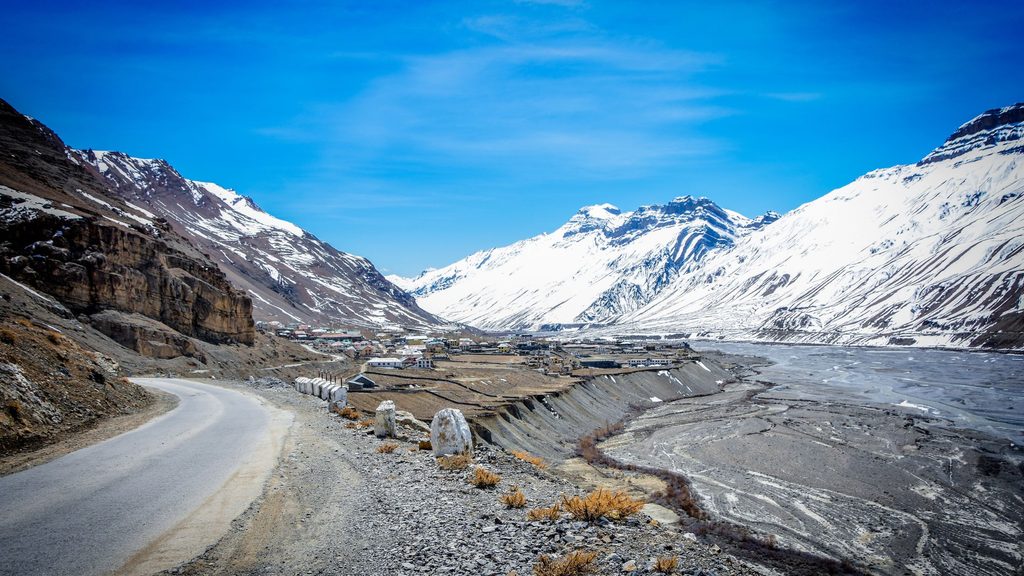
Good news: the conservative route above already reaches Kaza on Day 6 and keeps Day 7 deliberately light, so a well-planned trip fits inside this window. We do not push a universal minimum trip length as some medical rule. We push sensible trade-offs.
When leave is tight, cut sightseeing stops, not acclimatisation nights. It is far smarter to drop a village or two than to compress your Shimla, Reckong Peo and Tabo bases just to squeeze in Chandratal or a Manali exit. Those extra nights lower down are doing the quiet work that keeps your trip enjoyable.
If live road conditions or a short calendar make a full circuit unrealistic, simply return the way you came, through the Shimla side. Backtracking is not a failure. A clean out-and-back through Kinnaur is a perfectly good trip, and often the safer call. Our 7-day Spiti itinerary with costs shows how the days can flex.
What Road and Permit Checks Matter for Spiti in 2026?
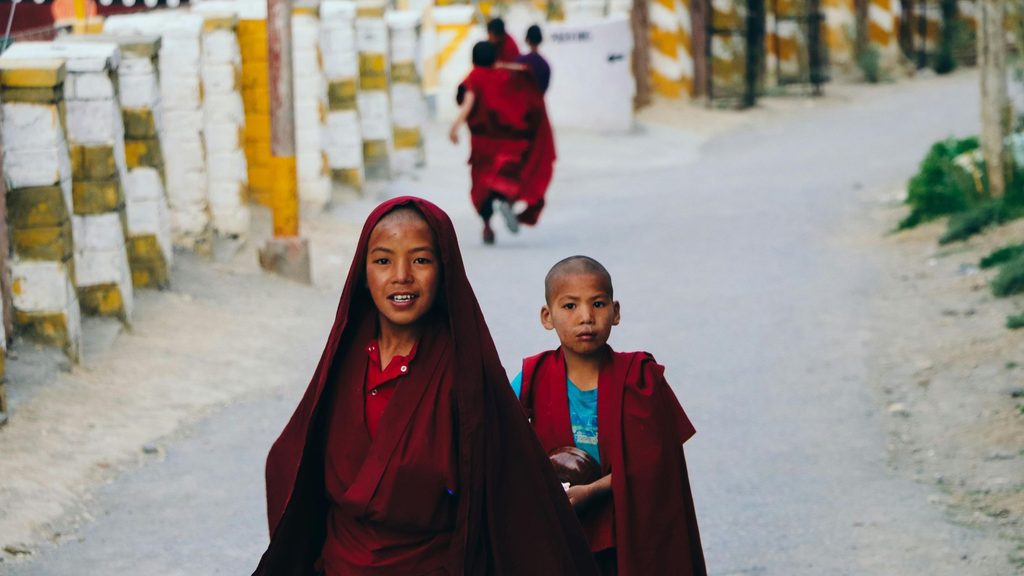
The official Lahaul and Spiti district website lists Shimla to Kaza as about 412 kilometres and roughly 20 hours of road travel, excluding an overnight halt. The district describes this approach as almost all-weather, but do not read that as a promise of zero closures. Mountains do what they want.
The Manali side has conflicting current status, so verify it live before you depend on it. The official Lahaul and Spiti English road status page updated 20 August 2026 showed Keylong to Kaza CLOSED. An older official update dated 6 August 2026 had shown it OPEN, and a private road update dated 22 August 2026 also reported it open. We will not tell you it is definitely open. Check the official status the day before and the morning you leave.
Kinnaur is not immune either. In August 2026 the district issued traffic regulation and temporary road closure notices affecting NH 05 locations including Nigulsari and Nathpa, with regulation around the Urni Dank stretch. That is normal for this route, so build in a buffer day. Our Shimla to Kaza road status 2026 update and Manali to Kaza road status 2026 update track these closures for you.
On permits, the simple version: Indian citizens do not need a permit merely to enter Spiti Valley. Foreign visitors passing through protected sections on the Shimla and Kinnaur approach are subject to protected-area requirements, so if you are a foreign national, verify the current procedure rather than trusting an old fee quoted online. Our Spiti Valley permits guide for 2026 keeps this current.
Who Should Build Even More Buffer into the Route?
If you have had altitude illness before, or you have a relevant medical condition, speak to an appropriate doctor before committing to a high-altitude trip. That conversation is worth more than any itinerary tweak we can offer.
First-time high-altitude travellers, families with kids or older parents, and anyone with rigid onward bookings will also find extra buffer days genuinely useful from a planning point of view. We are not diagnosing anyone’s personal risk here, just flagging who tends to benefit from a slower schedule.
Solo travellers often ask us about this too. If that is you, our honest guide on whether Spiti is safe for solo female travellers covers the practical side, including pacing and stays.
Common Mistakes Kolkata Travellers Make When Planning Spiti
The first mistake is treating the flight as a complete acclimatisation day. It is not. A cabin is not a mountain, and a few hours pressurised does not equal a night slept high.
The second is sleeping too high too early simply because a famous name sits next on the map. This is the Nako trap. Just because you pass a higher village does not mean you should sleep there.
The third is choosing the Manali approach only because the driving distance looks shorter. Shorter on a map often means a harder, faster altitude gain over Kunzum La, which is the opposite of what a sea-level body wants.
The fourth is heading straight for the highest villages the moment you reach Kaza. Give it a day. Hikkim and Komic will still be there tomorrow, and you will enjoy them far more when you are not gasping.
The fifth is locking in Chandratal and a Manali exit without checking current road conditions. As the conflicting August 2026 statuses show, that stretch changes fast. A good Spiti plan responds to both your body and live mountain road access, not a rigid checklist. When in doubt, talk to our Himachal team and we will adjust the route to whatever the roads and your dates actually allow.
Frequently Asked Questions
How many days should someone coming from near sea level in Kolkata take to acclimatise for Spiti?
Our conservative framework reaches Kaza on Day 6 and keeps Day 7 light, so plan for a trip that gives you those slow early nights in Shimla, Reckong Peo and Tabo. When leave is short, cut sightseeing rather than acclimatisation nights.
Which route is better for acclimatisation from Kolkata, Shimla or Manali?
The Shimla-Kinnaur route, for most first-timers from sea level. It lets you sleep around 2,200 to 2,750 metres for several nights before Spiti, while the Manali side pushes you fast over Kunzum La at about 4,550 metres.
Is one night in Manali enough before travelling to Kaza?
For a body fresh from sea level, one Manali night before a fast climb over Kunzum La is a big ask. The staged Shimla-side sleeping sequence is the more conservative choice.
Can I fly from Kolkata and reach Narkanda or Kalpa on the same day?
Flight schedules change, so verify live options. Even if you land early, we suggest sleeping around Shimla on night one rather than forcing a very long onward drive to Kalpa the same day.
Is Nako a good early overnight stop?
For this conservative route, we prefer Nako as a daytime stop at about 3,662 metres and Tabo at about 3,050 metres for the night. Enjoy Nako by day, sleep lower at Tabo.
Can you get altitude sickness in Kaza?
Yes, altitude sickness is possible at Kaza height, especially if you climbed fast without acclimatising. Keep your first day easy, and do not ascend higher while you have symptoms.
Should I visit Hikkim, Komic or other high villages on my first day in Kaza?
No. Keep your first full day in Kaza relaxed and add the higher villages later, once you have confirmed you feel well at Kaza height.
Do Indian travellers need a permit for Spiti in 2026?
No. Indian citizens do not need a permit simply to enter Spiti Valley. Foreign visitors on protected sections of the Shimla-Kinnaur route should verify current protected-area requirements before travel.
Is the Shimla to Kaza road open throughout 2026?
It is described as almost all-weather, but not immune to closures. Kinnaur had active regulation and temporary closures on NH 05 in August 2026, so always check the official status close to departure and keep a buffer day.
Can I enter through Shimla and exit through Manali?
Sometimes, depending on live road conditions. The Manali side had conflicting status in August 2026, so verify it immediately before you rely on it. If it is unclear, returning via Shimla is the safer plan.
What should I do if altitude sickness symptoms start?
Stop ascending to a higher sleeping altitude while symptomatic. Rest at the same height, hydrate, and if symptoms worsen despite rest, descend and seek appropriate medical help before continuing. This is a sensitive health topic, so if you are worried about your own risk, please speak with a doctor before the trip.
Is a 7 to 9 day Spiti trip from Kolkata too rushed?
Not necessarily. The conservative route fits inside that window if you protect the acclimatisation nights and trim sightseeing instead. Rushing only becomes a problem when you compress the low-altitude bases to save time.
Also read: Chandratal in October 2026: Is It Open, Safe and Worth Visiting?