
Both Spiti Valley and Ladakh show up in the same Pinterest boards, the same Instagram reels, and the same bucket lists. Both involve high altitude desert landscapes, ancient monasteries, and roads that look like they were drawn by someone who had never seen flat ground. So when you are trying to choose between Spiti Valley vs Ladakh, the confusion makes complete sense.
Here is the short, honest answer. Choose Spiti if you want a quieter, more intimate trip with fewer tourists, village level cultural immersion, and a road journey you can do entirely without a flight from most north Indian cities. Choose Ladakh if you want a grander scale of landscape, more variety in terrain and activities, better tourism infrastructure, and the option to fly in and save time. Spiti tends to cost less overall. Ladakh offers more convenience. Both are extraordinary, but they are very different experiences.
We have helped hundreds of travelers make this exact decision. This guide breaks down every factor that actually matters when planning: cost, road trip experience, beauty, comfort, altitude, couples suitability, season, and travel style. No vague answers. Just practical help from people who know both destinations well.
Spiti Valley vs Ladakh: How They Compare at a Glance
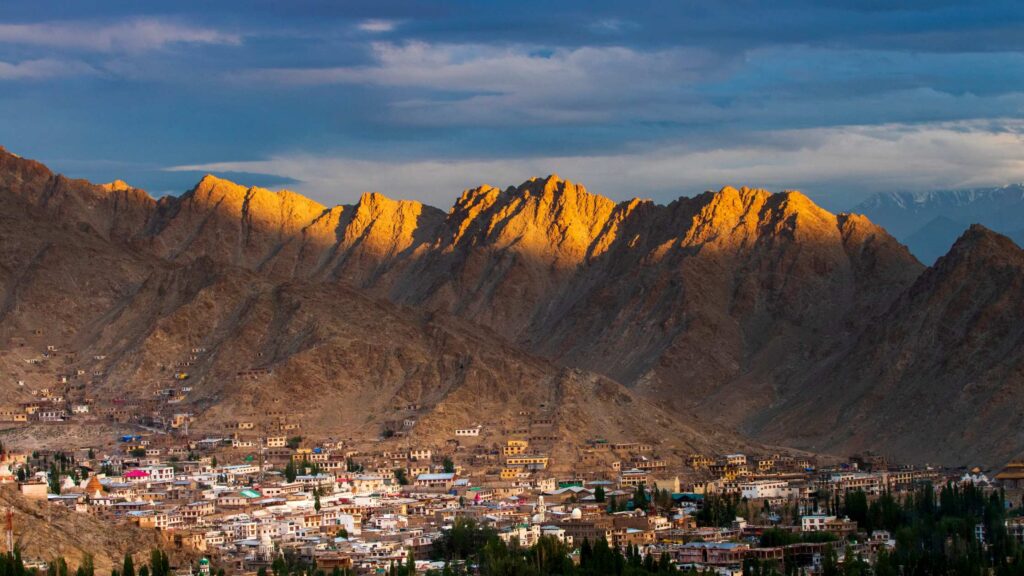
Instead of a long table, here is a quick rundown of where each destination has the edge.
For first timers, Ladakh is slightly easier because you can fly to Leh and skip the road approach. But Spiti via the Shimla route offers gentler altitude gain, which is easier on your body.
For road trips, both are outstanding. Spiti offers more variety, fewer tourists on the road, and a journey that feels more personal. Ladakh offers the iconic Manali to Leh highway and classic high pass crossings.
For couples, Spiti tends to win. It is slower, quieter, more personal, and built around village homestays that create real intimacy.
For families, Ladakh works better. Flight access, wider hotel choices, and more established infrastructure make logistics easier with kids or older members.
For bikers, Ladakh is the classic route with famous passes. Spiti is rawer, emptier, and more challenging.
For photographers, both deliver. Ladakh gives you grand scale and iconic frames. Spiti gives you texture, light, and human stories.
For budget travelers, Spiti is usually cheaper. Lower transport costs, affordable homestays, and no flight dependency keep the overall spend down.
For comfort seekers, Ladakh has more hotel options, especially in Leh. Spiti’s stays are simpler but emotionally richer.
For shorter trips, Ladakh can work in 5 to 7 days with a flight. Spiti needs at least 7 days to do justice.
Crowd levels: Spiti is significantly less crowded than Ladakh, especially during peak months of July and August.
Approximate cost for 7 to 9 days: Spiti runs roughly Rs 15,000 to 40,000 per person. Ladakh runs Rs 25,000 to 60,000 per person, depending on travel style.
Overall vibe: Spiti feels quiet, reflective, and raw. Ladakh feels adventurous, grand, and more social.
Quick Decision: Choose Spiti or Ladakh?
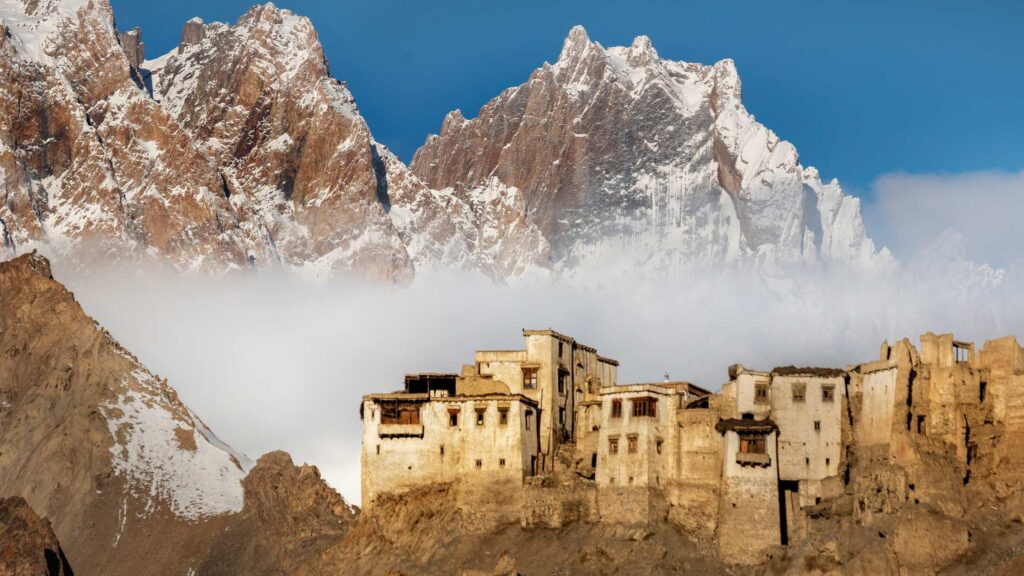
Choose Spiti if…
- You want fewer crowds and a genuine off the grid feeling
- You prefer village homestays over hotel rooms
- You enjoy slow travel and do not need every hour packed
- You want to skip flights and enjoy the full road journey from Delhi or Chandigarh
- You are on a tighter budget
- You are traveling as a couple and want something quiet and deeply personal
- You have 7 to 10 days and want depth rather than breadth
Choose Ladakh if…
- You want dramatic, iconic landscapes at a massive scale like Pangong, Nubra, Khardung La
- You have fewer days and want to fly in to save time
- You prefer more comfort options and established tourism infrastructure
- You are traveling with family including older members or young children
- You want more activity variety like rafting, camel rides, ATV rides, biking famous passes
- You enjoy a more social travel atmosphere with other tourists around
Accessibility and How You Actually Get There
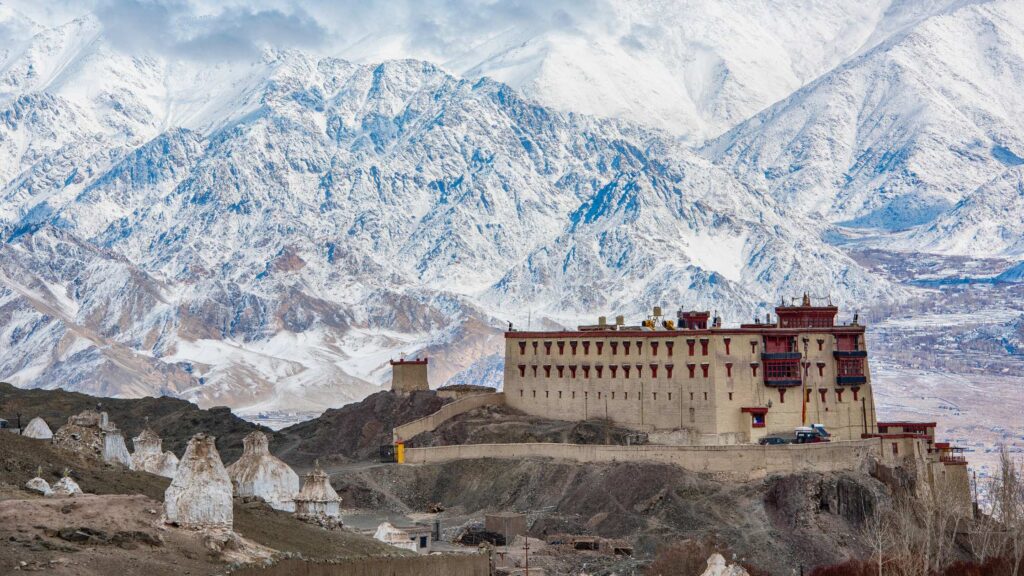
This is where the practical difference hits hardest. It often becomes the deciding factor.
Ladakh has one clear advantage: you can fly to Leh from Delhi in about 90 minutes. That single fact makes it accessible to people on tight leave schedules. You land, acclimatize for a day or two, and start exploring. If you prefer a road trip, you have two legendary routes, the Manali to Leh Highway and the Srinagar to Leh Highway, both open roughly from June to October.
Spiti has no airport. No shortcut. You either drive from Shimla through Kinnaur, which takes about two days to reach Kaza and is open year round, or enter from Manali via Rohtang and Kunzum Pass, which is seasonal and typically opens in late June. For many travelers, this is actually the appeal. The journey into Spiti is part of the experience, not just a commute. But if you only have five or six days, Spiti is hard to do properly.
If time is tight, Ladakh wins on access. If you have seven or more days and you enjoy road travel, Spiti rewards you with a journey that feels earned.
Spiti vs Ladakh Road Trip Experience
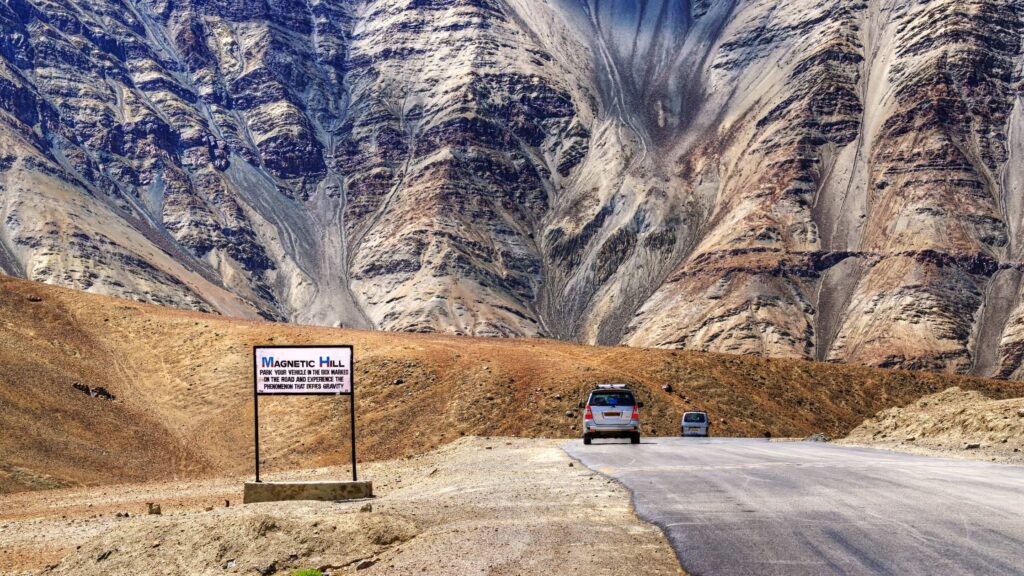
Both routes rank among the greatest road trips in India. But they feel very different once you are behind the wheel or on the back of a bike.
The Manali to Leh Highway is probably the most famous road trip in the country. You cross multiple high passes above 4,000 metres, ride through vast open valleys, camp by mountain streams, and cover roughly 470 km of dramatic terrain. It is thrilling, social (you will see plenty of other travelers), and visually overwhelming. The Srinagar to Leh Highway offers a different texture with greener landscapes, Kashmiri villages, and the approach through Kargil.
The Spiti road trip, especially the Shimla to Kaza to Manali circuit, is a slower burn. The road through Kinnaur winds along deep gorges, passes through apple orchards, crosses the Spiti River valley, and gradually climbs into the cold desert. The landscape builds over days. Each morning looks different from the last. And the roads are narrower, rougher, and significantly emptier. You see fewer other tourists and more local life unfolding at its own pace.
If you want the adrenaline of high passes and classic biking culture, Ladakh delivers that in full. If you want a road trip that feels more varied, more personal, and where the landscape unfolds slowly rather than hitting you all at once, Spiti is hard to beat.
Which Is More Beautiful: Spiti or Ladakh?
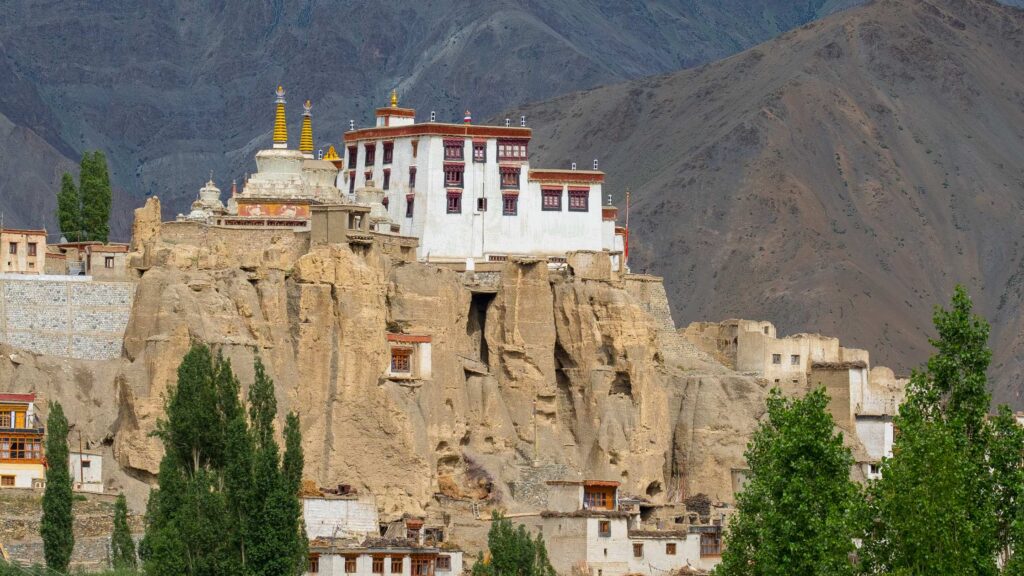
This question comes up constantly, and the honest answer is that they offer two completely different kinds of beauty. Choosing one over the other says more about your travel personality than about the places themselves.
Ladakh is beauty on a cinematic scale. The turquoise of Pangong Lake against brown mountains. The sand dunes of Nubra Valley with double humped camels walking across them. Prayer flags snapping in the wind at passes above 5,000 metres. If you respond to wide angle, dramatic landscapes that make you feel tiny, Ladakh delivers that feeling consistently across multiple days.
Spiti is beauty on a human scale. A mud brick village clinging to a cliff face. The silhouette of Key Monastery against an evening sky with no one else around. Fossil studded hillsides in Langza with a Buddha statue watching over the valley. The light hitting the Spiti River gorge at dawn when you are the only person awake. Spiti’s beauty is quieter. It asks you to slow down and look carefully. Many travelers who have done both say Spiti surprised them more, precisely because they did not expect it to move them the way it did.
If you want the postcard shots, Ladakh will not disappoint. If you want the kind of beauty that grows on you over several days and stays with you much longer after you get home, Spiti has that quality in abundance.
Spiti vs Ladakh Cost in 2026
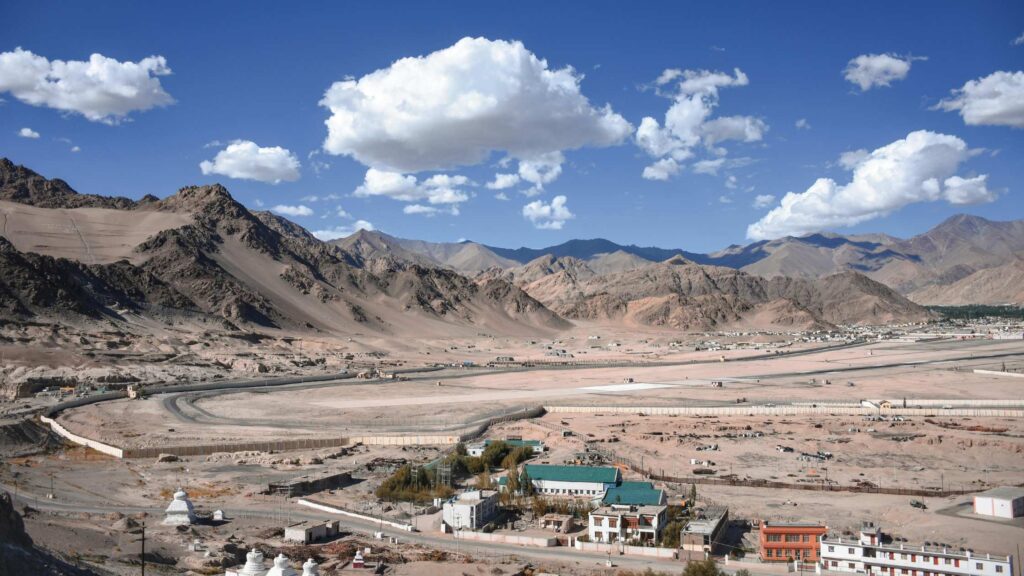
Budget matters to most Indian travelers, and this is where Spiti often has a genuine, practical edge.
Budget travelers using public transport and shared stays
A 7 to 9 day Spiti trip using HRTC buses and budget homestays can cost as little as Rs 15,000 to 20,000 per person from Delhi. A similar duration Ladakh trip using shared transport and guesthouses starts closer to Rs 20,000 to 30,000, partly because of the longer distances and higher accommodation costs in Leh during peak season.
Couples on a private trip
A private cab based Spiti circuit for a couple typically runs Rs 30,000 to 45,000 per person including transport, stays, and food. A Ladakh trip of the same style and duration usually costs Rs 40,000 to 60,000 per person, especially once you include Pangong and Nubra circuits with their separate taxi charges.
Group tours with an operator
Group tours to Spiti start around Rs 18,000 to 25,000 per person for 7 days. Comparable Ladakh group packages typically begin at Rs 22,000 to 35,000, though this varies based on inclusions.
Why does Ladakh tend to cost more? Flights to Leh are expensive during peak season. Taxi union rates in Ladakh are higher. Accommodation in Leh and popular circuits has become pricier as tourism grows year over year. Fuel costs are higher due to longer distances. And various permits add up.
That said, Spiti is not always dramatically cheaper. If you choose premium stays, hire a private SUV for a small group, or do a very short trip that does not spread transport costs across many days, the gap narrows. The key difference is that Spiti gives budget travelers more room to keep costs genuinely low without sacrificing the quality of the experience.
Altitude, Acclimatisation, and Physical Difficulty
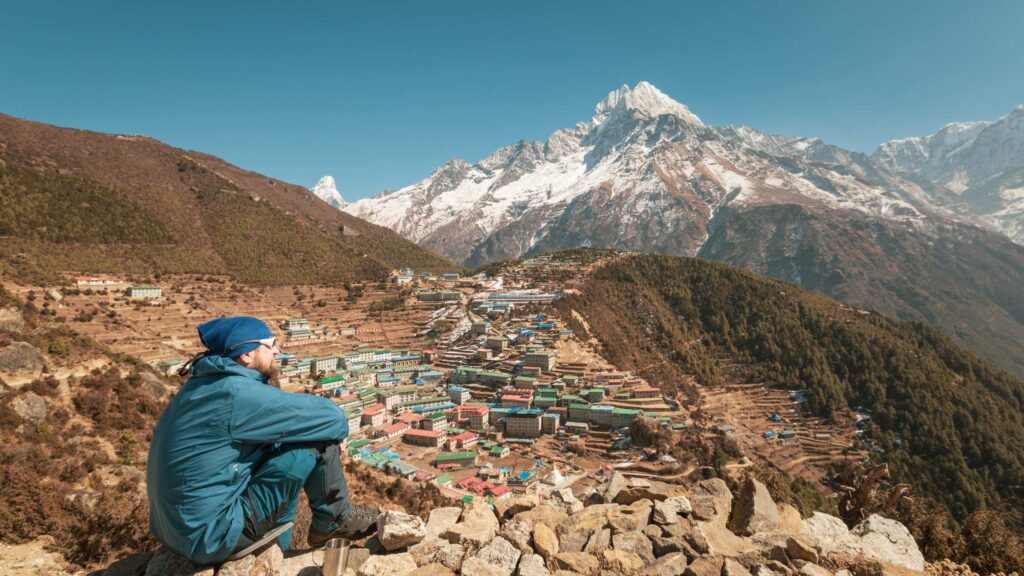
Both destinations sit at serious altitude, so do not take this lightly regardless of which one you pick.
Ladakh: Leh sits at roughly 3,500 metres. If you fly in, your body goes from near sea level to 3,500 metres in 90 minutes with zero adjustment time. This is why most travelers need one to two full rest days in Leh before doing anything active. Pangong Lake sits above 4,300 metres. Khardung La crosses 5,300 metres. Altitude sickness is a real concern, and every season, travelers underestimate it and suffer for it.
Spiti: Kaza is at about 3,800 metres, which is actually higher than Leh. But the critical difference is the approach. If you enter via the Shimla Kinnaur route, you gain altitude gradually over two to three days. Your body adjusts naturally as you climb through Narkanda, Rampur, Kalpa, and Reckong Peo. By the time you reach Kaza, you have had days of natural acclimatisation. This makes the Shimla route significantly gentler for first timers and people worried about altitude.
If altitude anxiety is a factor for you, Spiti via the Shimla route is the safer, more forgiving choice. If you are flying into Ladakh, plan at least two rest days before heading to high altitude circuits. Rushing to Pangong or Khardung La on day one is the single most common mistake travelers make, and it can genuinely ruin the trip.
Best Time to Visit: Spiti vs Ladakh by Season
May to June
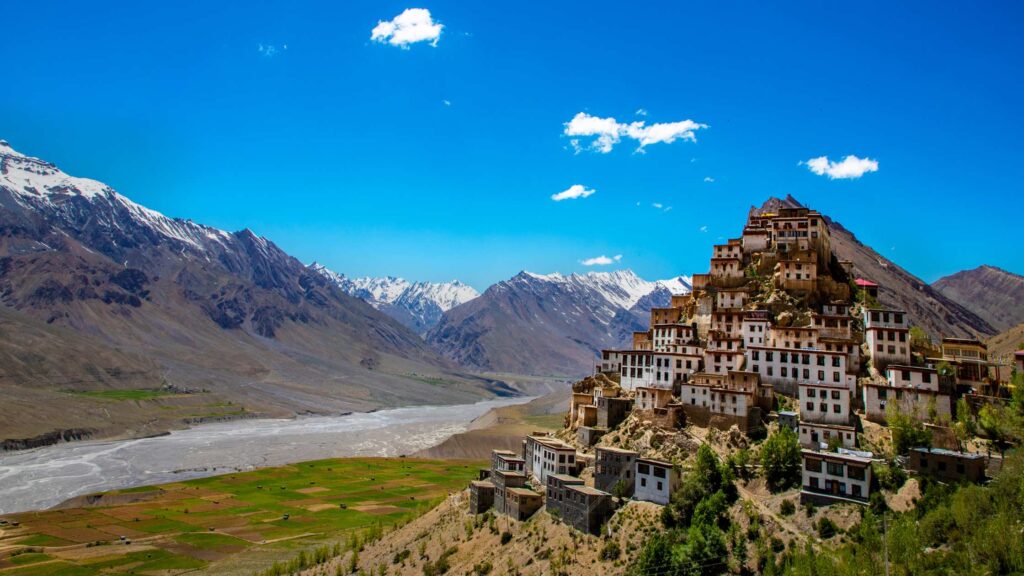
Ladakh opens up as the Manali to Leh and Srinagar to Leh highways become passable. Flights to Leh run year round, but road access starts now. Early season can mean snow at higher passes. For Spiti, the Shimla Kinnaur route is typically accessible, but the Manali to Kaza route via Kunzum Pass usually opens only in late June. If you want the full Spiti circuit, late June onward is more reliable.
July to August
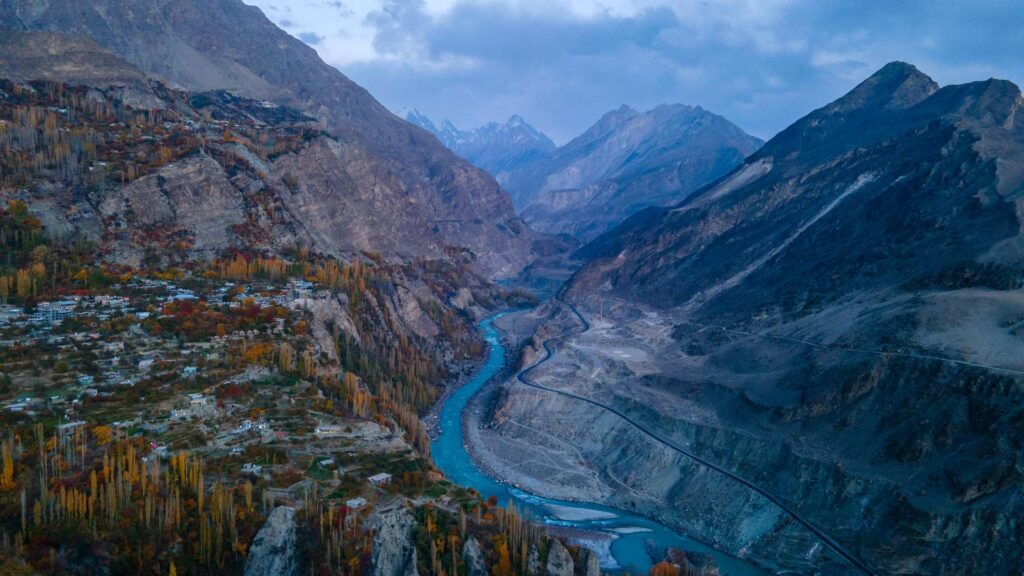
Both Spiti and Ladakh sit in rain shadow zones, so they receive relatively less monsoon rainfall than the rest of north India. However, the approach roads can be affected by landslides and washouts, especially on the Manali to Leh highway and the Manali to Kaza stretch. Spiti via the Shimla route is generally more stable during monsoon. July and August are peak season for Ladakh with the heaviest crowds. Spiti sees increasing visitors but stays noticeably quieter.
September to October
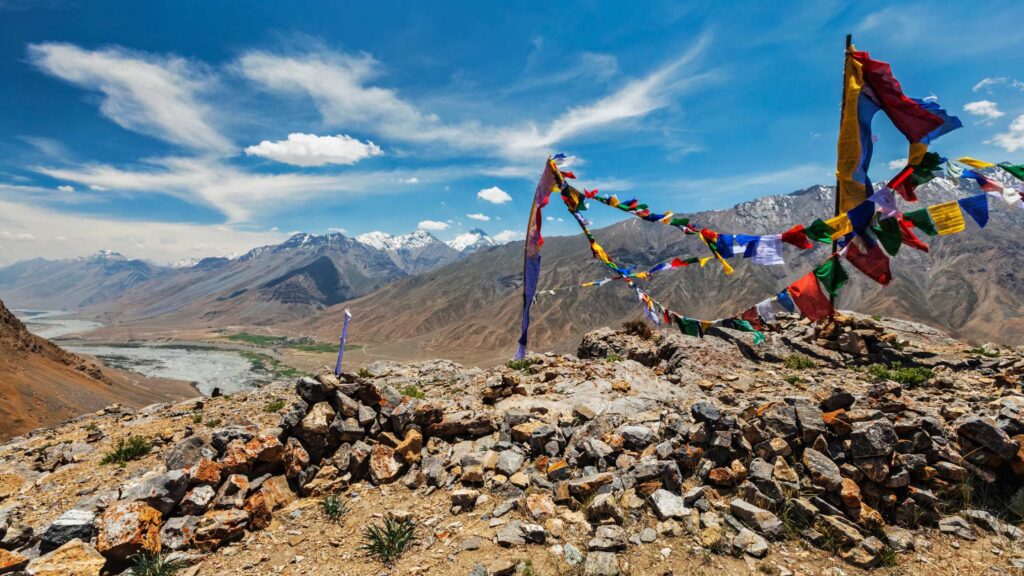
This is when Spiti genuinely shines. The weather turns clear and crisp, the crowds thin out dramatically, and the light becomes extraordinary for photography. The Manali to Kaza route is usually still open through September. For a peaceful experience with golden autumn colours, September in Spiti is hard to top. Ladakh is also beautiful in September with fewer crowds than August, but some circuits start closing by late October as winter approaches.
Winter
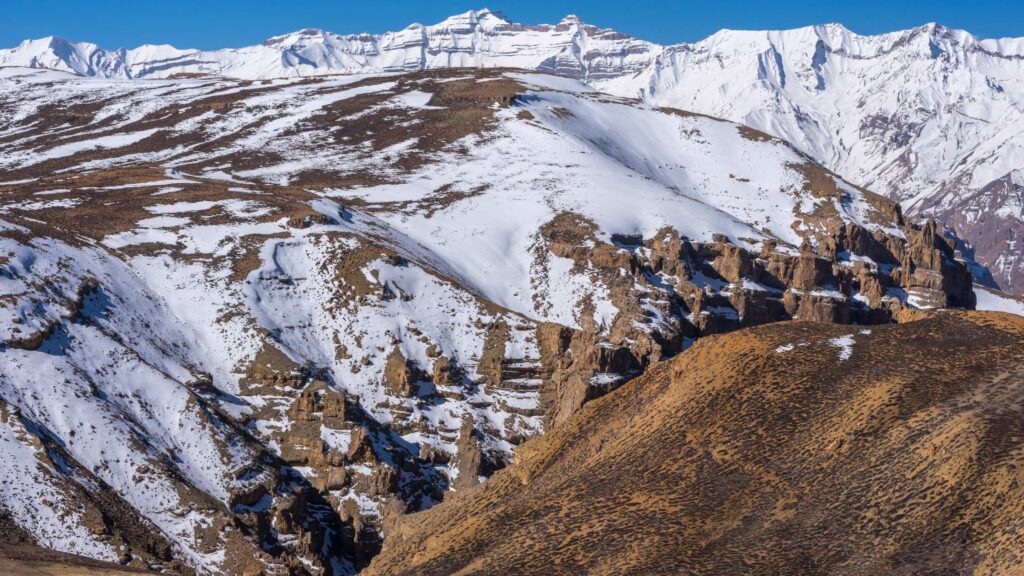
Ladakh is accessible year round by flight, and winter trips to Leh have become popular for the Chadar Trek and snow experiences. Spiti in winter is a completely different proposition. The Manali route closes entirely. You can only enter via the Shimla Kinnaur route, and the road conditions can be extremely challenging. Winter Spiti is for experienced travelers who understand what they are signing up for. It is starkly beautiful but definitely not for everyone.
Ladakh vs Spiti for Couples

If you are planning a trip as a couple, this comparison might matter to you more than any other section.
Spiti tends to be the better choice for couples who want a quiet, personal, unhurried experience. The villages are small. The homestays feel intimate. You eat meals with local families sitting in warm kitchens. You walk through barley fields to reach monasteries with no other tourists around. The pace of the trip naturally creates space for long conversations, shared silences, and the kind of connection that busy tourist destinations rarely allow. Many couples who come to Spiti describe it as one of the most meaningful trips they have taken together.
Ladakh works well for couples who prefer a more active, varied trip. You can road trip together across high passes, camp by Pangong Lake, ride bikes through mountain highways, and enjoy Leh’s growing cafe culture in the evenings. The accommodation options in Leh are broader, including some genuinely comfortable boutique hotels. If you want variety, a bit of indulgence mixed with adventure, and more things to do each day, Ladakh has more of that.
For honeymoon style trips or couples looking for something slow and deeply personal, Spiti often wins. For couples who like action, variety, and a shared adrenaline rush, Ladakh delivers.
Which Is Better for First Timers, Families, and Groups?
First timers
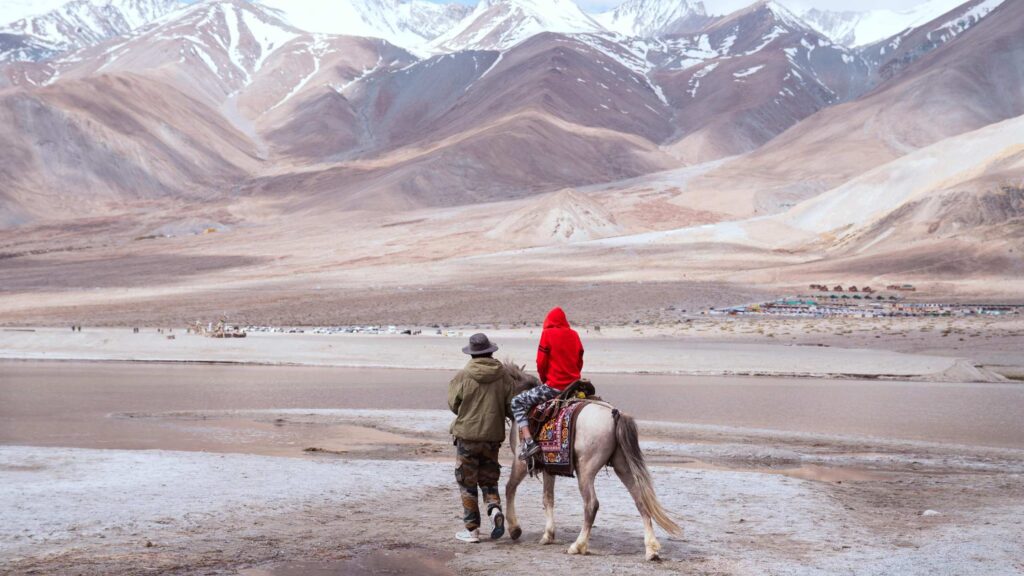
If this is your first high altitude Himalayan trip, Ladakh is slightly more beginner friendly because you can fly in and avoid the challenging road approach. The tourism infrastructure in Leh is more developed, which means more familiar comforts. However, if you enter Spiti via the Shimla route, the gradual altitude gain is actually physiologically gentler. First timers who are comfortable with basic accommodation and road travel often find Spiti more rewarding precisely because it feels less commercial and more real.
Families with kids or older members
Ladakh is generally the better choice for families. Flight access to Leh, better medical facilities in town, a wider range of hotels, and easier day trip logistics make it more practical. Spiti’s rough roads, basic accommodation, and limited medical infrastructure can be challenging for families that need more support. That said, families with teenagers or adults who enjoy adventure will love Spiti.
Friend groups
Both work wonderfully for friend groups. Spiti group trips are often more affordable and feel more bonding because the group shares road journeys, homestay meals, and the remoteness together. Ladakh group trips tend to offer more varied activities and more nightlife and cafe energy in Leh. Pick based on whether your group values bonding over simplicity or bonding over variety and action.
Culture, Villages, and Local Experience
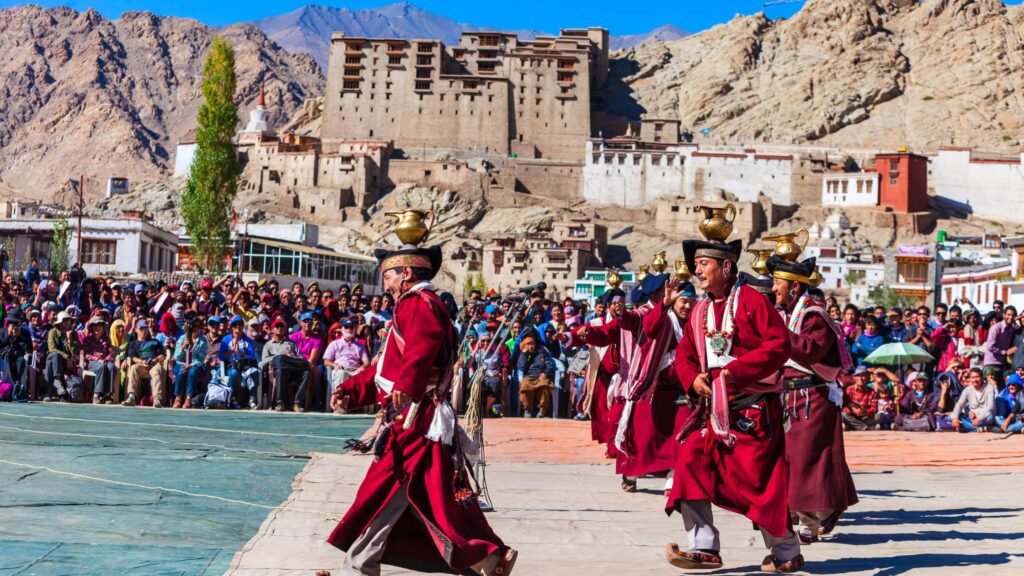
Both Spiti and Ladakh have deep Tibetan Buddhist roots, ancient monasteries, and a way of life shaped by extreme geography. But the texture of the cultural experience is noticeably different.
In Spiti, tourism is still relatively young. Villages like Langza, Hikkim, Komic, and Demul feel genuinely lived in. Monastery visits are unhurried. You might be the only visitor at Tabo or Dhankar on a weekday morning. Homestay hosts sit down to eat with you and share stories about their families, their harvests, their winters. The cultural exchange happens naturally, not through a scripted tourist program.
In Ladakh, the cultural infrastructure is more established. Monasteries like Hemis, Thiksey, and Diskit are well maintained tourist attractions with professional guides and entry systems. The experience is rich and well presented, but it can feel more structured. Leh itself has a bustling main market, international restaurants, and a cosmopolitan energy that Kaza simply does not have.
If raw, unfiltered cultural immersion is what you are after, Spiti provides it more naturally. If you want cultural richness alongside comfortable access and wider context, Ladakh has the broader offering.
Accommodation, Food, and Comfort

Ladakh has more comfort options than Spiti. That is simply the reality.
In Leh, you will find everything from budget guesthouses to well appointed hotels with hot water, room heaters, and reliable Wi Fi. Restaurants serve a decent range of cuisines. Along the tourist circuits like Nubra and Pangong, the options are more basic but still functional and tourist ready.
In Spiti, especially outside Kaza, the accommodation is simpler. Homestays are the backbone of the stay experience. Many are clean and genuinely welcoming but basic. Expect shared bathrooms, limited hot water, intermittent electricity, and minimal mobile signal in most villages. Food is hearty but simple: dal, rice, thukpa, momos, and quite a lot of Maggi.
Here is the thing that surprises most people though. The majority of travelers who come to Spiti say the homestay experience was one of the biggest highlights of their trip. Sitting in a warm kitchen with a local family, drinking salt butter tea, eating fresh rotis, and watching stars from a village rooftop is not luxury by any conventional measure. But it creates the kind of memories that fancy hotel rooms almost never do.
If physical comfort is your priority, Ladakh is the smarter pick. If you are open to simple living and value the emotional richness that comes with it, Spiti delivers something that hotels simply cannot replicate.
Sample 7 Day Spiti Valley Itinerary
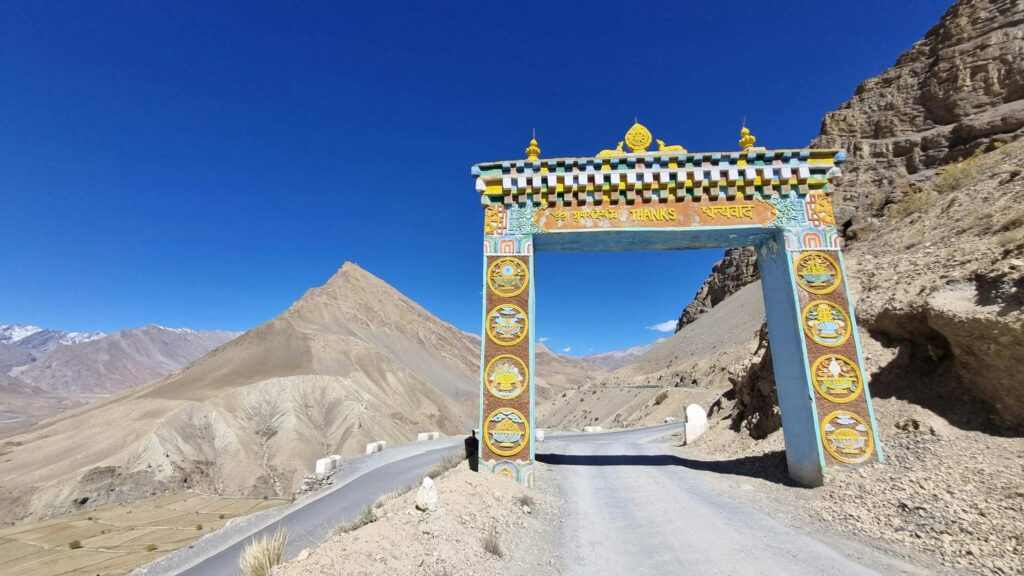
Here is a realistic sample plan for a week in Spiti. This covers the main highlights without rushing, entering from Shimla and exiting via Manali.
Day 1: Travel from Shimla to Narkanda or Rampur. A gentle introduction to the mountain roads and Himalayan rhythm.
Day 2: Drive to Chitkul or Kalpa through the Sangla Valley. Apple orchards, Kinnaur Kailash views, and the first taste of tribal Himachal.
Day 3: Kalpa or Reckong Peo to Nako or Tabo. The landscape shifts dramatically as you leave the green belt and enter cold desert terrain.
Day 4: Tabo to Kaza via Dhankar Monastery. The cliff top monastery and Dhankar Lake are among the most memorable stops on any Spiti trip.
Day 5: Full day around Kaza. Key Monastery, Kibber, Chicham Bridge. Walk around. Take your time. Do not rush this day.
Day 6: Kaza to Chandratal Lake via Kunzum Pass. Camp overnight by the lake. This is the day most people remember longest.
Day 7: Chandratal to Manali via Rohtang or Atal Tunnel. Trip ends in Manali.
This works best between late June and September. If you have a couple more days, add time for Langza, Hikkim, Komic, or Pin Valley. They are all worth it.
Chosen Spiti? Tell us your dates, group size, and budget. We will send you a customized Spiti itinerary and quote within 24 hours. No pressure, just honest planning from a team that knows these mountains inside out.
Sample 7 Day Ladakh Itinerary
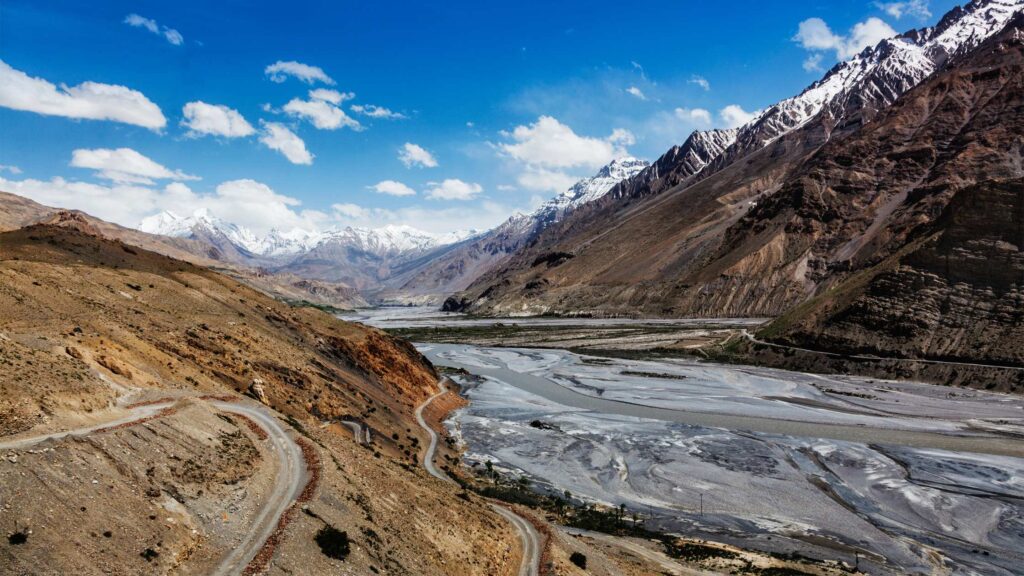
Here is a practical Ladakh plan starting with a flight to Leh.
Day 1: Arrive Leh by flight. Rest and acclimatize. Short walk around Leh Market and Shanti Stupa in the evening.
Day 2: Leh local sightseeing. Thiksey Monastery, Shey Palace, and Hemis Monastery.
Day 3: Leh to Nubra Valley via Khardung La. Stay in Hunder. Sand dunes and Diskit Monastery.
Day 4: Nubra to Pangong Lake via the Shyok route. Evening by the lake.
Day 5: Pangong morning. Drive back to Leh via Chang La.
Day 6: Day trip to Magnetic Hill, confluence of Indus and Zanskar rivers, and Alchi Monastery.
Day 7: Fly out from Leh. Or add a couple of days for Tso Moriri if your schedule allows.
This is a compressed plan. A 9 to 10 day Ladakh trip allows for Tso Moriri, better acclimatisation, and a more relaxed pace.
Can You Combine Spiti and Ladakh in One Trip?
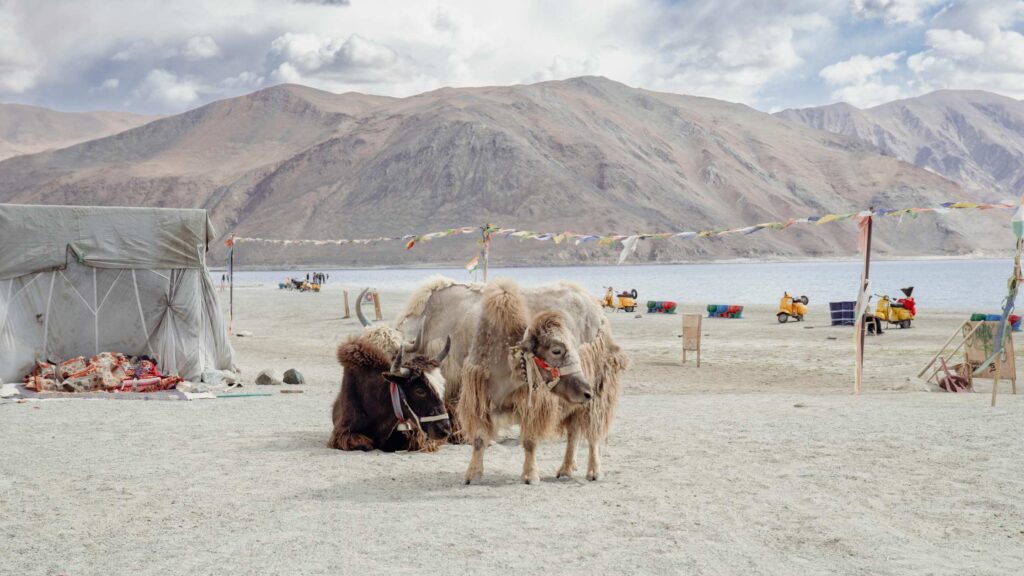
Yes, it is possible. But you will need at least 14 to 16 days and a serious appetite for road travel.
The most common combined route goes from Shimla through Kinnaur to Kaza in Spiti, then onward to Manali, and from Manali up the Manali to Leh Highway into Ladakh. After exploring Ladakh, you fly out from Leh. This is a long, physically demanding trip and you need to be genuinely comfortable with multiple consecutive days of driving at high altitude.
For most travelers, especially first timers, it is better to do one destination properly rather than rush through both. The experiences are different enough that each deserves its own dedicated time. Save the other one for your next trip. If you have done one before and want to add the other, combining them on a second trip works extremely well.
Final Verdict: Spiti Valley vs Ladakh
There is no wrong choice here. Both Spiti and Ladakh are extraordinary destinations that offer experiences the rest of India simply cannot match.
But they are not the same trip. The sooner you accept that, the easier the decision becomes.
Choose Spiti Valley if you want quiet over spectacle, villages over viewpoints, road journeys over flight convenience, and an experience that feels personal rather than popular. Spiti is for people who enjoy travel that asks something of them and gives back in unexpected, lasting ways.
Choose Ladakh if you want scale, variety, iconic landmarks, and the option to fly in when time is short. Ladakh is for people who love adventure, want more options at every stage, and enjoy the energy of a well known destination that still delivers.
For couples, budget travelers, road trip lovers, and people who value cultural depth, Spiti often ends up being the surprise winner. For families, short trip planners, bikers chasing famous passes, and first timers who want an easier entry into the Himalayas, Ladakh makes more practical sense.
If Spiti sounds like your kind of trip, we are here to make it happen. Spiti Valley Packages is a local Himalayan tour operator that plans Spiti trips every single week, all season long. Tell us your travel dates, group size, route preference, and budget. We will build a personalized Spiti itinerary and send you a quote within 24 hours. No spam. No pressure. Just honest trip planning from people who actually live and work in these mountains.
Frequently Asked Questions
Spiti or Ladakh: which is better for first time travelers?
Ladakh is slightly more beginner friendly because of flight access to Leh, better infrastructure, and more accommodation options. However, Spiti via the Shimla route offers more gradual altitude gain which is easier on the body. If you are okay with basic stays and road travel, many first timers find Spiti more memorable.
Which is cheaper: Spiti Valley or Ladakh?
Spiti is generally cheaper. A 7 to 9 day budget Spiti trip from Delhi can cost Rs 15,000 to 25,000 per person. A comparable Ladakh trip starts at Rs 25,000 to 35,000. Flights to Leh, higher taxi union rates, and more expensive accommodation during peak season drive up Ladakh costs.
Which is more beautiful: Spiti or Ladakh?
They offer different kinds of beauty. Ladakh is grand, dramatic, and wide angle. Spiti is intimate, textured, and quiet. Ladakh wins for iconic landscapes like Pangong and Nubra. Spiti wins for raw, human scale beauty that grows on you over several days.
Is Spiti better than Ladakh for couples?
For couples seeking a quiet, intimate, and unhurried trip, Spiti is often the better fit. The village homestays, slow pace, and absence of tourist crowds make it feel genuinely personal. Ladakh is better for couples who want more variety, more comfort options, and a mix of adventure with cafe culture.
Which trip is better for a road trip: Spiti or Ladakh?
Both are exceptional. The Manali to Leh Highway is iconic and more famous. The Shimla to Kaza to Manali circuit through Spiti is more varied, quieter, and feels more personal day to day. Choose based on whether you want the thrill of high passes or the slow unfolding of changing landscapes.
Which is less crowded: Spiti or Ladakh?
Spiti is significantly less crowded, especially during July and August when Ladakh sees its heaviest tourist volumes. Even during Spiti’s busiest months, the villages feel quiet and the roads feel empty compared to Ladakh’s main circuits.
Which trip has a higher altitude challenge?
Ladakh presents a greater altitude risk because many travelers fly into Leh at 3,500m with zero acclimatisation. Passes like Khardung La go above 5,000m. Spiti’s Kaza is slightly higher than Leh at about 3,800m, but the road approach via Shimla allows gradual adjustment over two to three days, which greatly reduces altitude sickness risk.
How many days are enough for Spiti and Ladakh?
Spiti needs a minimum of 7 days for a good experience, with 9 to 10 days being ideal for the full circuit. Ladakh can work in 5 to 7 days with a flight to Leh, though 8 to 10 days is much better for a complete trip covering Nubra, Pangong, and Tso Moriri.
Can I visit Spiti without taking a flight?
Absolutely. Most travelers reach Spiti entirely by road. The Shimla Kinnaur route is accessible year round and requires no flights at all. This is one of Spiti’s real practical advantages: the entire trip can be done by road from Delhi, Chandigarh, or Shimla without stepping foot in an airport.
Can I combine Spiti and Ladakh in one trip?
Yes, but you need at least 14 to 16 days. The common route is Shimla to Kaza, then Kaza to Manali, and from Manali up to Leh via the Manali Leh Highway. It is physically demanding. For first timers, doing one destination properly is usually a better and more enjoyable experience.
Which is better for families: Spiti or Ladakh?
Ladakh is generally more family friendly. Flight access, better medical facilities, and more hotel options make logistics easier with children or elderly members. Spiti’s rough roads and basic infrastructure can be challenging for families needing more comfort and safety backup.
Which is better for bikers: Spiti or Ladakh?
Ladakh is the classic Indian biking destination with Khardung La and the Manali to Leh Highway. Spiti offers a rawer, less traffic heavy biking experience on narrower and more challenging roads. Experienced riders often prefer Spiti for its emptiness and difficulty. Newer riders typically find Ladakh more accessible and better supported.
Also read: Chandratal Camping Guide: Best Camps, Rules, Distance from the Lake, What to Carry