
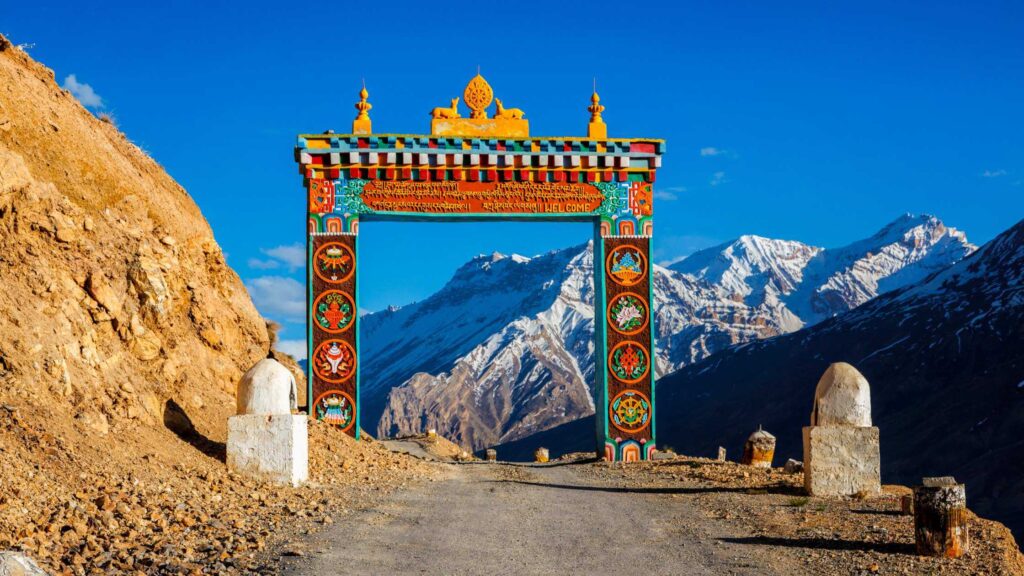
Spiti Valley, often called the “Middle Land” between India and Tibet, is one of the most breathtaking cold desert destinations in the world.
Nestled at altitudes ranging from 3,800 to 4,550 meters (12,500 – 14,900 ft) in Himachal Pradesh, it draws adventure seekers, nature lovers, and spiritual travelers from across the globe.
But is Spiti Valley safe for senior citizens and families? This is the most searched question by travelers planning a Spiti trip with elderly parents, grandparents, or young children.
The answer is YES — with the right preparation, Spiti Valley is absolutely manageable and deeply rewarding for seniors and families alike.
This expert-written safety guide covers everything you need — from altitude sickness prevention to the best Spiti Valley tour package for senior citizens — so you can travel confidently and comfortably.
Is Spiti Safe for Senior Citizens? The Honest Answer
Spiti Valley is safe for senior citizens when approached with proper planning. The main concern is high altitude and its effects on the body — not crime, road conditions alone, or accessibility in general.
💡 Key fact: Thousands of senior travelers successfully visit Spiti every year. With gradual acclimatization, the right itinerary, and medical preparedness, most seniors enjoy a smooth and memorable trip.
The risks for elderly travelers include Acute Mountain Sickness (AMS), low oxygen levels, cold temperatures, and bumpy road stretches. All of these are manageable with the right precautions outlined in this guide.
Understanding Altitude: The #1 Safety Factor for Elderly Travelers
Spiti Valley sits at high altitude. Here are the key altitudes seniors need to be aware of:
| Location | Altitude | Senior Risk Level |
|---|---|---|
| Shimla (gateway) | 2,200 m / 7,200 ft | Very Low |
| Rampur | 1,000 m / 3,280 ft | Minimal |
| Nako Village | 3,662 m / 12,000 ft | Moderate |
| Kaza (HQ of Spiti) | 3,800 m / 12,467 ft | Moderate-High |
| Key Monastery | 4,116 m / 13,500 ft | High |
| Kunzum Pass | 4,551 m / 14,931 ft | Very High |
| Chandratal Lake | 4,300 m / 14,100 ft | High |
Seniors with heart conditions, respiratory issues, or high blood pressure should consult their physician before planning any trip to Spiti Valley. Most doctors advise a slow ascent, adequate hydration, and carrying emergency medications.
Spiti Valley Travel Tips for Elderly: Complete Expert Checklist

Before You Travel
- Get a full health check-up at least 4 weeks before departure — focus on heart, lungs, and blood pressure
- Consult your doctor about altitude sickness medication (Acetazolamide / Diamox)
- Carry all prescription medications with extra supply for 5 additional days
- Get travel insurance that covers high-altitude medical evacuation
- Train your body with light walks, yoga, and breathing exercises for 2–3 weeks before the trip
- Avoid alcohol and smoking for at least 1 week before departure — both worsen altitude sickness
During the Journey
- Ascend gradually — never rush to high altitudes; spend 1–2 nights at 2,000 m before going higher
- Drink 3–4 liters of water daily to stay hydrated
- Eat light, easily digestible meals — avoid heavy, oily, or spicy food
- Rest frequently — Spiti is not a trip to rush; the body needs time to adjust
- Wear warm layered clothing — temperatures can drop to -5°C even in summer nights
- Avoid overexertion — skip strenuous hikes and walks on the first 1–2 days at altitude
- Recognize AMS symptoms early: headache, nausea, dizziness, breathlessness, fatigue
- Descend immediately if symptoms are severe — never ignore serious altitude sickness
Emergency Preparedness
- Carry a pulse oximeter to monitor blood oxygen levels (normal: 95-100%; at altitude: 85-90% is acceptable, below 80% needs attention)
- Keep emergency contact numbers saved: Kaza Hospital (+91-1906-222234), Himachal Pradesh Emergency: 112
- Inform your hotel/guesthouse about any medical conditions on arrival
• Never travel alone — always travel in a group or with a reliable local guide
Spiti Valley Family Trip Safety Guide: Traveling with Children
Spiti Valley is increasingly popular for family travel, and with the right precautions, it is safe for children above the age of 8–10 years.
Very young children (below 5) are generally not recommended for high-altitude Spiti due to their inability to communicate symptoms of altitude sickness.
Safety Tips for Families with Children
- Children are more susceptible to AMS — monitor them closely for unusual fatigue, crying, or loss of appetite
- Keep children well-hydrated and away from cold winds
- Engage children in gentle, low-exertion activities: monastery visits, village walks, stargazing
- Book family-friendly homestays in Kaza or Tabo that have attached washrooms and heating
- Plan shorter driving days — 4 to 5 hours maximum per day for children’s comfort
- Pack high-calorie snacks, ORS sachets, and a basic first-aid kit for kids
Best Spiti Valley Tour Package for Senior Citizens: What to Look For
When searching for a Spiti Valley tour package for senior citizens, choose a package that offers the following features:
| Feature | Why It Matters for Seniors |
|---|---|
| Gradual acclimatization itinerary | Prevents altitude sickness by ascending slowly |
| Private vehicle with experienced driver | Comfort and safety on mountain roads |
| Medical kit on board | Immediate response to health emergencies |
| Comfortable homestays or hotels with heating | Essential in cold desert climate |
| Flexible itinerary with rest days | Allows body to adjust without pressure |
| Small group size (max 8-10 people) | More personal attention and flexibility |
| Local guide with first-aid training | Critical for remote area emergencies |
| Oxygen cylinders available | Life-saving at high altitudes |
💡 Pro Tip: Always choose a tour operator who specializes in Spiti Valley and has experience handling senior travelers. Ask specifically about their emergency protocol and medical support before booking.
Is Spiti Valley Safe to Visit? Addressing Common Concerns
Road Safety in Spiti
Spiti’s roads are mountainous and can be challenging — especially the Manali-Kaza route via Kunzum Pass, which involves river crossings and high-altitude passes.
However, the Shimla-Kaza route (NH-505) is more stable, paved for much of the route, and significantly safer and better suited for seniors and families.
- Best route for seniors: Shimla → Narkanda → Rampur → Nako → Tabo → Kaza
- Avoid Manali-Kaza route if you are a senior or traveling with very young children
- Always travel in a good-condition SUV or 4WD vehicle
- Avoid traveling after 4 PM on mountain roads
Crime and General Safety
Spiti Valley is one of the safest regions in India from a crime perspective. The local Spitian community is peaceful, hospitable, and deeply respectful of travelers.
Petty crime is virtually unheard of. Women travelers and families can feel safe in the villages and towns.
Medical Facilities in Spiti
Medical infrastructure in Spiti is limited but improving. Here’s what’s available:
- Community Health Centre in Kaza — the main medical facility in Spiti
- Small dispensaries in Tabo and Losar
- Nearest well-equipped hospitals are in Shimla (Indira Gandhi Medical College) and Manali (Zonal Hospital)
- Air evacuation may be required in serious cases — travel insurance covering evacuation is essential
Best Time to Visit Spiti Valley for Senior Citizens & Families
| Month | Weather | Suitability for Seniors & Families | Notes |
|---|---|---|---|
| May | Pleasant, 10–15°C days | Good | Roads opening; less crowded |
| June | Warm days, cool nights | Excellent | Best balance of weather and access |
| July | Warm, some rain | Good | Spiti gets less rain than other Himalayan areas |
| August | Similar to July | Good | Peak season; book in advance |
| September | Cool, clear skies | Excellent | Best weather; festivals; highly recommended |
| October | Cold, below 5°C nights | Moderate | Only for well-prepared seniors |
| Nov–April | Heavy snow; closed roads | Not Recommended | Most routes closed; extreme cold |
💡 Recommended travel window for senior citizens and families: June to September, with September being the absolute best month — roads are clear, weather is stable, and Spiti’s beauty is at its peak.
Recommended Itinerary for Senior Citizens: 10 Days in Spiti Valley

Day 1: Arrive Shimla (2,200 m) — acclimatization rest day
Day 2: Shimla → Narkanda → Rampur (1,000 m) — gentle descent
Day 3: Rampur → Nako (3,662 m) — gradual ascent, explore Nako Lake
Day 4: Nako → Tabo (3,280 m) — visit Tabo Monastery (UNESCO heritage)
Day 5: Tabo → Dhankar → Kaza (3,800 m) — arrive early, full rest
Day 6: Kaza rest & acclimatization — local market, Key Monastery at ease
Day 7: Kaza → Langza → Hikkim → Komic — gentle village exploration
Day 8: Kaza → Chandratal Lake (4,300 m) — day trip, return to Kaza
Day 9: Kaza → Tabo → Nako — reverse journey
Day 10: Nako → Shimla — depart
Packing List for Senior Citizens Visiting Spiti Valley

Health & Medical
- Prescription medications (extra 5-day supply)
- Diamox / altitude sickness tablets (consult doctor first)
- Pulse oximeter
- Blood pressure monitor (if needed)
- Pain relief tablets, antacids, anti-diarrheal medicines
- Oral Rehydration Salts (ORS)
- Basic first aid kit: bandages, antiseptic, cotton
Clothing & Gear
- Warm thermal innerwear (essential even in summer)
- Fleece jacket and windproof outer layer
- Woolen hat, gloves, and muffler
- UV protection sunglasses (UV rays are 30-40% stronger at high altitude)
- High SPF sunscreen (50+)
- Comfortable walking shoes with ankle support
- Insulated water bottle
Frequently Asked Questions
Yes, a 70-year-old can visit Spiti Valley if they are in good general health, have no severe cardiovascular or respiratory conditions, and follow a slow acclimatization plan. A prior medical check-up and consulting your doctor is strongly recommended.
Portable oxygen cylinders are available in Kaza and can be arranged by most tour operators. It is advisable to carry one for senior travelers as a precaution, especially for those with any pre-existing lung or heart conditions.
Ascend gradually, drink plenty of water, eat light meals, avoid alcohol, and rest well on the first 1–2 days at altitude. Your doctor may also prescribe Diamox (Acetazolamide) as a preventive medication.
Yes, Spiti Valley is safe for families with children above 8–10 years of age. Ensure children stay hydrated, monitor them for AMS symptoms, and keep driving days short. Children below 5 years are not recommended for very high-altitude areas.
The Shimla-Kaza route (NH-505) is the safest and most recommended route for senior citizens and families. It is largely paved, follows a gradual ascent, and avoids the extreme high-altitude passes of the Manali-Kaza route.
Absolutely yes. Travel insurance covering high-altitude medical emergencies and helicopter evacuation is strongly recommended for all travelers to Spiti, especially seniors and families with young children.
Tabo, Kaza, and Nako are the most senior-friendly villages in Spiti. They have comfortable homestays, basic medical facilities, and accessible landmarks. Kaza, as the administrative headquarters, has the best amenities.
Between June and September, daytime temperatures in Spiti range from 10°C to 22°C — very comfortable for seniors. Nights can get cold (0°C to 8°C), so warm clothing is essential. The weather is dry and stable, with minimal rainfall.
Final Verdict: Should Senior Citizens & Families Visit Spiti Valley?
Spiti Valley is not just a destination for young adventurers. It is a deeply spiritual, visually stunning, and culturally rich landscape that offers profound experiences for senior citizens and families. With mindful planning, the right itinerary, and an experienced tour partner, Spiti Valley is an absolutely safe and transformative journey for travelers of all ages.
The key to a safe Spiti trip for seniors is: Go slow. Stay hydrated. Listen to your body. And choose the right guide.
💡 Spiti Valley will reward your courage and preparation with memories that last a lifetime. The ancient monasteries, star-lit skies, turquoise rivers, and warm-hearted locals make every moment worth it — for seniors, families, and first-time travelers alike.