If you are planning a trip to Spiti Valley and the word “permit” has you confused, you are not alone. The internet is full of conflicting information about whether you need one, which type applies, and where to get it. So let us clear it up right away.
Most Indian travelers do not need any permit to visit Spiti Valley. You can travel freely to Kaza, Tabo, Dhankar, Key Monastery, Langza, Hikkim, and other popular destinations with just a valid government photo ID. Foreign nationals, on the other hand, need a Protected Area Permit (often called an Inner Line Permit) to enter restricted areas of Spiti that sit close to the Indo-Tibetan border.
Now, here is where the confusion multiplies. If you are entering Spiti from the Manali side, your vehicle may need a Rohtang Pass permit or a Beyond Rohtang permit. And if you are driving into Lahaul and Spiti district, the Himachal Pradesh administration runs an online vehicle entry system called e-Aagman that may also apply. These are completely different from the Inner Line or Protected Area permit. Mixing them up is the single biggest planning mistake travelers make.
This guide separates every permit type clearly, explains what applies based on your nationality, route, and mode of travel, and tells you exactly where and how to apply.
Quick Answers: Spiti Valley Permit Basics
Do Indians need a permit for Spiti Valley?
No. Indian citizens do not need an Inner Line Permit, Protected Area Permit, or any tourism permit to visit Spiti Valley. Carry a valid photo ID (Aadhaar, voter ID, driving licence, or passport) for checkpost registration. That is it.
Do foreigners need a permit for Spiti Valley?
Yes. Foreign nationals need a Protected Area Permit (PAP) to visit restricted areas in Lahaul and Spiti district, including Kaza, Tabo, Dhankar, and several other locations near the border. This is often loosely called an Inner Line Permit. It must be obtained from a District Magistrate or Sub-Divisional Magistrate office before entering these areas.
Do you need a Rohtang permit for Spiti?
Only if you are crossing Rohtang Pass by road from the Manali side. Travelers using the Atal Tunnel and continuing onward to Spiti generally need a Beyond Rohtang permit for their vehicle. If you are entering Spiti from the Shimla-Kinnaur side, Rohtang does not apply to your route at all.
Is there an online permit system?
The Rohtang Pass permit (including Beyond Rohtang) is available online through the Kullu district administration portal at rohtangpermits.nic.in. The Protected Area Permit for foreign nationals is currently processed offline at government offices. The e-Aagman system for vehicle entry into Lahaul and Spiti is available at eaagman.hp.gov.in.
What is e-Aagman?
e-Aagman is an online vehicle entry system run by the Lahaul and Spiti district administration. It issues e-passes for vehicles entering the district, including the Atal Tunnel to Koksar to Chandratal circuit. It was introduced to control tourist vehicle flow and manage environmental impact.
What “Spiti Valley Permit” Actually Means
When people search for “Spiti Valley permit,” they could be looking for any one of four different things. These are not the same, and the confusion between them causes more bad planning decisions than anything else. Here is what each one actually is.
Inner Line Permit / Protected Area Permit (ILP / PAP)
This is a security-related permit required because parts of Spiti sit close to the Indo-Tibetan border. The government restricts foreign national movement in these sensitive zones. Indian citizens are exempt. Foreign nationals need this permit, officially called a Protected Area Permit under the Foreigners (Protected Areas) Order, 1958. People often call it an ILP for simplicity, but in Himachal Pradesh, the correct technical term for foreigners is PAP.
Rohtang Pass Permit (Tourism Purpose)
This is a vehicle-based environmental permit introduced by the National Green Tribunal to limit the number of vehicles visiting Rohtang Pass for sightseeing from the Manali side. It has a daily vehicle cap (roughly 800 petrol and 400 diesel vehicles). This permit is for day-trip tourists visiting Rohtang and returning to Manali. It does not apply to through-travelers headed to Spiti or Ladakh.
Beyond Rohtang Permit (Travel Purpose)
This is the permit relevant for Spiti travelers using the Manali route. If you are crossing Rohtang Pass to continue onward to Lahaul, Spiti, or Ladakh, you need a Beyond Rohtang permit. Unlike the tourism permit, this one does not have a strict daily vehicle cap and is easier to obtain. But it is still mandatory for vehicles traveling from the Manali side.
e-Aagman (Vehicle Entry E-Pass)
This is the Lahaul and Spiti district’s own vehicle tracking and entry system. It issues an E-Permit for vehicles on the Atal Tunnel to Koksar to Chandratal circuit, and an E-Ticket for vehicles going to other parts of the district. It was designed to manage the post-Atal Tunnel tourist surge and protect the ecologically fragile landscape.
The key thing to understand: ILP/PAP is about your nationality. Rohtang and Beyond Rohtang permits are about your vehicle and route. e-Aagman is about vehicle entry into the Lahaul-Spiti district. They can overlap, but they are separate systems.
Which Permit Do You Actually Need? A Decision Guide
Instead of reading about every permit type and guessing what applies, use this section to quickly identify what matters for your specific trip.
Indian traveler via Shimla-Kinnaur route
You do not need any permit. Carry a valid government photo ID. You will register at checkposts like Jangi and Sumdo, but this is a registration process, not a permit application. You will show your ID and vehicle documents, they will note your details, and you move on.
Indian traveler via Manali route
You do not need an ILP or PAP. However, your vehicle needs a Beyond Rohtang permit if you are crossing Rohtang Pass. If you are using the Atal Tunnel instead, check whether the e-Aagman vehicle e-pass is required for your specific circuit. If you are traveling by bus or shared taxi, the vehicle operator handles the permit.
Foreign traveler via Shimla-Kinnaur route
You need a Protected Area Permit. The most practical place to get it is at the SDM office in Reckong Peo, or the DM office in Shimla before you start the Kinnaur stretch. Beyond Jangi checkpost (about 35 km from Reckong Peo), the restricted area begins and your permit will be checked.
Foreign traveler via Manali route
You need both a Protected Area Permit for the Spiti restricted areas and a Beyond Rohtang vehicle permit for the Manali-side crossing. The PAP can be obtained from the DM office in Keylong or the SDM office in Kaza. Plan ahead, as these offices have specific working hours and may not process permits on weekends or holidays.
Self-drive car traveler
Carry your vehicle registration certificate (RC), driving licence, insurance, and PUC (Pollution Under Control) certificate. If entering from Manali, apply for the Beyond Rohtang permit online. Check the e-Aagman portal for vehicle entry requirements. If you are a foreigner, you also need a PAP.
Bike rider
Same rules as self-drive cars. Your bike registration must be current and your documents in order. Beyond Rohtang permit applies on the Manali side. Some rental bikes may have specific conditions, so confirm your rental company has the correct paperwork. Carry extra fuel from Reckong Peo or Kaza as fuel stations are scarce.
Taxi or package traveler
If you are traveling with a local tour operator or hired taxi, the driver or operator typically handles all vehicle permits including Rohtang and Beyond Rohtang. Foreign travelers still need to personally obtain their PAP. If you are on a group tour package, confirm with the operator in advance what documents you need to carry yourself.
Spiti Valley Permit for Indian Citizens
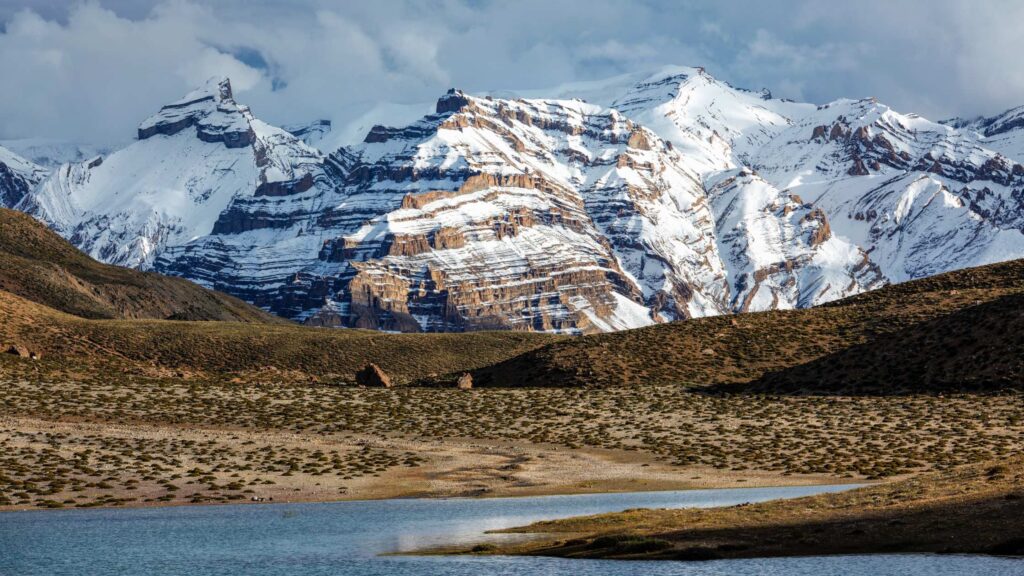
Let us be clear: Indian nationals do not need an Inner Line Permit, Protected Area Permit, or any special tourism permit to visit Spiti Valley. This has been the case for several years now. Earlier, even Indians needed permits for certain areas, but the government removed this requirement to encourage tourism.
What you do need is a valid government-issued photo ID. Aadhaar card, voter ID, passport, or driving licence will work. You will be asked to show this at police checkposts, particularly at Jangi (on the Kinnaur route) and Sumdo (the entry point to Spiti from the Kinnaur side). These are registration stops, not permit checks. The police note your name, ID number, vehicle details, and number of passengers. This is for safety tracking in a remote border area with limited connectivity.
What to carry as an Indian traveler:
- Valid government photo ID (Aadhaar, voter ID, driving licence, or passport)
- Photocopies of your ID (useful when there is no network for digital verification)
- Vehicle RC, insurance, and PUC if self-driving
- Driving licence if behind the wheel
One thing to keep in mind: while the standard rule is that Indians do not need permits, rules in border-sensitive areas can technically change at short notice during security situations. This is rare, but it is worth checking current conditions before you travel, especially if you are headed to villages very close to the border like areas near Sumdo or Shipki La (which remains restricted even for Indians without special permission from the Ministry of Home Affairs).
Spiti Valley Permit for Foreign Nationals
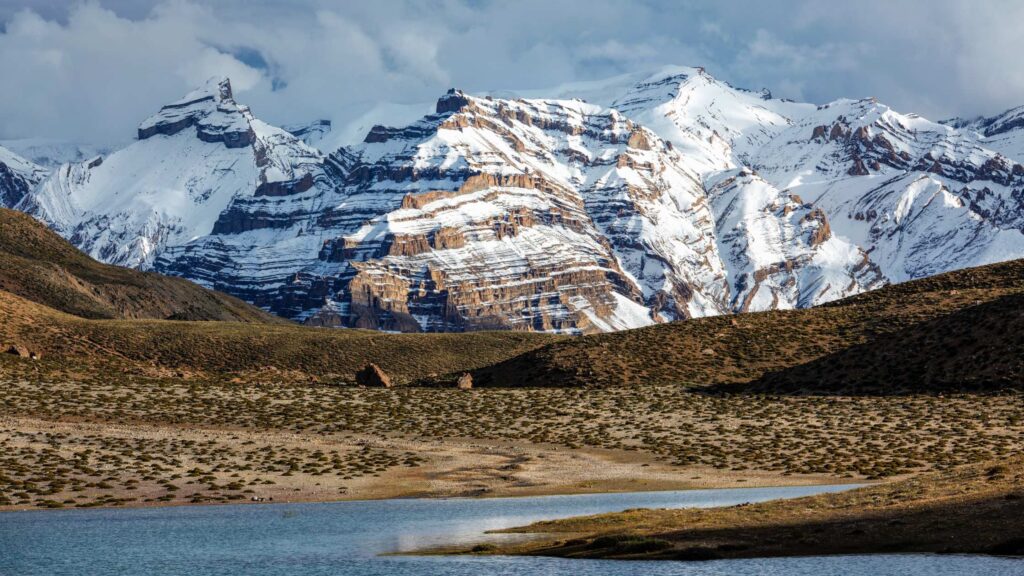
If you hold a passport from any country other than India, you need a Protected Area Permit (PAP) to visit most parts of Spiti Valley. This is non-negotiable. The requirement exists because Spiti is a border-sensitive area near the Indo-Tibetan boundary, and movement of foreign nationals is regulated under the Foreigners (Protected Areas) Order, 1958.
ILP vs PAP: Clearing the naming confusion
You will see both terms used online, sometimes interchangeably. Technically, in Himachal Pradesh, the correct name for what foreigners need is a Protected Area Permit. The term Inner Line Permit (ILP) is more commonly associated with states like Arunachal Pradesh and certain areas in the northeast. However, local offices in Himachal sometimes use the term ILP even when issuing what is formally a PAP. Do not get stuck on the name. What matters is that you obtain the permit from an authorised government office before entering restricted areas.
Which areas require the permit?
According to the official Lahaul and Spiti district website, the following areas in Himachal Pradesh require Protected Area Permits for foreigners: Khab, Samdo, Dhankar, Tabo, Gompa, Kaza, Morang, and Dubling. In practical terms, this covers most of the main Spiti Valley tourist circuit.
Where to apply
The permit is issued by specific government authorities in their respective areas:
- District Magistrate, Lahaul and Spiti, at Keylong
- Sub-Divisional Magistrate, Spiti, at Kaza
- Sub-Divisional Magistrate, Lahaul, at Keylong
- DM/SDM offices in Shimla and Reckong Peo (for travelers on the Kinnaur route)
- ADC office at Kaza or Pooh
If you are entering from the Shimla-Kinnaur side, the most convenient place to get the permit is Reckong Peo, as it sits right before the restricted zone begins at Jangi. If entering from Manali, you can apply at Keylong or Kaza.
Documents required for foreign nationals
- Valid passport with Indian visa
- Passport-sized photographs (usually three copies)
- Photocopies of passport and visa pages (in triplicate)
- A detailed travel itinerary
- Application form (Form A under the Registration of Foreigners Rules, 1939, filled in triplicate)
Group requirement and travel agent sponsorship
Officially, the rules state that foreign tourists should travel in groups of at least four, sponsored by a recognised Indian travel agency. The travel agent provides a letter certifying they are organizing your trip. In practice, this rule has been relaxed in some offices, and solo foreign travelers or smaller groups have obtained permits, especially at offices like Reckong Peo and Kaza. However, the official rule still exists, so it is wise to either travel with a registered agency or check the current enforcement approach at your intended permit office before committing to your route.
Practical issues to expect
The permit process is entirely offline. There is no online application system for the PAP. Government offices typically work Monday to Saturday, with half-day Saturdays and closures on public holidays. Processing can take a few hours. If you arrive late in the afternoon or on a holiday, you may need to wait until the next working day. Some travelers arrange their permit through their travel agency in advance to avoid delays on the road.
Validity
The PAP is typically valid for a limited period, often around 10 days, with the possibility of a 7-day extension. If your trip extends beyond this window, you may need to apply for a fresh permit. Always confirm the exact validity when you receive your permit, as conditions can vary.
Rohtang Pass Permit for Spiti Travelers
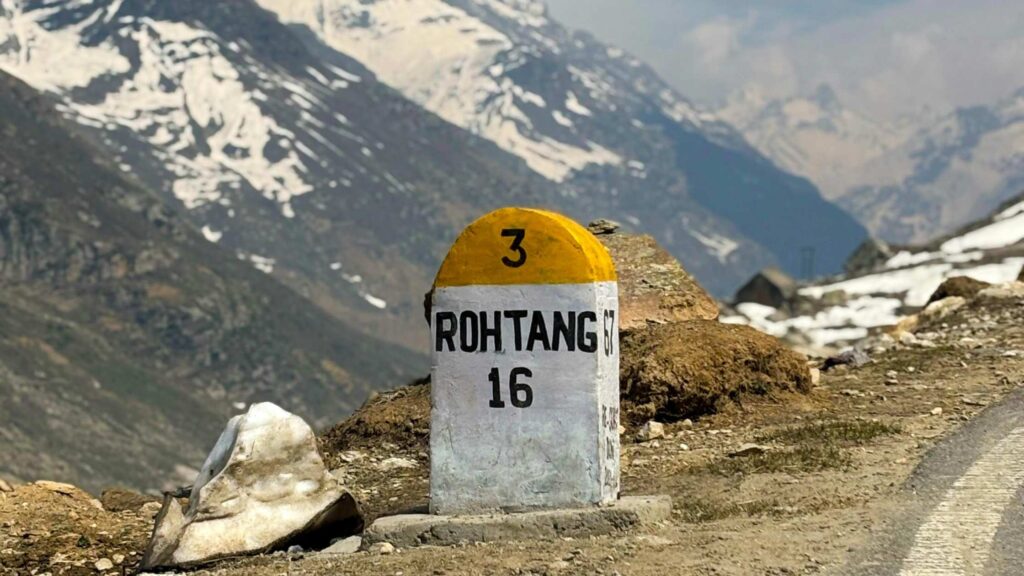
This is one of the most common areas of confusion. Many people planning a Spiti trip via Manali assume they need a “Rohtang Pass permit.” But the Rohtang Pass permit that most people read about online is actually designed for day-trip tourists who drive up from Manali to see snow at Rohtang and return the same day. This tourism permit has a strict daily vehicle quota.
If you are heading to Spiti, you are not a day-trip tourist. You are a through-traveler. What you need is the Beyond Rohtang permit, not the standard Rohtang tourism permit. The distinction matters because the rules and availability are different.
That said, both permits are issued through the same system managed by the Kullu district administration, and both require your vehicle to be checked at the Gulaba checkpost on the Manali side and the Koksar checkpost on the other side. So even as a Spiti-bound traveler, you go through the Rohtang permit system. You just apply under a different category.
Key point: If you enter Spiti from the Shimla-Kinnaur side, the Rohtang permit is completely irrelevant to your journey. It only applies on the Manali side.
Beyond Rohtang Permit: What It Means
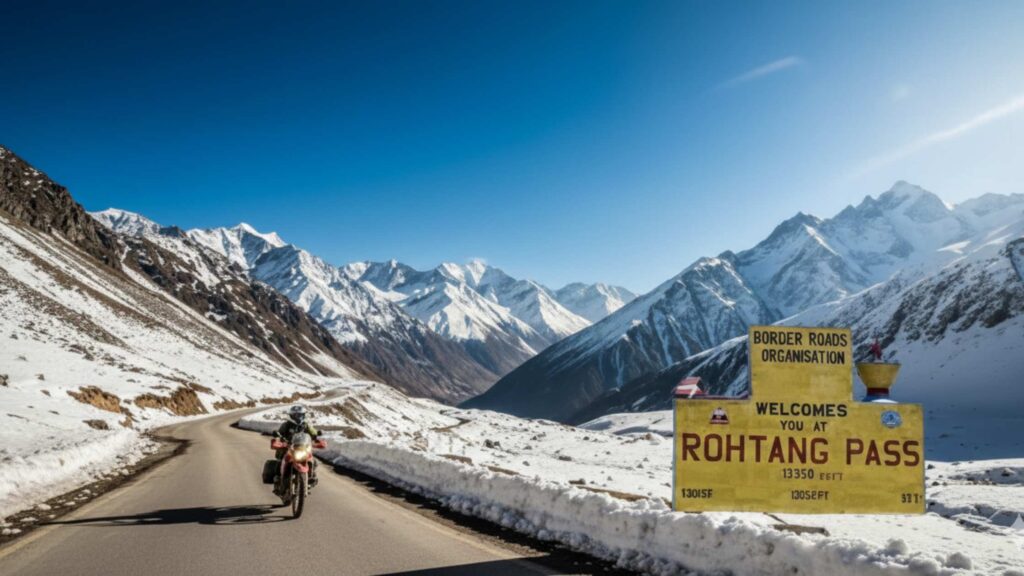
The Beyond Rohtang permit (officially called the permit for “travel purpose”) is specifically for vehicles that need to cross Rohtang Pass and continue onward to Lahaul, Spiti, or Ladakh. Unlike the tourism permit, this one does not have a strict daily cap on vehicle numbers, which makes it easier to secure.
You apply for it online through the same Kullu district portal (rohtangpermits.nic.in), selecting the “Beyond Rohtang” category. You provide your vehicle details, driver information, PUC certificate, and travel dates. The fee is minimal, typically only a congestion charge.
There are two important checkpoints. At Gulaba (Manali side), your permit is logged electronically. At Koksar (the other side of the pass), your arrival is confirmed. If you have a Beyond Rohtang permit but turn around at Rohtang without crossing to Koksar, you may face a fine because the system records you as having misused a travel permit.
Important note on Tuesdays: Rohtang Pass is closed every Tuesday for maintenance. No permits of any type are issued for Tuesday travel from the Manali side. If your Spiti itinerary involves crossing Rohtang on a specific day, plan around this. However, travel from the Kaza or Keylong side toward Manali is typically allowed on Tuesdays.
Atal Tunnel and Beyond Rohtang: The Atal Tunnel bypasses Rohtang Pass entirely. If you use the tunnel to reach Lahaul, you may not need the traditional Rohtang Pass permit. However, the e-Aagman vehicle entry system may apply instead. Rules around this continue to evolve, so check the latest requirements before you travel.
e-Aagman: Vehicle Entry System for Lahaul and Spiti
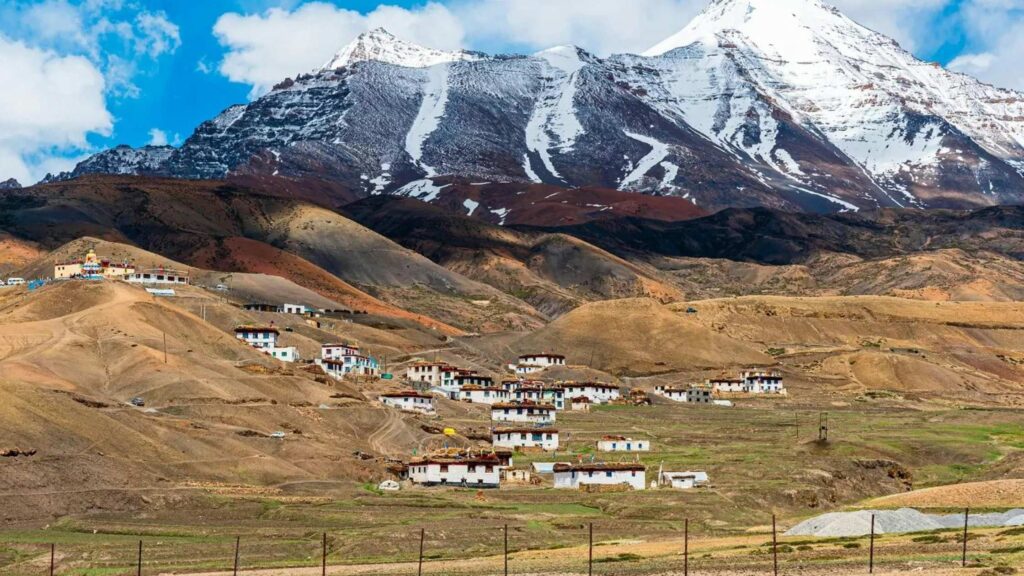
e-Aagman (eaagman.hp.gov.in) is an online vehicle management system launched by the Lahaul and Spiti district administration. It was introduced in response to the massive surge in tourist traffic after the Atal Tunnel opened, which made Lahaul and areas around Sissu and Chandratal far more accessible than before.
The system works in two parts. An E-Permit is required per vehicle for the Atal Tunnel to Koksar to Chandratal circuit. An E-Ticket is required per vehicle for travel to other areas within the district. In both cases, the idea is to track how many vehicles are entering, where they are headed, and to cap numbers in ecologically sensitive zones.
To use e-Aagman, you fill in your personal details, vehicle number, travel date, and source-destination information on the portal. The system has been particularly enforced for the Chandratal Lake area, where overcrowding and environmental damage became serious concerns.
How this affects your Spiti planning: If you are driving into Lahaul and Spiti from the Manali side (either via Rohtang Pass or Atal Tunnel), you should check the e-Aagman portal before your trip. The system’s enforcement scope has expanded over time, and it is likely to cover more areas going forward. If you are entering from the Shimla-Kinnaur side, e-Aagman may not apply to your initial route, but could matter if your trip includes Chandratal or Lahaul segments.
Treat e-Aagman as a vehicle entry registration system that runs parallel to other permit requirements. It does not replace the Beyond Rohtang permit or the PAP for foreigners. It is an additional layer.
Route-Based Permit Guide

Shimla to Kaza via Kinnaur
This is the most common entry route for Spiti, running through Narkanda, Rampur, Reckong Peo, and then through the restricted zone via Jangi and Sumdo into Spiti.
Indian travelers: No permit required. Carry your photo ID and vehicle documents. Register at Jangi and Sumdo checkposts.
Foreign travelers: Protected Area Permit required. Best obtained at Reckong Peo before crossing Jangi. The restricted area officially begins beyond Jangi.
Self-drive and bike: No special vehicle permit beyond standard documents. However, road conditions between Reckong Peo and Kaza can be extremely challenging, especially during monsoon. Check the current road status before committing to this route.
Manali to Kaza via Rohtang/Atal Tunnel and Kunzum Pass
This route crosses into Lahaul via Rohtang Pass or Atal Tunnel, passes through Keylong or takes the direct route via Gramphu and Batal, crosses Kunzum Pass, and enters Spiti from the Losar side.
Indian travelers: Beyond Rohtang permit for your vehicle (if crossing the pass). Check e-Aagman for vehicle entry. No ILP or PAP needed.
Foreign travelers: Beyond Rohtang permit for the vehicle, plus a Protected Area Permit for the restricted Spiti areas. The PAP can be obtained in Keylong or Kaza.
Important: This route is only open seasonally, typically from late June to mid-October, depending on snow clearance at Kunzum Pass and road conditions.
Full Circuit: Shimla to Kaza to Manali (or Reverse)
Many travelers do the complete loop. If you enter from Shimla and exit via Manali (or vice versa), you will deal with permit requirements for both sides of the route.
Indian travelers: Beyond Rohtang permit needed for the Manali-side leg. Nothing else.
Foreign travelers: PAP for the entire Spiti stretch (applied once, covers the route), plus Beyond Rohtang permit for the Manali-side vehicle crossing.
Self-Drive Cars
Keep your RC, insurance, PUC, and driving licence accessible at all times. On the Manali side, apply for Beyond Rohtang permit online. Check e-Aagman for the Lahaul entry. On the Shimla-Kinnaur side, just register at checkposts.
Bike Riders
Everything that applies to cars applies to bikes. Your bike RC must be current and under 15 years old for the Rohtang permit system. Carry physical copies of all documents. Network is unreliable through most of the route, so digital-only copies are risky.
Taxi and Package Travelers
Vehicle permits (Rohtang, Beyond Rohtang, e-Aagman) are handled by the driver or tour operator. You just need your personal ID (for Indians) or PAP (for foreigners). Confirm with your operator that all vehicle permits are in order before departure.
How to Get the Permit: Step by Step

For Indian Travelers
There is no permit application process. Keep your government photo ID ready and carry photocopies. At checkposts like Jangi and Sumdo, you register by showing your ID and providing vehicle details. No fee, no form, no waiting period.
For Foreign Nationals (Protected Area Permit)
- Decide your route (Shimla-Kinnaur side or Manali side)
- If via Shimla: apply at the DM office in Shimla or SDM office in Reckong Peo
- If via Manali: apply at the DM office in Keylong or SDM/ADC office in Kaza
- Prepare documents: passport with visa, 3 passport photos, photocopies in triplicate, itinerary, and Form A
- Travel through a recognised Indian travel agency if possible (the official requirement is a group of four or more sponsored by an agency, though enforcement varies)
- Visit the office during working hours (typically 10 AM to 5 PM, Monday to Saturday; reach before 3 PM for same-day processing)
- Processing usually takes a few hours. Carry your permit at all times during travel.
For Manali-Side Vehicle Permits (Rohtang / Beyond Rohtang)
- Visit rohtangpermits.nic.in
- Select “Beyond Rohtang” if you are headed to Spiti, Lahaul, or Ladakh
- Enter vehicle registration number, driver details, and PUC certificate information
- Choose your travel date (permits can be booked up to six days in advance)
- Pay the fee online
- Download and print the permit. Carry a printed copy for the Gulaba checkpost.
For e-Aagman Vehicle Entry
- Visit eaagman.hp.gov.in
- Fill in personal details, vehicle number, travel date, and destination
- Select E-Permit (for Atal Tunnel-Koksar-Chandratal circuit) or E-Ticket (for other areas)
- Submit and carry the confirmation
Documents Checklist

Indian Travelers
- Government photo ID (Aadhaar, voter ID, driving licence, or passport)
- Photocopies of ID
- Vehicle RC, insurance, and PUC (if self-driving)
- Driving licence (if driving)
Foreign Travelers
- Valid passport with Indian visa
- 3 passport-sized photographs
- Photocopies of passport and visa (in triplicate)
- Detailed travel itinerary
- Form A (available at the permit office)
- Letter from a registered Indian travel agency (recommended)
Self-Drive Vehicles (Cars and Bikes)
- Vehicle Registration Certificate (RC)
- Valid driving licence
- Vehicle insurance
- PUC (Pollution Under Control) certificate
- Printed copy of Beyond Rohtang permit (if via Manali)
- e-Aagman confirmation (if applicable)
Rohtang/Beyond Rohtang Permit
- Vehicle registration number
- Driver details and licence
- PUC certificate
- Valid ID proof
- Printed copy of the online permit
Fees, Validity, and Where to Apply
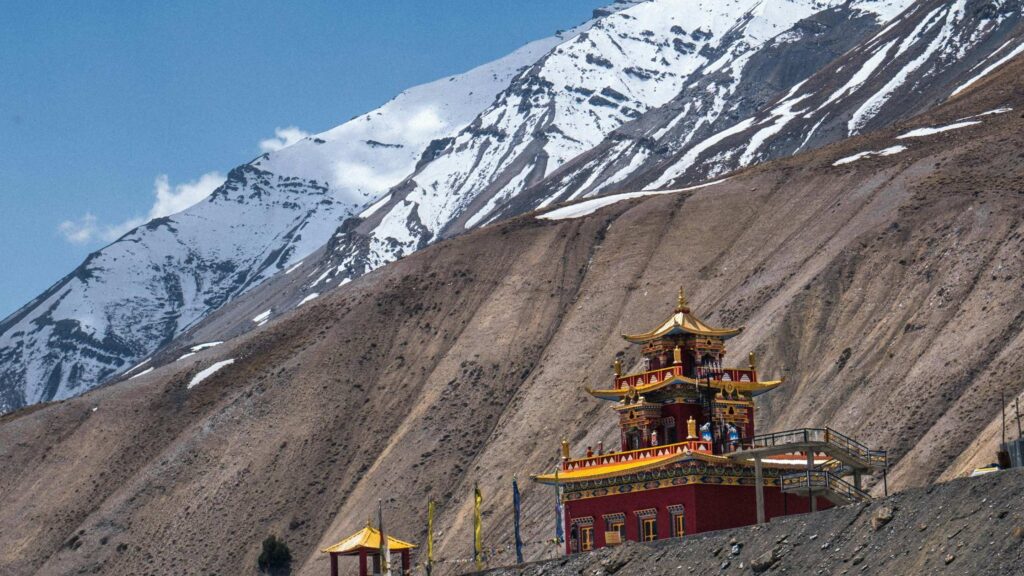
Permit fees for Spiti-related travel are generally modest, but they vary by permit type and can change from year to year. Rather than quoting exact figures that may be outdated by the time you travel, here is a practical overview.
Protected Area Permit (for foreigners): The processing fee is nominal, historically in the range of Rs 30 to a few hundred rupees. The cost is not the issue. The time and logistics of visiting a government office during working hours is what you need to plan around.
Beyond Rohtang permit: The fee is typically a congestion charge (historically around Rs 50 for Beyond Rohtang travelers, compared to Rs 500+ for Rohtang tourism permits). This is payable online during the application process.
e-Aagman: Fees, if any, are listed on the portal at the time of application. The system has been evolving, so check the current fee structure before your trip.
Validity: The PAP for foreigners is usually valid for around 10 days with the option of a 7-day extension. Beyond Rohtang permits are typically valid for the specified travel date. Always confirm the exact terms when you receive your permit.
Where to apply (summary):
- PAP for foreigners: DM office Shimla, SDM office Reckong Peo, DM office Keylong, SDM/ADC office Kaza
- Beyond Rohtang: Online at rohtangpermits.nic.in or SDM office Manali
- e-Aagman: Online at eaagman.hp.gov.in
Always verify current fees and validity before travel. Government portals and district administration offices are the most reliable sources. Do not rely on fees quoted in old blog posts, including this guide, without checking.
Common Mistakes Travelers Make with Spiti Permits

We help dozens of travelers plan their Spiti trips every season, and these are the errors we see most often.
Assuming all travelers need an Inner Line Permit
This is the most common one. Indian nationals do not need any ILP or PAP for Spiti. The permit requirement is specifically for foreign nationals. A surprising number of Indian travelers waste time trying to apply for a permit they do not need.
Confusing the Rohtang tourism permit with Beyond Rohtang
If you are going to Spiti, you do not need the sightseeing Rohtang permit. You need the Beyond Rohtang permit. Applying for the wrong category can cause problems at checkposts.
Not carrying printed documents
Network coverage in Spiti is extremely limited. Digital copies on your phone are unreliable when you have no signal at a checkpost. Print your permits, ID photocopies, and vehicle documents before entering the region.
Ignoring route-based permit logic
Rohtang and Beyond Rohtang permits only matter if you are entering from Manali. If you are entering from Shimla-Kinnaur, those permits are irrelevant. Similarly, e-Aagman mainly applies for Lahaul-side vehicle entry. Matching your permit preparation to your actual route saves time and confusion.
Foreign travelers arriving at Jangi without a permit
The Jangi checkpost (on the Shimla-Kinnaur route, about 35 km from Reckong Peo) is where the restricted area begins. Foreign nationals without a valid PAP will not be allowed beyond this point. Getting turned back here means a full day lost. Apply in Reckong Peo before you reach Jangi.
Not checking current official systems
Rules change. Portals update. New systems like e-Aagman get expanded. What worked last season may not be the same this season. Always check the official district administration website or contact a local travel operator for the latest information before you finalize your plans.
Can You Get the Spiti Permit Online?
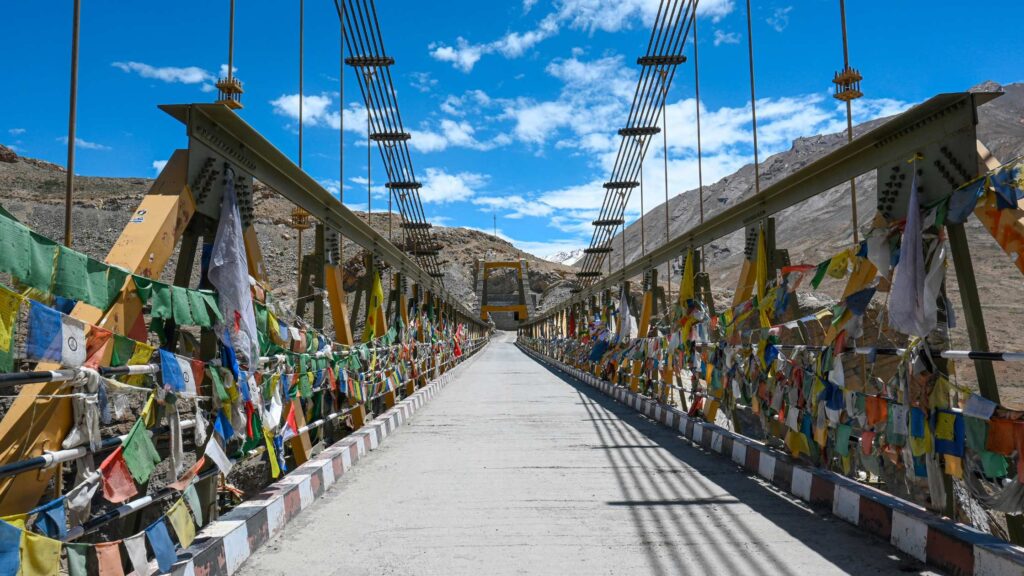
This depends entirely on which permit you are talking about.
Beyond Rohtang permit: Yes, fully available online at rohtangpermits.nic.in. You can apply, pay, and download the permit digitally.
e-Aagman vehicle entry: Yes, available online at eaagman.hp.gov.in.
Protected Area Permit for foreigners: No. This is currently processed offline at government offices (DM, SDM, or ADC offices). You need to visit in person. Some travel agencies handle the application process on your behalf, but the permit itself must be physically obtained.
There have been occasional discussions about digitizing the PAP process, but as of early 2026, no fully online system is in place for foreign traveler permits in Spiti.
Best Place to Get the Permit
Shimla
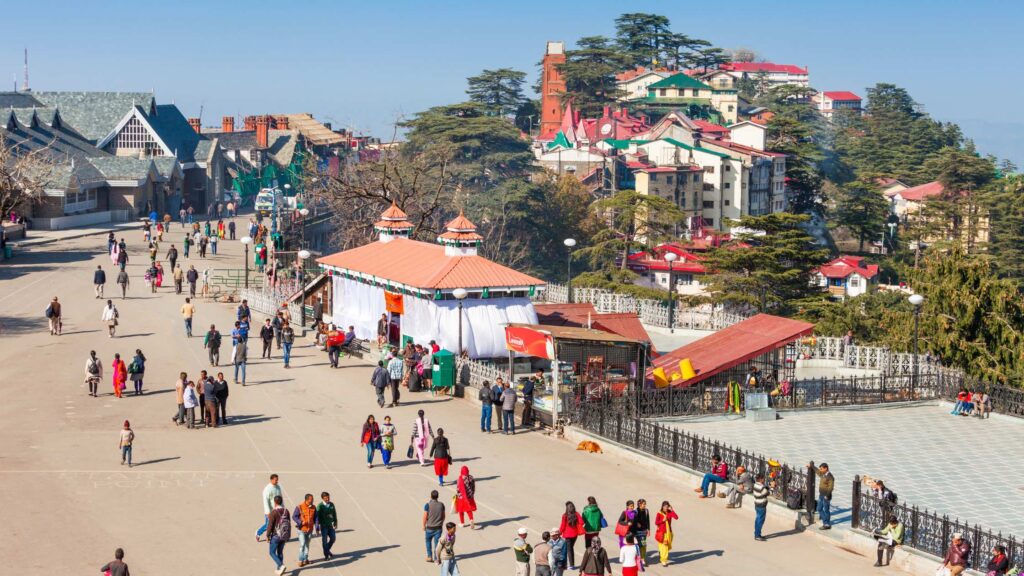
The DM office in Shimla can issue PAPs for foreign nationals. Useful if you are starting your trip from Delhi or Chandigarh and want to handle the permit before entering the mountains. However, Shimla offices can be busy with other administrative work, so processing may take longer.
Reckong Peo

This is the most recommended spot for foreign travelers on the Shimla-Kinnaur-Spiti route. The SDM office here is accustomed to processing tourist permits and the process is usually smooth. Reckong Peo is also the last major town before the restricted zone begins at Jangi, so it is the most logical stop.
Kaza
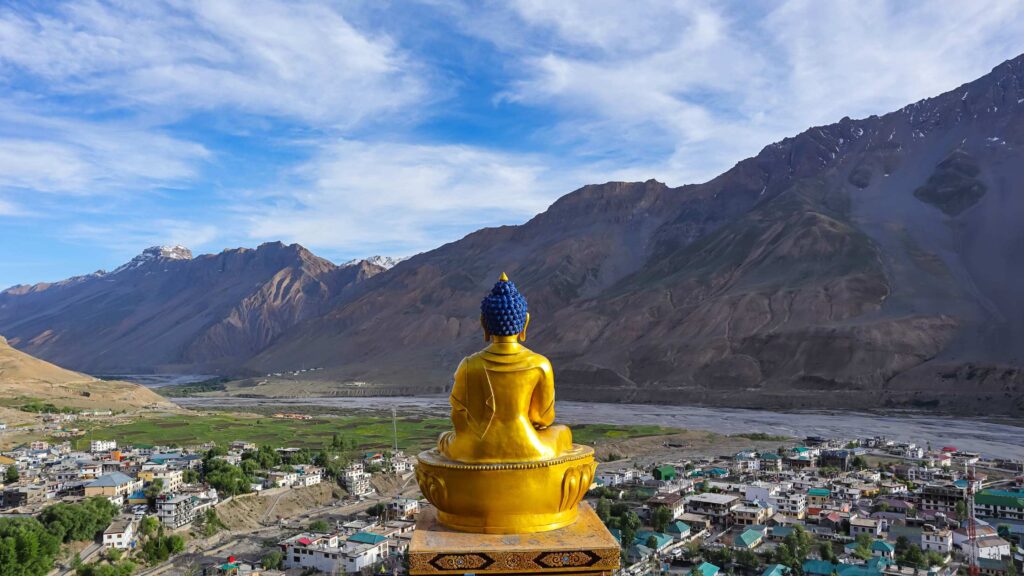
The SDM and ADC offices in Kaza can issue permits. Useful for foreign travelers who enter from the Manali side (where restrictions may be less strictly enforced initially) and need to regularize their permit once they reach Spiti. However, relying on Kaza means you are already in the restricted area, which can be problematic if enforcement is strict.
Keylong
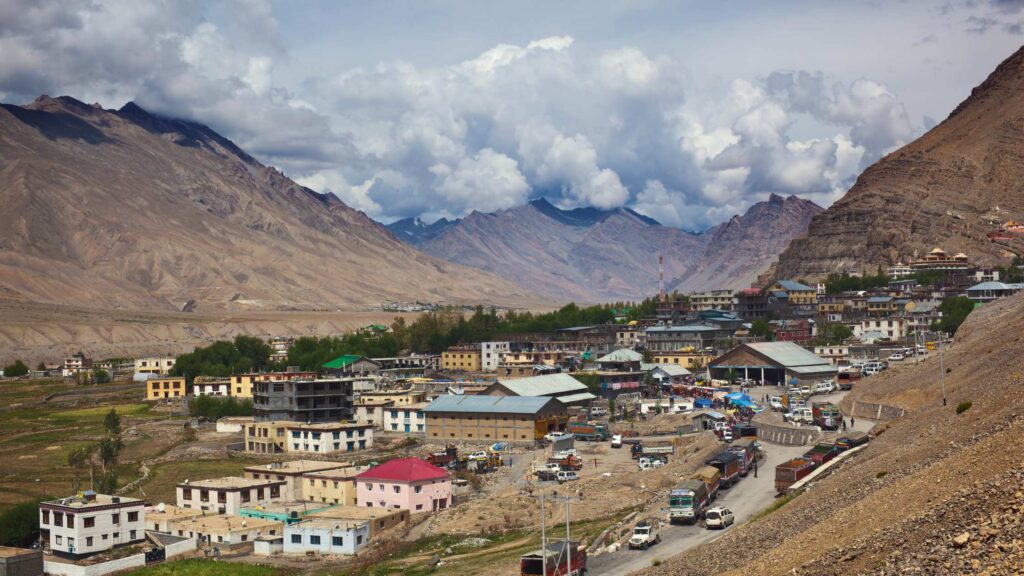
The DM office in Keylong is relevant for travelers entering from the Manali side. It is the district headquarters of Lahaul and Spiti. Foreign travelers who are doing the Manali to Spiti route can apply here.
Frequently Asked Questions
Do Indians need a permit for Spiti Valley?
No. Indian citizens can visit Spiti Valley without any Inner Line Permit or Protected Area Permit. A valid government photo ID is all you need. You will register at checkposts along the way, but that is a routine process, not a permit requirement.
Do foreigners need an Inner Line Permit for Spiti?
Yes, though the correct term in Himachal Pradesh is Protected Area Permit (PAP). Foreign nationals need this permit to visit restricted areas in Spiti including Kaza, Tabo, Dhankar, Samdo, and other locations near the border. It is issued at DM and SDM offices in Shimla, Reckong Peo, Keylong, and Kaza.
What is the difference between ILP and PAP in Spiti?
In the Spiti context, these terms are often used interchangeably, but they refer to slightly different legal frameworks. ILP (Inner Line Permit) is a term more commonly used in northeast India. In Himachal Pradesh, the permit for foreigners visiting border areas is officially a Protected Area Permit (PAP) under the Foreigners (Protected Areas) Order, 1958. For practical purposes, when anyone says ILP for Spiti, they mean the PAP.
Is a Rohtang Pass Permit required for Spiti?
Not the standard tourism Rohtang Pass permit. If you are traveling to Spiti via Manali, you need a Beyond Rohtang permit, which is a different category meant for through-travelers. If you are entering from the Shimla-Kinnaur side, Rohtang permits are not relevant to your route at all.
What is the Beyond Rohtang Permit?
The Beyond Rohtang permit is a vehicle permit for travelers crossing Rohtang Pass to continue onward to Lahaul, Spiti, or Ladakh. Unlike the tourism permit (which has a daily vehicle cap), the Beyond Rohtang permit does not have a strict daily limit. It is available online at rohtangpermits.nic.in.
Is Atal Tunnel enough, or do I still need a permit?
The Atal Tunnel bypasses Rohtang Pass, so you may not need the traditional Rohtang permit. However, the e-Aagman vehicle entry system may apply for vehicles entering Lahaul and Spiti through the tunnel. Foreign travelers still need a PAP regardless of which route they use.
What is e-Aagman for Lahaul and Spiti?
e-Aagman is an online vehicle entry system operated by the Lahaul and Spiti district administration at eaagman.hp.gov.in. It requires vehicles entering the district to register online and obtain an E-Permit (for the Atal Tunnel-Koksar-Chandratal circuit) or an E-Ticket (for other areas). It was introduced to manage tourist traffic after the Atal Tunnel opened.
Where can I get a Spiti permit in Reckong Peo?
Foreign nationals can apply at the SDM office in Reckong Peo. This is the most popular permit office for travelers on the Shimla-Kinnaur-Spiti route because it is located right before the restricted zone begins at Jangi. Carry your passport, visa copies, photographs, and itinerary.
Can I get the Spiti permit online?
The Beyond Rohtang vehicle permit and e-Aagman vehicle entry are available online. The Protected Area Permit for foreign nationals is currently processed offline at government offices only. There is no online application system for the PAP as of early 2026.
How much does the Spiti Valley permit cost?
Costs are modest but vary by permit type. The PAP processing fee for foreigners has historically been nominal (around Rs 30). The Beyond Rohtang congestion charge has been around Rs 50. Exact fees can change each season, so verify on the official portal or at the permit office before applying.
Which documents are required for the Spiti permit?
For Indians: valid government photo ID and vehicle documents if self-driving. For foreigners: passport with Indian visa, passport photos, photocopies in triplicate, travel itinerary, Form A, and ideally a letter from a registered travel agency.
How long is the permit valid?
The PAP for foreigners is typically valid for about 10 days, with the option of a 7-day extension. Beyond Rohtang permits are valid for the specific travel date. Always confirm the validity at the time of issue.
Do I need a permit for Chandratal?
Chandratal Lake falls in the Lahaul-Spiti district and is part of a wildlife sanctuary. The e-Aagman e-pass is typically required for vehicles visiting Chandratal. If approaching from Manali, a Beyond Rohtang or Rohtang permit may also be needed for the vehicle. Foreign travelers additionally need their PAP if continuing to restricted Spiti areas.
What happens at Jangi and Sumdo checkposts?
Jangi (on the Kinnaur route, about 35 km from Reckong Peo) and Sumdo (the entry to Spiti from the Kinnaur side) are police checkposts. Indian travelers register by showing their ID and vehicle details. Foreign travelers must present their Protected Area Permit here. Without a valid permit, foreign nationals will be turned back at Jangi.
Still Unsure About Your Permit Situation?
Permit confusion is the number one reason Spiti trip planning gets delayed or goes wrong. And honestly, it does not have to be complicated. The rules are straightforward once you know your route and nationality.
If you are still not sure what applies to your specific trip, here is what you can do: tell us your nationality, your planned route (Shimla side, Manali side, or full circuit), and how you are traveling (self-drive, bike, taxi, or group tour). We will tell you exactly which permit, document, or registration step applies to you.
We are a local Himalayan travel company. We have been helping people get to Spiti for years. We know the checkposts, the offices, the current systems, and the seasonal quirks. We are happy to help you plan this part of your trip, whether you travel with us or not.
Also read: Best Time to Visit Spiti Valley (2026): Month-by-Month Guide for Weather, Roads and Trip Planning