
Seven days is enough to see the best of Spiti Valley, but only if you plan the route correctly. This is not a relaxed holiday. It is a fast-paced, high-altitude road trip that covers serious distances, unpredictable roads, and remote villages with limited services. If you are okay with long driving days and can handle the altitude, a 7-day Spiti trip plan gives you a solid taste of everything from Kalpa and Tabo to Kaza, Key Monastery, and Chandratal.
This itinerary is designed for first-time visitors traveling from Delhi who want a complete circuit through Spiti without spending 10 or more days on the road. It works best between late June and early October when both the Shimla and Manali sides are open. For couples, friend groups, and even fit families with older kids, this one-week Spiti itinerary hits the right balance between coverage and practicality.
Below, you will find the full day-wise plan, a fallback route for when the Manali side is closed, realistic 2026 costs, altitude advice, and a clear comparison of self-planning versus booking a package.
Quick Answers: Spiti Valley 7-Day Trip at a Glance
Is 7 days enough for Spiti Valley?
Yes, for a highlights trip. You will cover the main stops but will not have buffer days for bad weather or detours. It is tight but doable.
Best 7-day Spiti route for first timers?
Enter via Shimla, exit via Manali. This gives you gradual altitude gain and the most variety in a single week.
Best starting point?
Delhi. Most travelers start from Delhi by road or take an overnight bus to Shimla or Chandigarh.
Best months for this itinerary?
Late June through September. July and August offer the greenest landscapes but also more rain. September is drier but colder at night.
Approximate 7-day trip cost?
Roughly INR 12,000 to 35,000 per person depending on travel style, vehicle type, and group size. Detailed breakdown below.
Is this itinerary suitable for couples, friends, or families?
Yes, for all three. Families with very young children or elderly members should consider a slower 9 to 10 day version instead.
How This 7-Day Plan Is Counted
There is some confusion around how Spiti trip days get counted. Some websites label overnight departure from Delhi as Day 0, which inflates the itinerary to look longer than it really is. Others skip travel days entirely.
This article counts a full 7 days of travel, starting from the morning you leave Delhi (or your base city) and ending the evening you return. No tricks, no padding. What you see here is exactly what you will experience on the road.
If you are leaving Delhi by overnight bus or Volvo to Shimla, that night journey happens before Day 1 begins. Day 1 starts when you arrive in Shimla and head toward your first real destination.
Pick Your Route First
Before diving into the day-by-day plan, decide which route version works for your dates.
Option A: The Full Shimla-to-Manali Circuit (Both Sides Open)
This is the best 7-day Spiti valley itinerary when both the Shimla-Kinnaur highway and the Manali-Rohtang-Kunzum route are open. You enter through Shimla, travel deeper into Spiti, and exit via Manali. This avoids backtracking and gives you maximum variety in one week.
Best for: Travelers going between late June and early October. People who want Chandratal in their plan. Anyone who dislikes retracing the same road.
Option B: The Shimla-Spiti-Shimla Return (Manali Side Closed or Risky)
When the Manali side is not open yet, or if landslides or weather have made Kunzum Pass or Gramphu unreliable, this version keeps you on the Shimla-Kinnaur side for the full trip. You go in and come back the same way, which means fewer stops but a much safer and more predictable trip.
Best for: Travelers going before late June or after mid-October. Families or anyone who wants to avoid the uncertainty of Manali-side road closures. First-time mountain drivers.
Snapshot Overview
| Detail | Info |
| Duration | 7 days, 6 nights |
| Start | Delhi (or Chandigarh/Shimla) |
| End | Delhi (via Manali) or Shimla (return route) |
| Route type | One-way circuit (Option A) or out-and-back (Option B) |
| Best months | Late June to September |
| Trip intensity | High. Long driving days, remote terrain |
| Ideal for | Couples, friend groups, small families with older kids |
| Not ideal for | Elderly travelers, families with toddlers, anyone needing luxury hotels |
| Approximate cost | INR 12,000 to 35,000 per person |
| Chandratal included? | Yes, in the circuit version (Option A) |
| Comfort level | Basic to mid-range. Do not expect city-level amenities |
Day-by-Day Itinerary: 7-Day Spiti Valley Trip (Circuit Route)

This is the full spiti valley itinerary 7 days version, entering through Shimla and exiting via Manali.
Day 1: Delhi to Shimla (or Narkanda)
What happens
You leave Delhi early morning (or arrive from an overnight bus) and drive to Shimla or Narkanda. This is a transition day. You are leaving the plains behind and starting the climb into the hills.
Driving time
8 to 10 hours from Delhi to Shimla by road, depending on traffic through Haryana and the Kalka-Shimla stretch.
Road feel
Smooth highway until Chandigarh, then winding mountain road from Kalka onward. Nothing difficult, just tiring.
Altitude
Shimla sits at around 2,200 metres. Narkanda is slightly higher at 2,700 metres. Neither is high enough to cause altitude issues for most people.
Why this stop matters
You need a proper night of sleep before the long drives ahead. Pushing further on Day 1 is a mistake many people make and regret later.
Best photo stop
If you reach Narkanda, the apple orchards and valley views just beyond town are excellent in the late afternoon light.
Food
Shimla has plenty of options. Narkanda has smaller dhabas and a few decent hotel restaurants. Eat well tonight because food quality drops significantly from tomorrow.
Practical tip
Withdraw cash here. ATMs become unreliable or non-existent from Kalpa onward. Carry enough for at least 4 to 5 days.
Overnight
Shimla or Narkanda. Budget guesthouses start at INR 800. Mid-range hotels run INR 1,500 to 3,000.
Day 2: Shimla/Narkanda to Kalpa
What happens
This is where the trip actually begins to feel like Spiti. You drive along the Sutlej river valley, pass through Rampur and Jeori, and then climb steeply to Kalpa in the Kinnaur district.
Driving time
7 to 9 hours depending on road conditions and stops.
Distance
Roughly 220 km from Shimla.
Road feel
Mixed. The highway along the Sutlej is mostly fine but has landslide-prone sections, especially during monsoon. The climb from Recong Peo to Kalpa is steep and narrow.
Altitude
Kalpa sits at roughly 2,960 metres. Your body is starting to notice the altitude now, though most people adjust fine at this height.
Why this stop matters
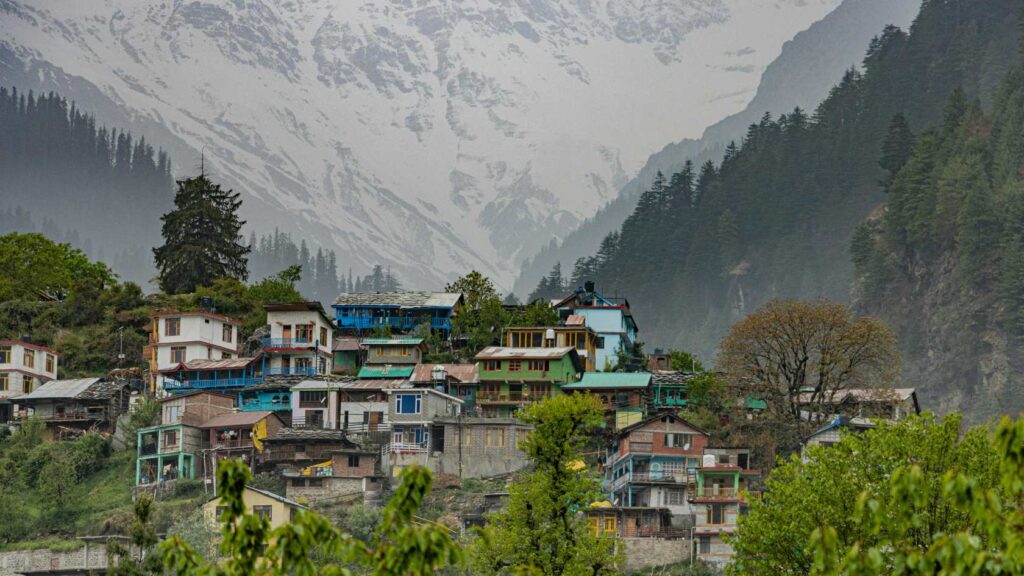
Kalpa is one of the most scenic villages on this entire route. The view of the Kinner Kailash range from here is extraordinary, especially at sunrise. It also gives your body one more night at a moderate altitude before you push higher into Spiti.
Best photo stop
The Kalpa monastery viewpoint offers a direct line of sight to Kinner Kailash. Early morning or just before sunset is ideal.
Food
Kalpa has a handful of restaurants and homestays that serve simple thalis and momos. Do not expect variety, but the food is fresh and filling.
Practical tip
Top up your phone battery and download offline maps tonight. Network coverage gets patchy beyond this point, and in some stretches you will have no signal at all.
Overnight
Kalpa. Homestays are the best option here, starting around INR 800 to 1,200 per room. A few hotels offer better rooms in the INR 2,000 to 3,500 range.
Day 3: Kalpa to Tabo (via Nako)
What happens: This is the longest and most dramatic driving day. You leave Kalpa, drop back to the Sutlej valley, pass through Khab (where the Spiti and Sutlej rivers meet), and enter the Spiti Valley proper. Nako is a good mid-route stop for a break. You end the day in Tabo.
Driving time
7 to 9 hours with stops.
Distance
Around 180 km.
Road feel
This stretch has some of the roughest patches on the entire route. The road between Pooh and Nako can be broken in places, especially after rain. The section from Nako to Tabo passes through stunning but barren terrain with very few services.
Altitude
Nako is at roughly 3,660 metres. Tabo is at around 3,280 metres. You will cross above 3,500 metres for the first time today. Drink water, go slow, and do not ignore headaches.
Why this stop matters
Tabo is home to one of the oldest Buddhist monasteries in India, dating back over a thousand years. The mud-brick structure and its cave temples are worth your time.
Best photo stop
Nako Lake (if it has water, which depends on the season) and the surreal moonlike landscape between Nako and Tabo.
Food
Nako has a few small eateries near the lake. Tabo has basic dhabas. Carry snacks for this stretch because there are long gaps between food options.
Practical tip
The Tabo monastery cave complex is about a 15-minute walk uphill from the main village. Visit it in the evening when the light hits the rock face. It is less crowded then.
Overnight
Tabo. Guesthouses and budget hotels range from INR 600 to 1,500. A few better options exist in the INR 2,000 to 3,000 range.
Day 4: Tabo to Kaza + Kaza Local Sightseeing
What happens
You drive from Tabo to Kaza in the morning, which takes only about 1.5 to 2 hours. That gives you the rest of the day to explore Kaza and the nearby villages of Key, Kibber, Chicham, Langza, Komic, and Hikkim.
Driving time
About 1.5 to 2 hours from Tabo to Kaza, plus local sightseeing loops of 3 to 4 hours.
Distance
About 50 km Tabo to Kaza. Local loops add another 40 to 60 km.
Road feel
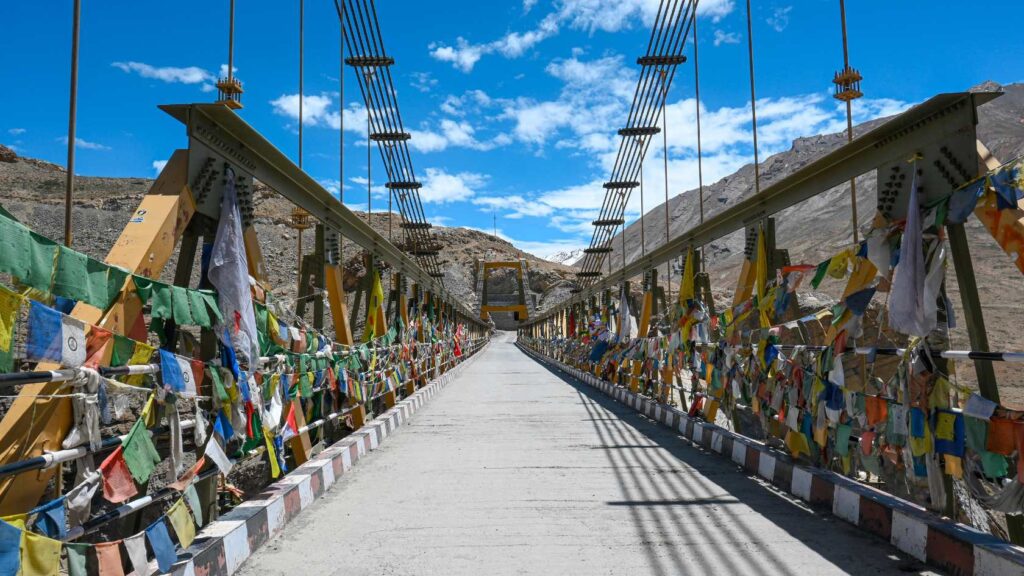
The Tabo to Kaza road is one of the better sections in Spiti. The local village roads vary. The road to Key Monastery is paved. The road to Chicham Bridge is decent. The road to Langza, Komic, and Hikkim has rougher patches.
Altitude
Kaza is at about 3,650 metres. Key is slightly higher. Komic and Hikkim are above 4,500 metres, making them among the highest villages you will visit on this trip. Take it slow and watch for any signs of altitude sickness.
Why this stop matters
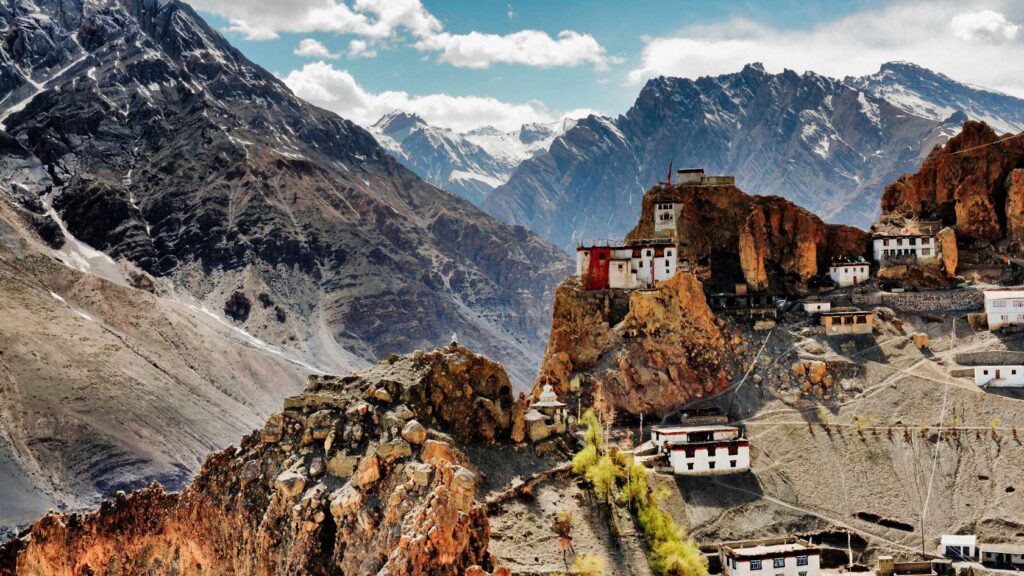
This is the cultural and visual core of your Spiti trip. Key Monastery on its hilltop, the fossil-rich village of Langza, the world’s highest post office at Hikkim, and the dramatic Chicham Bridge are the highlights that most people come to Spiti to see.
Best photo stop
Key Monastery from the approach road below is one of the most iconic views in all of Himachal. Chicham Bridge with the gorge below it is another strong photo spot.
Food
Kaza has the best food options in Spiti. Several small restaurants serve Tibetan food, thalis, and even pasta or pizza. Stock up on snacks and essentials here because Kaza is the last proper market town on this route.
Practical tip
Visit Hikkim post office and send yourself a postcard. It is a tiny gesture but one of those things travelers remember long after the trip.
Overnight
Kaza. This is the main town of Spiti, so you get a wider range of stays. Budget rooms from INR 600 to 1,000. Mid-range from INR 1,500 to 3,500. A few comfort stays with better bedding and hot water go up to INR 5,000.
Day 5: Kaza to Chandratal
What happens
You leave Kaza and drive toward Chandratal Lake via Losar and Kunzum Pass. This is a high-altitude day with some of the most remote terrain on the trip. The final approach to Chandratal is on a rough, unpaved side road.
Driving time
5 to 6 hours depending on road and weather conditions.
Distance
Around 80 km from Kaza.
Road feel
The road from Kaza to Losar is reasonable. Beyond Losar, the road climbs to Kunzum Pass (4,590 metres) and the surface deteriorates. The final 14 km from the main road to Chandratal is an unpaved track that can be muddy and narrow. It is not suitable for low-clearance vehicles or nervous drivers.
Altitude
Kunzum Pass tops 4,590 metres. Chandratal sits at roughly 4,300 metres. This is the highest you will sleep on this trip. If you have been feeling fine so far, you should be okay, but keep hydrated and avoid any heavy physical effort.
Why this stop matters
Chandratal is the single most dramatic landscape in the whole itinerary. The crescent-shaped lake, ringed by mountains, changes colour through the day. It is genuinely stunning in a way that photographs barely capture.
Best photo stop
The lake itself, obviously. Go in the early evening when the wind drops and the water becomes still. Also, the drive over Kunzum Pass offers wide panoramic views if the sky is clear.
Food
There are seasonal tent camps near Chandratal that serve basic meals. Do not expect anything fancy. Carry your own snacks, biscuits, and water.
Practical tip
Chandratal gets very cold at night, even in summer. Temperatures can drop below freezing. If you are staying in a tent camp, ask for extra blankets. If you brought a sleeping bag, use it.
Overnight
Chandratal tent camps. Basic tents with meals range from INR 1,500 to 3,000 per person. Some camps are better maintained than others. Ask your operator or do your homework before booking.
Day 6: Chandratal to Manali
What happens
You leave Chandratal, rejoin the main road near Batal, and drive through Gramphu toward Rohtang Pass. You descend into the Kullu Valley and reach Manali by evening. This is a long, tiring day with variable road conditions, but the landscapes are extraordinary.
Driving time
7 to 9 hours depending on traffic near Rohtang and road conditions near Batal.
Distance
Around 150 km.
Road feel
The section from Chandratal to Batal is rough. Batal to Gramphu can have water crossings and broken patches. After Gramphu, the road improves significantly. The Atal Tunnel route (if you skip Rohtang) makes the final stretch much faster, but Rohtang Pass offers better views. Traffic near Rohtang or the tunnel entrance can cause delays on busy days.
Altitude
You start high and descend steadily through the day. Manali is at about 2,050 metres, so by evening you will feel the difference. Breathing becomes easier, and you might notice you are sleeping better.
Why this stop matters
This is your transition back to civilization. Manali has proper restaurants, hot showers, and reliable Wi-Fi. After several days in Spiti’s sparse conditions, it feels like a luxury.
Best photo stop
Rohtang Pass if you take that route. The descent into the green Kullu Valley from the barren Lahaul side is one of the most dramatic transitions in the Indian Himalayas.
Food
Once you reach Manali, you have full access to restaurants of every kind. Treat yourself tonight.
Practical tip
If you are driving, fill up on fuel in Manali. If you are being driven, confirm your Day 7 departure plan with your driver tonight.
Overnight
Manali. Wide range of stays from INR 800 budget rooms to INR 4,000+ boutique hotels.
Day 7: Manali to Delhi
What happens
You drive from Manali to Delhi, which is a long 12 to 14 hour haul. Alternatively, you can take an overnight Volvo bus and arrive in Delhi the next morning.
Driving time
12 to 14 hours by car. 13 to 15 hours by bus.
Distance
Around 530 km.
Road feel
The Manali to Delhi highway is mostly well-maintained, but the section through Mandi and Bilaspur can be slow. The last stretch through Haryana is flat and fast.
Practical tip
If driving, leave Manali by 5 AM to avoid the Kullu valley traffic. If taking a bus, book an HRTC Volvo for the overnight option and arrive in Delhi by early morning.
Overnight
If driving, you reach Delhi by late evening. If taking a bus, you arrive in Delhi the following morning.
This completes the spiti valley 7 days itinerary from Delhi using the full circuit route.
Alternate 7-Day Itinerary: When the Manali Side Is Not Open
If you are traveling before late June or after mid-October, or if road reports suggest Kunzum Pass or the Gramphu stretch is unreliable, use this version instead. It follows the same Shimla-side entry but returns the same way instead of exiting through Manali.
Day 1
Delhi to Shimla or Narkanda
Day 2
Shimla/Narkanda to Kalpa
Day 3
Kalpa to Tabo (via Nako)
Day 4
Tabo to Kaza + Kaza local sightseeing (Key, Kibber, Chicham, Langza)
Day 5
Kaza area exploration (Komic, Hikkim, or a second round of local villages)
Day 6
Kaza to Kalpa (reverse drive)
Day 7
Kalpa to Shimla or onward to Delhi
This version skips Chandratal entirely because the lake is only accessible from the Manali side. But it gives you a full extra day in the Kaza area, which means you can explore more villages at a slower pace.
When this version is smarter: When the Manali route is officially closed, when you are traveling with elderly family members who need predictable roads, or when you simply do not want the stress of checking daily road updates.
Is 7 Days Really Enough for Spiti?
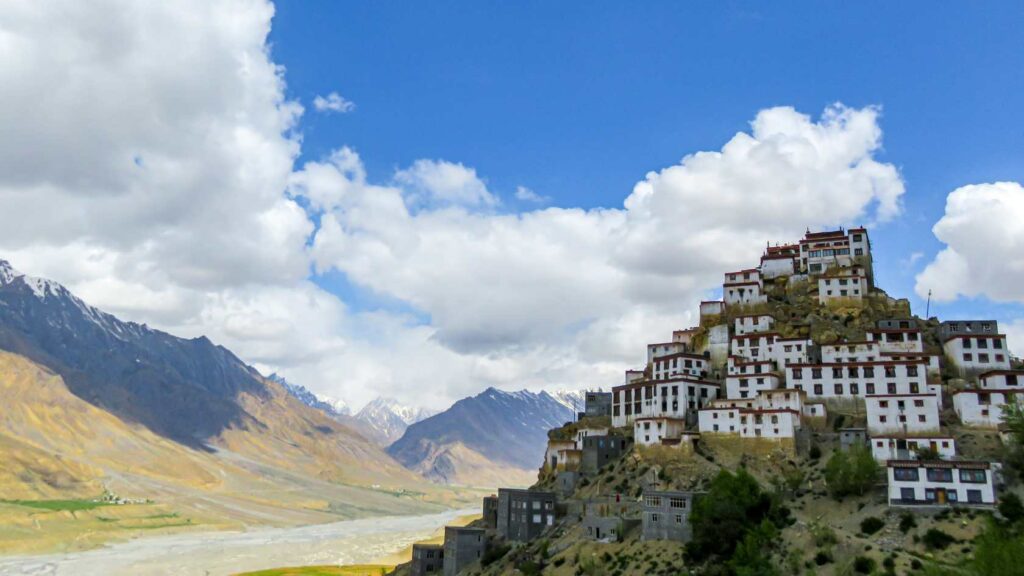
Honestly, seven days is the minimum you need to see Spiti’s main highlights without feeling like you are just sitting in a car the whole time. It works, but it is tight.
What 7 days covers well
Kalpa, Nako, Tabo, Kaza, Key Monastery, Kibber, Chicham, Langza, Hikkim, Chandratal (if circuit route), and the major driving landscapes between them.
Where it feels rushed
Day 3 and Day 6 are long driving days with limited time for stops. If there is a landslide or road delay, your schedule has zero buffer. You do not get time for a hike to any of the higher lakes or a longer stay in Kaza.
What you may miss
Pin Valley, the Dhankar to Pin trek, the Dhankar Lake hike, a proper morning at Chandratal with time to walk around the lake, and slower interactions with local communities and monasteries.
When 8 to 10 days is a better idea
If you want buffer days for weather delays, if you plan to do any short treks, if you are traveling with family or older companions, or if you simply want to sit with a cup of chai in Kaza for an afternoon without feeling guilty about the schedule.
2026 Cost Breakdown for a 7-Day Spiti Trip

Spiti trip costs vary widely based on how you travel. Here is a realistic range for 2026, broken down by travel style.
Stay Cost Per Night (Per Room)
- Budget homestays and guesthouses: INR 600 to 1,200
- Mid-range hotels: INR 1,500 to 3,500
- Comfort stays (where available): INR 3,500 to 6,000
Food Cost Per Day (Per Person)
- Basic dhaba meals: INR 300 to 500
- Mid-range restaurants (Kaza, Manali): INR 500 to 900
- Packed snacks and water: INR 100 to 200 extra
Transport Cost (Total for 7 Days)
- Private cab from Delhi (Innova or similar): INR 35,000 to 50,000 total for the vehicle
- Shared group departure: INR 8,000 to 14,000 per person (all inclusive options also available)
- Self-drive fuel estimate: INR 8,000 to 12,000 for a round trip (petrol car, Delhi to Delhi via circuit)
- Bike trip fuel: INR 3,000 to 5,000
Other Costs
- Rohtang/Atal Tunnel permits: Check latest fees; usually INR 100 to 500 per vehicle
- Inner Line Permit (if applicable beyond certain points): Usually free for Indian nationals but check current rules
- Network and charging: Almost no cost, but carry a power bank
- Cash buffer: Always carry INR 5,000 to 8,000 in cash. Cards and UPI do not work reliably in most of Spiti.
Approximate Per-Person Cost Summary
| Travel Style | Estimated 7-Day Cost Per Person |
| Backpacker (shared transport, budget stays, dhaba food) | INR 10,000 to 15,000 |
| Mid-range (private or shared cab, decent stays, mixed food) | INR 18,000 to 28,000 |
| Comfort (private cab, best available stays, better food) | INR 30,000 to 45,000 |
| Group departure package (transport + stays + meals included) | INR 12,000 to 22,000 |
These are per person estimates assuming 2 to 4 people sharing a vehicle and room. Solo travelers will pay more for transport and stays.
DIY Trip vs Ready Package: Which Makes More Sense?
This is where most Spiti trip planning either gets clear or gets stuck.
When Self-Planning Works
If you are an experienced mountain road traveler, enjoy the logistics of planning, have flexible dates with buffer days, and are comfortable making real-time decisions when roads close or stays fall through, then self-planning a Spiti trip can be rewarding. You control every detail, and you can change plans on the fly.
When a Package Makes More Sense
If this is your first time in Spiti, if you are traveling with a group that includes people who are not comfortable with uncertainty, or if you simply do not have the time to research road conditions, check permit requirements, pre-book stays in villages with no online presence, and coordinate a driver who knows these routes, then a ready package saves you from dozens of small headaches.
What a good package simplifies:
- Vehicle and driver who know the roads and current conditions
- Pre-booked stays at every stop (many Spiti stays do not appear on booking apps)
- Meal coordination in areas where options are scarce
- Real-time itinerary adjustments if a road closes or weather changes
- Permit and paperwork handling
- Altitude and safety guidance from experienced operators
When booking a package genuinely saves you money: If you are a small group of 4 to 6, the per-person cost of a well-organized package often comes out similar to or lower than what you would pay arranging everything yourself, once you add up the cab, stays, and food separately. The real saving is not always financial. It is the hours of research and the stress you skip.
Acclimatisation and Altitude Tips for This Itinerary
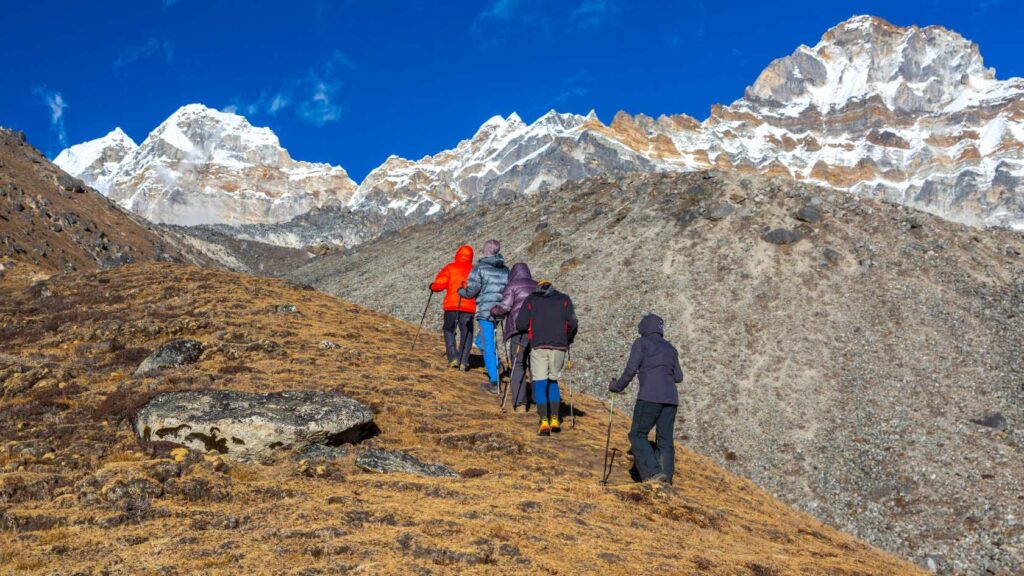
Altitude is the one thing that can turn a good Spiti trip into a miserable one. The spiti day wise plan in this article is designed to help your body adjust gradually, which is one reason the Shimla-side entry works well for first timers.
Why the Shimla Side Helps
When you enter from Shimla, you climb gradually. Night 1 is at around 2,200 metres. Night 2 is at 2,960 metres. Night 3 is at 3,280 metres. By the time you reach Kaza at 3,650 metres, your body has had three nights to adjust. This is much gentler than entering from Manali, where you cross Rohtang (3,978 metres) and Kunzum (4,590 metres) on Day 1 itself, with no acclimatisation at all.
How to Reduce AMS Risk
- Stay well hydrated. Drink 3 to 4 litres of water per day, starting from Day 1.
- Avoid alcohol entirely for the first 3 to 4 days.
- Do not rush uphill or exert yourself at high-altitude stops like Komic or Hikkim.
- Eat light, warm meals. Heavy or oily food at altitude can make nausea worse.
- Carry Diamox (acetazolamide) after consulting your doctor before the trip. It helps some people acclimatise faster.
Symptoms to Watch For
- Mild: Headache, slight breathlessness, fatigue. This is common above 3,000 metres and usually passes within a day.
- Moderate: Persistent headache, nausea, dizziness, loss of appetite. Rest, hydrate, and avoid going higher.
- Severe: Confusion, difficulty walking straight, vomiting, extreme breathlessness at rest. This requires immediate descent. Do not wait it out.
What to Do If Someone Feels Unwell
Do not push higher. Stay at the current altitude or descend if symptoms worsen. Most mild AMS cases resolve with rest, fluids, and a night at the same altitude. If symptoms are moderate or worsening, drive to a lower-altitude town immediately. Kaza has a small medical facility, and Recong Peo has a hospital.
Best Time to Follow This 7-Day Itinerary

The circuit version of this spiti valley itinerary (Shimla in, Manali out) works best from late June through September.
Late June to mid-July
Roads are usually open on both sides. Snow has melted from most passes. Chandratal may still be partly frozen or inaccessible in early June.
Mid-July to August
Peak season. Green valleys, wildflowers in Langza, and the clearest access to all routes. But this is also monsoon time, so expect some rain, possible landslides, and occasional road delays on the Shimla side.
September
Drier, cooler, and less crowded. The landscapes turn golden brown. Chandratal is accessible, but nights are very cold. Roads start becoming less reliable toward the end of the month.
October onward
The Manali side usually closes by mid-October. Snow can hit Kunzum Pass anytime. Use the fallback return route via Shimla if traveling this late.
Shoulder season caution
In early June and late October, road conditions change daily. If your plans are not flexible, avoid these windows or build in extra buffer days.
Where to Stay on This Itinerary
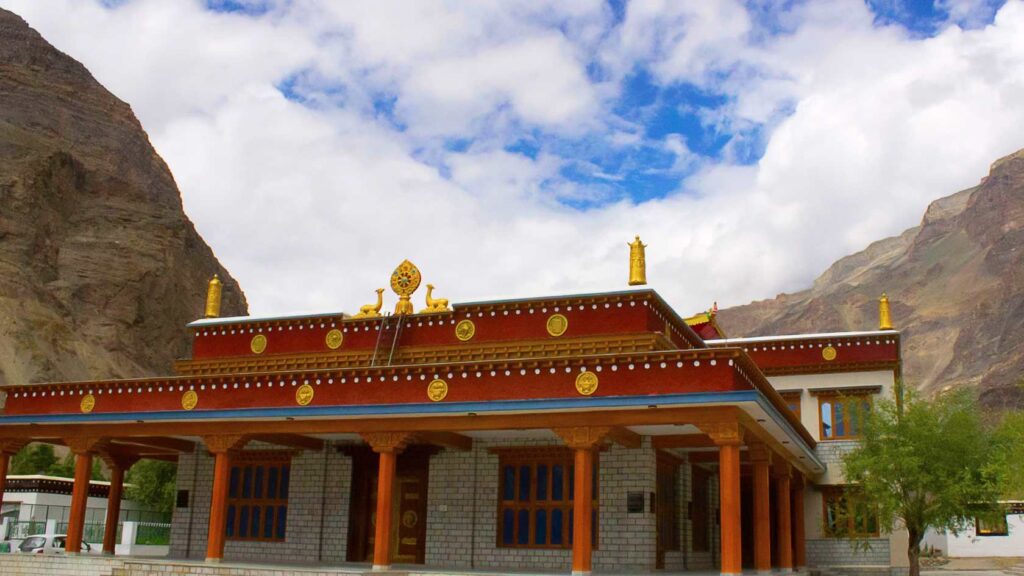
Accommodation in Spiti is simple. There are no luxury resorts or five-star hotels. What you get are homestays, guesthouses, and a few well-run hotels in the larger towns.
Shimla/Narkanda
Widest range on the route. Budget to mid-range hotels are easy to find. No need to pre-book unless traveling on a weekend or holiday.
Kalpa
Homestays here are among the best in the region. A room with a Kinner Kailash view is worth the small premium. Pre-book during peak season.
Tabo
Limited options. A handful of guesthouses and one or two small hotels. Clean but basic. Pre-booking is a good idea since the village is small.
Kaza
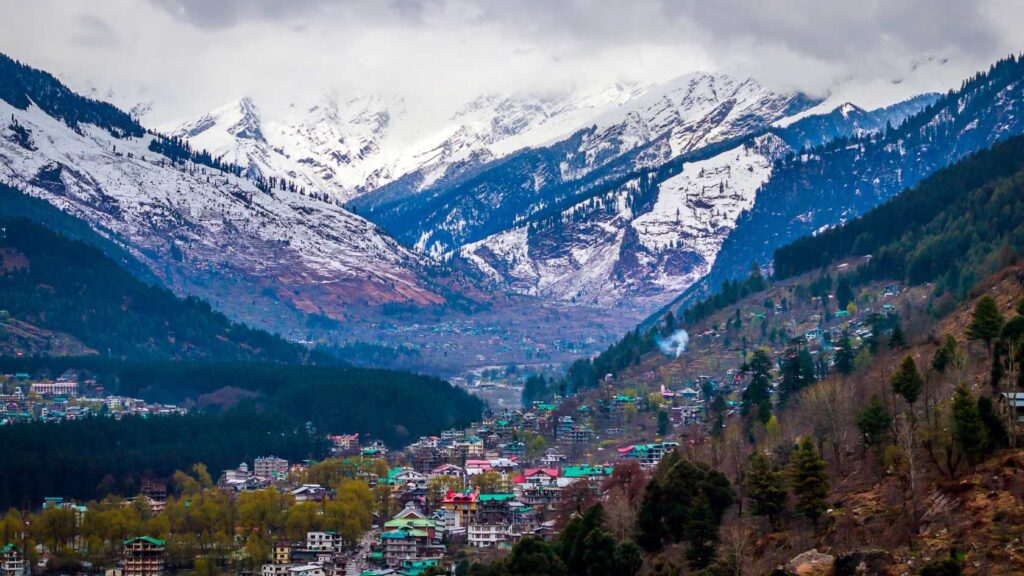
The most options in Spiti. Budget rooms, mid-range hotels, and a few comfort stays with reliable hot water and decent bedding. This is where you get the closest thing to a proper hotel experience in Spiti.
Chandratal
Seasonal tent camps only. No permanent structures. Quality varies. Ask for recommendations or book through an operator who inspects camps regularly.
Manali
Full range from backpacker hostels to boutique hotels. Easy to find and book on any platform.
General tip
Many Spiti stays are not listed on major booking apps. Calling ahead or booking through a travel operator with local contacts gives you more and often better options.
What to Pack for a One-Week Spiti Trip

Pack for three kinds of conditions
hot sun during the day, cold nights at altitude, and the possibility of rain.
Clothing
Layers are everything. A good thermal base layer, a fleece or down jacket, a windproof and waterproof outer layer, and comfortable trekking pants. Carry a sun hat and UV-rated sunglasses. Sunburn at altitude is real and painful.
Footwear
Sturdy, comfortable shoes with good grip. If you plan any short walks or hikes, proper trekking shoes are better than sneakers.
Health and safety
Sunscreen (SPF 50+), lip balm with SPF, personal medicines, basic first aid, Diamox if prescribed, and ORS sachets. Carry a small supply of painkillers and anti-nausea tablets.
Tech
A fully charged power bank (at least 20,000 mAh), your phone charger, and a camera with extra batteries. Cold weather drains batteries faster than you expect.
Documents
ID proof, printed or offline copies of bookings, and cash. Do not rely on digital wallets in Spiti.
Food and water
A reusable water bottle, dry snacks like nuts and energy bars, and a few packets of instant soup or coffee for cold nights when food options are limited.
What not to pack
Heavy luggage. Space in vehicles is limited, especially on shared trips. One medium backpack or duffel is ideal.
Self-Drive vs Private Cab vs Shared Group Trip
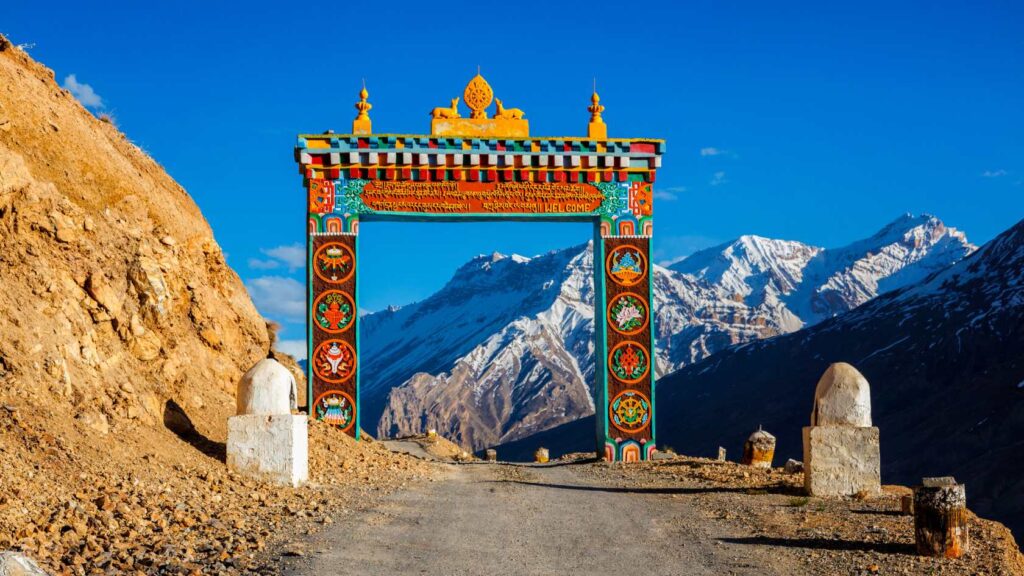
Each travel style suits a different kind of traveler. Here is an honest comparison.
Self-Drive
Cost: Lowest if you already own or are renting a suitable vehicle. Fuel costs roughly INR 8,000 to 12,000. Comfort: You set your own pace, stop where you want, and leave when you want. Planning effort: High. You need to research road conditions daily, carry tools, know basic recovery techniques, and be confident driving on narrow, unpaved mountain roads at high altitude. Best for: Experienced mountain drivers. Small groups of friends who enjoy road trips. People who have done at least one high-altitude drive before.
Private Cab
Cost: INR 35,000 to 50,000 for the vehicle (entire trip). Splits well among 3 to 5 people. Comfort: High. A local driver who knows the roads, the condition of each stretch, and where to stop for food and fuel takes enormous pressure off you. Planning effort: Moderate. You still need to plan the itinerary and book stays unless your cab is part of a package. Best for: Couples, families, and groups who want comfort without the stress of driving.
Shared Group Departure
Cost: INR 8,000 to 22,000 per person, often including transport, stays, and meals. Comfort: Moderate. You travel with strangers, follow a fixed itinerary, and share rooms or vehicles. The trade-off is a significantly lower price. Planning effort: Minimal. Almost everything is handled for you. Best for: Solo travelers, budget travelers, and anyone who wants a no-hassle trip with built-in company.
Frequently Asked Questions
Is 7 days enough for Spiti Valley?
Seven days is enough for a highlights trip covering Kalpa, Tabo, Kaza, Key Monastery, Langza, and Chandratal if both routes are open. It is a fast-paced itinerary with no buffer days, so it works best for travelers comfortable with long driving days and minimal downtime.
What is the best Spiti Valley itinerary for 7 days?
The best 7-day Spiti plan enters through Shimla and exits through Manali. This covers Kalpa, Nako, Tabo, Kaza, the surrounding villages, Chandratal, and Manali in a single loop without backtracking. This route also allows for gradual altitude gain, which is safer and more comfortable.
Can I do Spiti Valley in 7 days from Delhi?
Yes. The itinerary starts and ends in Delhi. Day 1 covers Delhi to Shimla, and Day 7 covers Manali to Delhi. It is a long trip with serious driving, but it is completely doable within 7 days.
Is Shimla or Manali better for a 7-day Spiti trip?
Shimla is the better starting point. It allows gradual acclimatisation because you gain altitude slowly over the first three days. Entering from Manali takes you straight over high passes on Day 1, which increases the risk of altitude sickness.
How much does a 7-day Spiti trip cost in 2026?
A 7-day Spiti trip costs between INR 10,000 and INR 45,000 per person depending on travel style. Budget travelers sharing transport and staying in homestays can manage under INR 15,000. Mid-range travelers with a private cab and decent hotels typically spend INR 20,000 to 30,000. Comfort-focused travelers spending more on stays and food can reach INR 35,000 to 45,000.
Can I include Chandratal in a 7-day itinerary?
Yes, but only when the Manali side is open, typically from late June to early October. Chandratal fits naturally into the circuit route between Kaza and Manali. It adds roughly one day to the plan, which is already accounted for in this itinerary.
Is this itinerary safe for first-time travelers?
It is safe as long as you respect the altitude, carry proper supplies, and follow the Shimla-entry route for better acclimatisation. First-time travelers should seriously consider hiring an experienced driver or booking with an operator who knows the routes and current conditions.
Can families do this itinerary?
Families with children above 10 and reasonably fit adults can do this itinerary comfortably. Families with young children, elderly members, or anyone with respiratory issues should opt for a slower 9 to 10 day version with more rest days built in.
What is the best month for a 7-day Spiti trip?
July and September are the two best months. July offers green valleys and wildflowers. September offers drier weather and fewer crowds. August works too but has a higher chance of rain and landslides.
Should I self-plan or book a package for Spiti?
Self-planning works if you are experienced with mountain travel, have flexible dates, and enjoy logistics. For most first-time travelers, especially groups and families, a package from a Spiti-focused operator saves significant time, reduces stress, and often costs about the same once you add up all the individual expenses.
Want This Itinerary Handled for You?
If this day-by-day plan looks right but the logistics feel like a lot to manage on your own, that is completely normal. Between road conditions that change weekly, stays that are not listed online, altitude planning, and vehicle coordination, there are a lot of moving parts.
Spiti Valley Packages specialises in exactly this route. You can share your preferred dates, group size, and travel style, and get a complete trip plan with pricing. No templates. Everything is built around how you want to travel.
Also read: Spiti Valley Trip Cost 2026: Complete Budget Breakdown