
Some places you visit. Chandratal Lake is the kind of place that stays with you. Tucked away in the cold desert of Spiti Valley at roughly 4,300 metres, this crescent shaped lake changes colour right in front of your eyes, from deep blue to turquoise to emerald, depending on where the sun is. There are no hotels, no cafés, no phone signals. Just mountains, silence, and a sky full of stars you didn’t know existed.
Here’s what you need to know before you go:
- Location: Spiti Valley, Himachal Pradesh
- Altitude: ~4,300 metres
- Best time to visit: June to September
- How to reach: Via Manali (most popular) or via Kaza
- Permit: No permit required for Indian citizens (may change, always double check)
- Stay: Camping only. No hotels anywhere near the lake.
- Known as: The “Moon Lake” of Spiti
- Accessible: Only about 4 months a year
Now let me walk you through everything you’ll need to plan this trip properly.
Where is Chandratal Lake Located?
Exact Location & Geography
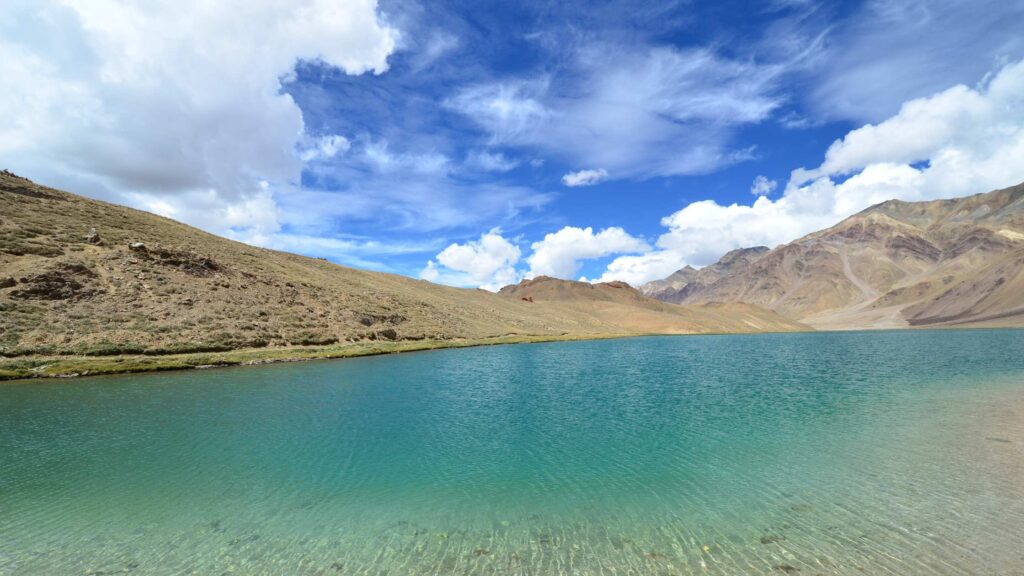
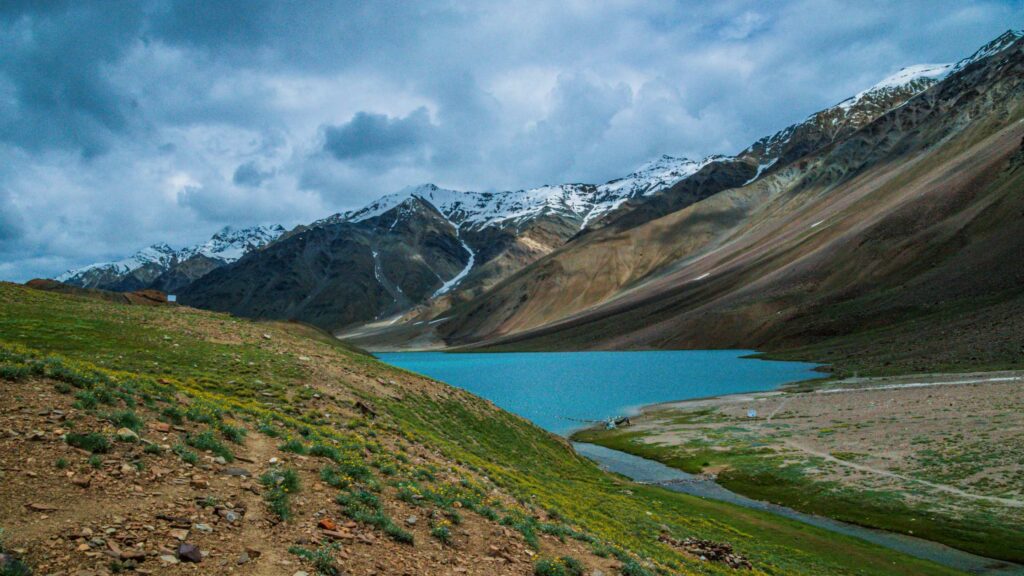
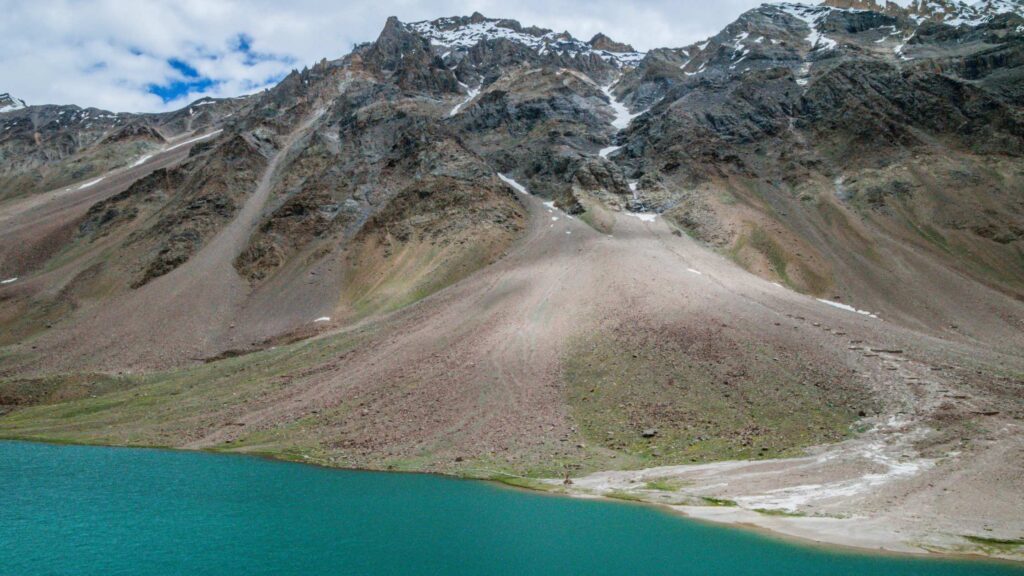
Chandratal Lake sits near Kunzum Pass in the Spiti Valley region of Lahaul and Spiti district, Himachal Pradesh. It’s part of a high altitude cold desert landscape, surrounded by barren brown mountains with patches of snow even in summer. The lake is fed by glacial melt, which is why the water is so impossibly clear.
Geographically, it falls between the Kunzum range and the Chandra river valley. If you’re coming from Manali, you’ll cross through Gramphu and Batal before reaching the lake. From the Spiti side, the approach is through Losar and Kunzum Pass.
Altitude & Terrain
At roughly 4,300 metres above sea level, Chandratal Lake is not a casual day trip destination. The altitude is serious. The air is thin, the temperature drops sharply after sunset, and the terrain around the lake is a mix of rocky ground, sparse grassland, and glacial streams. Think cold desert, not lush green valley.
If you’ve never been above 3,500 metres before, give your body time to adjust. More on that in the tips section below.
Why Visit Chandratal Lake?
I’ll be honest. Chandratal is not a comfortable trip. The roads are rough, the weather is unpredictable, and you’ll be far from any kind of civilization for most of it. So why do thousands of people make this journey every year?
Because it’s one of those rare places that actually lives up to the hype.
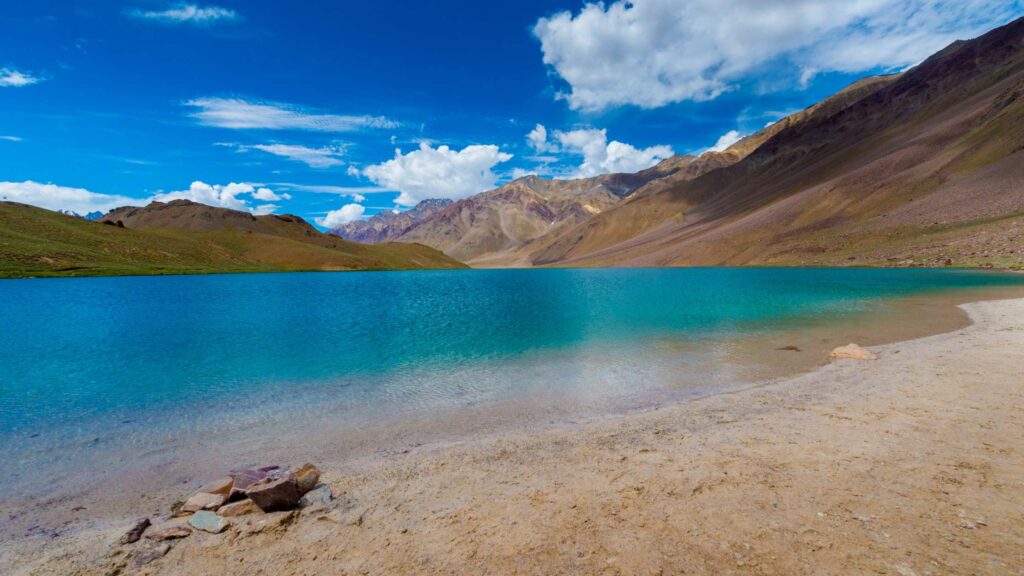
- The water changes colour throughout the day. Not subtly. You’ll see it go from deep blue in the morning to bright turquoise by midday to almost green in the evening. It’s bizarre and beautiful.
- It’s genuinely remote and untouched. No vendors, no ticket counters, no queue lines. Just nature doing its thing without any human interference.
- The stargazing is unreal. With zero light pollution and thin atmosphere at this altitude, the Milky Way is visible with the naked eye. If you’ve never seen a sky like this, Chandratal will ruin every other night sky for you.
- The silence. This might sound strange, but the silence at Chandratal is something you physically feel. No traffic, no music, no chatter. Just wind and water.
If you’re the kind of traveller who values experiences over convenience, this is your place.
How to Reach Chandratal Lake
There are two main routes to Chandratal Lake, and which one you pick depends on where you’re coming from and how much time you have.
Route 1: Via Manali (Most Popular)
Manali → Atal Tunnel → Gramphu → Batal → Chandratal
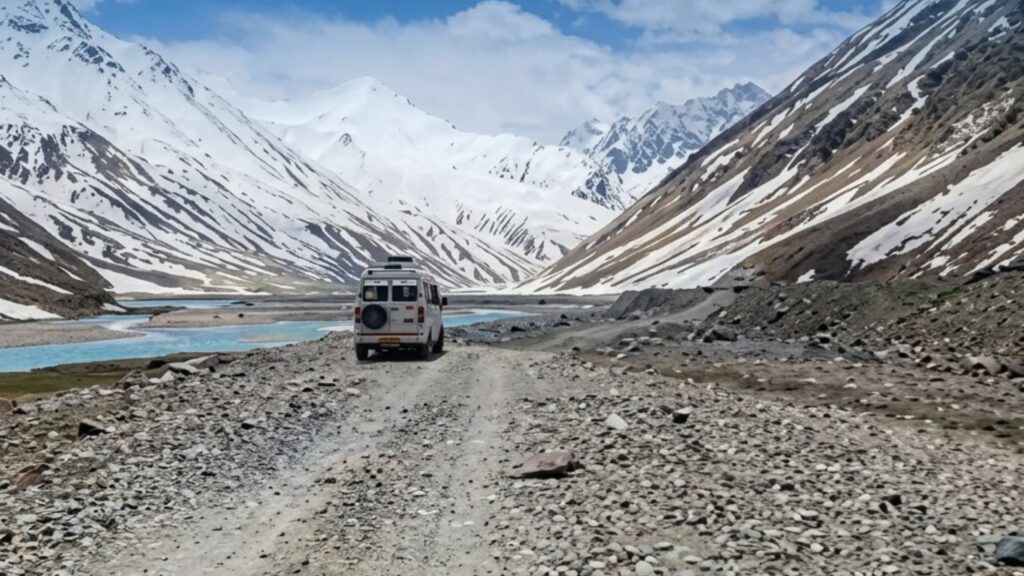
This is the route most people take, especially first timers. It’s the more direct approach, and the Atal Tunnel has made the first half of the drive significantly easier.
- Total distance: ~115 km
- Travel time: 5 to 7 hours
- Road quality: Good till Gramphu, rough after that, terrible near Chandratal
Best for: Short trips, direct access, people coming from Delhi or Chandigarh side
For a detailed breakdown of this route including road conditions and stops, check out our [Manali to Chandratal Road Trip Guide].
Route 2: Via Kaza (Spiti Route)
Kaza → Losar → Kunzum Pass → Chandratal
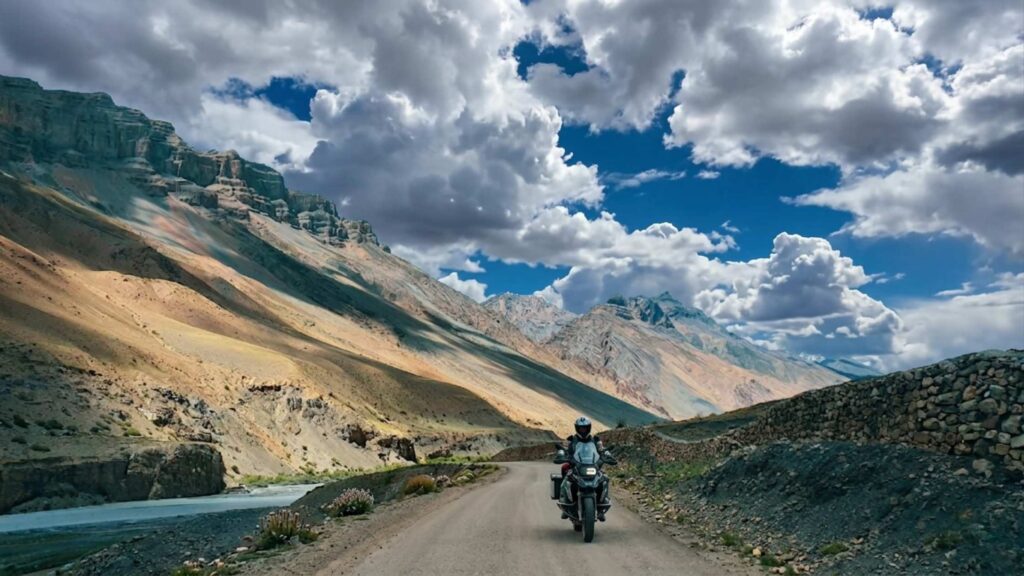
If you’re already exploring Spiti Valley, this is the natural way to reach Chandratal. The drive is shorter, and you’ll likely be better acclimatised since you’ve already spent time at altitude in Kaza.
- Total distance: ~90 km
- Travel time: 3 to 4 hours
- Road quality: Moderate, with some rough patches near Kunzum
Best for: People doing the full Spiti circuit, better acclimatisation, less rushed trip
Nearest Airport & Railway Station
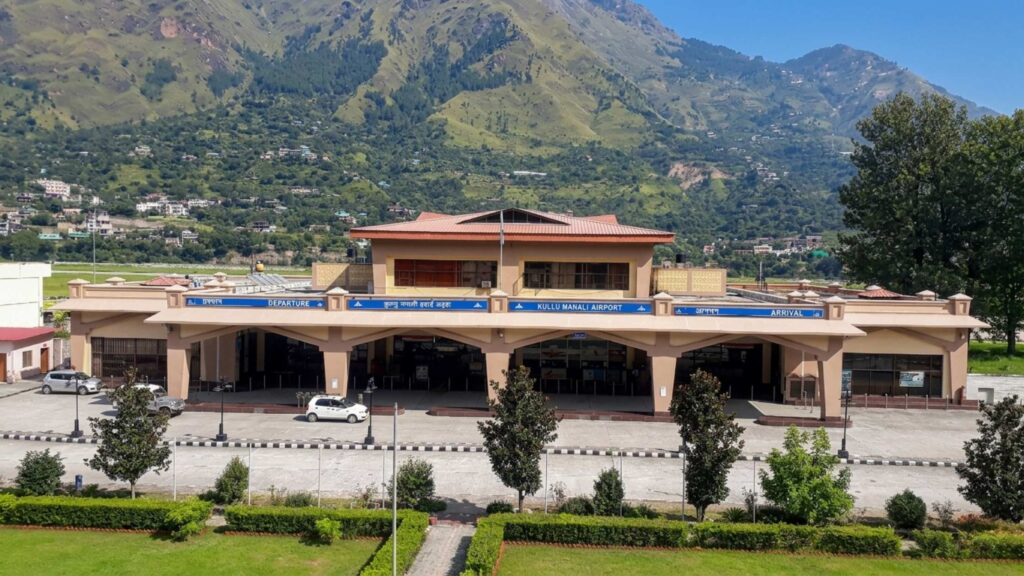
- Nearest airport: Bhuntar (Kullu), approximately 260 km from Chandratal. From Bhuntar, you’ll need to drive to Manali first and then continue.
- Nearest railway station: Joginder Nagar, roughly 300 km away. Not the most convenient option, but it exists.
Realistically, most people either drive from Manali or fly into Bhuntar and then road trip from there.
Chandratal Lake Road Conditions (2026)
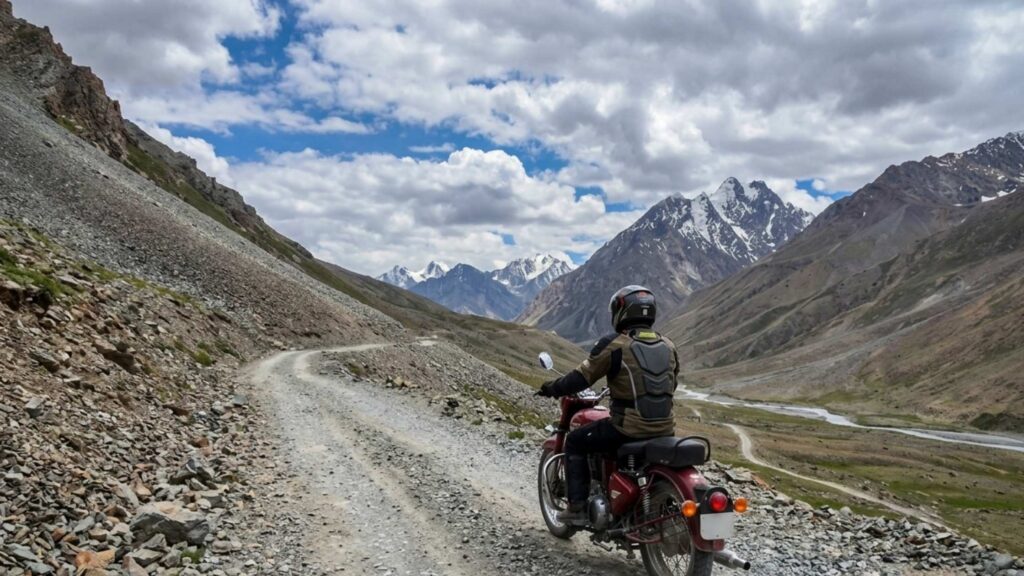
Let’s keep this simple because road conditions matter more than distance on this trip.
- Manali to Gramphu: Good road, especially through the Atal Tunnel. No issues.
- Gramphu to Batal: This is where comfort ends. Rough, narrow, unpaved roads with water crossings and zero guardrails. Budget extra time.
- Batal to Chandratal: The worst stretch. Pure dirt track for about 14 km. Rocky, uneven, and genuinely challenging even for experienced drivers.
Roads are seasonal and conditions change week to week depending on rainfall and snowmelt. For real time updates, check our [Chandratal Road Status] page before you leave.
Best Time to Visit Chandratal Lake
Summer (June to September)
This is the only season Chandratal Lake is accessible. The road opens sometime in late May or early June depending on how much snow fell that winter, and closes again by late September or early October.
- Camping season runs from June through September
- All campsites operate only during this window
- Outside this window, the roads are closed and conditions are dangerous
Month by Month Snapshot
June The road has just opened. There might still be snow patches around the lake and on the trail. Fewer tourists, which is nice, but the weather can be unpredictable. Some campsites may not be fully operational yet.
July and August Peak season. The landscape is at its greenest, wildflowers are out, and the lake looks its most vibrant. But this is also monsoon time, so rain can make water crossings worse and the Batal to Chandratal track muddier. Expect more crowds and higher camp prices.
September If you can time it right, September is often the best month to visit Chandratal Lake. The rain eases off, skies are clear, the mountains turn golden brown, and the crowds thin out. The lake is still accessible, and the weather is crisp but manageable.
For a deeper look at visiting in early season, check out our guide on [Chandratal in June 2026].
When to Avoid
October through May. The road is closed. Camps are shut. Temperatures drop well below freezing. Snow covers everything. Unless you’re on a serious mountaineering expedition, don’t attempt it.
Chandratal Lake Permits (2026)
Do You Need a Permit?
Indian citizens: As of 2026, no permit is required for Indian nationals visiting Chandratal Lake. However, this is an eco sensitive zone and rules can change, so it’s always worth checking with the local administration or your camp operator before you go.
Foreign nationals: May need an Inner Line Permit (ILP) for certain parts of Spiti Valley. If you’re a non Indian passport holder, verify the latest requirements with the Himachal Pradesh tourism office or your travel agent well in advance.
Environmental Rules
Chandratal is part of an eco sensitive zone, and the rules here are taken seriously.
- No camping directly near the lake. All campsites are located 2 to 3 km before the lake.
- No littering. Carry your trash out. Seriously. This place is pristine because people have respected it.
- No bonfires near the lake area
- No loud music or generators
Entry Guidelines
- There’s a designated parking area before the lake
- From the parking area, it’s a 1 to 2 km walk to the lake itself
- Vehicles are not allowed beyond the parking zone
- The walk is flat and easy, takes about 20 to 30 minutes
Chandratal Camping Guide
Where to Stay
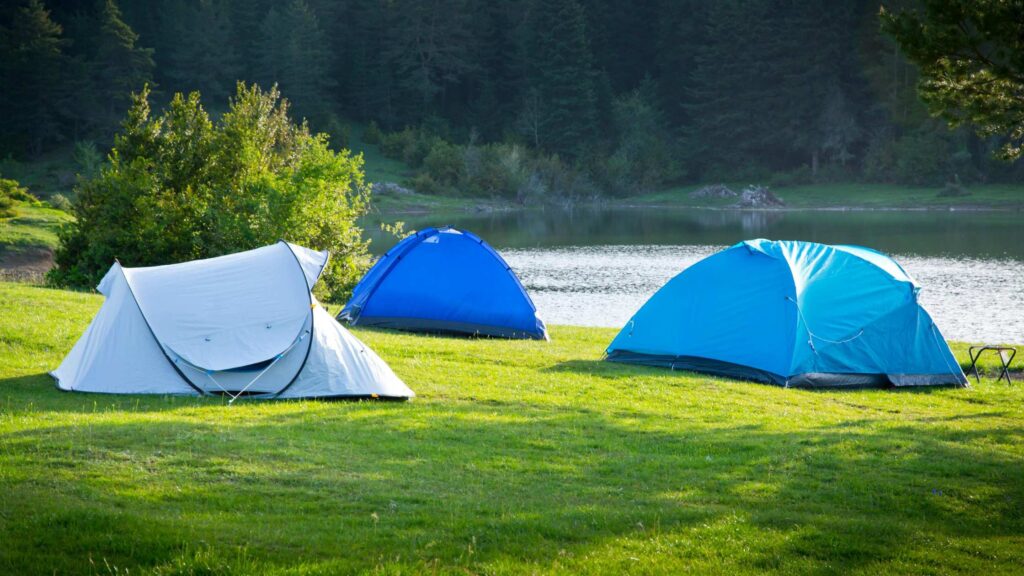
Your only option near Chandratal Lake is camping. The campsites are scattered along the road about 2 to 3 km before you reach the lake’s parking area. There are no hotels, no guesthouses, no homestays.
Most camps are seasonal operations that are set up in June and pack up by late September.
Camping Cost
- Budget camps: ₹1,500 to ₹2,000 per person (basic tent, meals, shared washroom)
- Mid range camps: ₹2,000 to ₹3,000 per person (better tents, thicker mattresses, attached or nearby washroom)
- Premium camps: ₹3,000 to ₹3,500 per person (dome tents, warmer bedding, better food)
Prices usually include dinner and breakfast. Some camps offer packed lunch as well.
What to Expect
Let me set expectations clearly so you’re not surprised when you arrive.
- Tents are basic. Even at premium camps, you’re in a tent with a sleeping bag and a mattress, not a resort room.
- Washrooms are shared in most cases. Some camps have attached basic bathrooms, but don’t expect hot showers. Some camps offer bucket hot water.
- Electricity is limited. Most camps run on solar. Charging options may be limited, so bring your own power bank.
- Food is simple but filling. Dal, rice, roti, sabzi, maggi, chai. Don’t expect a menu with choices. You eat what’s cooked, and honestly, it tastes great when you’re at 4,300 metres after a long drive.
- It gets cold. Even in July and August, nighttime temperatures can drop close to freezing. Camps provide blankets and sleeping bags, but bring your own warm layers just in case.
What to Expect at Chandratal Lake
The Lake Experience
You’ll park your vehicle at the designated area and walk about 1 to 2 km to reach the lake. The path is mostly flat with some rocky sections, nothing strenuous.
And then you see it.
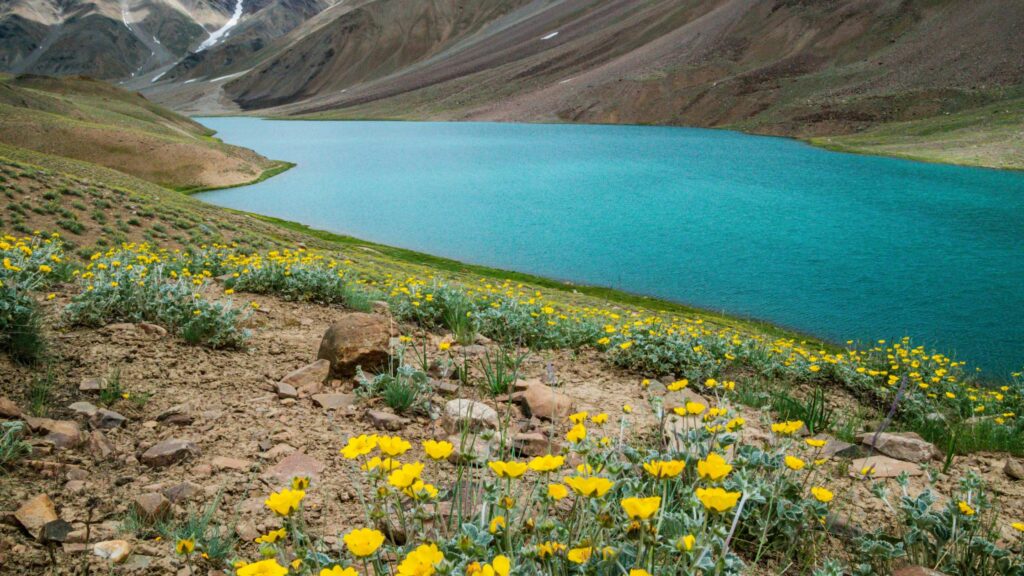
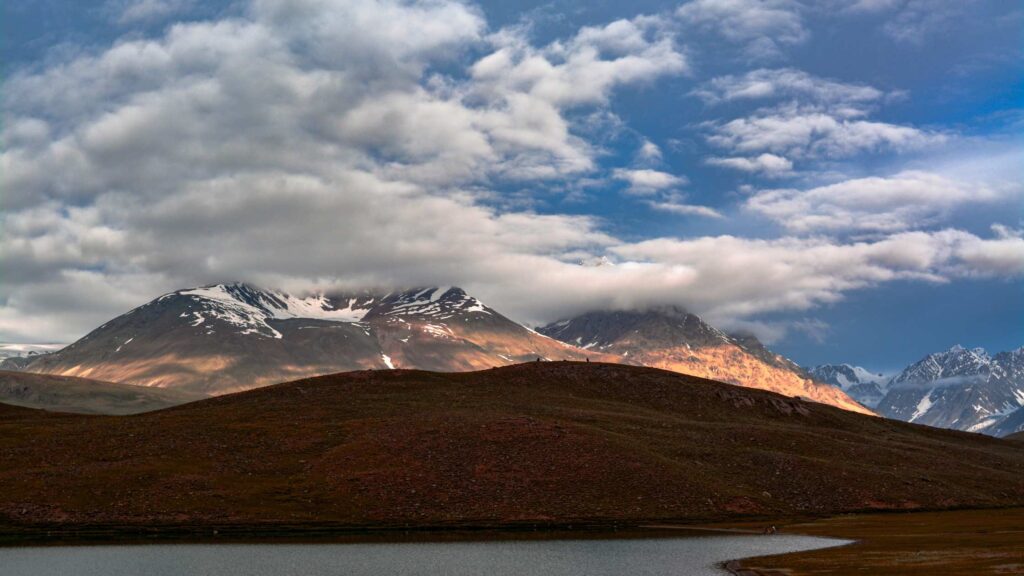
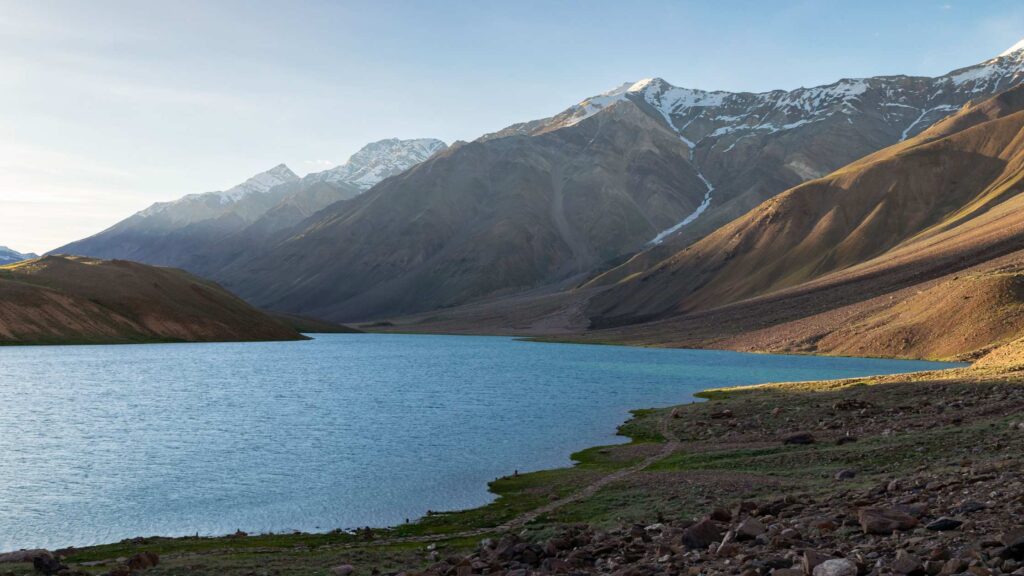
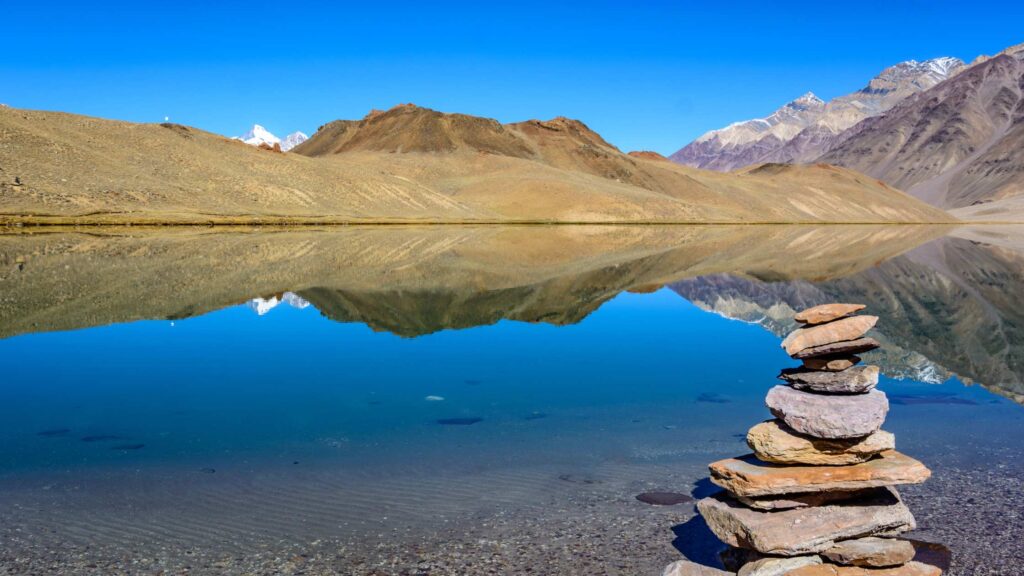
Chandratal is shaped like a crescent, which is why it’s called the “Moon Lake.” The water is absurdly clear. You can see the bottom in the shallow sections. And the colour really does change throughout the day. Morning light makes it look deep blue. The afternoon sun turns it turquoise. Evening casts it in shades of green and grey. It’s not a filter or a camera trick. It actually does this.
The lake is surrounded by brown, barren mountains with patches of snow at the top. There are no trees. Just rock, water, sky. The simplicity of it is what makes it so striking.
Stargazing
If there’s one thing you absolutely must do at Chandratal, it’s stepping outside your tent after dinner and looking up.
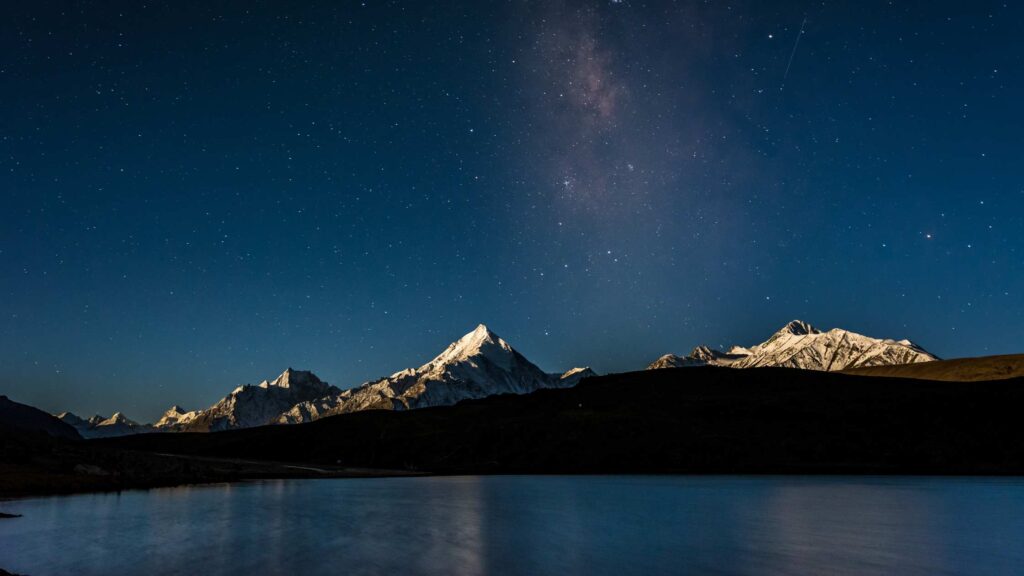
With zero light pollution and the thin atmosphere at 4,300 metres, the night sky here is unlike anything most of us have ever seen. The Milky Way stretches across the sky like someone spilled white paint. You’ll see shooting stars without even trying. If you have a half decent camera and a tripod, this is your chance to take those astrophotography shots you’ve always wanted.
September nights are typically the clearest for stargazing.
The Short Trek
The walk from the parking area to the lake is about 1 to 2 km. It’s not a real “trek” by any standard. More like a pleasant walk across open ground with mountain views in every direction. Flat terrain, easy pace. Even if you’re not particularly fit, you’ll manage it comfortably.
Just go slow. At this altitude, even a short walk can leave you breathless if you rush.
Things to Do at Chandratal Lake
Chandratal isn’t a place with a checklist of “activities.” It’s a place where you slow down. That said, here’s what most people spend their time doing:
- Camping by the lake is the main draw. Spending a night in this landscape is an experience on its own.
- Photography is practically unavoidable. The lake, the mountains, the sky… everything is worth shooting.
- Stargazing at night. I already mentioned it above, but it deserves repeating. It’s that good.
- Nature walks around the campsite area. The terrain is stark and beautiful. You’ll find small streams, wildflowers in season, and interesting rock formations.
- Just sitting and doing nothing. Sounds simple, but at Chandratal, doing nothing feels like the most meaningful thing you’ve done in months.
Packing List for Chandratal Trip
Clothing
- Heavy winter jacket or down jacket (nights are freezing)
- Thermals, both top and bottom
- Warm fleece or hoodie for layering
- Gloves and a beanie or warm cap
- Waterproof trekking shoes
- Extra socks (your feet will thank you)
Essentials
- Sunscreen with high SPF (UV is intense at this altitude)
- Good quality sunglasses
- Power bank (at least 10,000 mAh, ideally 20,000)
- Torch or headlamp
- Reusable water bottle
- Dry snacks and energy bars
Safety
- Basic first aid kit
- Medicines for headache, nausea, and altitude sickness (Diamox if recommended by your doctor)
- Any personal prescription medicines
- ORS packets
Important Travel Tips
Acclimatisation
This is the single most important tip for Chandratal Lake. At 4,300 metres, altitude sickness is a real possibility, especially if you’re driving up from the plains in one shot. Symptoms include headaches, nausea, dizziness, and breathlessness.
What to do: Spend at least one night at a lower elevation before heading to Chandratal. Manali (2,050 m) or Kaza (3,650 m) are both good acclimatisation stops. Don’t push through if you’re feeling off. Altitude sickness can turn serious quickly.
Carry Cash
There are no ATMs between Manali and Chandratal. And the ones in Manali can be unreliable during peak season. Carry enough cash for fuel, food, camping fees, and emergencies. ₹5,000 to ₹8,000 per person is a safe range for a 2 to 3 day trip.
No Network
Your phone becomes a fancy camera and alarm clock the moment you pass Gramphu. There’s no mobile network at Chandratal. No calls, no data, no UPI payments. Tell your family your plans before you leave and agree on a “no news is good news” policy.
Fuel Planning
The last petrol pump on the Manali side is in Manali town. From the Spiti side, the nearest pump is in Kaza. Fill your tank to the brim. If you’re on a motorcycle, carry a spare jerry can. Running out of fuel in this area means a very long, very cold wait for help.
Chandratal Lake Itinerary Options
2 Day Trip (Quick)
- Day 1: Manali → Chandratal (start at 5 AM, reach by afternoon, camp overnight)
- Day 2: Chandratal → Manali (sunrise at the lake, drive back)
This is tight but doable if you’re short on time. You won’t have much time to relax, but you’ll see the lake.
3 to 5 Day Trip (Spiti Circuit, Recommended)
- Day 1: Manali → Kaza (acclimatise, explore the town)
- Day 2: Kaza → Key Monastery → Hikkim → Langza (explore Spiti highlights)
- Day 3: Kaza → Chandratal (camp overnight)
- Day 4: Chandratal → Manali (drive back through Batal and Gramphu)
This gives you time to breathe, literally and figuratively. Acclimatisation is better, you see more of Spiti, and the overall experience is far more enjoyable.
For people coming from Delhi, check out our [Chandratal Trip from Delhi] guide for a complete itinerary with driving distances and overnight stops.
For the best timing and season specific advice, see our [Best Time to Visit Chandratal] guide.
Chandratal Lake vs Pangong Lake
People ask this question a lot, so let me give you an honest comparison.
Chandratal Lake
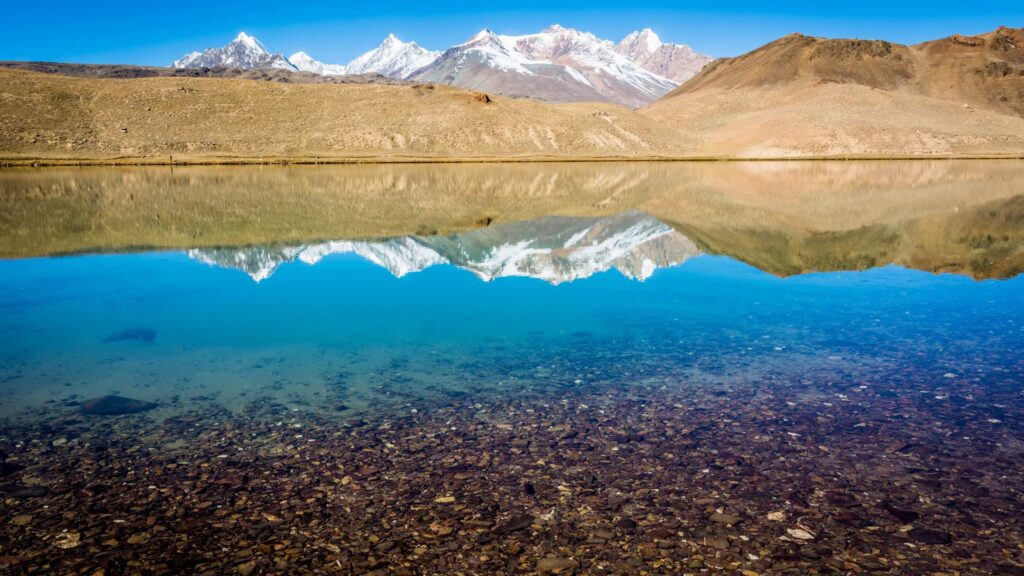
- Crowd level: Low. You’ll share the lake with a handful of campers, not busloads of tourists.
- Accessibility: Seasonal only (June to September). Rough roads. Effort required.
- Experience: Raw, untouched, deeply personal. Feels like you’ve discovered something.
- Stay: Camping only. Basic facilities.
- Permit: No permit for Indians.
Pangong Lake
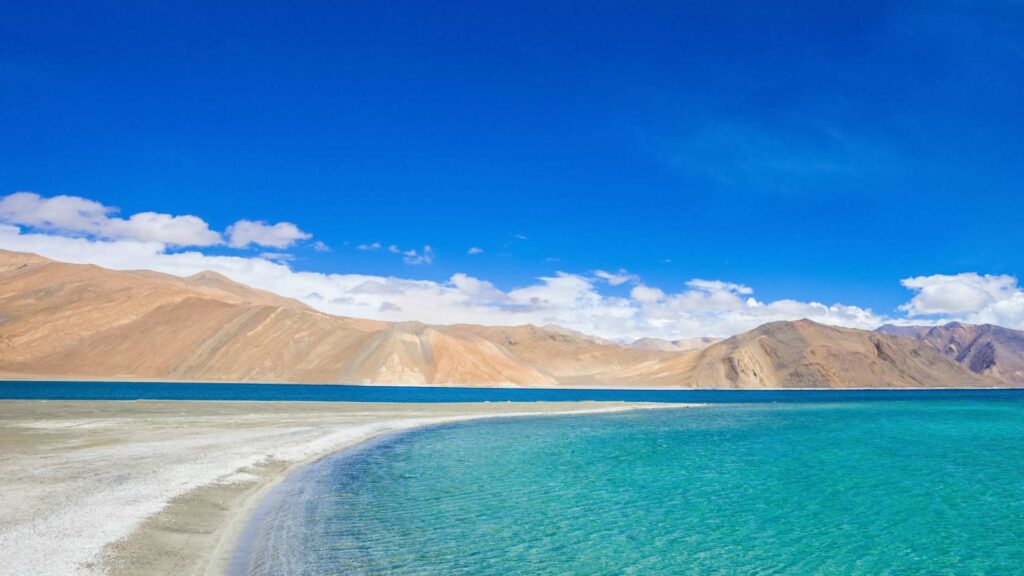
- Crowd level: High. This is a mainstream tourist destination now, especially after its Bollywood appearance.
- Accessibility: Year round access possible (though winter is harsh). Better connected roads.
- Experience: Beautiful, but commercial. Expect photo ops with yaks, souvenir stalls, and lots of other tourists.
- Stay: Hotels and camps available.
- Permit: Inner Line Permit required.
Bottom line: If you want convenience and a checked box on your travel list, go to Pangong. If you want an experience that moves you, go to Chandratal.
FAQs
Where is Chandratal Lake located?
Chandratal Lake is located in Spiti Valley, Lahaul and Spiti district of Himachal Pradesh, at an altitude of approximately 4,300 metres near Kunzum Pass.
How to reach Chandratal Lake?
You can reach Chandratal Lake either from Manali (via Atal Tunnel, Gramphu, and Batal, roughly 115 km) or from Kaza (via Losar and Kunzum Pass, roughly 90 km). From the parking area, it’s a 1 to 2 km walk to the lake.
What is the best time to visit Chandratal Lake?
The best time to visit is between June and September, with September often offering the best combination of clear skies, stable roads, and fewer crowds.
Do we need a permit for Chandratal Lake?
Indian citizens currently do not need a permit. Foreign nationals may require an Inner Line Permit for parts of Spiti Valley. Always verify the latest rules before your trip.
Can we stay at Chandratal Lake?
No. Camping is not allowed directly at the lake. You stay at designated campsites located 2 to 3 km before the lake and walk in.
Is Chandratal safe to visit?
Yes, Chandratal is safe to visit as long as you plan properly. The main risks are altitude sickness, rough roads, and cold temperatures. Acclimatise well, drive carefully, and carry warm clothing and basic medicines.
The Bottom Line
Chandratal doesn’t try to impress you. It doesn’t need to. There are no entry gates, no tourist infrastructure, no one selling you an experience. You drive for hours on broken roads, walk the last stretch on your own feet, and then the lake just… appears. Quiet, impossibly beautiful, completely indifferent to your presence. That’s what makes it unforgettable. You don’t conquer Chandratal. You earn it.
Also read: Manali to Chandratal Lake Road Trip: Route, Distance, Stops & Day-by-Day Itinerary (2026 Guide)