Yes, this itinerary is designed for a short but well-paced trek, allowing enough time for acclimatization, camping, and the summit attempt.
The ideal trekking window is June to October, when snow levels are manageable, trails are mostly clear, and weather is relatively stable.
The trek is moderate to challenging. While the trail is manageable for experienced trekkers, the summit day involves steep, rocky terrain requiring good endurance and stamina.
Moderate fitness is recommended. Beginners can attempt it if accompanied by an experienced guide and with proper preparation, but some sections may be physically demanding.
What is the total distance and elevation gain of the trek?
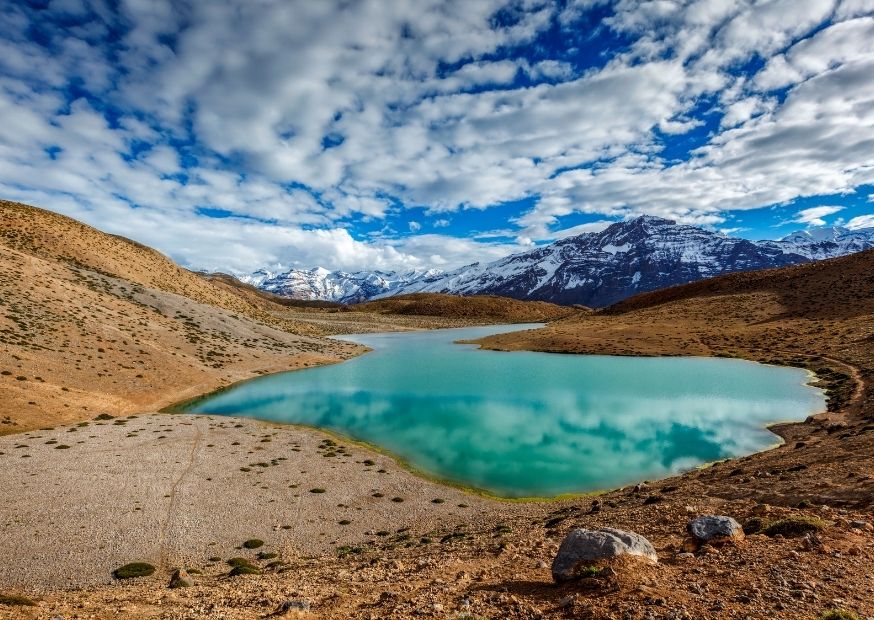
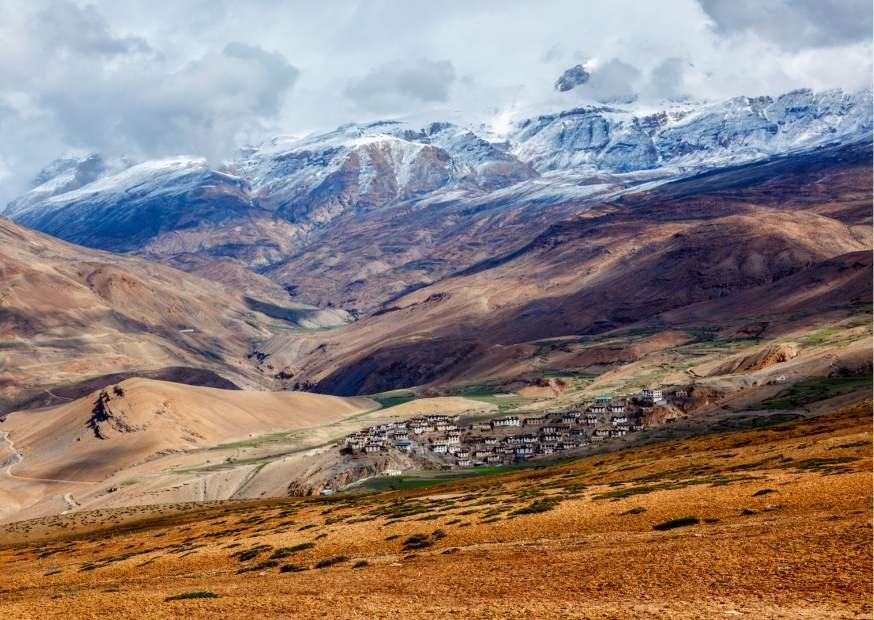
The trek covers approximately 20–25 km over 3 nights, with the summit elevation at around 17,000 feet, offering panoramic views of the Spiti Valley.
Hiring a guide is strongly recommended for navigation, safety, and acclimatization support. Porters are optional but helpful for carrying heavy luggage.
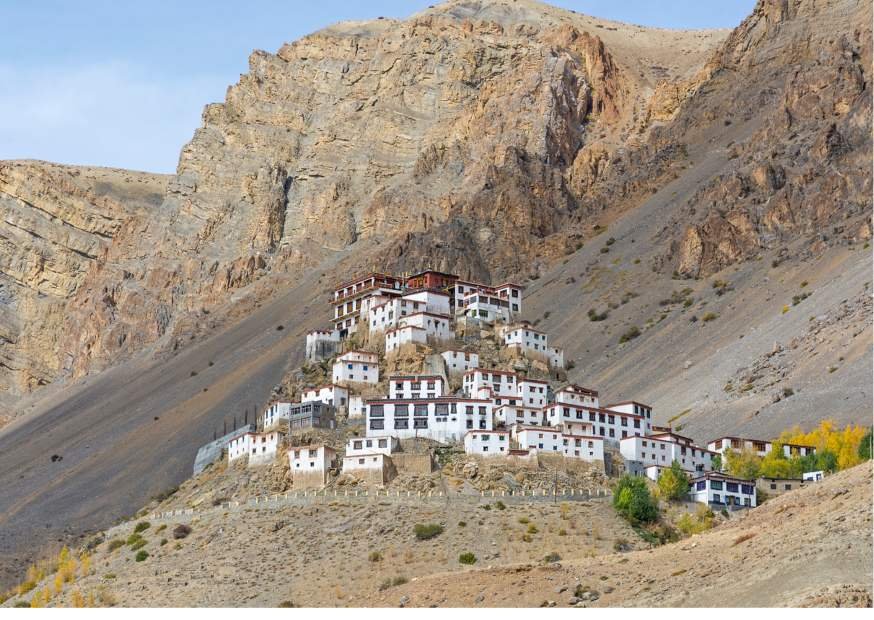
Accommodation is mostly in tents at base and higher camps. Some itineraries may include a night in a homestay before or after the trek.