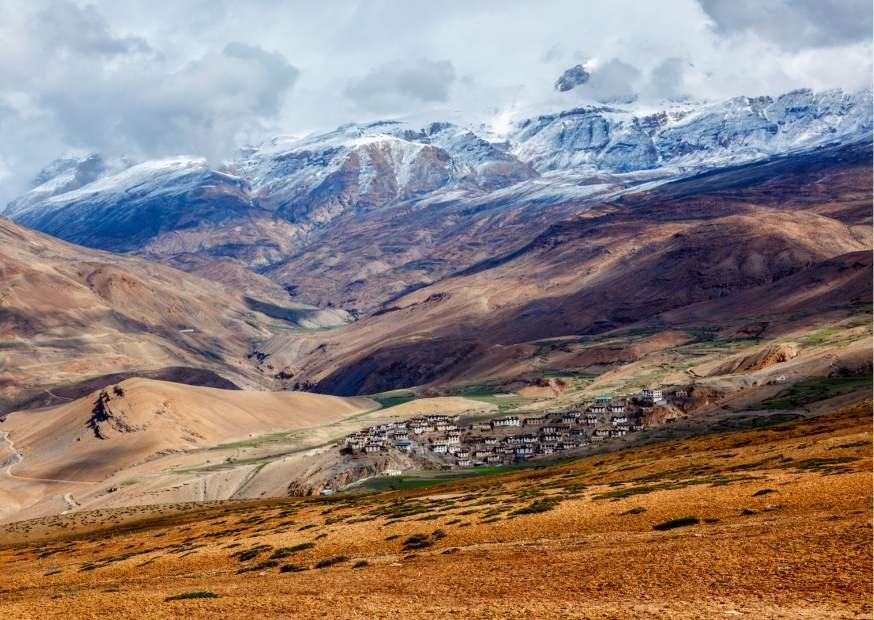
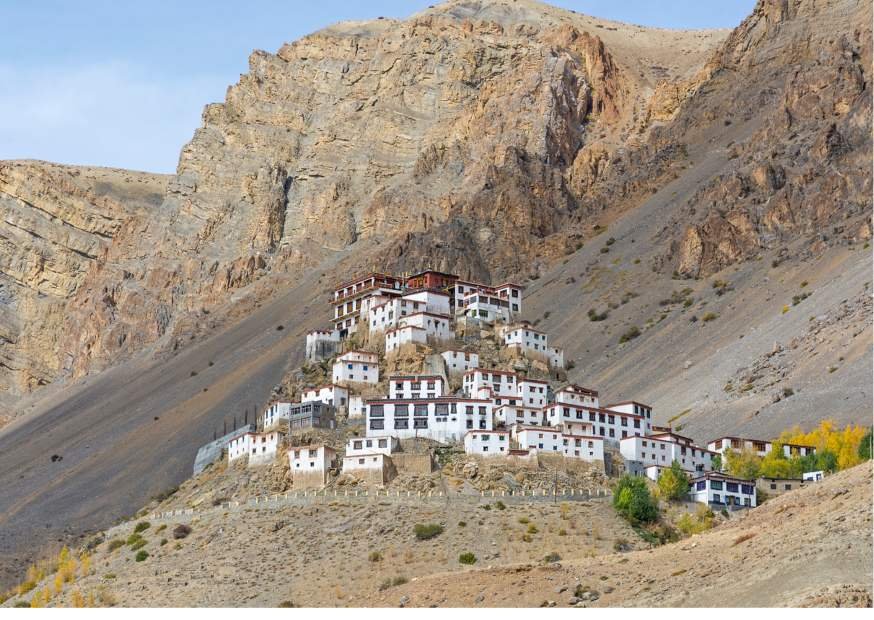
Yes, this duration is ideal for completing the trek comfortably. It allows gradual acclimatization, exploration of surrounding villages, and enough time to enjoy the stunning high-altitude landscapes without rushing.
The trek is considered moderately challenging to difficult. It involves long trekking days, steep ascents, and high-altitude terrain above 14,000 feet. A moderate level of fitness and some prior trekking experience are recommended.
The most suitable months are June to September, when the trails are mostly snow-free and weather conditions are stable. Early June may still have snow patches, and late September can be cold with occasional snowfall.
Key items include trekking shoes, warm layers, insulated jackets, gloves, trekking poles, sleeping bag, headlamp, sunglasses, sunscreen, and high-energy snacks. Weather can change rapidly, so waterproof and thermal layers are important.
Hiring a local guide is highly recommended for navigation, safety, and insights about the region. Porters are optional but useful for carrying heavier gear and supplies, allowing trekkers to travel lighter.
Organized treks include trained guides, first-aid kits, emergency communication devices, and monitoring for altitude-related symptoms. Trekkers should also carry personal medication and a small first-aid kit.
Yes, since the trek reaches elevations above 14,000 feet, altitude sickness can occur. Gradual ascent, proper hydration, pacing, and taking acclimatization days are essential for safety.