
If you are an avid traveler, then you know that traveling to Spiti in January is not impossible, but it can be hazardous if you don’t plan and prepare well.
Last year only, a group of five travellers got stranded near Nako for three days after ignoring a forecast. Local drivers, however, could read the weather patterns and had taken the forecast seriously.
The group got lucky, and they made it out, but their “adventure” became a cautionary tale in every homestay from Kaza to Kalpa. So by hazardous, I mean in-the-blink-of-an-eye-HAZARDOUS!
January temperatures in Kaza drop to -20°C to -30°C, and the landscape transforms into something that feels prehistoric. But getting there requires knowledge, flexibility, and the right route.
Quick Verdict: Yes, But Only With the Right Approach
So, to answer the question, “Can you travel safely to Spiti in January?” ….Yes, yes… abig yes! If you’re prepared for winter expedition conditions, not a standard road trip….Spiti in January is just the right place for you.
The one-line truth: The Manali-Kaza route via Kunzum Pass closes for seven winter months, so January access is exclusively through the Shimla-Kinnaur-Spiti route.
Who should NOT attempt this:
- Travellers with fixed return flights within 7 days (buffer days are for survival and safety)
- Anyone expecting “normal” sightseeing (you’re entering frozen Spiti)
- Groups with very young children or elderly members without serious cold-weather planning
- First-time high-altitude travellers without acclimatisation patience
What “Safe” Actually Means in January
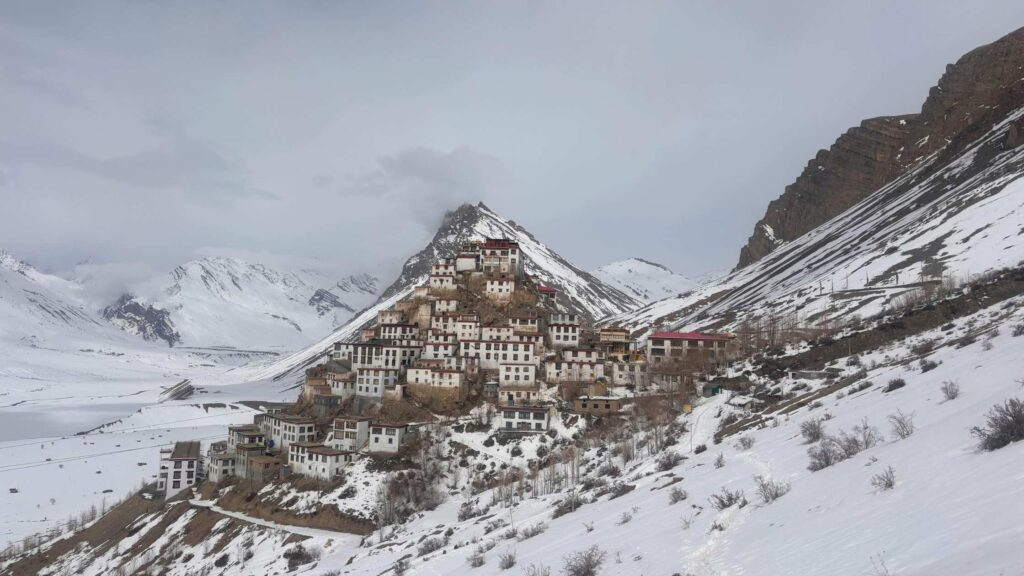
Let’s get honest about January safety in Spiti.
Safe doesn’t mean comfortable. It doesn’t mean Instagram-perfect moments every hour. Safe means travelling with flexible schedules, experienced drivers, and proper winter gear.
The Non-negotiables Of Safe January travel:
- Daylight-only driving (8 AM – 4 PM window)
- At least 2 buffer days in your itinerary
- Experienced local driver who knows winter roads
- Stays with confirmed heating + power backup
- Willingness to wait out a snowfall day indoors
What To Avoid:
There are some actions that people often take that are risky and that can leave them stranded. Those are:
- Rushing Shimla to Kaza in one shot
- Night driving for “extra time”
- Booking non-refundable hotels without weather contingency
- Ignoring local advice because “Google says it’s fine.”
One group I met in Tabo had planned a 9-day route for a 7-day trip. When snow blocked the Malling Nallah section, they simply stayed an extra day in Nako, explored on foot, and still made it home stress-free.
Spiti Road Reality in January:
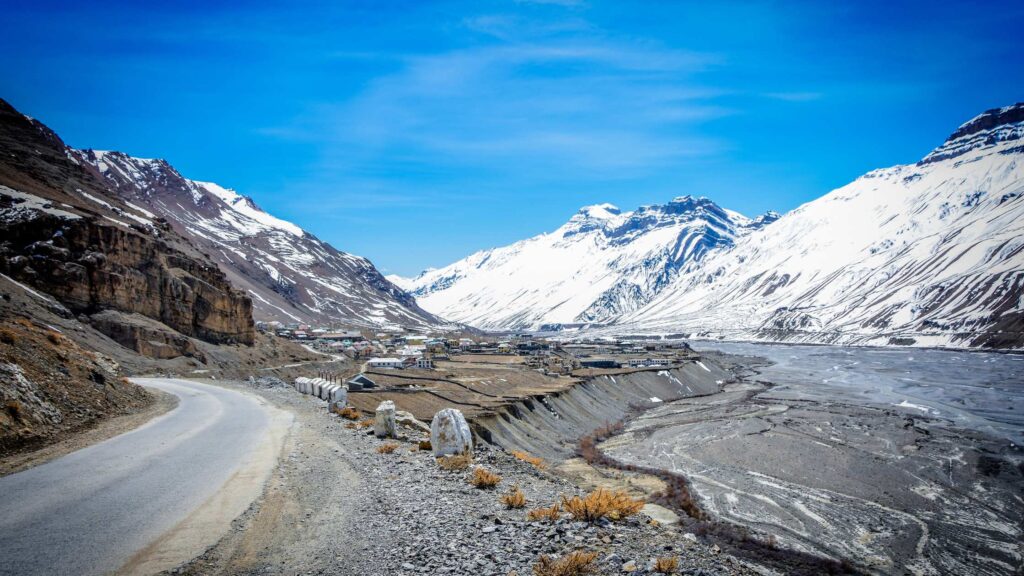
The Shimla-Spiti route technically remains open year-round, but temporary closures happen when heavy snowfall hits sections near Nako or Malling Nallah.
A sudden dump of snow can close a 5km stretch for 6-12 hours while authorities clear the route. Check the official Lahaul-Spiti district road status page before you go.
In winter, this district sits at 3,100 meters- 3800 meters with temperatures dropping to -20°C, and the Keylong-Kaza stretch typically shows “closed” for winter months.
Why roads shut temporarily:
- Fresh snowfall (even 4-6 inches can make sections impassable)
- Black ice formation after sunset
- Avalanche risk assessment
- BRO (Border Roads Organisation) maintenance windows
A local driver in Reckong Peo told me, “The road doesn’t close because the government wants it closed. It closes because the weather demands it.” Snow chains, 4×4, experience—none of that changes geography and reduces risks at -25°C.
Recent reports indicate occasional restrictions near water bodies during Himachal’s winter tourism season due to safety protocols. Respect these warnings. The Kullu administration implemented these after incidents last season.
Best Route for January Safety: Shimla is Your Only Friend
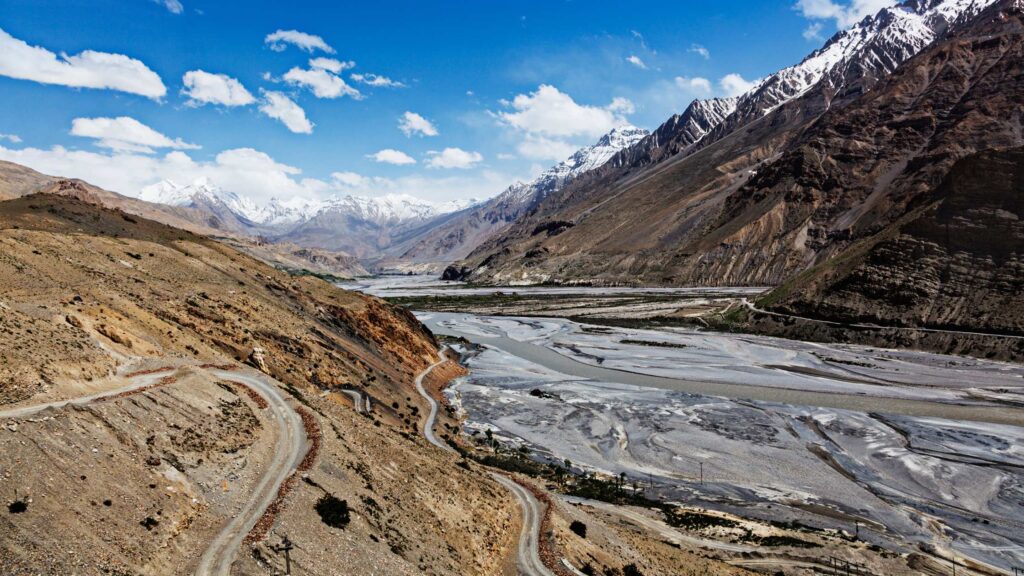
In January, the Manali route via Kunzum Pass is closed due to heavy snowfall, making the Shimla-Kinnaur route your only practical option.
The Shimla-Kinnaur-Spiti lifeline: This is your winter corridor into Spiti. It’s longer (420+ km vs the 200km Manali route), but it is better because:
- Gradual altitude gain (perfect for acclimatisation)
- Lower pass elevations than Kunzum
- Regular maintenance even in winter
- Established support infrastructure (dhabas, mechanics, homestays)
Why Manali doesn’t work in January: Kunzum Pass sits at 4,551 meters. It receives massive snowfall and remains closed for seven months starting late October.
Even if someone tells you “it’s passable,” that’s reckless information. The pass gets buried under metres of snow, and attempting it risks getting trapped or worse.
If your dates fall between November and March → plan Shimla entry AND Shimla exit. No loop, no shortcuts, no “maybe we can try Manali on the way out.” Just Shimla. Both ways.
Top January Risks (And How to Actually Reduce Them)
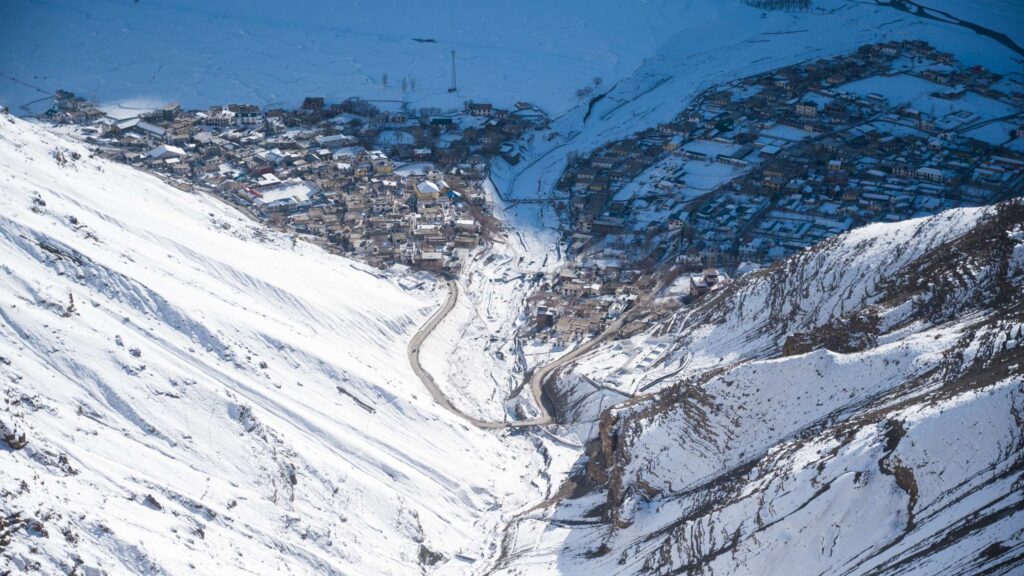
1. Black Ice & Skid Risk
After 4 PM, temperatures plunge, and any moisture on roads turns into invisible glass. I’ve seen drivers with 20 years of experience crawl at 15 km/h on certain turns because black ice doesn’t announce itself.
How to reduce this risk:
- Start driving by 9 AM, stop by 3:30 PM
- Never rush—speeding kills in winter Spiti
- Trust your driver’s pace (even if it feels too slow)
- Sections near Malling Nallah and between Nako-Tabo are notorious for ice patches
2. Sudden Snowfalls Mean Road Closures
Even on the Shimla route, heavy snowfall near Nako can cause temporary blockages until authorities clear the snow.
Your defence:
- Build 2 buffer half-days into your plan
- Choose stays with flexible cancellation
- Check weather forecasts obsessively (and believe them)
- When locals say “don’t travel today,” listen
A couple I met had ignored a homestay owner’s advice to wait one morning because “it’s just a little snow.” They spent 7 hours stuck behind a clearance operation that finished by afternoon—exactly when the homestay owner said it would.
3. Extreme Cold Exposure
January in Kaza averages around -17°C days and -27°C nights, with temperatures sometimes hitting -30°C or lower. In such extreme conditions, exposed skin gets frostbite within minutes.
So people with less tolerance to cold should avoid winter travel to Spiti, and even if you want to, strategize and have a plan ready.
Protection strategy:
- Layer well. Have a thermal base + fleece mid + down jacket + windproof shell
- Cover all extremities (two pairs of gloves, balaclava, thick socks)
- Don’t underestimate face protection as windburn is real
- Keep hand and foot warmers in your pockets
4. Limited Medical Access
Kaza has a civil hospital, but medical accessibility is reduced if you’re between villages. There’s no air ambulance on standby, and evacuation means driving back down.
What this means practically:
- Carry your own first-aid kit with basics
- Pack any prescription medications you need (plus extras)
- Have altitude sickness medication handy
- If symptoms worsen, descend immediately—don’t wait to “see how you feel tomorrow.”
5. Water Body Safety in Winter
The Kullu district recently banned public entry near water bodies during the winter tourism season after several incidents. In Spiti, frozen lake surfaces might look solid but can have thin patches.
The rule: Stay away from lake edges in winter. No ice-walking, no matter how stable it looks. Locals know which areas are safe, so follow their lead, and not your Instagram suggestions.
Vehicle & Driver Choice

Do you NEED a 4×4 in January? Yes, but more importantly, you need an experienced winter driver.
I’ve seen fancy Fortuners with Delhi drivers get stuck where a beat-up Bolero with a Kinnaur local sailed through. The driver’s experience matters more than the vehicle’s badge, but ofcourse, the vehicle must be capable.
Winter-ready vehicle checklist:
- 4×4 capability (AWD minimum, proper 4WD will be better)
- Good ground clearance (200mm+)
- Snow chains in the vehicle
- Functional heater (non-negotiable)
- Spare tire + repair kit
- Tow rope
- Shovel (for digging out if stuck)
- Extra fuel buffer (at least 20L reserve)
- Jumper cables (batteries hate cold)
Driver requirements:
- Must have winter Spiti experience (ask for references)
- Should know alternate routes and safe pull-over spots
- Comfortable saying “we stop here for today” when conditions worsen
- Ideally local to Kinnaur or Spiti (they understand the weather and roads’ behaviour)
The golden rules:
- Only drive between sunrise and mid-afternoon
- Never push a driver to “make up time.”
- If your driver stops to assess a section on foot first, that’s professionalism, not paranoia
Acclimatisation & AMS:
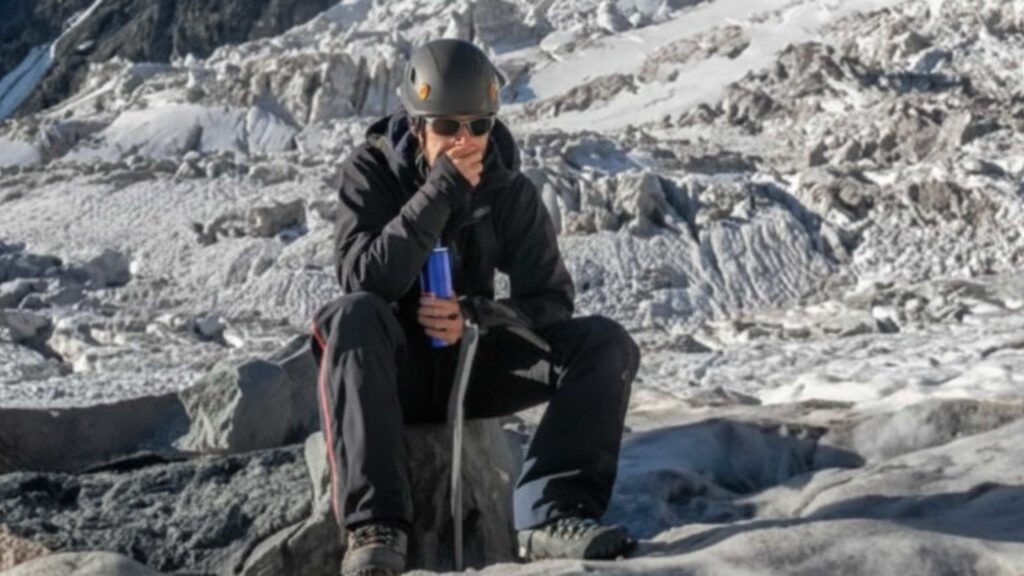
Here’s what catches people off guard: altitude sickness. Altitude sickness still happens in winter, even though you might assume cold air means “more oxygen”. Wrong. Air pressure drops with altitude, regardless of temperature.
The biggest mistake: rushing to Kaza
Kaza sits at 12,500 feet, and jumping from sea level to that altitude in 2 days almost guarantees AMS symptoms.
I remember meeting a group who flew into Chandigarh, drove straight to Kalpa, then pushed to Kaza the next day. Two of them spent their entire Kaza stay in bed with splitting headaches.
The staged ascent approach that works extremely well:
- Day 1-2: Shimla to Narkanda/Sarahan (6,000-8,000 feet) – first night below 8,000 feet
- Day 2-3: Reckong Peo / Kalpa (9,700-10,000 feet) – critical acclimatisation stop
- Day 3-4: Nako / Tabo (11,000-12,000 feet) – gradual gain
- Day 4-5: Kaza (12,500 feet)
AMS symptoms to watch for:
- Headache (the main warning sign)
- Nausea or loss of appetite
- Dizziness or fatigue
- Trouble sleeping
- Shortness of breath during basic activities
When to descend immediately:
- Worsening headache despite rest and medication
- Confusion or difficulty walking
- Persistent vomiting
- Chest tightness or fluid-like sounds when breathing
Prevention strategies include staying well-hydrated (3-4 litres daily), avoiding alcohol for the first 2-3 days, taking prescribed Diamox if your doctor recommends it, and eating light, carb-rich meals.
If someone shows severe AMS symptoms above Kaza, get them to Tabo or Kalpa fast. Do not… I repeat, DO NOT go “let’s see in the morning”. Descend that same day.
Where You Can Realistically Go in Spiti in January
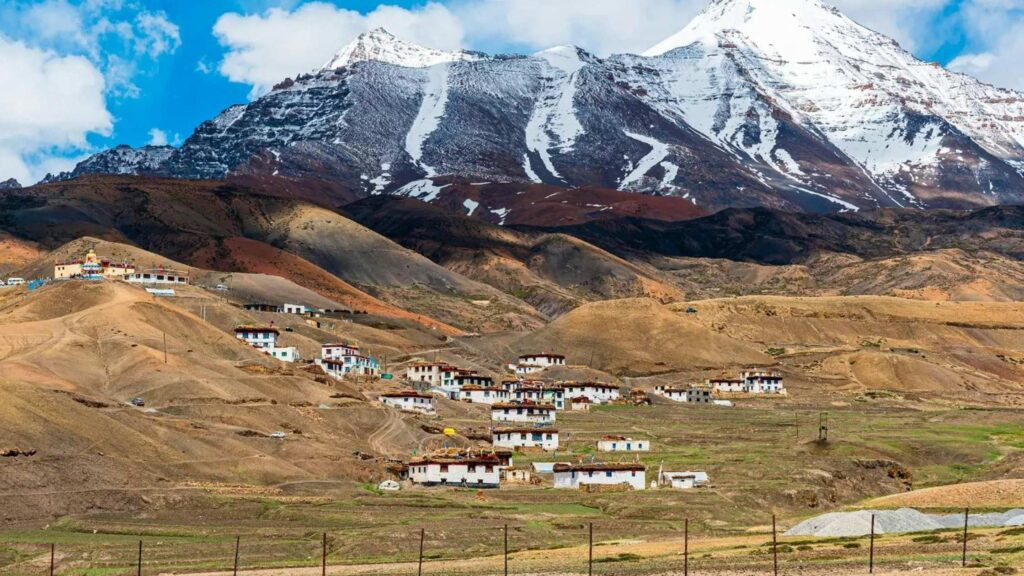
Let’s set realistic expectations. January Spiti isn’t about ticking off 15 villages. It’s about experiencing the ones that are accessible.
Kaza as base: Your realistic hub for 2-3 days. From here, day circuits depend entirely on the road conditions for that specific week. Some days the road to Kibber is clear; other days it’s not worth the risk.
What’s usually practical:
- Key Monastery: Often reachable, but check morning conditions
- Kibber / Chicham: Weather-dependent; locals will tell you if it’s a safe day or not
- Komic / Hikkim: Same—don’t assume, ask every morning
- Langza: Short distance, but exposed to wind and snow
What’s usually NOT practical in January:
- Chandratal (completely inaccessible)
- Pin Valley (roads too risky)
- Dhankar (road conditions & extreme cold make it challenging)
- High-altitude passes (all closed)
The winter sightseeing mindset: “We’ll try for Key Monastery. If the road’s good, we go. If not, we explore Kaza on foot and have chai with locals.” That’s the winning attitude.
The travellers who get frustrated are the ones who are more prone to make mistakes and take risky actions that put them in harm’s way.
The Safest 7-Day January Itinerary
This itinerary is built on real winter travel patterns, not summer plans stretched into winter.
Day 1: Chandigarh / Shimla → Narkanda / Sarahan
- Start early from Chandigarh (7 AM)
- Reach Narkanda by lunch (8,000 feet)
- Slow introduction to altitude
- Stay in a heated homestay/hotel
Day 2: Narkanda → Kinnaur Belt (Kalpa / Reckong Peo)
- Drive through Rampur, along the Sutlej
- Reach Kalpa by afternoon (9,700 feet)
- Critical acclimatisation stop—your body needs this
- Walk around the village, hydrate, and rest early
Day 3: Kalpa → Nako / Tabo
- Gradual altitude gain (11,000-11,800 feet)
- Road conditions determine the exact stop
- Buffer flexibility: if snowfall, stay an extra day in Kalpa
- Tabo Monastery if reaching Tabo
Day 4: Nako / Tabo → Kaza
- Drive to Kaza (12,500 feet)
- Arrive by early afternoon
- Rest day—don’t explore, just acclimatise
- Check into confirmed heated accommodation
Day 5: Kaza Exploration (Local)
- Decide the morning of the very same day based on the weather
- Key Monastery & Kibber are possible (if clear)
- Kaza town walk, local interactions
- Early return to accommodation
Day 6: Start Descent Early (Kaza → Nako / Kalpa)
- Leave by 9 AM
- Buffer half-day built in for any delays
- Night at a lower altitude helps your body recover
Day 7: Exit to Shimla / Chandigarh
- Complete descent
The buffer rule: Notice how this itinerary has flexibility built into Days 3 and 6. If weather delays you one day, you’re not scrambling to rebook flights. That’s the safety net.
Where to Stay: The Heating Checklist That Prevents Misery
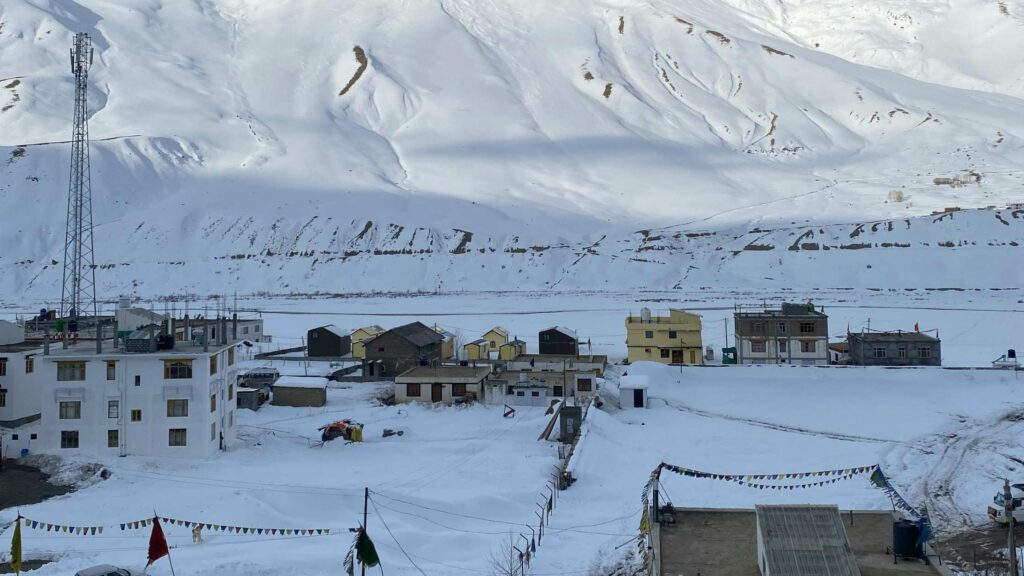
In January, a homestay without proper heating isn’t “rustic charm”—it’s borderline dangerous.
Must-ask questions before booking:
- Room heating: Bukhari (wood stove)? Electric heater? How many hours?
- Hot water: What timing? (Many places heat water twice in the day instead of a 24-hour hot water system)
- Power backup: Does the stay have a generator for cuts?
- Insulation: Are rooms properly sealed against drafts?
- Accessible road: Can vehicles reach it even after light snow?
How to choose safely: Call or WhatsApp the homestay directly. Ask about January-specific conditions. The ones with good heating will proudly tell you their setup. The ones that dodge the question should not be on your list of choices.
I stayed at a place in Tabo that advertised “room heating.” Turns out it was one small electric heater that gave up by midnight. I had to wear three layers to sleep. Don’t be me, ask for specifics.
Avoid in January:
- Isolated properties far from the main village (if you need help, you want neighbours)
- Budget stays with no reviews mentioning winter
- Places that can’t confirm power backup
Smart booking strategy: Choose stays with cancellation flexibility. If heavy snow is forecast the day before you’re meant to arrive, you need the option to postpone 24 hours without penalties.
Packing Checklist for January Safety

Generic “winter clothing” won’t cut it in -30°C conditions. This is Arctic-level packing.
Clothing (layering is survival):
- Base layer: 2-3 sets thermal inners (top & bottom)
- Mid layer: Fleece jacket with woollen sweater
- Outer layer: Down jacket (rated for -20°C minimum) & windproof shell
- Backup: Extra warm jacket in case first one gets wet
Extremities (where frostbite starts):
- Gloves: Two pairs—inner thin gloves, outer insulated waterproof gloves
- Head: Woollen cap & balaclava (face covering is essential)
- Feet: Thermal socks (3-4 pairs) with waterproof snow boots with good grip
- Eyes: UV-protection sunglasses (snow glare is intense)
Face protection:
- Moisturiser, heavy-duty lip balm (reapply every 2 hours)
- Sunscreen (UV is stronger at altitude and the sunlight reflects off snow)
Tech & power:
- Power banks (at least 2 fully charged)
- Charging cables for all devices
- Ziploc bags (keep electronics warm inside jacket when not using)
- Offline maps downloaded (network is patchy)
Emergency kit:
- Basic first-aid (bandages, antiseptic, pain relief)
- Altitude sickness medication (Diamox if prescribed)
- ORS packets (oral rehydration salts)
- Personal prescription medicines (bring extras)
- Headlamp with extra batteries (power cuts happen)
- Multi-tool or Swiss Army knife
Food & hydration:
- Water bottle (keep inside jacket when hiking to prevent freezing)
- Dry snacks (nuts, energy bars, chocolates)
- Instant soup packets (hot liquids are gold)
The insider packing tip: Keep one full change of warm clothes inside a dry bag in your main luggage. If your day-bag gets wet or lost, you have a complete backup set.
Network, Electricity & “Stuck Day” Planning

Let’s talk about what happens when you can’t move forward.
Network reality: Connectivity in winter Spiti is limited, with BSNL and sometimes Jio working in main villages, but expect long stretches of zero signal.
What this means:
- Download offline maps before entering Spiti
- Share your itinerary with family before losing signal
- Don’t rely on Google Maps live updates
Power cuts are normal: Winter brings frequent power outages, especially after snowfall. Backup heating and light sources become critical. Your phone battery will also die fast because of the extreme cold, so keep that in mind as well.
Your “stuck day” plan (because it might happen): You wake up, and your driver says, “Aaj road band hai. Bhaari barfbaari huyi hai. Clearing operation afternoon tak chalega.”
What do you do?
- Accept it without stress (buffer days exist for this)
- Keep extra snacks and water in your room
- Download movies/books beforehand for entertainment
- Use the day to rest, journal, and chat with locals
- Play cards, read, catch up on sleep
The travellers who enjoy Spiti in winter are the ones who pack a good book and aren’t panicking when plans shift for the next 12 or even 24 hours. It’s not a delay for them. It’s the mountain setting the pace.
Cost Impact of Safety (Why January Costs More)
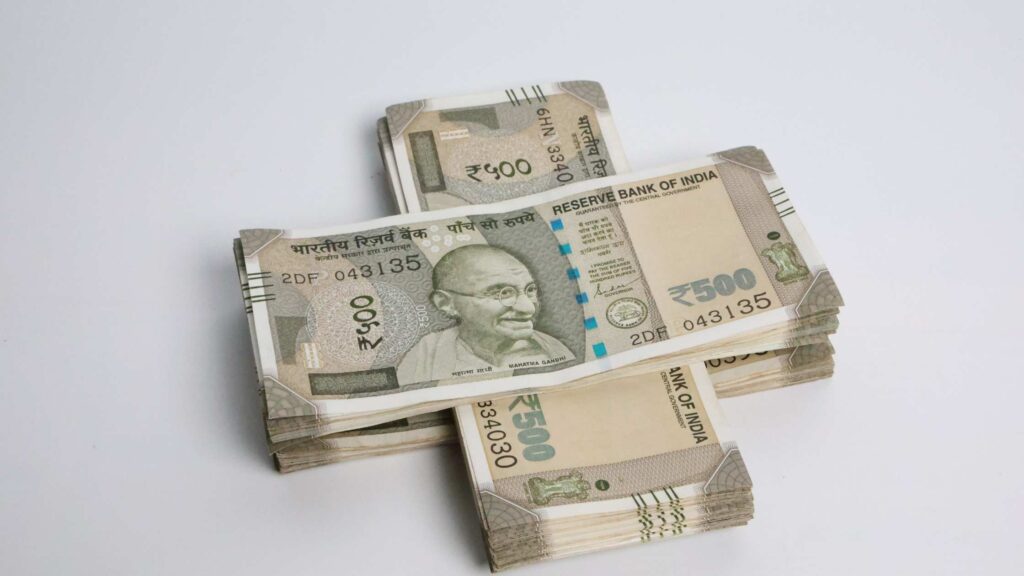
If you ask my insights, safety comes first. Always and at all costs. So I don’t think that “budget Spiti” is a good idea, especially in the month of January.
Having said that, because of increased safety concerns and extreme weather conditions, the entire budget for a Spiti trip in January goes up.
Here’s why January is pricier:
- 4×4 vehicle hire costs more (local drivers charge a premium for winter risk)
- Heating-ready stays charge 20-30% more than summer
- Buffer days mean extra night costs
- Food prices increase (supply chain challenges in winter)
- You need proper gear (initial investment if you don’t own it)
Typical January costs:
- Shared winter group (7 days): ₹30,000 – ₹40,000 per person
- Private 4×4 with driver (entire trip): ₹25,000 – ₹35,000 for the vehicle
- Accommodation (per night): ₹800 – ₹2,000 (heated rooms)
- Food (daily): ₹600 – ₹1,000
Shared winter groups vs private:
- Shared groups: Lower cost, but schedules are fixed (less flexibility if someone gets AMS)
- Private: Higher cost, but you control the pace and can adapt to conditions
Who should choose what:
- First-timers/families → private for flexibility
- Solo travellers / small budgets → join a reputable shared winter expedition
- Experienced mountain travellers → either works
The “savings” of going budget can evaporate fast if you’re stuck in a freezing room or your cheap taxi can’t handle snow and you need rescue.
FAQs
Is it safe to travel to Spiti Valley in January?
Yes, if you follow the Shimla route, have buffer days, an experienced driver, proper gear, and flexibility. It’s safe for prepared travellers, risky for those treating it like a summer trip.
Is Spiti Valley open in January?
Spiti is accessible in January via the Shimla-Kinnaur route, which remains operational year-round with occasional temporary closures during heavy snowfall. The Manali route is closed.
Can we go to Spiti in January via Manali?
No. The Manali-Kaza route via Kunzum Pass is closed throughout winter due to heavy snow, typically from late October through May. Don’t attempt it.
Which route is safer in January: Shimla or Manali?
Shimla is the only viable option. The Manali route is closed. Shimla offers gradual altitude gain and year-round maintenance.
Do we need a 4×4 for Spiti in January?
Yes. A 4×4 or high-clearance AWD vehicle is essential for handling snow, ice, and winter road conditions. Equally important: an experienced local driver.
How do I check the Spiti road status before travelling?
Visit the official Himachal Pradesh Lahaul-Spiti district website (hplahaulspiti.nic.in/road-status/) for real-time updates. Also check with local travel operators and homestays for ground-level reports.
How cold is Spiti in January (Kaza temperature)?
Expect daytime temperatures around -10°C to -17°C and nighttime lows of -25°C to -30°C or even colder. It’s one of the coldest months of the year.
How to avoid altitude sickness in winter in Spiti?
Ascend gradually via the Shimla route with stops at Kalpa and Nako for acclimatisation. Stay hydrated (3-4 litres daily), avoid alcohol for the first 2-3 days, rest properly, and consider prescribed Diamox. Altitude doesn’t care about the season.
What should I pack for Spiti in January?
Extreme cold gear: thermal layers, down jacket rated for -20°C, double gloves, balaclava, snow boots, lip balm, moisturiser, sunglasses, power banks, headlamp, first-aid kit, altitude sickness meds, offline maps, and emergency snacks.
Is Spiti safe in January for couples/families?
Safe for prepared couples and families without very young children or elderly members with health concerns.
What if roads close due to snowfall — what’s the backup plan?
Temporary road closures during snowfall are normal; authorities typically clear routes within 6-12 hours. Your backup plan: buffer days in itinerary, flexible bookings, patience, and willingness to wait it out safely indoors.
Are tourists restricted near rivers/streams in winter in Himachal?
Yes, the Kullu administration has implemented restrictions on public entry near water bodies during the winter season for safety. Respect these regulations as frozen surfaces can be deceptive and dangerous.
Ready for Winter Spiti? Let’s Plan This Right
January in Spiti isn’t for everyone, but if you’ve read this far, you’re probably the right kind of traveller—someone who respects the mountains and plans accordingly.
Here’s how we help you get there safely:
Share your dates, starting city, and group size with us, and we’ll confirm:
- The safest route based on the current January road status
- A winter-ready itinerary with proper acclimatisation stops
- Experienced driver recommendations
- Heating-verified accommodation options
- Complete cost breakdown with buffer-day flexibility
We’ve been running winter Spiti trips for years, and we build every itinerary around one principle: get you there safely, show you the magic, bring you back with stories instead of regrets.
Contact us at https://spitivalleypackages.com/ . The frozen waterfalls of Spiti in January are waiting. So is the silence, the snow, the stark beauty that makes summer crowds feel like a different planet.
But it starts with planning that aligns with the requirements of winter. Let’s do this right.
Also read: Couple Trip to Spiti in January (2026): What To Do, Where To Stay + Safety Reality