The best time to visit Spiti Valley is June or September for most travellers. These two months give you open roads on both the Shimla and Manali sides, comfortable daytime temperatures between 10 and 20 degrees Celsius, clear skies, and the widest range of accommodation and transport options.
But there is no single best month for every kind of traveller. The real answer to when to visit Spiti depends entirely on what you want from the trip.
For the full Spiti circuit (enter from one side, exit the other), plan between mid-June and September when both routes are operational. If snow-covered landscapes are what you are after, January to March delivers that, but with extreme cold and limited access. For fewer crowds and golden light, late September and early October are hard to beat. And if you are watching your budget, late May or late September offer better rates than peak summer.
This guide breaks down every month, every season, and every travel style so you can stop guessing and start planning with real clarity.
Best Month to Visit Spiti Valley: Quick Answer by Trip Type
This section gives you a fast answer. The detailed breakdown for each month follows below.
Best month for first-time visitors: June or September. Both routes are open, the weather is forgiving, and the classic Spiti experience is at its fullest.
Best month for snow in Spiti: January or February. The entire valley is blanketed in white, rivers freeze, and temperatures drop well below minus 20 at night. Only for those prepared for extreme cold.
Best month for a Spiti bike trip: Late June or September. Kunzum Pass is open, the Manali to Kaza route is rideable, and weather is more stable than the monsoon months.
Best month for Spiti photography: September or early October. The air is drier, the light is cleaner, crowds are thinner, and the landscape shifts into warm autumn tones.
Best month for fewer crowds: October (early), May (late), or February. Each has trade-offs on access and comfort, but you will not be competing for space at popular spots.
Best month for a family trip to Spiti: June or early July. Roads are in the best condition, accommodation choices are widest, and the cold is manageable for children and older travellers.
Best month for budget Spiti travel: Late May (before peak pricing kicks in) or late September (when rates start dropping). Homestay rates are easier to negotiate off-peak.
Spiti Valley Weather Month Wise: Complete Comparison
This month-by-month comparison gives you a practical overview at a glance. Each month is covered in full detail further in this guide.
January
Weather: Extreme cold. Daytime minus 5 to 0 degrees. Nights drop to minus 25 or lower. Route access: Shimla to Kaza only (intermittent closures possible). Manali to Kaza fully closed. Crowd level: Almost zero. Cost level: Low (limited options available). Best for: Snow photography, solitude, snow leopard expeditions. Main drawback: Brutal cold. Many guesthouses and restaurants shut. Road closures can strand you. Verdict: Only for experienced cold-weather travellers who know what they are signing up for.
February
Weather: Still extremely cold. Minus 4 to 2 degrees daytime, minus 20 at night. Days get slightly longer. Route access: Shimla to Kaza only (disrupted by fresh snowfall). Crowd level: Minimal. Cost level: Low. Best for: Snow leopard tracking, frozen river walks, winter photography. Main drawback: Very limited infrastructure. Severe cold persists. Verdict: Similar to January but marginally more approachable. Still a hardcore trip.
March
Weather: Valley starts thawing slowly. Minus 3 to 10 degrees daytime. Nights still bitter. Route access: Shimla to Kaza open (some disruptions). Manali to Kaza closed. Crowd level: Very low. Cost level: Low to moderate. Best for: Shoulder-season explorers, budget trips, quiet travel. Main drawback: Many guesthouses not yet open. Cold nights. Limited transport options. Verdict: A transition month. Good for those who do not mind roughing it a bit.
April
Weather: Spring arrives. 5 to 15 degrees daytime. Nights remain cold. Route access: Shimla to Kaza open. Manali to Kaza still closed (BRO clearance begins). Crowd level: Low. Cost level: Moderate. Best for: Early-season visitors avoiding summer crowds. Trekkers who prefer cool weather. Main drawback: No full circuit. Some inner roads may have snow patches. Verdict: Decent if you are okay with the Shimla-side-only approach and cooler conditions.
May
Weather: Getting pleasant. 7 to 18 degrees daytime. Cold nights but not extreme. Route access: Shimla to Kaza stable. Manali to Kaza might open in the last week (varies yearly). Crowd level: Moderate (building toward peak). Cost level: Moderate to high. Best for: Pre-peak travel, budget-conscious visitors, travellers okay with the Shimla route. Main drawback: Manali route often still closed or freshly opened (risky in the first days). Chandratal may not be accessible. Verdict: A smart choice if you plan via Shimla and do not need the Manali exit.
June
Weather: Best weather window begins. 10 to 20 degrees daytime. Cool, clear, and comfortable. Route access: Both routes typically open by mid-June. Full circuit possible. Crowd level: High (peak season begins). Cost level: High. Best for: First-timers, families, bikers (late June), complete Spiti circuit. Main drawback: Peak pricing. Popular stops get busy. Book accommodation well ahead. Verdict: One of the two best months for most visitors. Hard to go wrong with June.
July
Weather: Warm by Spiti standards. 14 to 20 degrees. Some cloud buildup possible. Route access: Both routes open, but monsoon-related landslides can temporarily block approach roads. Crowd level: High. Cost level: High. Best for: Summer travel, trekking (Pin Valley, Chandratal), flexible itineraries. Main drawback: Approach roads can get disrupted by rains. Needs buffer days. Verdict: Good if you build in flexibility. Spiti itself stays dry, but getting there can get tricky.
August
Weather: Similar to July. 14 to 18 degrees. Cloudier spells. Route access: Both routes open on paper. Monsoon landslides at their peak on approach roads. Crowd level: Moderate to high. Cost level: Moderate to high. Best for: Travellers who understand monsoon risk and plan around it. Main drawback: Highest road disruption risk of the year. Multi-day blocks have happened in recent years. Verdict: Not ideal for tight schedules. Keep buffer days and a backup plan.
September
Weather: Post-monsoon clarity. 8 to 18 degrees. Dry air, sharp light, cool mornings. Route access: Both routes open. Roads tend to be more stable than July or August. Crowd level: Moderate (dropping toward month’s end). Cost level: Moderate. Best for: Photographers, couples, anyone wanting a calmer version of peak season. Main drawback: Gets colder toward the end. Chandratal camps start winding down. Verdict: Arguably the best single month for Spiti. Clear skies, thinner crowds, great light.
October
Weather: Autumn setting in. 0 to 15 degrees. Sharp cold at night. Golden landscape tones. Route access: Shimla to Kaza open. Manali to Kaza closes anytime after mid-October (Kunzum Pass snow). Crowd level: Low. Cost level: Moderate to low. Best for: Off-peak explorers, photographers, solitude seekers. Main drawback: Manali exit becomes unreliable. Services start shutting down. Verdict: Beautiful and quiet, but plan only via Shimla.
November
Weather: Winter arrives. Minus 5 to 5 degrees daytime. Minus 15 or lower at night. Route access: Shimla to Kaza only (temporary blocks possible). Manali route closed. Crowd level: Almost zero. Cost level: Low. Best for: Offbeat winter travel, early snow seekers. Main drawback: Most tourism infrastructure shuts. Limited food, stay, and transport options. Verdict: Only for travellers specifically looking for a winter Spiti experience.
December
Weather: Deep winter. Minus 10 to minus 2 degrees daytime. Minus 20 to minus 25 at night. Route access: Shimla to Kaza intermittent. Manali to Kaza fully closed. Crowd level: Almost zero. Cost level: Low. Best for: Snow photography, solitude, winter expeditions. Main drawback: Extreme cold. Road blocks. Very few services running. Verdict: A serious winter trip. Not recommended unless you are fully prepared.
Which Month Should You Choose for Your Spiti Trip?
Different priorities need different months. Use this to match your goal to the right window.
I want smooth, reliable roads. Go in June or September. Both routes are open and road conditions are at their most stable. Late June is especially good since BRO has had time to finish clearance and basic repairs.
I want snow-covered Spiti. January or February. The valley is fully snow-covered, rivers are frozen, and the landscape is completely transformed. But be ready for extreme cold, limited services, and Shimla-route-only access. March gives you partial snow with slightly better conditions.
I want fewer crowds in Spiti. Late September, October, or May (before peak starts). February works too, but that is a cold-weather trip with limited access.
I want the best photos of Spiti. September. The light is clean, the air is dry, the skies are deep blue, and the landscape starts turning golden. Early October is excellent too if you do not mind fewer services.
I want a Spiti bike trip. Late June or September. Kunzum Pass needs to be open for the Manali to Kaza leg, and you want stable enough weather to avoid riding through slush or monsoon debris. July and August work but come with higher road disruption risk.
I want a comfortable Spiti family trip. June or early July. Roads are in their best shape, accommodation choices are widest, temperatures are manageable for all ages.
I want a quiet honeymoon-style Spiti trip. Late September or early October. The valley feels calm, colours are gorgeous, crowds have thinned, and you get more privacy at homestays.
I want a budget-friendly Spiti trip. Late May (before prices fully spike) or late September (as demand drops). Winter months are cheapest, but the experience is very different.
Spiti Valley Season Guide: Spring, Summer, Monsoon, Autumn and Winter
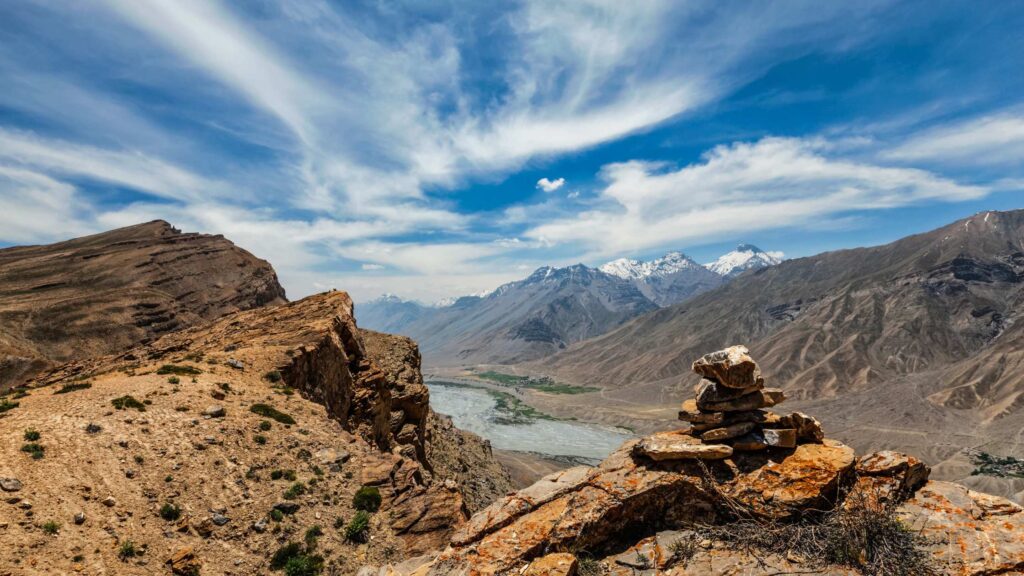
Spring in Spiti Valley (March to May)
Spring in Spiti is not like spring in the plains. In March, the valley is still mostly frozen. By April, the first signs of colour return. By May, the landscape feels alive again.
The Manali to Kaza road stays closed until late May at the earliest, so you enter and exit via Shimla. Inner roads to villages like Langza, Komic, and Kibber may still have snow patches in March and early April.
Spring suits travellers who prefer quiet and do not mind a few compromises on access. May is the sweet spot: warmer days, stable Shimla route, and prices that have not yet peaked.
Summer in Spiti Valley (June to August)
This is when Spiti is at its most accessible. Both approach routes are open (usually by mid-June), the weather is comfortable, and the full range of guesthouses, homestays, camps, and eateries are operational.
June is the most reliable summer month. July and August bring India’s monsoon, and while Spiti itself sits in a rain-shadow zone and stays largely dry, the approach roads through Kinnaur (Shimla side) and Lahaul (Manali side) are not in the rain shadow. Landslides and temporary road closures happen every year, especially in August.
If you travel in July or August, build at least two buffer days into your itinerary and stay updated on road conditions.
Monsoon Period in Spiti: What You Need to Know (July to Early September)
This is the most misunderstood part of Spiti travel. Spiti Valley itself receives very little rainfall. It is a cold desert with annual precipitation of only about 200 to 300 mm around Kaza. That is remarkably low.
But to get to Spiti, you pass through regions fully affected by the Indian monsoon. The Kinnaur section on the Shimla route is vulnerable to landslides, and the Manali side has notorious trouble spots like Zing Zing Bar and Pagal Nala during heavy rains.
So when people ask “Is Spiti safe during monsoon?”, the honest answer is: Spiti is fine, but the roads getting there are not always fine. In 2024 and 2025, heavy monsoon rains caused multi-day road blocks on both routes. You can travel in this period, but you should not travel on a tight, unforgiving schedule.
Autumn in Spiti Valley (September to October)
Many experienced Spiti travellers call autumn the best season. September brings post-monsoon clarity: blue skies, dry air, golden-brown tones across the mountains, and noticeably fewer people.
By early October, Kunzum Pass can receive early snow, making the Manali exit uncertain. The Shimla route stays open. Chandratal camps start packing up in the first week of October.
If you are okay returning via Shimla and want a calmer, more photogenic experience, this is your window.
Winter in Spiti Valley (November to February)
Winter Spiti is a different world entirely. Temperatures drop to minus 20 and beyond. The Manali to Kaza road is fully closed. The Shimla to Kaza route is operational but can be disrupted by fresh snowfall for days at a time.
Most guesthouses and restaurants outside Kaza shut down. Villages that stay inhabited through winter (Kaza, Kibber, Tabo, and a handful of others) operate on skeleton services. Getting fuel, ATM access, and even basic supplies can be a challenge.
That said, winter Spiti has its own pull. Snow leopard expeditions run between January and March. The frozen Spiti River, snow-covered monasteries, and the sheer emptiness of the landscape attract a small but dedicated set of travellers and photographers.
Winter travel requires serious cold-weather preparation, flexible dates, and ideally a local contact or operator who knows the ground reality.
Spiti Valley in January to December: Detailed Monthly Guide
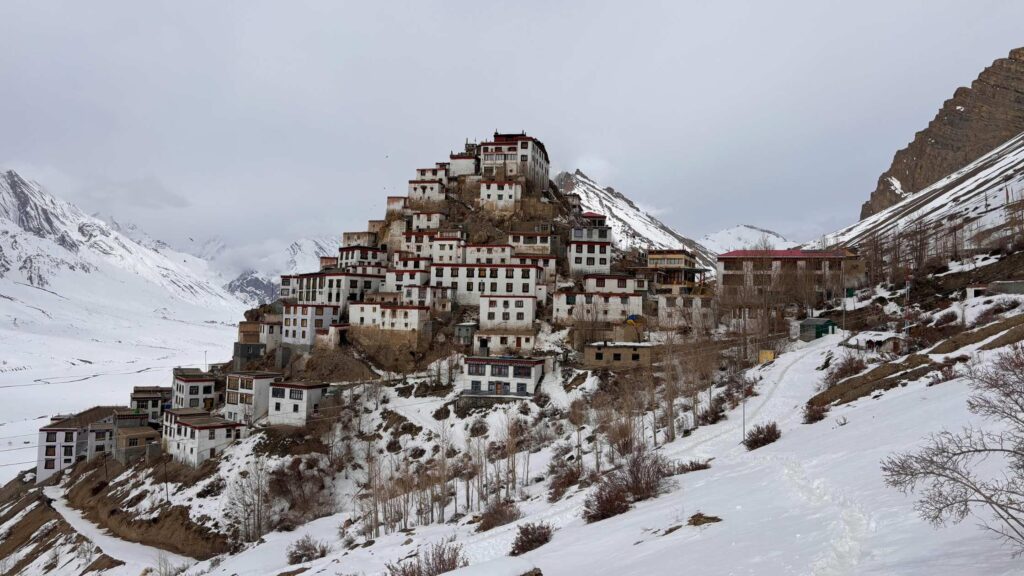
Spiti Valley in January
January is peak winter. Kaza sees daytime temperatures between minus 5 and 0 degrees, and nights routinely hit minus 20 to minus 25. The Spiti River freezes in several stretches. Snow blankets everything.
The only way in is via Shimla, and even that route can get blocked for a day or two after fresh snowfall near Nako or the Malling Nala stretch.
Who should go: Winter photography enthusiasts, snow leopard expedition participants, people who specifically want a raw, isolated Himalayan experience.
Who should skip it: First-timers, families, anyone uncomfortable with extreme cold or uncertain road conditions.
Spiti Valley in February
February feels a lot like January, but the days are a touch longer and the sun carries slightly more warmth. Daytime temperatures range from minus 4 to about 2 degrees.
Snow leopard expeditions are in full swing. The frozen landscape is stunning, and you might find local winter festivals in some villages.
Who should go: Wildlife enthusiasts (snow leopard season), photographers, experienced mountain travellers.
Who should skip it: Casual tourists, families with children, anyone looking for comfortable travel.
Spiti Valley in March
March begins the transition. Snow starts melting at lower elevations, and the Shimla road becomes more predictable. Temperatures climb to about 5 to 10 degrees during the day, though nights still dip below minus 10.
The Manali route is nowhere close to opening. Some guesthouses in Kaza start reopening.
Who should go: Budget travellers, shoulder-season explorers, people wanting snow-tinged landscapes without January’s extreme cold.
Who should skip it: Anyone who needs the Manali route or a bustling tourism scene.
Spiti Valley in April
April marks spring. Snow is retreating but still visible on higher reaches. Temperatures range from 5 to 15 degrees daytime. The Shimla to Kaza route is reliable. BRO starts snow clearance toward Kunzum Pass, but the Manali route will not be ready for weeks.
Who should go: Travellers wanting quiet, pre-season Spiti with decent weather. Trekkers who like cool conditions.
Who should skip it: Bikers wanting Manali to Kaza. Anyone who needs Chandratal on their itinerary.
Spiti Valley in May
May is when Spiti starts feeling accessible again. The Shimla road is stable, inner village roads are clear, and more homestays open for the season. Temperatures reach 15 to 18 degrees daytime.
The big question every May: “Has the Manali to Kaza road opened?” The answer varies year to year. In some years it opens in the last week of May; in others, it stays closed until early June. In 2025, it opened around late May. Do not plan your entire trip around the Manali route opening in May unless you have flexible dates.
Who should go: Pre-peak visitors, budget-conscious travellers (prices have not fully spiked), people content with the Shimla approach.
Who should skip it: Anyone who absolutely needs the full circuit via Manali.
Spiti Valley in June
June is widely considered one of the two best months for Spiti. By mid-June, both routes are typically open. The weather is the best it gets: clear skies, daytime temperatures around 15 to 20 degrees, cool but comfortable nights.
Chandratal Lake becomes accessible. The full circuit (Shimla to Kaza to Manali or reverse) is possible. Accommodation, transport, and food options are all at peak availability.
The trade-off: June is peak season. Key Monastery, Langza, and Chandratal see heavy footfall. Book your stays early.
Who should go: First-timers, families, bikers (late June), anyone wanting maximum options and the full Spiti experience.
Who should skip it: Travellers who dislike crowds. Budget travellers (prices are at their highest).
Spiti Valley in July
July is warm and relatively green. Spiti stays dry, but the monsoon batters the approach roads. The Kinnaur stretch sees landslides almost every year, and the Manali side is vulnerable at several chokepoints.
Inside the valley, conditions are pleasant. Treks like Pin Bhaba and Hampta Pass are in full swing. Chandratal camping is excellent.
Who should go: Trekkers, travellers with flexible schedules and buffer days, people who can handle potential delays.
Who should skip it: Travellers on a tight schedule, people anxious about road conditions, families with young children.
Spiti Valley in August
August carries the highest road disruption risk of the year. In 2025, heavy rains blocked both approach routes for multiple days in late August. The Manali side was hit hard with flooding near Atal Tunnel and landslides near Pagal Nala.
Spiti itself is largely unaffected by rain, but you could end up stuck on either side waiting for roads to clear.
Who should go: Experienced mountain travellers who understand and accept the road risk.
Who should skip it: First-timers, families, anyone without schedule flexibility.
Spiti Valley in September
Many repeat visitors rank September as the single best month for Spiti. The monsoon recedes, roads stabilise, and the landscape shifts into autumn mode. The air is dry and crystal-clear.
Crowds thin out noticeably after the first week. Temperatures are still comfortable (8 to 18 degrees daytime) though mornings and evenings get chilly. Both routes are open for most of September.
Chandratal camps start winding down toward month-end, so visit the lake in the first three weeks if it is on your list.
Who should go: Photographers, couples, anyone wanting the best version of Spiti without peak-season chaos.
Who should skip it: Very few reasons to skip September. Just carry warmer layers than you would in June.
Spiti Valley in October
October is the quiet exit. Early October still offers clear skies, golden landscapes, and open roads via Shimla. But Kunzum Pass can receive snow anytime after mid-October, which closes the Manali route.
By late October, services start shutting down. Chandratal is usually inaccessible. Nights get genuinely cold (below minus 5).
Who should go: Off-season explorers, photographers who want autumn light, travellers comfortable with Shimla-only access.
Who should skip it: Bikers wanting the Manali route, families with young children, anyone needing assured services.
Spiti Valley in November
November marks the start of winter isolation. Temperatures drop fast (minus 5 to 5 degrees daytime, minus 15 at night). The Manali route is closed. Even the Shimla route can face short disruptions.
Tourist infrastructure is mostly shut. You will find basic accommodation in Kaza and a few other villages, but options are limited.
Who should go: Winter-ready travellers, photography enthusiasts.
Who should skip it: First-timers, casual tourists, families.
Spiti Valley in December
December is deep winter. Temperatures plummet, snowfall is frequent, and only the hardiest travellers make the journey. Snow leopard season begins. The landscape is at its most stark and dramatic.
The Shimla to Kaza route can remain open for stretches but expect disruptions. Everything requires more effort: travel, warmth, food, communication.
Who should go: Snow leopard trackers, serious winter photographers, experienced cold-weather travellers.
Who should skip it: Almost everyone else.
Shimla to Kaza vs Manali to Kaza: Route Access by Season
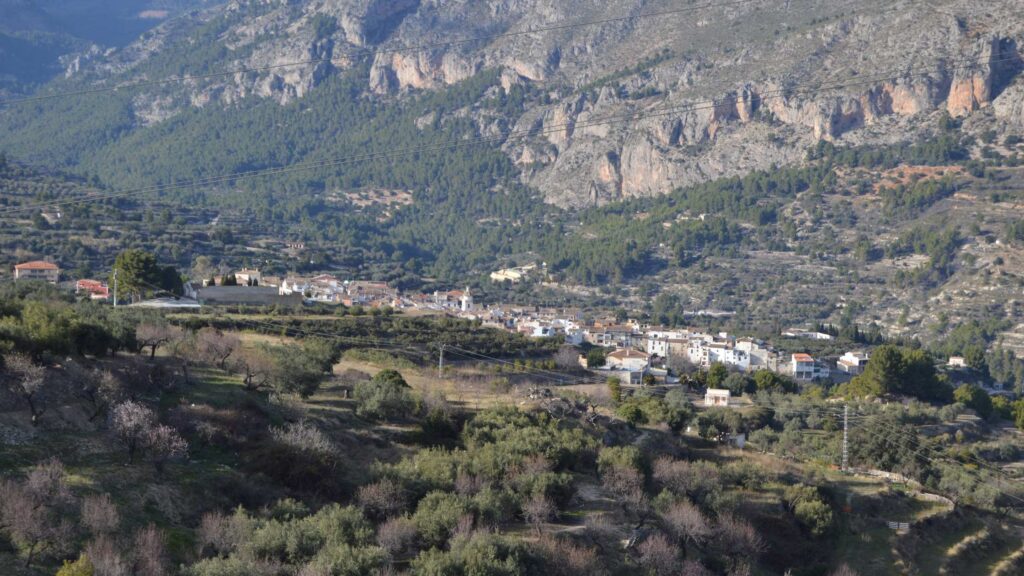
Understanding route access by season is one of the most practical things you can know before planning a Spiti trip. Here is how the two main routes work across the year.
Shimla to Kaza Route (via Kinnaur and Reckong Peo)
This is the year-round route. The road follows the Hindustan-Tibet Highway through Narkanda, Rampur, Kalpa, Nako, and Tabo before reaching Kaza. It is the longer drive (about 430 km from Shimla), but it is the safer and more reliable option for most of the year.
Open: Roughly year-round, with brief closures during heavy snowfall (especially near Nako and Malling Nala in winter).
Best months for this route: May to October for smooth travel. November to April with caution and winter gear.
Good for: First-timers, winter travellers, anyone wanting a gradual ascent that helps with acclimatisation.
Watch out for: Monsoon landslides on the Kinnaur stretch (July to August). Narrow, winding sections between Reckong Peo and Kaza.
Manali to Kaza Route (via Atal Tunnel and Kunzum Pass)
This is the dramatic, high-altitude route. It passes through the Atal Tunnel and then over Kunzum Pass at 4,551 metres before dropping into Spiti Valley.
Open: Roughly mid-June to mid-October. Exact dates vary each year based on snowfall and BRO clearance. In 2025, the road opened around late May.
Best months for this route: Late June and September.
Good for: Bikers, adventure seekers, travellers doing the full circuit.
Watch out for: Road between Gramphu and Batal is consistently rough. Monsoon closures in July and August. First few days after seasonal opening can be risky.
Which Route Works When?
November to April: Shimla route only. Manali route is closed.
May: Shimla route is stable. Manali route might open in the last week, but do not rely on it.
June to September: Both routes open. Full circuit possible. September is the most stable month.
October: Shimla route is reliable. Manali route becomes risky after mid-month.
If you have limited time and want certainty, always default to the Shimla route. If you want the full experience, plan for June or September when both routes are dependable.
Best Time to Visit Spiti Valley by Travel Style
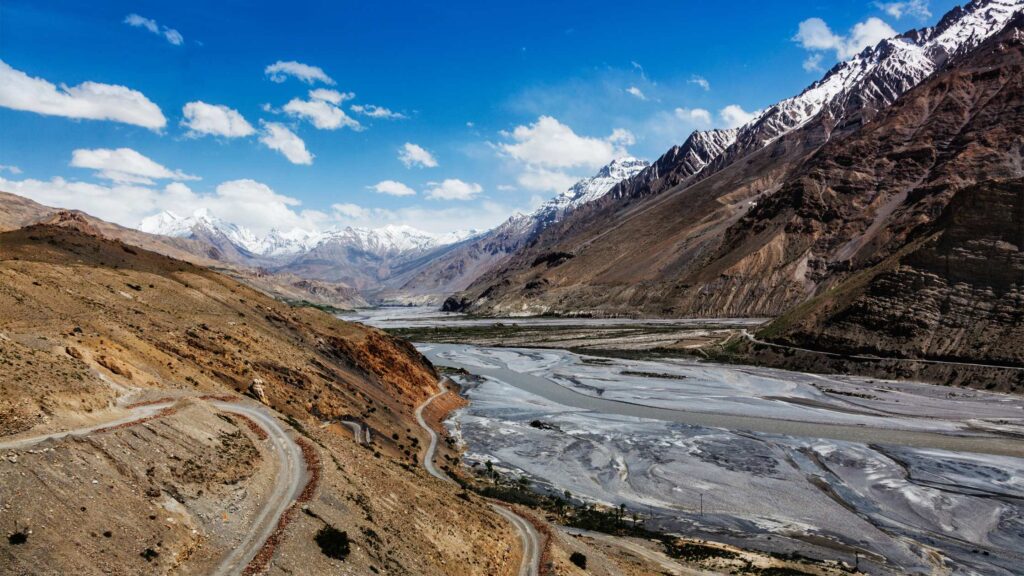
For First-Time Spiti Visitors
June or September. You want both routes open, decent weather, and services running at full capacity. Your first Spiti trip should be about enjoying the valley at its most accessible, not fighting logistics.
For Couples and Honeymoon Travellers
Late September. The valley is calmer, the golden light is gorgeous, and homestays are more available and relaxed. You will not be sharing popular viewpoints with large tour groups. Early October works too.
For Families with Children
June or the first half of July. Roads are in their best shape, weather is most forgiving, and you have the widest range of accommodation options. Avoid August (road risk) and anything after October (services shutting down, temperatures dropping).
For Bikers
Late June or September. Kunzum Pass must be open, which rules out everything before mid-June and after mid-October. September has better road surfaces and fewer landslide surprises. Late June gives you long daylight hours.
For Photographers
September is the clear winner. Low-angle sun, zero haze, deep blue skies against brown-gold mountains. Early October extends this window. For snow photography, January and February deliver a completely different but equally powerful palette.
For Snow Seekers
January and February for full winter landscapes. Late November and December also work if you want snow with slightly fewer logistical challenges. March gives you a partly thawed valley with patches of snow and milder temperatures.
For Budget-Conscious Travellers
Late May (before peak pricing), late September (as prices ease), or winter months (lowest rates, but an entirely different kind of trip). Off-season homestays often offer better deals, and negotiating is easier when tourism is thin.
When Is Spiti Valley Open? (Spiti Open Months Explained)
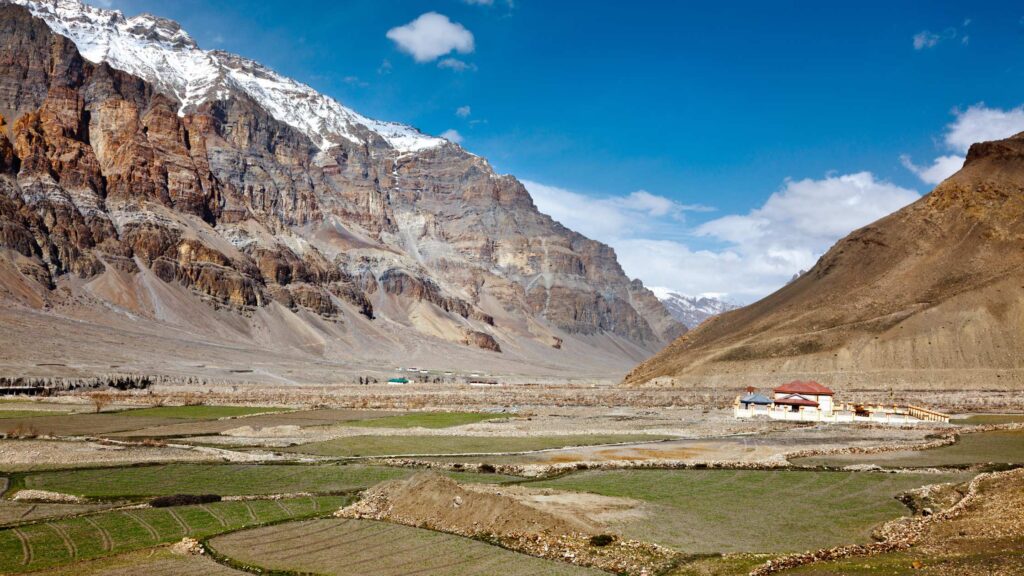
There is no single “open” or “closed” date for Spiti Valley. This is one of the most common misconceptions people have.
The Shimla to Kaza route is technically accessible year-round, with temporary disruptions during heavy snowfall. Kaza, the administrative centre of Spiti, has permanent residents and basic services running even in deep winter.
What changes by season is the level of accessibility, the number of open services, and which routes you can use.
Manali to Kaza route: Opens roughly in late May or early June and closes around mid-October. The exact dates shift every year depending on snowfall and BRO clearance speed. In 2022, it opened as early as May 3. In other years, it has taken until the second week of June. There is no fixed calendar date.
Shimla to Kaza route: Stays open through most of the year. Sections near Nako and the Malling Nala stretch can get blocked for a few days during heavy winter snowfall.
Chandratal Lake: Accessible from roughly June to early October. Camp operators typically set up by early June and pack up by the first week of October.
Inner village roads (Langza, Komic, Hikkim, Kibber): Generally clear from May to October. In winter, some require walking in if the road is snowed over.
The bottom line: Spiti does not “close.” Access narrows in winter, widens in summer, and sits somewhere in between during the shoulder months. Plan based on which routes you need and how much infrastructure you require.
Practical Tips for Planning a Spiti Valley Trip
Acclimatisation Is Not Optional
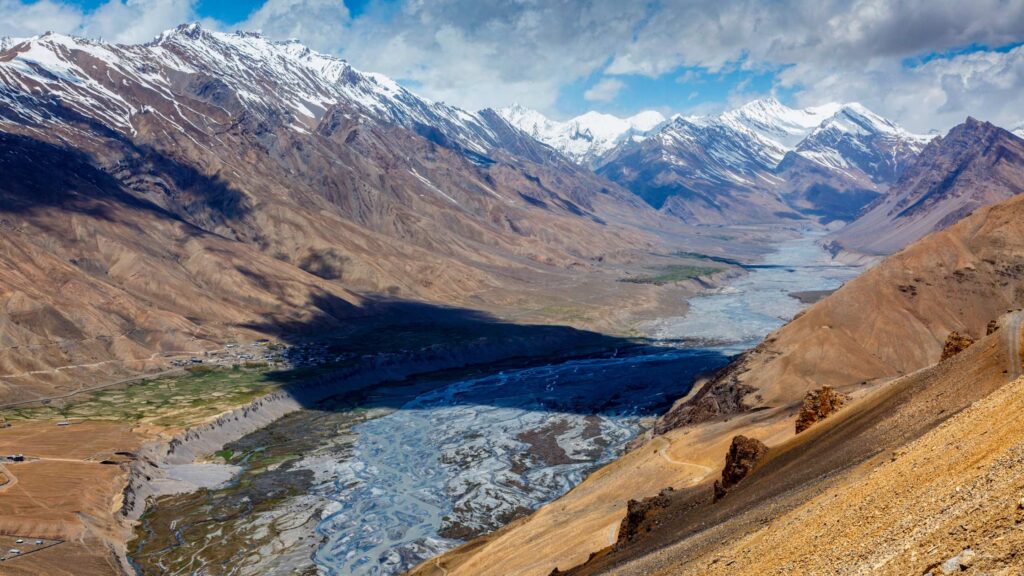
Kaza sits at around 3,650 metres. Chandratal is at 4,300 metres. Kunzum Pass tops 4,550 metres. Altitude sickness is a real risk, especially if you fly into Chandigarh or Delhi and drive up fast.
Spend at least one night at a mid-altitude stop. If coming from Shimla, stop at Kalpa, Nako, or Sangla. If coming from Manali, stop at Keylong. Once in Kaza, take it easy your first day. Drink plenty of water. Skip alcohol your first night at altitude.
Build in Buffer Days
Road closures, landslides, vehicle trouble, and weather changes are all part of the Spiti reality. A 7-day Spiti itinerary should have at least one buffer day. If you are travelling in July, August, or winter, add two.
Do not book non-refundable flights or trains on the day right after you plan to leave Spiti. Give yourself a cushion.
Route Flexibility Matters
If both routes are open when you travel, plan to enter from one side and exit the other. The Shimla to Kaza to Manali circuit (or the reverse) gives you the most diverse experience and avoids backtracking.
But always have a backup plan. If the Manali route closes unexpectedly, you should be ready to return via Shimla.
What to Pack for Spiti (Season-Wise)
Summer (June to September): Layers. A warm fleece or light down jacket for mornings and evenings. A windproof outer layer. Sunscreen with high SPF (the UV is strong at altitude). Comfortable walking shoes. Sunglasses.
Shoulder months (April, May, October): Everything above, plus thermals. A proper warm jacket. Gloves and a warm cap for early mornings.
Winter (November to March): Serious cold-weather gear. Heavy down jacket, thermal base layers, insulated boots, woollen socks, balaclava, hand warmers. Do not underestimate how minus 20 feels with wind chill.
How Many Days Do You Need for a Spiti Trip?
A standard Spiti circuit takes about 7 to 10 days if both routes are open. In winter or shoulder months when only the Shimla route works, plan for 7 to 8 days entering and exiting from the same side.
Want to include Chandratal? Add a day. Planning to trek (Pin Valley, for instance)? Add two or three days. Longer trips are almost always better in Spiti because the pace is slow and distances between villages are deceptive.
Who Should Avoid Winter and Shoulder-Season Travel
If any of the following apply, stick to June through September:
You have never been to a high-altitude destination before. You are travelling with young children or elderly family members. You have a fixed, non-flexible schedule. You are not comfortable with basic accommodation and limited food options. You do not have proper cold-weather clothing.
There is nothing wrong with choosing the comfortable window. Spiti in summer is still an extraordinary experience.
Frequently Asked Questions About Visiting Spiti Valley
What is the best time to visit Spiti Valley?
The best time to visit Spiti Valley is June or September for most travellers. June offers the widest road access and full services, while September gives you cleaner skies, fewer crowds, and beautiful autumn light. The right month depends on your priorities: snow, comfort, budget, or photography.
Which is the best month to visit Spiti Valley?
If you had to pick one month, September is hard to beat. Roads are stable, the monsoon has passed, the weather is clear, and the valley feels less rushed than peak summer. June is the close second, especially for first-timers and families.
Is May a good time to visit Spiti?
Yes, but with a caveat. The Shimla to Kaza route is open and the weather is pleasant. However, the Manali to Kaza road may not open until late May or even early June, so the full circuit is not guaranteed. If you are fine entering and exiting via Shimla, May is a solid pre-peak choice.
Is September the best month for Spiti?
For many traveller types, yes. September offers post-monsoon stability, excellent light for photography, thinning crowds, and comfortable weather. Both routes are typically open. The only downside is that it starts getting cold toward month-end, and Chandratal camps begin closing.
Can I visit Spiti Valley in winter?
Yes, but it requires serious preparation. Only the Shimla to Kaza route is accessible, and even that can face temporary closures. Temperatures drop below minus 20 at night. Most tourism infrastructure shuts down. Winter Spiti is beautiful but demanding, and is best suited for experienced travellers.
Is Spiti open in April?
Spiti is accessible via the Shimla to Kaza route in April. The Manali route is closed. The weather is still chilly, and some inner roads may have snow patches. April is fine for travellers comfortable with cooler temperatures and limited services.
Is Spiti open in October?
The Shimla to Kaza route is open in October. The Manali route becomes unreliable after mid-October due to early snowfall on Kunzum Pass. October offers gorgeous autumn landscapes and very few crowds, but plan to enter and exit via Shimla.
When does the Manali to Kaza road open?
There is no fixed date. It depends on winter snowfall and BRO clearance speed. In recent years, the road has opened between late May and early June. In 2022, it opened as early as May 3. Always check the latest road status before finalising your travel dates.
Which month is best for snowfall in Spiti?
January and February see the heaviest snowfall. The entire valley is covered in white, rivers freeze, and temperatures reach extreme lows. December and March also bring snowfall, but usually less than the peak winter months.
Is July or August safe for Spiti travel?
Spiti itself stays dry even during the monsoon because it is a rain-shadow region. The risk lies on the approach roads through Kinnaur and Lahaul, which are vulnerable to monsoon-triggered landslides. Travel in July and August is possible but requires buffer days, flexible plans, and close attention to road updates.
How many days are enough for a Spiti trip?
A minimum of 7 days works for a focused trip covering Kaza and nearby villages. A 9 to 10 day trip lets you do the full Shimla to Kaza to Manali circuit comfortably, including Chandratal. If you are trekking or want extended village stays, 12 to 14 days is ideal.
What should I pack for Spiti in different months?
Summer (June to September): layers, fleece jacket, windproof shell, sunscreen, sunglasses, comfortable shoes. Shoulder months (April, May, October): add thermals, a warmer jacket, gloves, and a cap. Winter (November to March): full cold-weather gear including heavy down jacket, insulated boots, thermal layers, balaclava, and hand warmers. At any time of year, carry a basic medical kit, high-SPF sunscreen, and a refillable water bottle.
Ready to Plan Your Spiti Trip?
Now that you know the best time to visit Spiti Valley for your kind of trip, and have a clear picture of when to visit Spiti based on your priorities, the next step is straightforward. Share your preferred travel dates and what matters most to you, and we will help you build an itinerary that actually works for the month you are going.
Whether you want the full Shimla to Kaza to Manali circuit in June, a photography-focused September trip, or a winter expedition, our team lives and works in this region. We know the ground reality better than any generic guidebook: the roads, the homestays worth staying at, the permits, and the hundred small details that make the difference between a good Spiti trip and a great one.
Picked your month? Tell us your dates and we will take it from there. Spiti Valley packages
Also read: Spiti Full Circuit vs Short Circuit: Which Trip Should You Actually Choose