
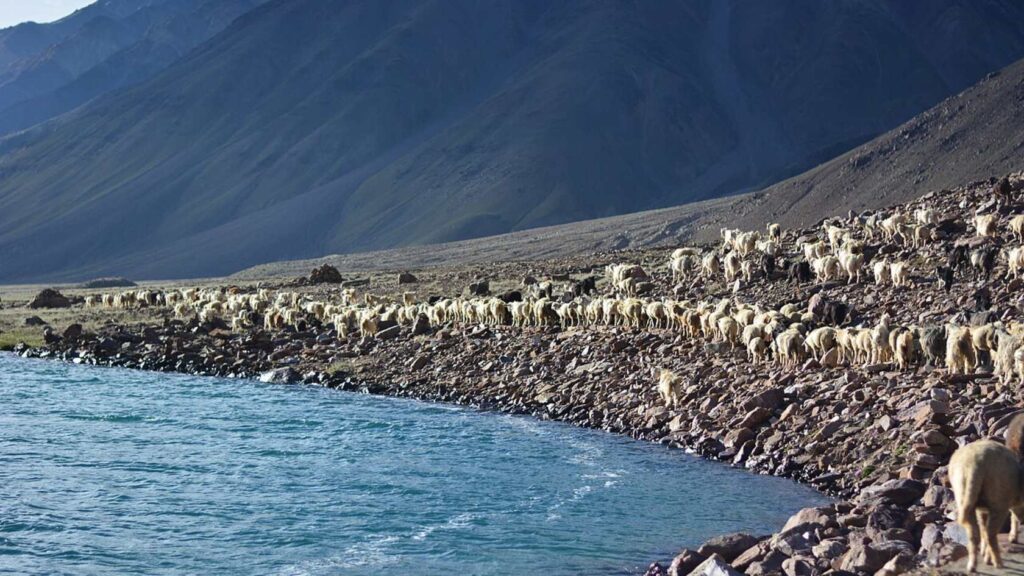
Yes, you can camp near Chandratal Lake. But not right next to it. That is probably the single most important thing to know before you start planning.
Camps are set up in designated zones a few kilometres from the lake. The lake itself is a protected area, and pitching a tent on its banks is not allowed. What you get instead is a campsite surrounded by cold desert mountains, a walk to one of the most beautiful high altitude lakes in India, and a night under some of the clearest skies you will ever see.
The experience is raw. It is cold. Facilities are basic. There is no network, no charging, and no hot shower waiting for you. If that sounds like your kind of adventure, this guide will help you plan it properly.
Quick answer snapshot
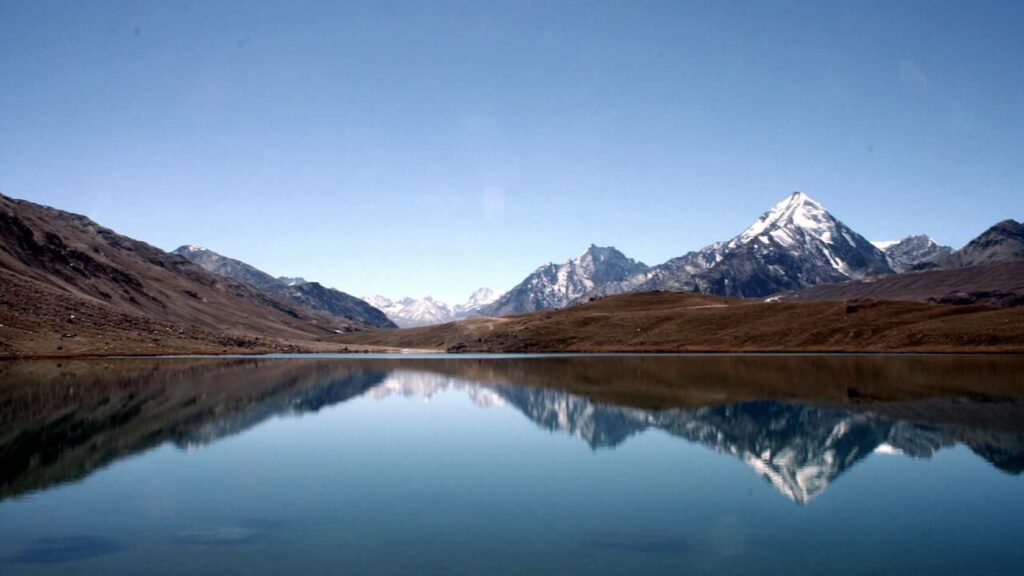
Altitude
Approximately 4,300 metres (14,100 ft)
Best camping months
Mid June to September. Early October in some years.
Can you camp right beside the lake?
No. Camping is only allowed in designated zones away from the lake.
Typical camp distance from the lake
2 to 4 km from the lake, depending on the camp.
Walk from parking to the lake
About 1.5 to 2 km on foot.
Typical camp cost
INR 800 to 2,500 per person per night (meals may or may not be included).
Comfort level
Basic. Expect simple tents, sleeping bags, limited food options, and shared toilets.
Network reality
No mobile network at most camps. No reliable internet.
Best for
Adventure travellers, backpackers, photographers, couples who enjoy rough outdoor stays, and bikers.
Can you really camp at Chandratal?
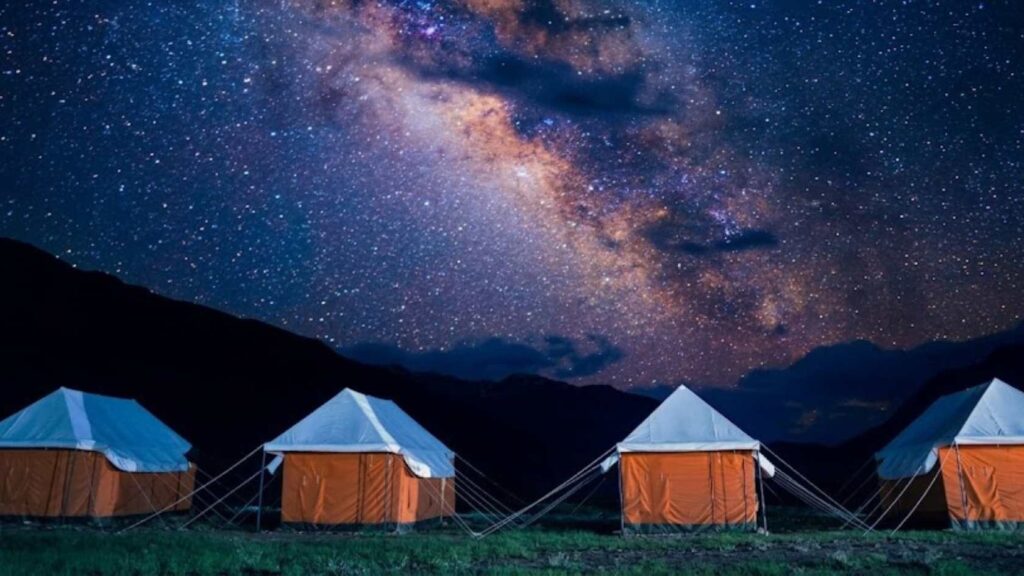
You can camp near Chandratal, but not at the lake itself. This is the part that confuses a lot of travellers.
Chandratal Lake is an ecologically sensitive area. The local forest department and administration have restricted camping directly on the lakeshore. Seasonal camps are set up in designated zones along the road leading to the lake, typically a few kilometres before the final parking area.
These camps operate during the open season, roughly mid June to late September or early October. They offer basic tent stays, simple meals, and a place to sleep before or after visiting the lake.
Self-camping with your own tent is something travellers sometimes ask about. Rules around this can vary by season and local enforcement. In recent years, pitching personal tents outside designated zones has been discouraged. If you plan to carry your own tent, check the latest local rules before leaving. The safest and most practical option for most people is to book a stay at one of the established seasonal camps.
Why Chandratal camping is special
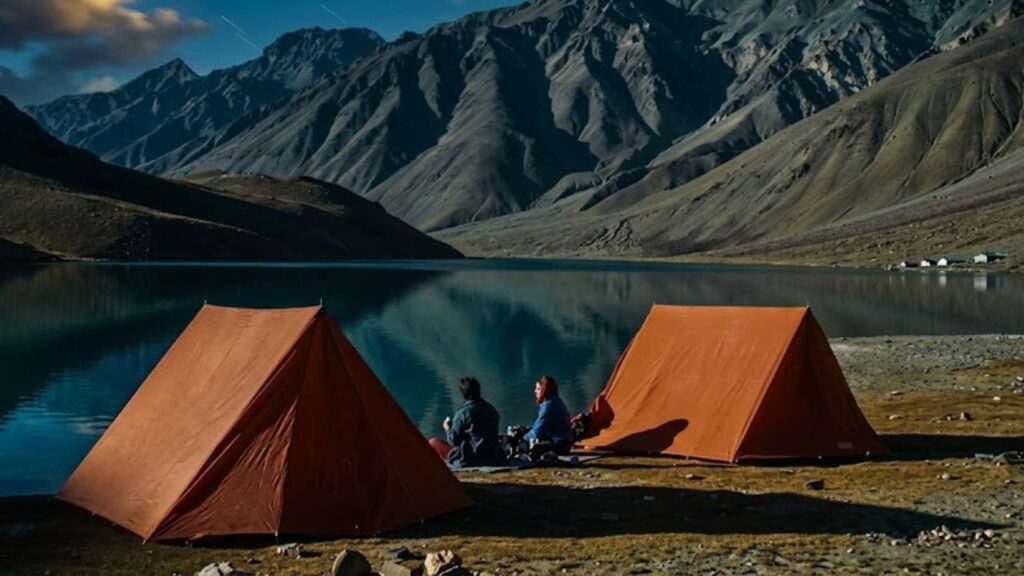
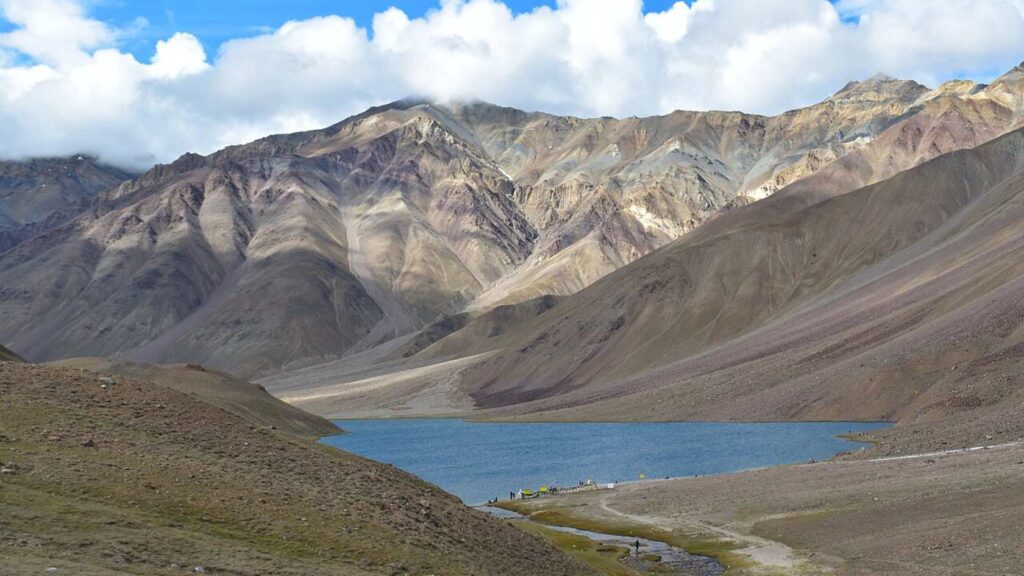
Chandratal sits in a landscape that feels like another planet. Brown, barren mountains surround you. There is no sound except the wind. At night, the sky opens up in a way that is hard to describe to someone who has only seen city stars.
Waking up at 4,300 metres, stepping out of your tent into cold morning air, and walking to a lake that changes colour with every shift in light. That is the experience. It is not about the camp itself. The camp is just where you sleep. The magic is everything around it.
Sunrise and sunset near the lake are extraordinary, especially in September when the skies are clearest. If you are into photography or simply someone who values silence and space, Chandratal camping delivers something you will not find at more commercial mountain destinations.
But it is not for everyone. If you need warmth, comfort, a clean bathroom, and a good meal to enjoy a place, this will feel more like survival than a holiday.
Best camps near Chandratal
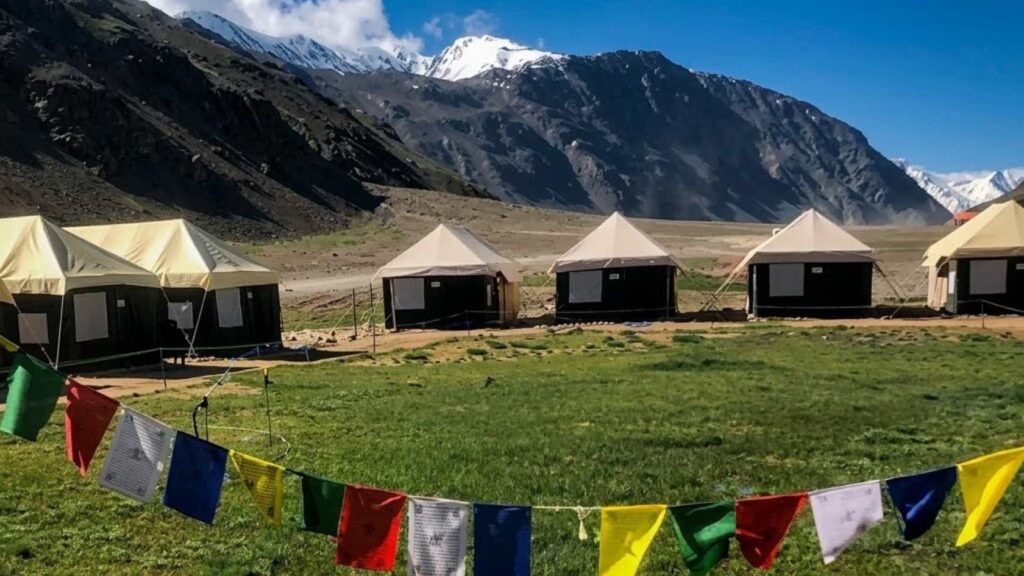
Most Camps near Chandratal are seasonal setups run by local operators. They go up when the road opens and come down before winter shuts everything. The quality varies, and new camps pop up or shut down each year. Instead of naming specific camps that may or may not operate in a given season, here is how to think about what is available and how to choose well.
Types of camps you will find
Basic alpine tents are the most common. These are simple two-person or four-person tents with sleeping bags or heavy blankets. Nothing fancy. They keep the wind out and that is about it.
Some camps offer larger Swiss-style tents with a bit more space, better bedding, and slightly more comfort. These tend to cost more and fill up faster.
Toilet facilities range from basic dry toilets to slightly better shared toilet setups. A few camps may advertise attached toilet tents, but expect these to be very basic. Flushable toilets and running water are not the norm here.
Most camps include dinner and breakfast in the price. The food is simple. Dal, rice, roti, sabzi. Some camps serve Maggi and chai through the day. If you have dietary needs, carry your own supplies.
Choosing the right camp by traveller type
If you are on a tight budget, go with the most basic alpine tent camp. You are here for the lake and the sky, not the tent. Keep costs low and invest in warm clothing instead.
Couples looking for a slightly better experience should aim for a Swiss tent camp with better bedding. It will not be luxurious, but it will be more comfortable for a shared night at altitude.
Backpackers and bikers are usually fine with whatever is available. The vibe at basic camps tends to be more social anyway. You will meet other travellers, share stories, and that is part of the experience.
Photographers should prioritise location over comfort. A camp closer to the lake or the parking area means less walking time to catch golden hour light.
What to confirm before booking any camp
How far is the camp from the lake and from the parking area? This matters more than anything. Some camps are a 10 minute walk from parking, others are further away.
What toilet facilities are provided? Shared dry toilet or attached tent toilet?
Are blankets or sleeping bags included, or do you need your own?
Are meals included in the price? If yes, which meals?
Is there any charging option for phones or cameras?
What are the camp’s last operating dates for the season?
What is the refund or rescheduling policy if the road closes before your trip?
Getting clear answers on these before you pay will save you from unpleasant surprises at 4,300 metres.
Distance from the camp to the lake
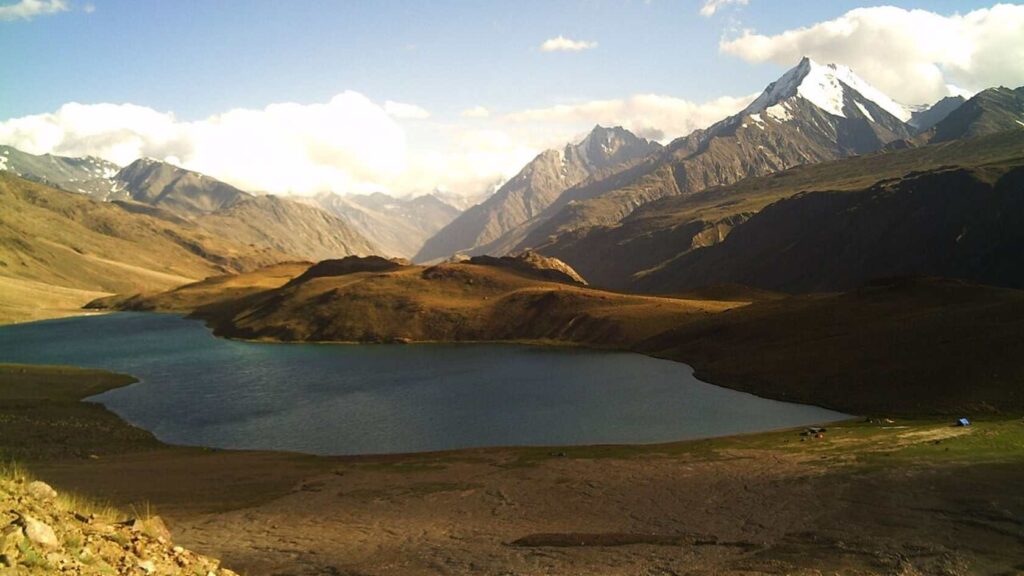
This is one of the most confusing parts of planning a Chandratal camp stay, so let’s break it down clearly.
There are three distances people often mix up. The distance from your camp to the lake. The distance from the main parking area to the lake. And the time it takes to walk that distance at altitude.
Camp to lake distance
Most camps are located along the road that leads toward Chandratal, a few kilometres before the final parking area. Depending on which camp you stay at, the lake could be anywhere from 2 to 4 km away. You will need to either walk from the camp to the lake or drive to the parking area first and walk from there.
Parking to lake walk
The parking area is the last point where vehicles can go. From here, you walk to the lake. The distance is roughly 1.5 to 2 km. The path is mostly flat with a gentle incline near the end. On paper, it sounds easy. At 4,300 metres, it feels different. Expect to take 30 to 45 minutes if you walk at a comfortable pace. Go slow. There is no rush, and pushing yourself at this altitude is a bad idea.
Why this matters
If you want to catch sunrise at the lake, you need to leave your camp early enough to cover both the drive to parking and the walk to the lake. Plan for at least 45 minutes to an hour from camp to lake, factoring in the walk and altitude. Knowing this in advance prevents you from missing the best light or exhausting yourself by rushing.
Chandratal camping rules you should know
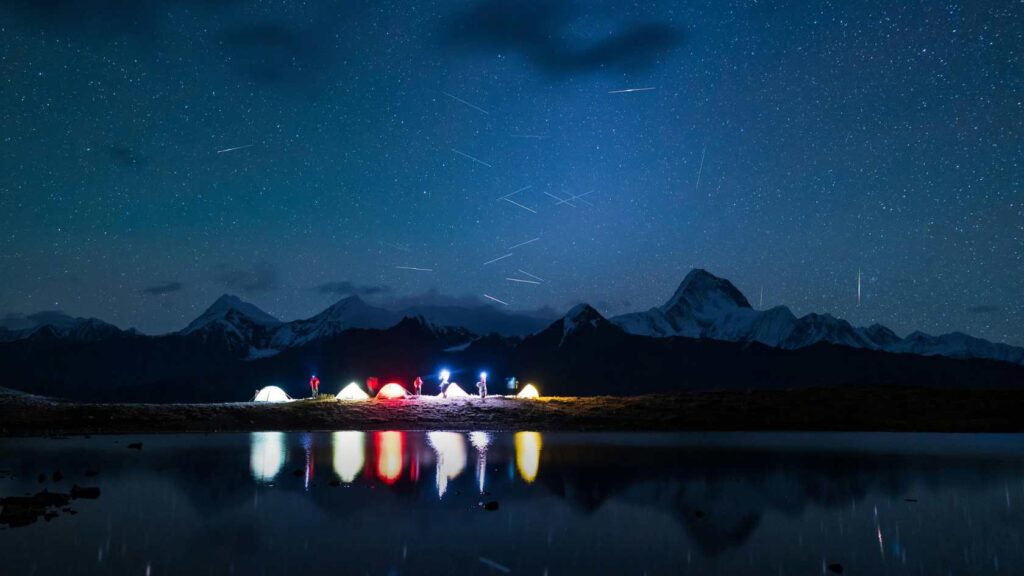
There are a few rules and norms around camping at Chandratal that every traveller should respect.
No camping on the lakeshore. This is the most important one. The lake is ecologically fragile, and camping directly on its banks is not permitted. All camps must be in designated zones.
Stay within allowed camping areas. Setting up a personal tent in random spots near the lake is discouraged and can attract fines or removal. Stick to established camp zones.
No littering. This should go without saying, but it needs saying. Carry all your waste back with you. The camps have basic waste systems, but anything you bring in should leave with you. The area around Chandratal has suffered from careless travellers in the past.
Respect seasonal restrictions. Camps operate only during the open season. Arriving after camps have closed for the year means you will have no stay, no food, and no shelter. Always confirm operating dates before booking.
Check current permit or entry fee requirements. In some seasons, the local administration has required a small entry fee or registration. This can change year to year. Check locally or with your travel planner before departing.
Do not assume rules stay the same each year. What was allowed last season may not be allowed this one. Local regulations can tighten, especially around waste management and ecological protection. Stay updated.
What camping near Chandratal is actually like
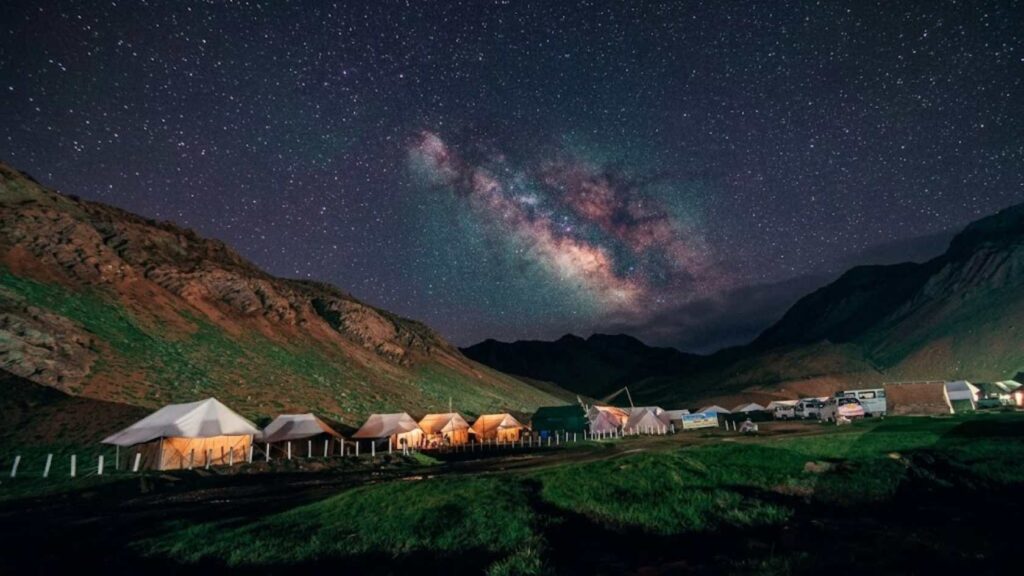
Here is the honest version so you know exactly what you are signing up for.
Your tent will be simple. A canvas or nylon structure with a ground sheet, sleeping bags or thick blankets, and maybe a small pillow. That is it. Do not expect mattresses, room heaters, or anything resembling a hotel room.
Nights are cold. Even in July and August, temperatures can drop to near freezing or below at this altitude. By September, it gets seriously cold after sunset. If you are not dressed for it, you will not sleep.
Food is basic vegetarian fare. Dal, rice, roti, and a simple sabzi. Chai and Maggi are the highlight between meals. If you want anything specific, bring it yourself.
Toilets are the hardest part for many travellers. Most camps have shared dry toilets or basic pit toilets. Cleanliness varies. This alone is a deal-breaker for some people, and that is completely fair. Know what to expect before you commit.
There is no mobile network at Chandratal camps. No calls, no messages, no Instagram. If that sounds freeing, great. If it makes you anxious, plan accordingly. Let people at home know you will be unreachable for a night or two.
Charging your phone or camera is difficult. A few camps have small solar or generator setups, but do not count on it. Bring a fully charged power bank.
Altitude affects people differently. Some feel fine. Others get headaches, feel breathless, or lose their appetite. The first night at 4,300 metres can be uncomfortable even if you are otherwise fit. Accept that possibility.
None of this is meant to discourage you. It is meant to prepare you. The travellers who enjoy Chandratal camping the most are the ones who knew what to expect before they arrived.
Best time for camping at Chandratal
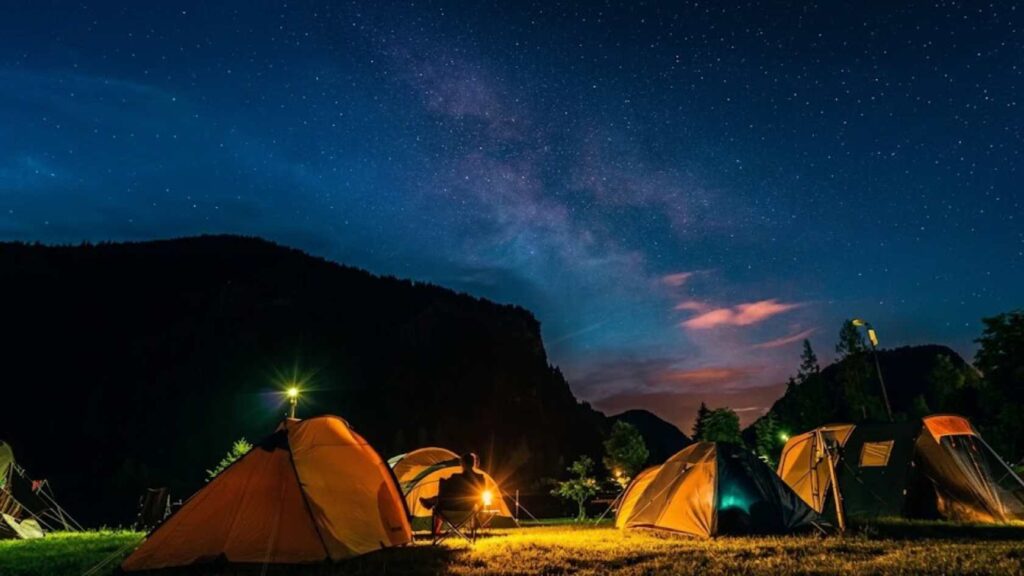
Chandratal camping is seasonal. The window opens around mid June and closes by late September or early October, depending on weather and road conditions.
June
The road usually opens in the second half of June, though this varies each year. Early season camps may not all be operational yet. You might find residual snow patches near the lake. Nights are very cold. Crowds are thin, which is a plus. But facilities may still be getting set up.
July
One of the best months for Chandratal camping. Camps are fully operational, the road is generally open, daytime weather is manageable, and the lake looks beautiful. Monsoon can bring occasional rain and rare road disruptions on the Gramphu to Batal stretch. Carry rain gear.
August
Monsoon makes things less predictable. Rain can cause water crossings to swell and roads to get muddy or temporarily blocked. The landscape turns greener, and the lake is gorgeous. But you need flexibility in your plan. If you are okay with possible delays, August has its own beauty.
September
Many experienced travellers call this the best month. Skies are clear. The lake colours are at their most vivid. Fewer people around. Nights get properly cold, so your packing game needs to be strong. Photography conditions are outstanding. If you are choosing one month, September is hard to beat.
Early October
The season closes fast. Some camps shut down by the end of September. Others may stay open into the first week of October in a good year. Early snowfall can close the road with very little warning. If you go in early October, have a backup plan and confirm everything before leaving.
Chandratal camping cost
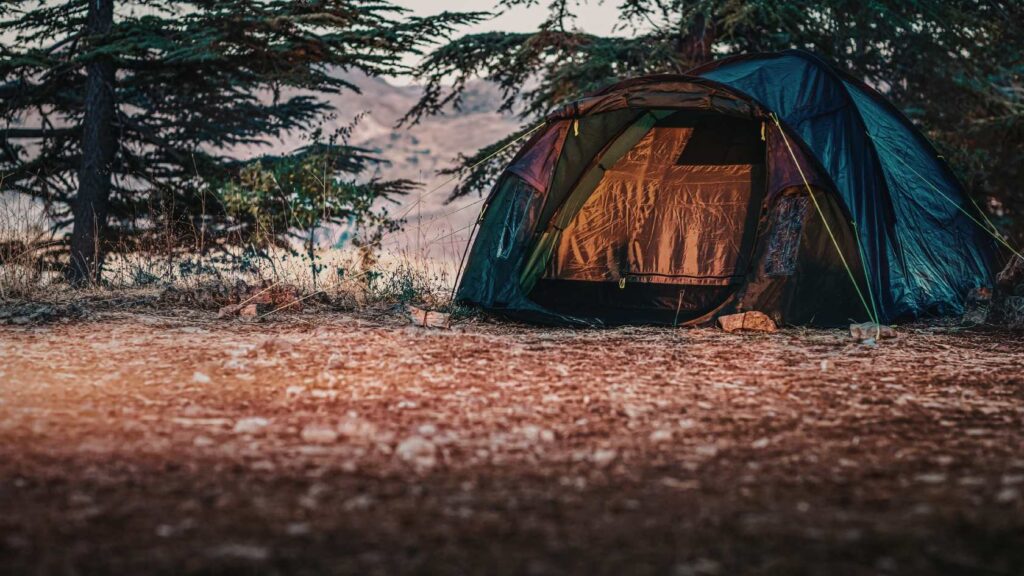
Camping at Chandratal is relatively affordable compared to other mountain stays, but costs vary depending on how you get there and what kind of camp you choose.
Budget camp stay (basic tent, shared meals): INR 800 to 1,200 per person per night. This gets you a simple tent, sleeping bag, and dinner plus breakfast at most camps.
Standard camp stay (better tent, included meals): INR 1,500 to 2,500 per person per night. Expect a slightly larger tent, better bedding, and meals. Some may offer a basic toilet tent.
Self-drive trip (fuel + camp cost): INR 4,000 to 7,000 per person for a 2 to 3 day trip including fuel costs, camp stay, and meals.
Private cab plus camp (split in a group): INR 5,000 to 9,000 per person for a 2 to 3 day trip, depending on group size and cab type.
Couple budget (private vehicle + decent camp): INR 7,000 to 12,000 per person for 2 to 3 days.
Group of friends (4 to 6 people, shared costs): INR 3,500 to 6,000 per person for 2 to 3 days with shared transport and standard camping.
All-inclusive package (transport, camp, meals, support): INR 6,000 to 12,000+ per person, depending on duration and comfort level.
A package might seem more expensive upfront, but when you factor in the cost of booking a vehicle separately, finding a reliable camp, and handling logistics on a remote, unpredictable route, the difference is often smaller than you think. Spiti Valley Packages offers Chandratal trips where the transport, camping, meals, and local coordination are handled. If you would rather focus on the experience than the logistics, it is worth looking into.
What to carry for Chandratal camping

Packing right can make the difference between a great night and a miserable one. Here is what actually matters.
Clothing
Thermals for top and bottom. A fleece jacket or heavy sweatshirt. A proper down or puffer jacket for the night and early morning. A windproof outer layer. Warm socks, at least two pairs. A woollen cap or beanie. Gloves if you are going in September or later.
Footwear
Sturdy trekking shoes or hiking boots. The walk to the lake involves uneven ground, and regular sneakers will not give you the grip or warmth you need. Carry a pair of light sandals for inside the camp area.
Health and safety items
Paracetamol, ORS sachets, and Diamox (only after consulting your doctor). Any personal medication you take regularly. A small first aid kit with band-aids and antiseptic. Sunscreen with high SPF. Lip balm with SPF.
Camp night essentials
A fully charged power bank. A headlamp or small torch. Wet wipes and a small towel. Toilet paper. A reusable water bottle. Earplugs if you are a light sleeper. The wind and tent fabric can be noisy at night.
Small comfort items
A thermos if you have one. Hot water before bed is a luxury at this altitude. Light snacks like dry fruits, biscuits, or energy bars. A book or a journal if you want something to do in the evening with no phone signal.
Cash. INR 2,000 to 4,000 in small denominations. There are no ATMs anywhere near Chandratal and digital payments do not work without network.
Offline maps downloaded before you lose signal.
A garbage bag. Carry your waste out. Leave the place better than you found it.
Is Chandratal camping safe?
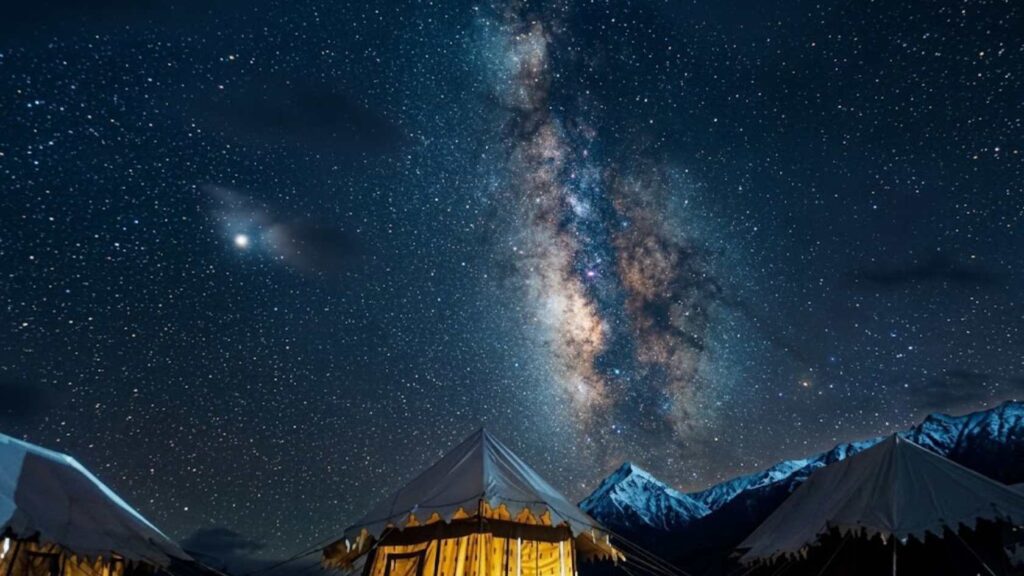
For a healthy, reasonably fit adult, yes. But the altitude demands respect.
At 4,300 metres, your body is working harder than usual just to breathe. Acute Mountain Sickness (AMS) is the main risk. Symptoms include headache, nausea, dizziness, and unusual fatigue. Most cases are mild if you have acclimatized gradually. Rushing from Manali to Chandratal in a single day without any altitude buffer increases the risk significantly.
A 3-day itinerary with a stop at Chhatru or Batal before reaching Chandratal gives your body time to adjust. This is especially important if you are not used to high altitudes.
Is it safe for elderly travellers?
Only if they are in good health, have no serious heart or respiratory conditions, and are comfortable with basic facilities and rough roads. A doctor’s consultation before the trip is strongly recommended.
Is it safe for kids?
Not recommended for young children. The altitude, cold, basic facilities, and lack of medical access make it risky. Older teenagers who are fit and up for it can manage with proper preparation and a 3-day itinerary.
What to do if someone feels unwell
Do not ignore altitude symptoms. If someone in your group has a persistent headache, is vomiting, or seems confused, descend immediately. Drive toward Batal or Gramphu, which are at lower altitudes. Symptoms usually ease once you lose altitude. Do not try to wait it out at camp.
Camp stay vs Batal stay vs day trip
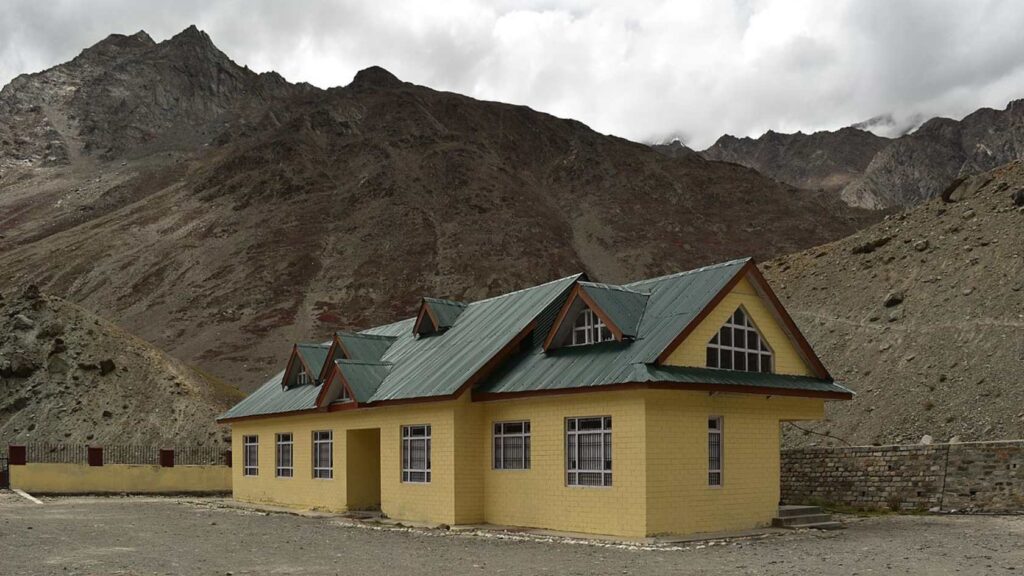
This is a decision most travellers struggle with. Here is a clear breakdown to help you choose.
Camp stay near Chandratal
Best for travellers who want the full experience. You get to visit the lake at sunrise or sunset (or both), spend a night in the mountains, and soak in the atmosphere. The trade-off is basic comfort, cold nights, and limited facilities. Ideal for adventure seekers, photographers, and anyone who values experience over convenience.
Batal stay
Batal is a handful of dhabas about 14 km before the Chandratal diversion. Accommodation is extremely basic. Simple rooms, basic beds, no attached bathrooms. But it sits at a slightly lower altitude and gives you a roof and a place to eat. It works well as a transit stop, especially if you are doing a 3-day trip and want to break the journey. From Batal, you can drive to Chandratal the next morning for a day visit.
Day trip (no overnight near the lake)
If camping sounds too uncomfortable or you are short on time, you can visit Chandratal as a day trip from Batal or even from Manali in a very long day. The downside is that you miss the sunrise, sunset, and night sky experience. But you still get to see the lake. For families with kids, older travellers, or anyone not comfortable with basic camping, a day visit is a perfectly good option.
There is no wrong choice here. It depends on what matters more to you: the full immersion or a practical, comfortable visit.
Chandratal camping for different traveller types
Couples
Chandratal camping works well for couples who enjoy offbeat adventures. Book a slightly better tent, carry warm layers, and plan a 3-day itinerary. The lake at sunrise, the silence at night, and the complete absence of phone distractions make it surprisingly intimate in a raw, real way.
Friends groups
This is a solid group trip. Shared costs make it affordable, the campsite atmosphere is social, and the banter around a cold evening with chai in hand is half the experience. Go with a group of 3 to 6 for the best balance of cost and fun.
Backpackers
Chandratal is a backpacker favourite. You can keep it cheap with basic camping, shared transport, and simple food. The remoteness and the rawness of the experience are exactly what most backpackers are looking for.
Bikers
Riding to Chandratal is iconic. The Gramphu to Batal stretch tests your skills, and arriving at camp after a long ride is deeply satisfying. Carry your own supplies and book camp in advance during peak months.
Photographers
September is your month. Clear skies, vivid lake colours, and extraordinary light. Stay at the camp closest to the parking area so you can reach the lake quickly for golden hour. A tripod and extra batteries are non-negotiable.
Families
Only recommended for families with older teenagers who are comfortable with rough conditions. Not suitable for young children, elderly members with health concerns, or anyone expecting basic hotel-level comfort.
First-time high altitude travellers
Go with a 3-day plan, do not skip the acclimatization stop, and choose a camp with decent reviews. If you are unsure about logistics, a package through an operator like Spiti Valley Packages takes the stress out of the planning and lets you focus on the experience.
Common mistakes to avoid

Assuming you can camp right beside the lake. You cannot. Plan for designated camp zones and the walk to the lake.
Not carrying enough warm clothes. Even in July, nights are cold. By September, it is freezing. Under-packing is the most common regret.
Reaching camp late. The drive from Manali or Batal takes longer than you think. Arriving after dark at 4,300 metres with no light and no network is stressful and avoidable.
Trusting Google Maps timings. The algorithm does not know about water crossings, broken road patches, or military convoys. Real travel time from Manali to Chandratal is 6 to 8 hours, not the 4 to 5 hours shown online.
Not carrying cash. No ATMs. No UPI. No card machines. Cash is the only currency that works here.
Expecting phone network. It will not work. Accept it. Download maps offline. Tell your family you will be unreachable.
Ignoring altitude symptoms. A headache at altitude is your body telling you something. Do not push through it. Rest, hydrate, and descend if it gets worse.
Not checking road and camp status before departure. Roads can close overnight due to rain or landslides. Camps can shut early if the season ends sooner than expected. Always verify before you leave.
Final verdict
Chandratal camping is one of the most memorable high altitude experiences available in India. The lake is extraordinary. The silence and the sky at night are unlike anything you will find at a more popular destination. But it asks something of you in return: the willingness to accept basic comfort, cold conditions, and a landscape that is as harsh as it is beautiful.
If you are someone who values real mountain experiences over convenient ones, this trip is for you. Plan for at least 3 days. Pack warm. Carry cash. Respect the rules about where you can and cannot camp. Check road and camp status before you go. And do not underestimate the altitude.
If the logistics feel overwhelming, especially finding the right camp, sorting transport on a tricky route, and dealing with uncertainty around road conditions, consider booking through Spiti Valley Packages. The team handles the transport, camping, meals, and on-ground coordination so you can focus entirely on the experience. Whether you are a couple, a group of friends, or a solo traveller, having local support on a route like this makes a real difference.
Chandratal is not just a lake. It is a test of how much beauty you are willing to work for. And it rewards everyone who shows up prepared.
Want help planning your Chandratal camping trip?
If you want a Chandratal trip with reliable transport, a good campsite, meals sorted, and someone who knows the route keeping things on track, reach out to Spiti Valley Packages. Whether it is a quick 2-day camp trip or a full Spiti circuit with Chandratal included, the team can build a plan around your group, budget, and comfort level.
Enquire at spitivalleypackages.com or send your dates, group size, and preferences to get a trip plan.
Frequently asked questions
Can you camp right next to Chandratal Lake?
No. Camping on the lakeshore is not allowed. Camps are set up in designated zones a few kilometres from the lake. You visit the lake on foot from the parking area.
How far are Chandratal camps from the lake?
Most camps are 2 to 4 km from the lake, located along the road before the final parking area. The exact distance depends on which camp you stay at.
How far is the walk from parking to Chandratal Lake?
About 1.5 to 2 km. The path is mostly flat with a gentle incline. At 4,300 metres altitude, expect the walk to take 30 to 45 minutes at a comfortable pace.
What is the best time for Chandratal camping?
Mid June to September. July is great for overall conditions. September offers the clearest skies, best photography light, and fewer crowds. Early October is possible but risky.
How much does Chandratal camping cost?
Basic camp stays range from INR 800 to 1,200 per person per night. Better camps with meals included cost INR 1,500 to 2,500. Total trip cost from Manali ranges from INR 3,500 to 12,000 per person depending on transport and style.
Are toilets available at Chandratal camps?
Yes, but they are basic. Most camps have shared dry toilets or pit toilets. A few offer basic attached toilet tents. Do not expect flush toilets or running water.
Do camps provide blankets and meals?
Most camps provide sleeping bags or heavy blankets and include dinner and breakfast. Always confirm this while booking. Carrying your own warm layer as backup is smart.
Is self-camping allowed at Chandratal?
Rules around self-camping have become stricter in recent years. Pitching a personal tent outside designated zones is generally discouraged. Check the latest local guidelines before planning to self-camp.
Do I need a permit for Chandratal camping?
In some seasons, a small entry fee or registration has been required. This can change by year. Confirm the current requirement locally or with your travel operator before departure.
What should I carry for a Chandratal camp night?
Thermals, a warm jacket, trekking shoes, a headlamp, power bank, sunscreen, basic medicines, cash, offline maps, a water bottle, and a garbage bag. Pack warm and pack light.
Is Chandratal camping safe for families with kids?
Not recommended for young children due to altitude, cold, basic facilities, and limited medical access. Families with fit older teenagers can manage with a 3-day itinerary and proper preparation.
Is there mobile network at Chandratal camps?
No. Mobile network drops out after Gramphu and is not available at Chandratal or Batal. Download offline maps and inform family about the network gap before you leave.
Can I camp at Chandratal in October?
Early October is sometimes possible if the season extends, but many camps close by late September. Road closures due to early snow are common. Always confirm conditions and camp availability before going in October.
Which is better: Chandratal camp stay or Batal stay?
Camp stay gives you the full experience, including sunset, sunrise, and the night sky at altitude. Batal is a practical transit stop with basic shelter at a slightly lower altitude. Choose camp for the experience and Batal for convenience or as part of a longer itinerary.
When is the best time to follow a chandratal camping guide?
The ideal window to follow a chandratal camping guide is from mid-June to September, as most camps fully operate during this brief summer period. While July and August offer peak access despite monsoon water crossings, September is often preferred for its stable weather and clear Himalayan views before everything shutters by early October.
Also read: Chandratal Trip Cost from Manali and Delhi: Budget, Shared Taxi, Private Cab and Camp Stay