The trek is moderately challenging to strenuous. While the extra days reduce daily exertion, trekkers still navigate steep ascents, high-altitude terrain above 14,000 feet, and river crossings, making it suitable for moderately experienced trekkers.
The optimal window is July to September, when the trail is mostly snow-free, rivers are safer to cross, and weather conditions are favorable. Early July may still have some snow at higher camps, while late September brings cooler temperatures.
Do trekkers require guides and support staff for this 11-day trek?
Yes, hiring an experienced local guide is highly recommended for navigation, safety, and altitude management. Porters or support vehicles can be arranged to carry luggage and camp equipment, especially for longer itineraries.
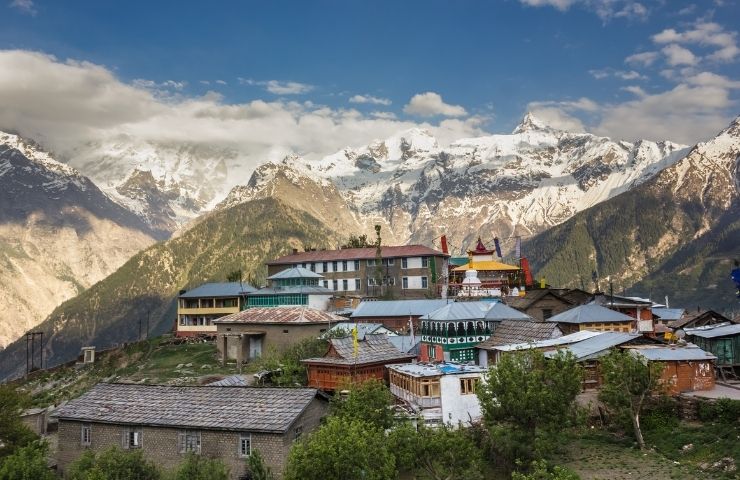
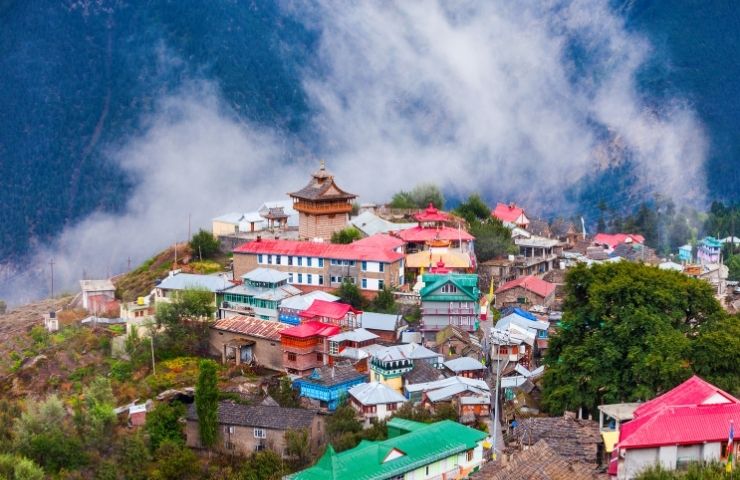
Accommodation is primarily in tents at high-altitude camps, with basic facilities for cooking and sleeping. Lower-altitude nights may include homestays or guesthouses in villages, providing a mix of comfort and adventure.
Yes, trekkers will regularly reach altitudes above 14,000 feet, with Baralacha Pass exceeding 16,000 feet. Gradual acclimatization, hydration, and pacing are essential to prevent altitude-related issues.
What are the main highlights of the Bhaba Pass Trek?
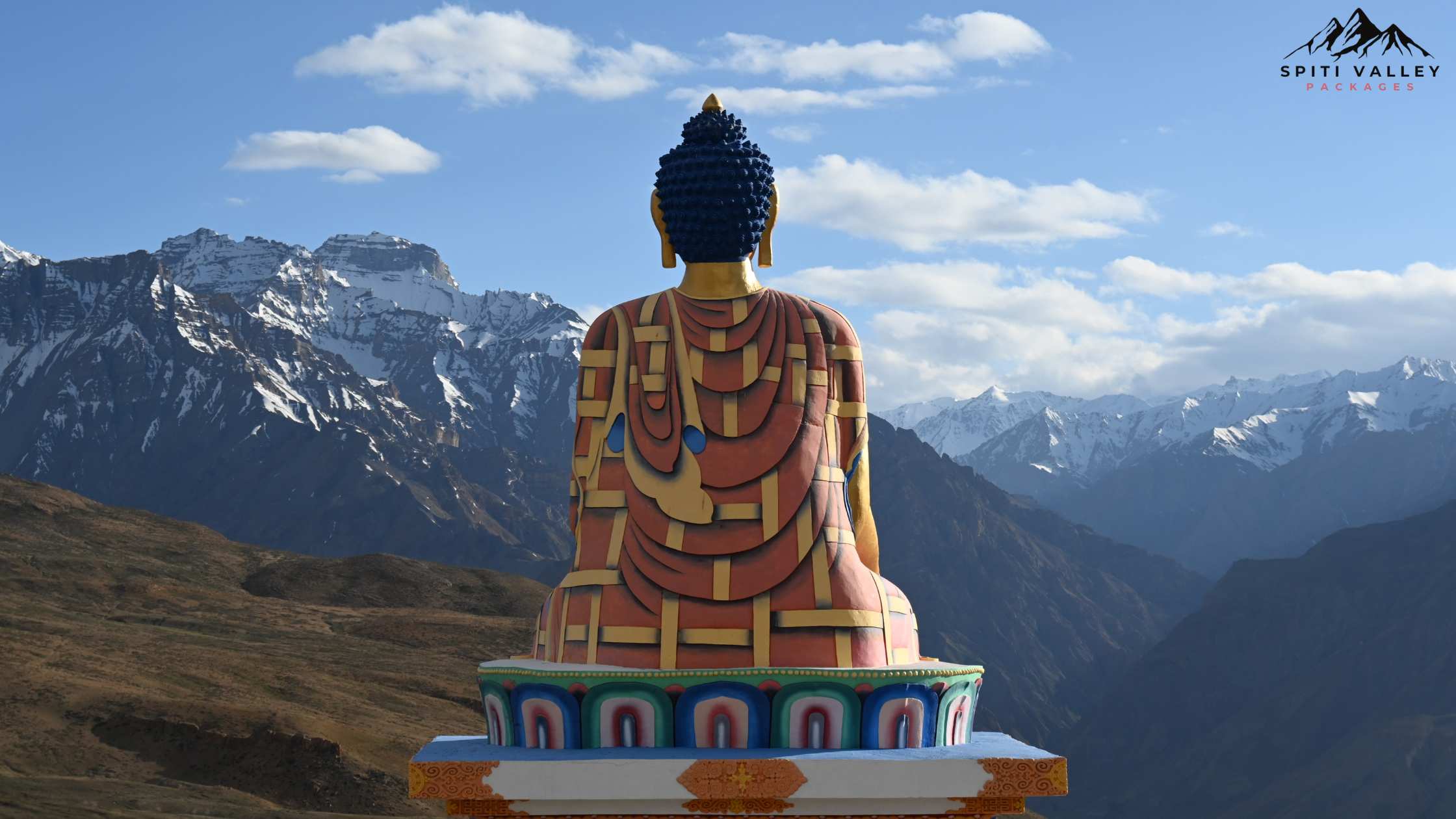
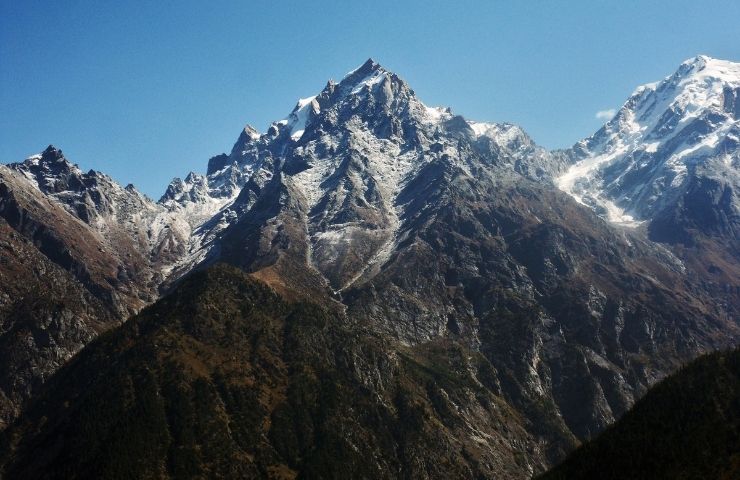
Highlights include crossing the Baralacha Pass, camping near alpine meadows and glacial streams, exploring the Bhaba Valley, and witnessing panoramic views of snow-capped peaks and barren Spiti landscapes.
Experienced solo trekkers can attempt it with a guide. Beginners may find the distance and altitude challenging, but a guided group trek makes it more manageable and safe.