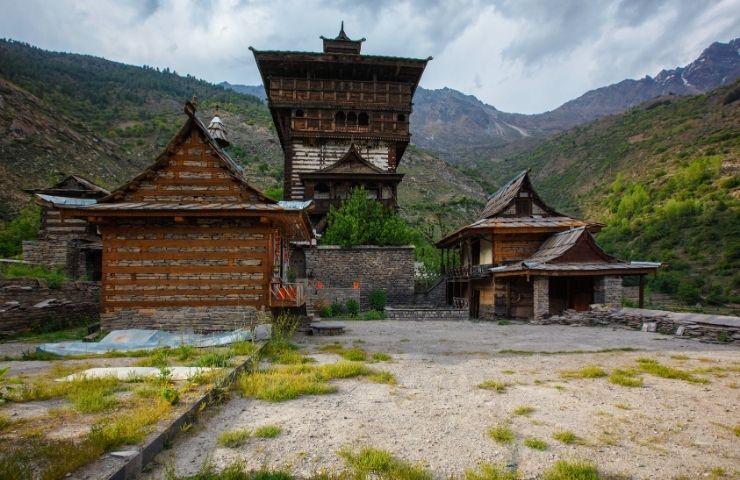
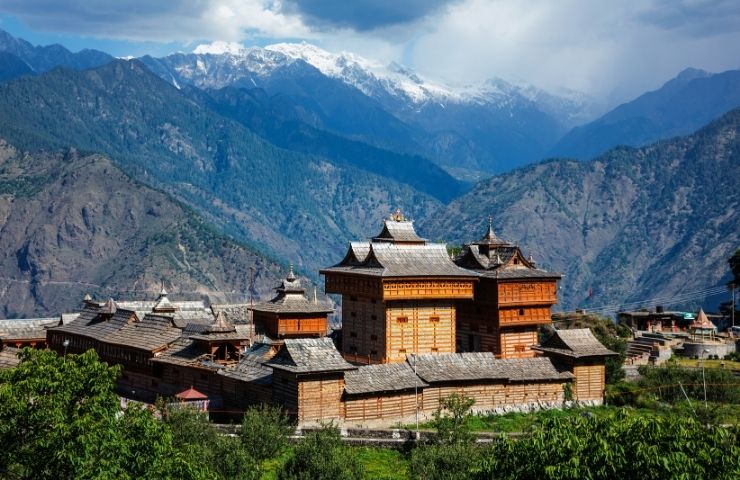
Yes, the extended duration allows travelers to explore lesser-known villages, remote monasteries, hidden lakes, and scenic passes beyond the usual tourist spots.
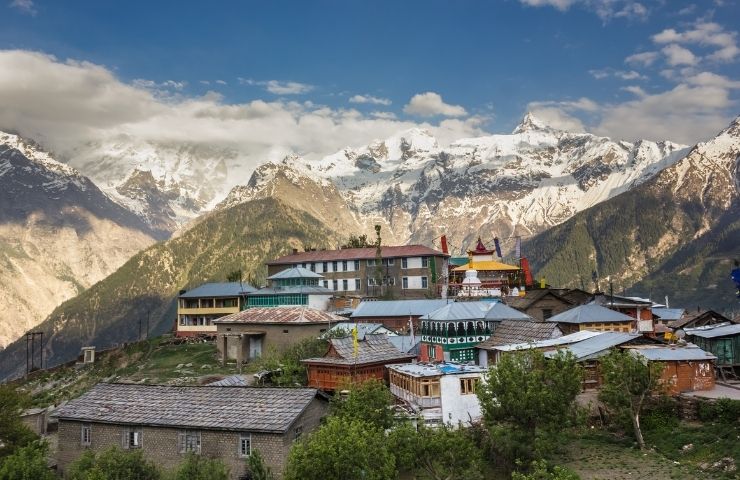
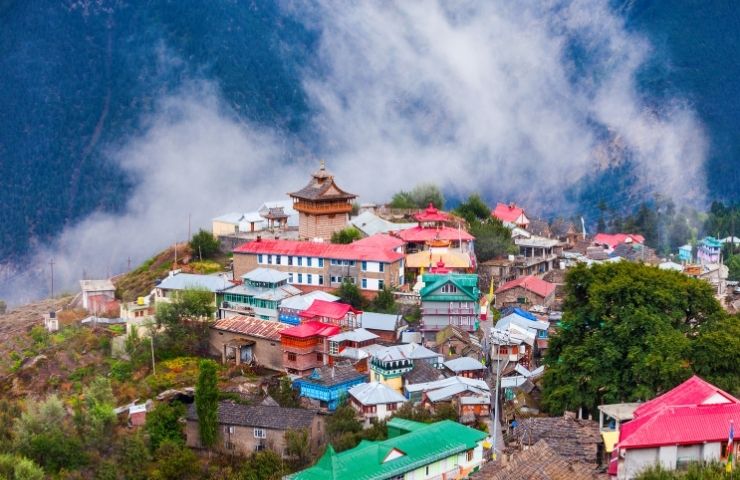
Typically, the itinerary spends 2–3 nights in Kaza, and 1–2 nights each in villages like Langza, Hikkim, Komik, and Tabo, allowing travelers to experience both sightseeing and local life.
Are there opportunities for photography and stargazing?
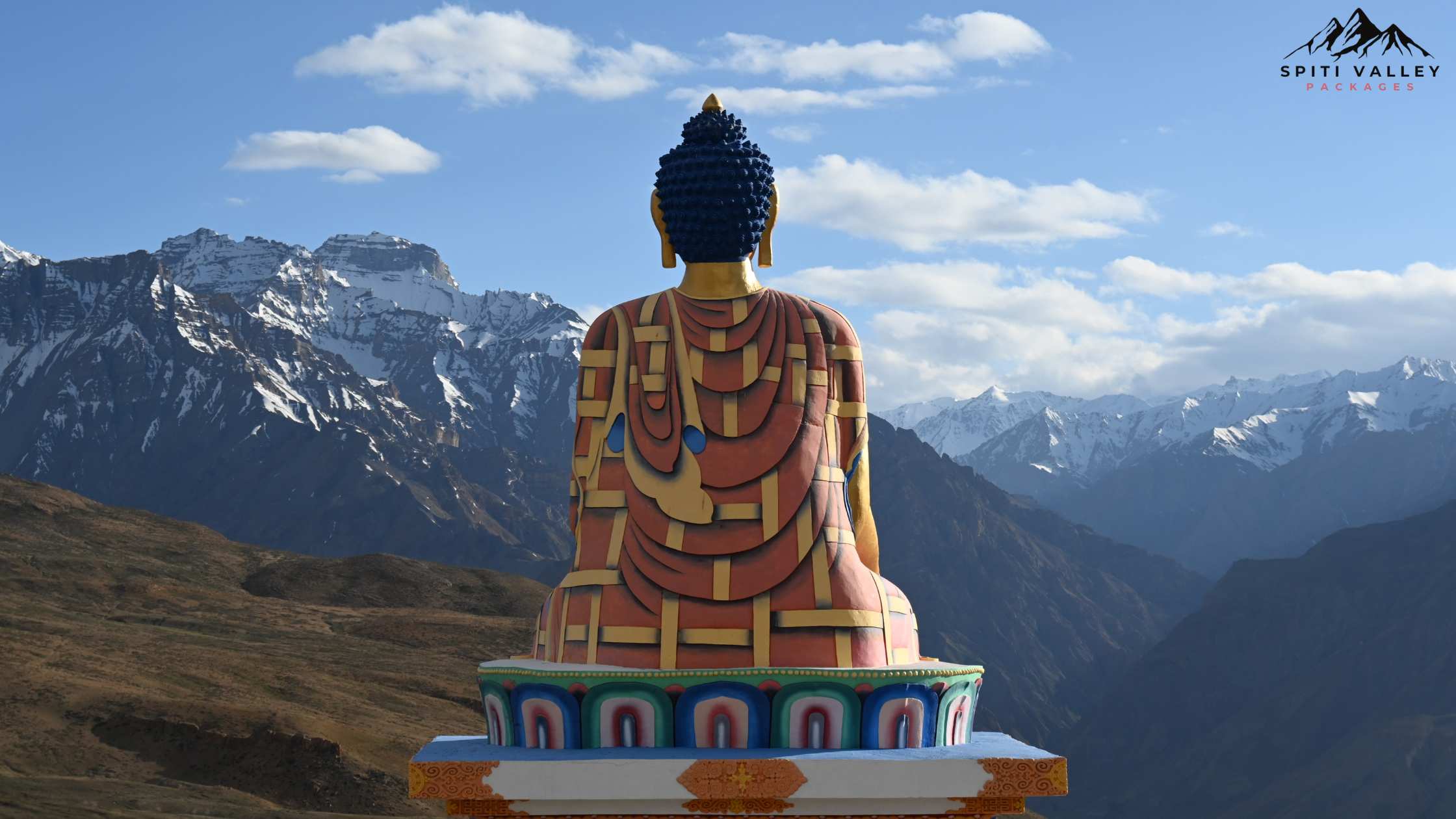
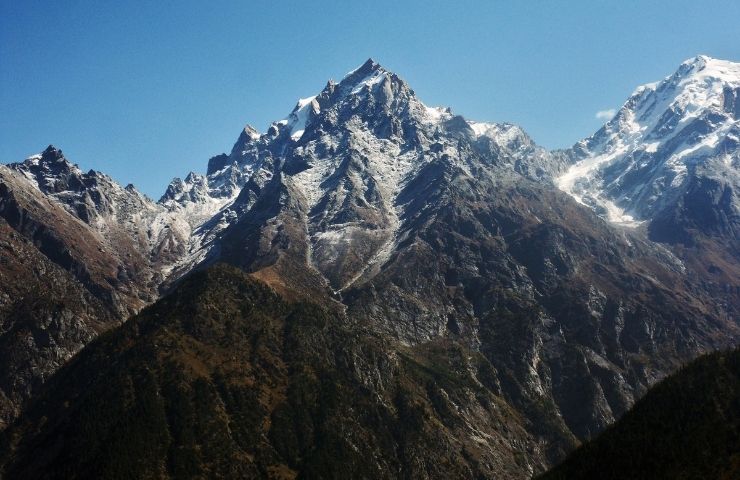
Absolutely. Spiti Valley’s high-altitude landscapes, clear skies, and serene lakes make it ideal for sunrise/sunset photography and stargazing at night.
What kind of road and travel conditions should travelers expect?
Travelers should expect mountain roads with occasional rough patches and high-altitude passes. Experienced drivers usually manage these routes, ensuring safety and comfort.
Yes, travelers can visit ancient monasteries, interact with locals, experience traditional Spiti cuisine, and witness local festivals or rituals depending on the season.
Yes, the itinerary is paced gradually, with sufficient acclimatization time and optional light treks, making it suitable even for first-time travelers to high-altitude regions.
How physically demanding is this trip?
The itinerary is mostly moderate, with driving between villages, light treks, and short walks. Travelers should be prepared for high-altitude conditions but do not require extreme fitness.