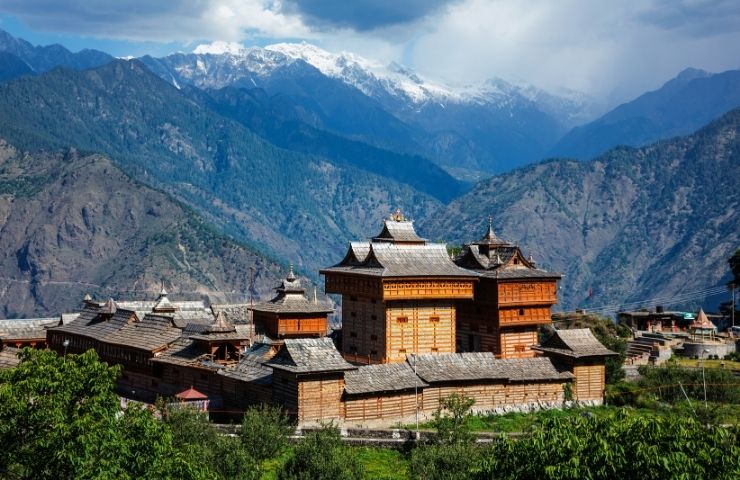
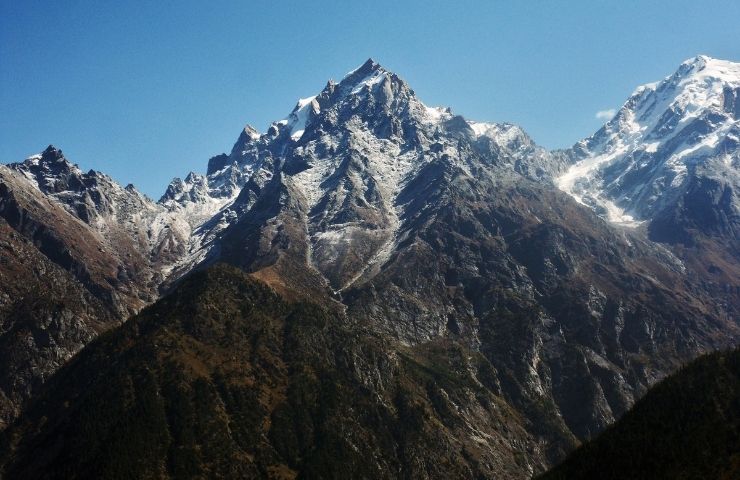
Yes, 4N/5D is ideal for a short but fulfilling Spiti trip if you follow a well-planned route. Most itineraries cover key highlights like Kaza, Key Monastery, Chandratal Lake, and Kunzum Pass. However, the journey involves long drives, so expect packed days.
The best time to visit is from May to October. May and June offer pleasant weather with clear roads, making travel comfortable and convenient. From July to September, the landscapes are lush and vibrant due to the monsoon season, although occasional landslides may occur. October is ideal for those who prefer fewer crowds, though nights tend to be colder. Winters are extremely harsh, and most areas remain largely inaccessible during this time.
Most tours start from Delhi and follow either: Shimla–Kinnaur–Spiti route (gradual altitude gain, safer for acclimatization), or Manali–Kunzum route via Manali (shorter but more adventurous). Many travelers prefer overnight Volvo or tempo traveller options.
Yes, Spiti is considered very safe, even for solo female travelers. Locals are welcoming, and crime rates are low. However, due to remote terrain, always travel with a reliable operator and avoid night driving.
Indian citizens generally do not need permits for main Spiti areas. However, if your itinerary includes border villages like Kibber or Tabo, permits may sometimes be required depending on current regulations. Foreign nationals need Inner Line Permits for certain areas.
Will there be network connectivity and internet in Spiti?
Connectivity is limited. BSNL and Jio work intermittently in Kaza, but expect no signal near Chandratal Lake and remote villages. It’s best to inform family beforehand and keep some offline maps downloaded.
Spiti sits at high altitude (around 12,500 ft in Kaza). Mild symptoms like headaches or fatigue are common. Proper hydration, gradual ascent (via Shimla route), and avoiding alcohol help reduce risks.