What makes the Chandratal–Baralacha Trek unique compared to other Spiti treks?
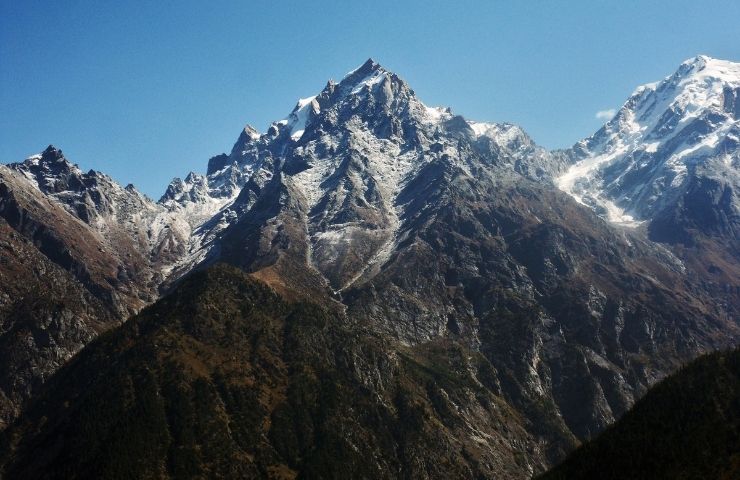
This trek connects two iconic high-altitude destinations—Chandratal Lake and Baralacha Pass—offering a mix of glacial lakes, barren mountain landscapes, and alpine meadows rarely covered in shorter treks.
Is 9 Nights 10 Days enough to complete the Chandratal–Baralacha Trek safely?
Yes, this duration is ideal. It allows gradual acclimatization, enough trekking days to reach the high passes without rushing, and buffer days in case of sudden weather changes.
Trekkers should have moderate to high fitness. Daily trekking involves 5–8 hours on steep, rocky trails at altitudes ranging from 13,000 to 16,000 feet. Prior high-altitude trekking experience is recommended.
When is the best season to do the Chandratal–Baralacha Trek?
The optimal months are July to September, when snow is minimal, streams are manageable, and the trails are accessible. June may still have snow in higher passes, while October can be cold with risk of early snowfall.
Baralacha Pass is the highest point of the trek at around 16,000 feet. The ascent is steep and rocky, requiring proper pacing, acclimatization, and trekking poles for support. It’s considered the most challenging segment of the trek.
Are guides and support staff necessary for this trek?
Hiring a guide is strongly recommended for navigation and safety. Porters or support vehicles may be arranged to carry luggage and camp equipment, making the trek less physically demanding.
Accommodation is primarily in tents during high-altitude trekking days. Lower-altitude nights may include homestays or basic guesthouses, offering a mix of comfort and adventure.