
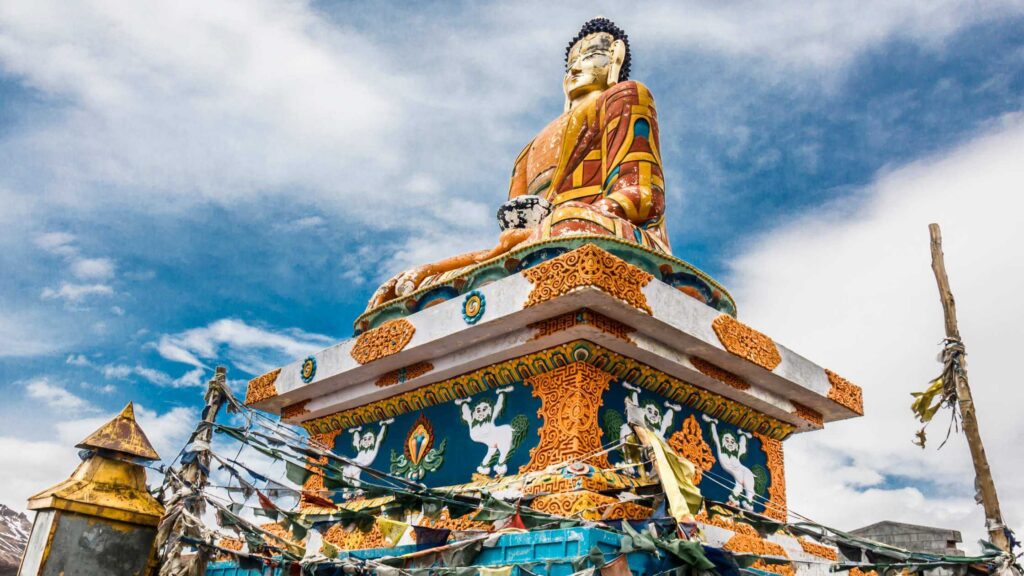
Imagine waking up to a sky full of stars, ancient Buddhist monasteries perched on golden cliffs, and rivers that shimmer like silver ribbons through a vast cold desert — all experienced through the wide, wonder-filled eyes of your child. Spiti Valley with kids is not just possible; it can be one of the most transformative family journeys you will ever take.
But let’s be real: Spiti Valley is not your average family hill station. At altitudes between 3,800 and 4,500 meters, with limited roads and basic medical infrastructure, it demands thoughtful preparation. This comprehensive Spiti Valley family travel guide answers every question parents search for — from altitude safety and best age for children, to packing lists, kid-friendly activities, and how to choose the right Spiti Valley family tour package.
Read every section carefully — this guide is written to help you travel confidently, keep your children safe, and make memories that your family will talk about for decades.
Is Spiti Valley Safe for Children? The Honest Answer Every Parent Needs
This is the most searched question by parents considering this trip, and the answer depends on the age of your child and how well you plan the journey.
| Child's Age | Recommendation | Key Consideration |
|---|---|---|
| Below 3 years | Not Recommended | Cannot communicate symptoms of altitude sickness |
| 3–5 years | High Caution | Risk of AMS; very limited medical help available |
| 6–8 years | Proceed with Caution | Manageable with slow itinerary and close monitoring |
| 9–12 years | Good | Most children handle altitude well with proper prep |
| 13–17 years (Teens) | Excellent | Teens enjoy the adventure; easier to communicate needs |
✅ The recommended minimum age for visiting Spiti Valley with kids is 8 years, though many families with well-prepared 6-year-olds have had safe and enjoyable trips. The key is always a slow ascent and constant monitoring.
Spiti Valley is entirely safe from a crime and social perspective — it is one of the most peaceful, hospitable, and community-driven regions in India. The safety concern is purely about altitude and remoteness, both of which are fully manageable with the right itinerary.
Understanding Altitude Risk for Children in Spiti Valley
Children’s bodies respond to altitude differently than adults. Their higher metabolic rate means they consume oxygen faster, and because they often cannot articulate how they feel, parents must watch for behavioral and physical signs of Acute Mountain Sickness (AMS).
Key Altitudes Your Family Will Encounter
| Child's Age | Recommendation | Key Consideration |
|---|---|---|
| Below 3 years | Not Recommended | Cannot communicate symptoms of altitude sickness |
| 3–5 years | High Caution | Risk of AMS; very limited medical help available |
| 6–8 years | Proceed with Caution | Manageable with slow itinerary and close monitoring |
| 9–12 years | Good | Most children handle altitude well with proper prep |
| 13–17 years (Teens) | Excellent | Teens enjoy the adventure; easier to communicate needs |
Signs of Altitude Sickness in Children — Watch for These
- Persistent headache (especially at the front of the head)
- Unusual fatigue or excessive sleepiness — more than normal
- Loss of appetite or refusing food and water
- Nausea or vomiting
- Pale face, rapid breathing, or shortness of breath during rest
- Irritability, crying without apparent reason, or behavioral changes
- Dizziness or loss of balance
⚠️ If your child shows two or more of these symptoms simultaneously, descend immediately to a lower altitude. Never wait to see if symptoms improve at the same elevation. Descent is the only guaranteed cure for AMS.
Best Time to Visit Spiti Valley with Family
| Month | Temp (Day/Night) | Road Access | Family Suitability | Why? |
|---|---|---|---|---|
| May | 12–18°C / 2–5°C | Shimla route opens | Good | Less crowded; pleasant; roads clearing |
| June | 15–22°C / 5–8°C | Both routes open | Excellent | Warm days, clear skies, full access |
| July | 18–24°C / 7–10°C | Open; occasional rain | Very Good | Peak summer; some road slips possible |
| August | 17–23°C / 6–9°C | Open; peak season | Very Good | Vibrant; full amenities; book ahead |
| September | 12–18°C / 0–5°C | Open, clear | Excellent | Best weather, harvest season, festivals |
| October | 5–10°C / -5 to 0°C | Closing soon | Moderate | Cold nights; only well-prepared families |
| Nov–April | Below 0°C | Most routes closed | Not Recommended | Extreme cold; roads blocked by snow |
✅ Best months for Spiti Valley with kids: June and September. June offers warm, accessible weather, while September provides crystal-clear skies, mild temperatures, and the magical atmosphere of harvest season — perfect for children.
Spiti Valley Family Travel Tips: Complete Safety & Comfort Guide

Before You Leave Home
- Visit your pediatrician at least 3 weeks before departure — discuss altitude risks specific to your child
- Ask your doctor about Acetazolamide (Diamox) for children — dosage is weight-based and must be prescribed
- Ensure all routine vaccinations are up to date
- Get travel insurance covering high-altitude medical emergencies and helicopter evacuation — non-negotiable for families
- Train children for the trip: short morning walks, light yoga, and breathing exercises for 2 weeks before
- Explain the trip to your children — kids who understand what to expect are less anxious and more cooperative
During the Journey: Daily Safety Habits
- Follow the golden rule: ascend no more than 300–500 meters per day once above 3,000 m
- Keep children drinking water constantly — 2 to 3 liters per day; dehydration worsens altitude sickness
- Serve simple, warm, easily digestible meals: dal, khichdi, rice, soup — avoid junk food and heavy meals
- Enforce an afternoon rest period — especially for the first 2 days at each new altitude
- Protect children’s skin: UV radiation is 30–40% stronger at Spiti’s altitude; apply SPF 50+ sunscreen every 2 hours
- Keep children’s ears and nose covered in cold winds — frostbite risk is real in October
- Carry a pulse oximeter and check blood oxygen levels every morning and evening (healthy range at altitude: 85–94%)
- Keep children warm but avoid overdressing — overheating causes sweating, which leads to chill
At the Accommodation: What to Ensure
- Always book rooms with attached bathrooms — children need frequent bathroom access
- Ensure heating is available — electric blankets or bukhari (traditional wood stove) are essential
- Request ground floor or lower floor rooms — less walking for tired children after high-altitude days
- Confirm meal availability at the guesthouse — outside restaurants may have limited hours
• Ask your host about the nearest medical facility and emergency contact numbers immediately on arrival
Choosing the Right Spiti Valley Family Tour Package
A well-designed Spiti Valley family tour package removes the stress of logistics, ensures safety protocols are in place, and allows you to focus entirely on your family experience. Here’s what a good family package must include:
| Feature | Why It's Essential for Families |
|---|---|
| Dedicated family-friendly itinerary (10–14 days) | Allows slow acclimatization without rushing |
| Private SUV / 4WD with experienced mountain driver | Safety and comfort on rough Himalayan roads |
| First-aid kit + portable oxygen cylinder on board | Immediate response for altitude emergencies |
| Kid-friendly homestays with attached bathrooms & heating | Children's comfort and hygiene needs |
| Expert local guide with first-aid training | Navigation + emergency medical response |
| Pre-planned rest days built into itinerary | Prevents altitude sickness from overexertion |
| Flexible schedule (can change plans based on health) | Critical for child travelers |
| 24/7 helpline support from tour operator | Parental peace of mind at all times |
| Vegetarian and child-friendly meal options | Children's dietary needs are met throughout |
✅ Pro Tip: Always ask your tour operator specifically: ‘What is your emergency protocol if a child develops altitude sickness at Kaza?’ A professional operator will have a detailed, confident answer. If they hesitate, choose another operator.
Kid-Friendly Activities in Spiti Valley
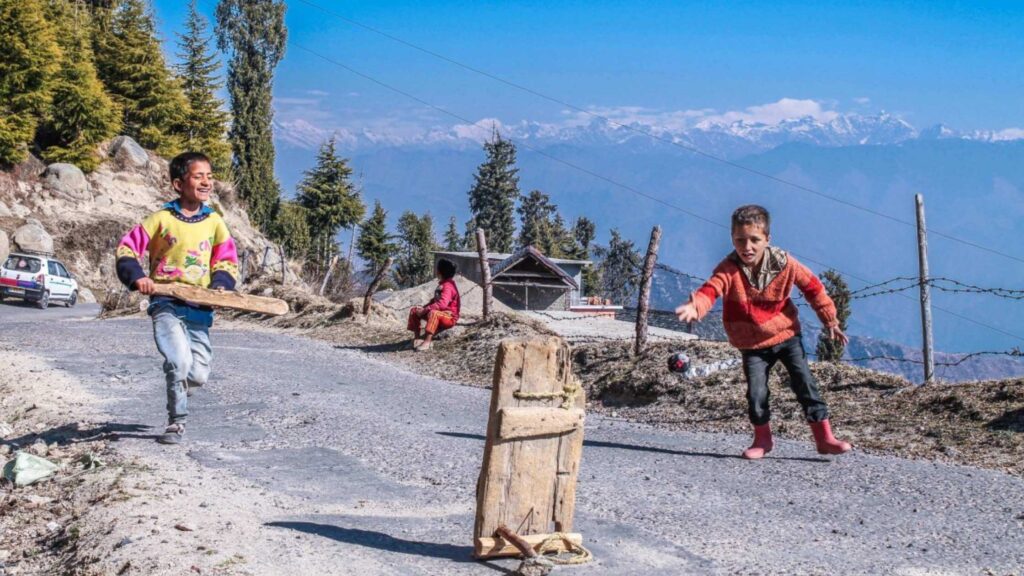
One of the biggest concerns parents have is whether children will enjoy Spiti Valley. The answer is a resounding yes — Spiti offers unique experiences that no other destination in India can match, and children are often the most enthusiastic explorers here.
Activities Children Absolutely Love in Spiti
- Stargazing: Spiti has zero light pollution — children are mesmerized by the Milky Way visible to the naked eye
- Key Monastery exploration: The 1,000-year-old monastery with its ancient murals and butter sculptures captivates young imaginations
- Fossil hunting in Langza: Spiti was once a sea bed — children can search for 450-million-year-old marine fossils in the rocks
- Meeting Spitian kids and playing in village squares — a cultural experience that builds empathy and global awareness
- Yak rides in certain villages — children find this absolutely thrilling
- River spotting and wildlife watching: Snow leopard pugmarks, Himalayan birds, and marmots are always exciting
- Monastery festivals (if timed right): Vibrant masked dances, traditional music, and colorful costumes
- Snowball fights in May/June at high passes — even summer visitors can find snow
Activities to Avoid with Young Children
- Chandratal Lake camping overnight — too cold and too high for children under 12
- Kunzum Pass in poor weather — wind and cold can be extreme; limit time to 15 minutes
- Long trekkings or hikes — keep any walking activity under 2 km at high altitude for young children
- Night drives — mountain roads at night are unsafe and children need consistent sleep schedules
Spiti Valley with Kids: Day-by-Day Recommended Family Itinerary (12 Days)

This family itinerary follows the Shimla-Kaza route — the safest and most comfortable route for families. It includes mandatory acclimatization stops, flexible rest days, and age-appropriate activities.
- Day 1: Fly or drive to Shimla (2,200 m) — light walk in the evening, Mall Road exploration
- Day 2: Shimla → Narkanda (2,708 m) — apple orchards, light nature walk, early sleep
- Day 3: Narkanda → Rampur (1,000 m) — descend to lower altitude; let children play freely
- Day 4: Rampur → Nako (3,662 m) — gradual ascent; arrive by 2 PM; full rest afternoon
- Day 5: Nako Rest Day — Nako Lake short walk, monastery visit, fossil introduction
- Day 6: Nako → Tabo (3,280 m) — Tabo Cave Monastery (UNESCO); light exploration only
- Day 7: Tabo → Dhankar → Kaza (3,800 m) — arrive by noon; full rest; acclimatize
- Day 8: Kaza Rest & Acclimatization — local market, Ki Monastery (Key Monastery) at leisure
- Day 9: Kaza → Langza → Hikkim → Komic — fossil hunting, village walks, highest post office
- Day 10: Kaza → Kibber → Pin Valley viewpoint — wildlife spotting, gentle meadow walk
- Day 11: Kaza → Tabo → Nako — reverse journey; relaxed drive
- Day 12: Nako → Shimla — depart with memories for a lifetime
⚠️ Note: Chandratal Lake and Kunzum Pass are optional add-ons only for families with children above 12 years and only if everyone is well acclimatized by Day 9.
Complete Packing List for Spiti Valley with Kids

Health & Medical Essentials
- Pediatrician-prescribed altitude sickness medication (Diamox — if recommended)
- Pulse oximeter (a must-have for child travelers at altitude)
- Children’s paracetamol, ibuprofen, and antihistamines
- Anti-nausea medication for children
- ORS (Oral Rehydration Salts) sachets — at least 15 sachets
- Diarrhea medication — GI issues are common due to diet changes
- Basic first-aid kit: bandages, antiseptic cream, cotton, tweezers
- Children’s lip balm and moisturizer — skin dries severely at altitude
- Eye drops — dust and UV irritation are common
Clothing for Children
- Thermal innerwear — at least 3 sets (tops and bottoms)
- Fleece mid-layer jackets — 2 per child
- Windproof and waterproof outer jacket
- Woolen socks — at least 5 pairs; cold feet are a common complaint
- Warm woolen cap and balaclava for cold days
- Gloves — windproof, ideally waterproof
- Comfortable trekking shoes with ankle support
- Slip-on sandals for inside homestays
- UV protection sunglasses — children’s eyes are more vulnerable to UV damage at altitude
- High SPF (50+) sunscreen — apply liberally every 2 hours
Food & Entertainment for Children
- High-energy snacks: dry fruits, nuts, granola bars, dark chocolate
- Packaged familiar foods in case children refuse local food (biscuits, noodle packets)
- Insulated water bottles — 1 per child; keep them drinking all day
- Coloring books, travel games, activity pads for long drives
- Portable Bluetooth speaker for music on mountain drives
- Camera or spare phone for children to photograph their adventure
Best Kid-Friendly Stays in Spiti Valley
Accommodation in Spiti Valley is primarily homestays and small guesthouses. Most are clean, warm, and run by welcoming Spitian families. Here are the best bases for families:
| Location | Why It's Family-Friendly | Facilities Available |
|---|---|---|
| Kaza | Largest town; most amenities; central location | ATM, medical centre, restaurants, hotels & homestays |
| Tabo | Lower altitude; UNESCO monastery; calm atmosphere | Comfortable homestays; warm food; peaceful for kids |
| Nako | Beautiful lake; peaceful; good acclimatization stop | Family homestays; scenic views; good food |
| Mud (Pin Valley) | Offbeat; great for older children; wildlife rich | Basic but authentic homestays; pure Spiti experience |
✅ Always call ahead and confirm: attached bathroom, heating arrangement (electric blanket or bukhari), and availability of simple vegetarian food for children. Don’t assume — confirm every time.
Road Safety for Families Driving Through Spiti Valley

Road safety is a real concern for family travelers in Spiti. The roads are mountain terrain — narrow, winding, and occasionally unpaved. Here’s how to travel safely by road with children:
Safest Route: Shimla to Kaza (Recommended for Families)
The NH-505 Shimla-Kaza highway is the most family-friendly route. It is largely paved, follows a gradual altitude gain, and avoids the extreme terrain of the Manali-Kaza route. Road quality has significantly improved in recent years.
- Total distance: approximately 450 km one way
- Drive time: 2–3 days (with family stops and acclimatization nights)
- Best vehicle: Toyota Innova, Mahindra Scorpio, or Tata Safari — comfortable for children on long drives
- Avoid Manali-Kaza route (Kunzum Pass, river crossings) for families with young children
Road Safety Tips with Children
- Never drive after 4 PM in mountains — visibility drops and roads get more dangerous
- Stop every 1.5 to 2 hours for children to stretch, use the bathroom, and have water
- Always use child seats or seat belts — carry a portable booster if needed
- Keep motion sickness tablets handy — mountain roads cause nausea in children
- Download offline maps (Google Maps, Maps.me) — mobile signal is unreliable in Spiti
- Carry extra fuel — petrol stations are scarce; last station before Spiti is at Karcham
Medical Facilities & Emergency Preparedness in Spiti Valley
Parents must understand the medical reality of Spiti Valley before traveling with children. Medical facilities are limited, and the nearest well-equipped hospital can be 6 to 8 hours away.
| Location | Facility | Contact |
|---|---|---|
| Kaza | Community Health Centre (CHC) | +91-1906-222234 |
| Tabo | Basic Dispensary | Limited hours; basic medicines |
| Losar | Small Health Post | Very basic |
| Manali | Zonal Hospital | Nearest major hospital via Rohtang route |
| Shimla | IGMC Shimla | Best equipped; 8–10 hrs from Kaza |
Emergency Protocol for Families
- Save Himachal Pradesh Emergency Number: 112
- Save Kaza CHC: +91-1906-222234
- Know your nearest helicopter landing point — Kaza has a helipad for emergency evacuations
- Carry travel insurance documents in a physical copy — digital access may not work without signal
- Inform your hotel every time you leave for a day trip — leave a copy of your itinerary with them
- Never separate from your group in remote areas
Frequently Asked Questions
Most travel experts and doctors recommend a minimum age of 8 years for visiting Spiti Valley. Children below 5 years are not advised due to their inability to communicate altitude sickness symptoms. Children between 6–8 years can visit with extra caution, a very slow itinerary, and pediatrician clearance.
Absolutely yes. Spiti Valley is one of the safest regions in India socially. The local community is deeply peaceful, respectful, and welcoming to families and children. Petty crime is virtually non-existent. The only real safety concerns are altitude and road terrain, both of which are manageable with planning.
Diamox (Acetazolamide) may be prescribed by a pediatrician for children visiting Spiti, but it is not automatically recommended for all children. Dosage is weight-based and must be determined by your doctor. Many children do well without Diamox if the itinerary is slow and they are well-hydrated. Always consult your pediatrician before using any altitude medication for children.
If your child shows two or more symptoms of AMS (headache, nausea, loss of appetite, unusual fatigue, dizziness), descend immediately to a lower altitude — do not wait overnight. Administer ORS for hydration, give prescribed pain relief if needed, and contact the Kaza CHC (+91-1906-222234) for guidance. Descent is always the most effective treatment for AMS.
The Shimla-Kaza route (NH-505) is strongly recommended for families with children. It has a gradual altitude gain, is largely paved, and avoids extreme terrain. The Manali-Kaza route via Kunzum Pass has rough terrain, river crossings, and extreme altitudes that are not suitable for young children.
Yes. Most homestays and guesthouses in Kaza, Tabo, and Nako serve simple, warm, vegetarian meals — dal, rice, roti, khichdi, maggi, and local bread. These are easily accepted by children. It is advisable to carry some familiar packaged snacks and foods from home as backup, especially for picky eaters.
Not if planned correctly. The family-friendly itinerary focuses on scenic drives, short village walks, monastery visits, and fossil hunting — all low-exertion activities. You do not need to trek or hike to enjoy Spiti Valley with children. The main physical demand is the altitude, not activity level.
A minimum of 10–12 days is recommended for families with children. This allows adequate acclimatization time, rest days, and exploration without rushing. Shorter trips of 7 days are possible but leave little room for acclimatization rest, which increases the risk of altitude sickness in children.
The best Spiti Valley family tour package is one that includes: a 10-14 day itinerary with built-in rest days, private vehicle with experienced driver, oxygen cylinders and first-aid kit on board, family homestays with attached bathrooms and heating, a local guide with first-aid training, flexible scheduling, and 24/7 operator support. Always verify these features before booking.
Long mountain drives can last 4 to 6 hours. Keep children engaged with audio stories, travel games, music, and bingo-style spotting games (spot a monastery, a river, a yak, a snow patch). Stop every 1.5–2 hours for short breaks where children can walk around, drink water, and enjoy the landscape. The scenery itself is often the biggest entertainer — children are naturally captivated by the dramatic Himalayan landscape.
Final Words: Why Spiti Valley with Kids is Worth Every Bit of Effort
Spiti Valley is not the easiest family destination in India, and that is precisely what makes it so extraordinary. When you bring your children to a place where the sky is enormous, the stars are close enough to touch, and the people have lived in harmony with the mountains for centuries — you give them something no classroom ever can.
You give them perspective. You give them resilience. You give them wonder.
With careful planning, the right itinerary, and the safety tips outlined in this Spiti Valley family travel guide, your family trip to Spiti Valley will be the adventure of a lifetime — safe, comfortable, and deeply unforgettable for every member of your family.
✅ Start slow, go steady, trust the mountains, and let Spiti Valley work its magic on your family.