
Planning a trip to Spiti Valley in May? You’re choosing one of the most rewarding times to explore this remote Himalayan wonderland. May marks the transition from harsh winter to the gentler spring season, and the valley begins to open its arms to travellers once again.
Yes, Spiti Valley is absolutely open in May, and here’s the exciting part: both major routes typically become accessible by late May. The Shimla–Kinnaur route remains open throughout the month, while the Manali route — now via the Atal Tunnel rather than Rohtang Pass — usually opens once Kunzum Pass clearance finishes. Based on the last few years, that’s been anywhere from mid-May to early June, with most years landing somewhere in the last week of May.
Weather conditions in May are considerably more pleasant than the preceding months. Daytime temperatures hover between 10°C and 18°C, making it comfortable for sightseeing and outdoor activities. However, nights can still be chilly, dropping to around 0°C to 5°C, so packing warm layers remains essential.
May offers a beautiful blend of snow capped peaks, clear blue skies, and gradually awakening villages. Tourist numbers start to increase compared to the quieter winter months, yet the valley maintains its peaceful character without the heavy crowds that arrive in June and July.
Is May a Good Time to Visit Spiti Valley?
May sits in a sweet spot for Spiti Valley travel. The brutal cold of winter has loosened its grip, yet the monsoon rains that affect accessibility in July and August are still months away. This makes May an increasingly popular choice for travellers seeking that perfect balance.
Pros of Visiting Spiti Valley in May
Pleasant daytime temperatures make exploration comfortable and enjoyable. You can walk through villages, visit monasteries, and take photographs without battling freezing winds.
Both routes to Spiti become available by late May, giving you flexibility in planning your itinerary. The option to enter via Shimla and exit via Manali (or vice versa) allows for a complete circuit without backtracking.
Snow still blankets the higher peaks and passes, creating stunning landscapes for photography. The contrast between the snow capped mountains and the emerging greenery in lower valleys is breathtaking.
More hotels and homestays begin operations in May, giving you better accommodation choices compared to April. Local cafes and restaurants also start opening their doors.
Cons of Visiting Spiti Valley in May
The Manali route opening can be unpredictable. While it typically opens in late May, heavy snowfall in the preceding weeks can delay this, requiring flexibility in your travel plans.
Chandratal Lake may still be inaccessible in early May, though it often opens by the end of the month. If this lake is a must see destination for you, late May is your best bet.
Nights remain cold, so you’ll need proper winter gear for evenings and early mornings.
Spiti Valley Weather in May
Understanding the weather patterns in Spiti Valley during May helps you pack appropriately and set realistic expectations for your journey.
Temperature in Spiti Valley in May
May brings a welcome warmth to Spiti Valley. Daytime temperatures typically range between 10°C and 18°C in places like Kaza, making it comfortable for outdoor activities and sightseeing. The sun feels genuinely warm during midday hours, and you might find yourself shedding layers as the day progresses.
However, Spiti is a high altitude cold desert, and nights tell a different story. After sunset, temperatures drop significantly, often reaching 0°C to 5°C in Kaza and surrounding areas. Higher villages like Kibber and Langza experience even colder nights. This dramatic temperature variation between day and night is one of Spiti’s defining characteristics.
Snowfall in May
While the heaviest snowfall occurs during winter months, May can still surprise you with occasional snow showers, particularly in the first two weeks. The high passes like Kunzum Pass often retain significant snow cover throughout May, creating spectacular driving conditions once the roads open.
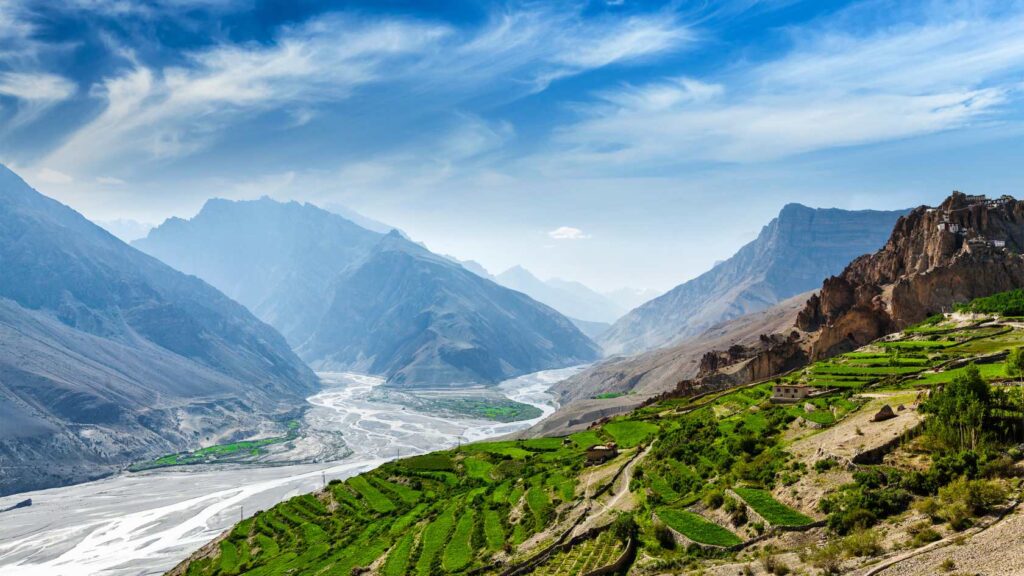
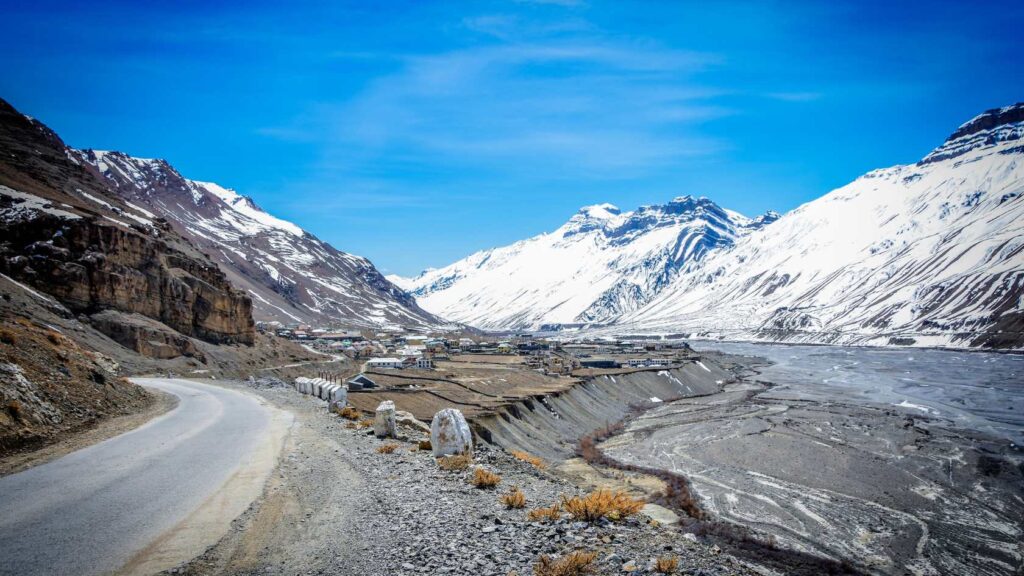
In the valley itself, snow has largely melted from villages like Kaza and Tabo by May, though you’ll spot plenty of white on the surrounding peaks. This creates the classic Spiti landscape: barren brown mountains topped with glistening white snow under impossibly blue skies.
Day versus Night Conditions
Days in May are generally sunny, bright, and pleasant. The thin air at high altitude means the sun feels particularly strong, so sunscreen and sunglasses become essential companions. Most sightseeing and travel is best done during daylight hours when conditions are ideal.
Mornings and evenings require serious layering. The temperature drops rapidly once the sun begins to set, and a warm jacket that felt unnecessary at noon becomes essential by 6 PM. This is also why most outdoor activities, such as monastery visits and village walks, are scheduled for the warmer middle part of the day.
Road Status of Spiti Valley in May
Road accessibility is perhaps the most frequently asked question about visiting Spiti Valley in May. The good news is that May sees significant improvements in road conditions compared to the winter months.
Is Spiti Valley Open in May?
Yes, Spiti Valley is definitely open in May. The Shimla route remains accessible throughout the month, having been open all winter. More excitingly, the Manali route typically opens in late May, usually around the third or fourth week, depending on snow clearance operations.
Shimla to Spiti Route (Open Throughout May)
The Shimla route is the reliable option for reaching Spiti Valley in May. This route passes through some of Himachal Pradesh’s most scenic regions and remains open year round, making it the default choice for early May travellers.
The typical route follows: Delhi to Shimla to Narkanda to Rampur to Kalpa to Nako to Tabo to Kaza. This journey covers approximately 450 kilometres from Shimla to Kaza and takes two to three days, depending on your pace and stops.
Road conditions on the Shimla route are generally good in May, though some stretches near Nako and between Pooh and Tabo can be challenging due to landslide prone areas. The advantage of this route is that it allows for gradual acclimatisation as you ascend slowly through Kinnaur before entering Spiti proper.
Manali to Spiti Route (Opens Late May)
The Manali to Spiti route is the stuff of adventure travel dreams — high passes, dramatic valleys, and some of the most cinematic driving in India. But the route as it exists today is very different from what it was a few years ago.
The Atal Tunnel changed everything. Operational since October 2020, this 9.02 km tunnel now bypasses Rohtang Pass entirely. It has cut roughly 20 km off the Manali–Kaza distance and shaved 2–3 hours off the drive. More importantly, BRO crews no longer have to clear Rohtang Pass first before working on Kunzum, which is why the Manali–Kaza road has generally been opening earlier in recent years compared to the pre-2020 era. The current route runs: Manali → Atal Tunnel → Gramphu → Batal → Kunzum Pass → Losar → Kaza (roughly 182 km, 7–10 hours).
Kunzum Pass (4,551 m / 14,931 ft) is now the real gatekeeper. It receives 15–20 feet of snow every winter and stays buried until BRO clears it in spring. Here’s the actual recent opening pattern:
- 2022: Opened 3 May (record-early)
- 2023: Opened late May / early June
- 2024: Opened in the first week of June
- 2025: Opened on 24 May, but only for 4×4 vehicles initially; full civilian access came about two weeks later
For May 2026, a realistic expectation is that the road may open between mid-May and early June for restricted (often 4×4-only) access, with full reliable opening in the second week of June. If you’re planning to use this route in May, keep your itinerary flexible. Check road status updates from the Lahaul & Spiti district administration before committing.
Can You Do a Spiti Valley Road Trip in May?
Absolutely. A Spiti Valley road trip in May is not only possible but highly recommended for those who love driving through mountain landscapes. The improving weather and opening of the Manali route in late May create excellent conditions for a memorable journey.
Best Vehicles for May Travel
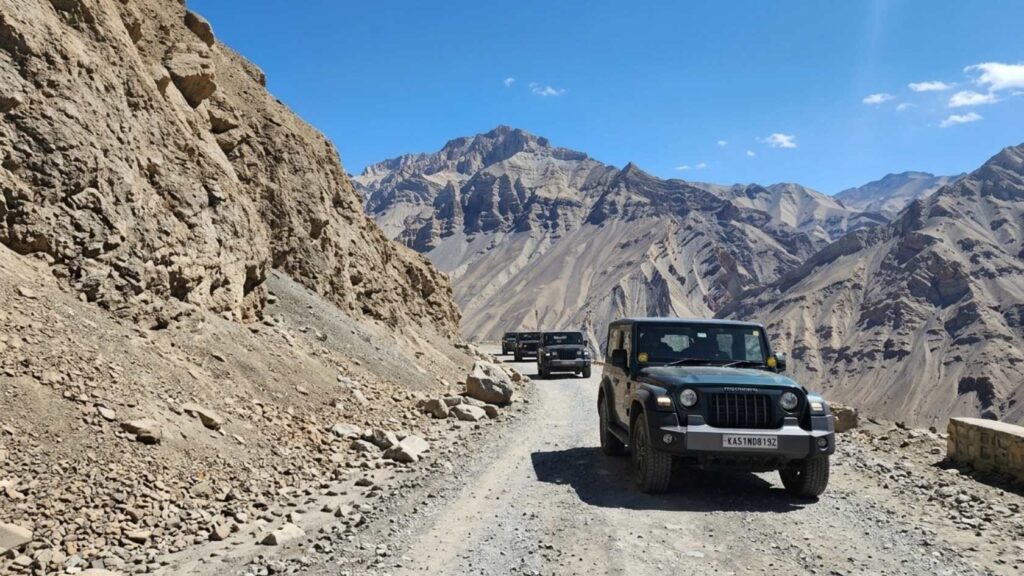
An SUV with good ground clearance is the ideal choice for Spiti Valley in May. While the main roads are generally well maintained, you’ll encounter patches of rough terrain, river crossings, and potentially snow covered sections near high passes. Vehicles like the Toyota Innova, Mahindra Scorpio, or similar SUVs handle these conditions well.
A 4×4 vehicle becomes particularly valuable if you’re travelling in early May or planning to cross Kunzum Pass shortly after it opens. The extra traction provides peace of mind on snowy or muddy stretches.
Self Drive versus Tour Packages
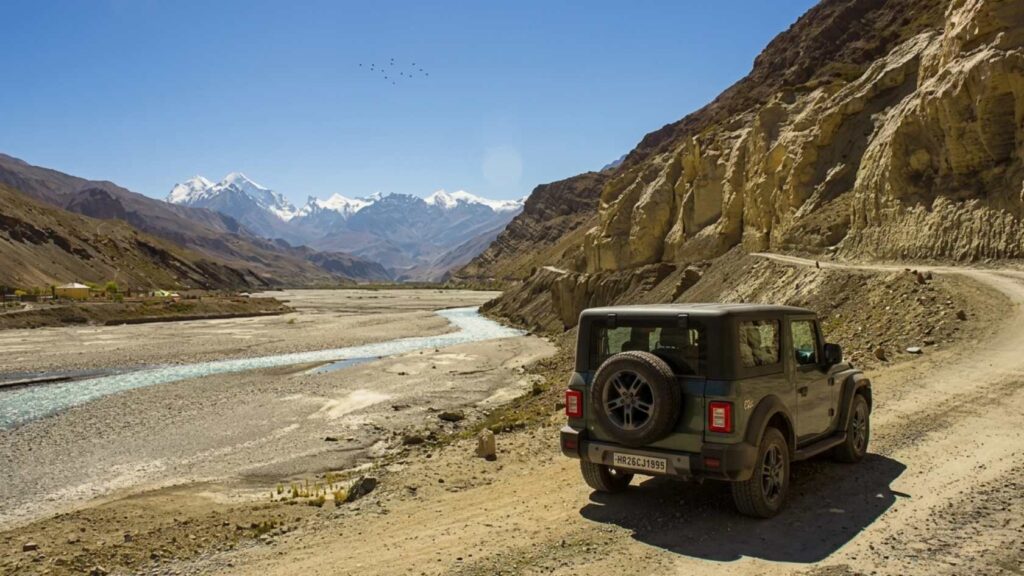
Both options have their merits. Self driving offers flexibility and the thrill of conquering challenging roads yourself. However, the mountain roads require experience and confidence. If you’re unfamiliar with driving on narrow, winding mountain roads with steep drops, a tour package with an experienced local driver is the wiser choice.
Tour packages also handle logistics like permits, accommodation bookings, and backup plans for road closures. In May, when the Manali route opening remains somewhat unpredictable, having a knowledgeable operator adjust your itinerary on the fly can be invaluable.
Best Places to Visit in Spiti Valley in May
May’s improving conditions mean that most of Spiti’s key attractions become accessible. Here are the must visit destinations during your May journey.
Kaza
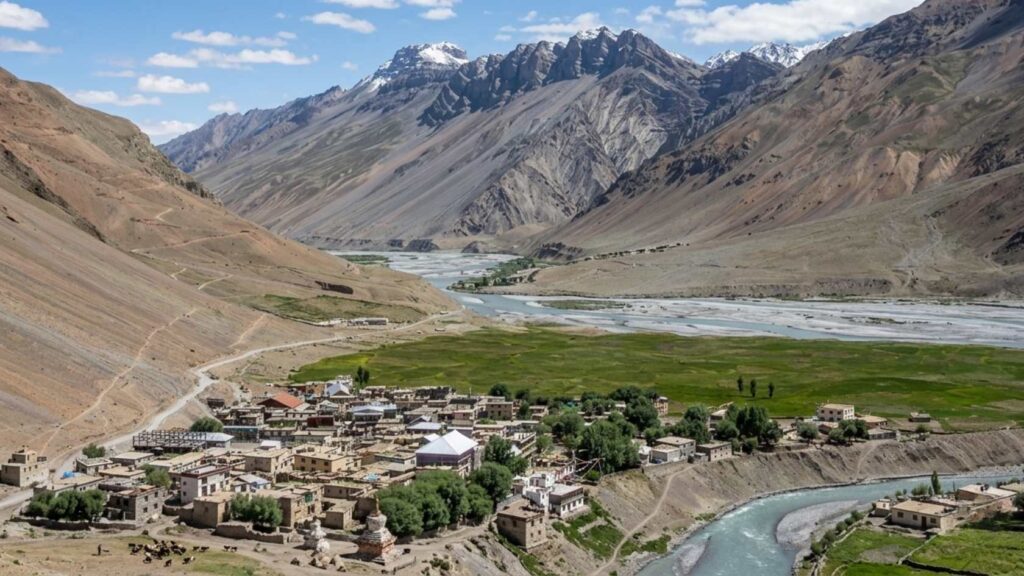
Kaza serves as the administrative headquarters and main town of Spiti Valley. Most travellers use it as their base for exploring the surrounding areas. By May, the town has shaken off its winter quiet, with shops, restaurants, and guesthouses operating in full swing. The old Kaza monastery and the bustling market area are worth exploring.
Key Monastery
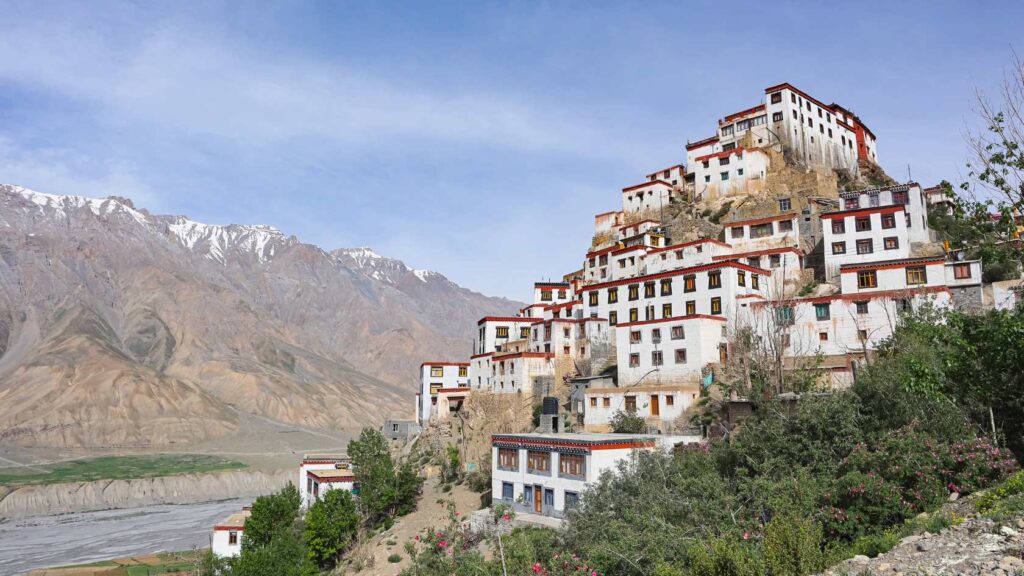
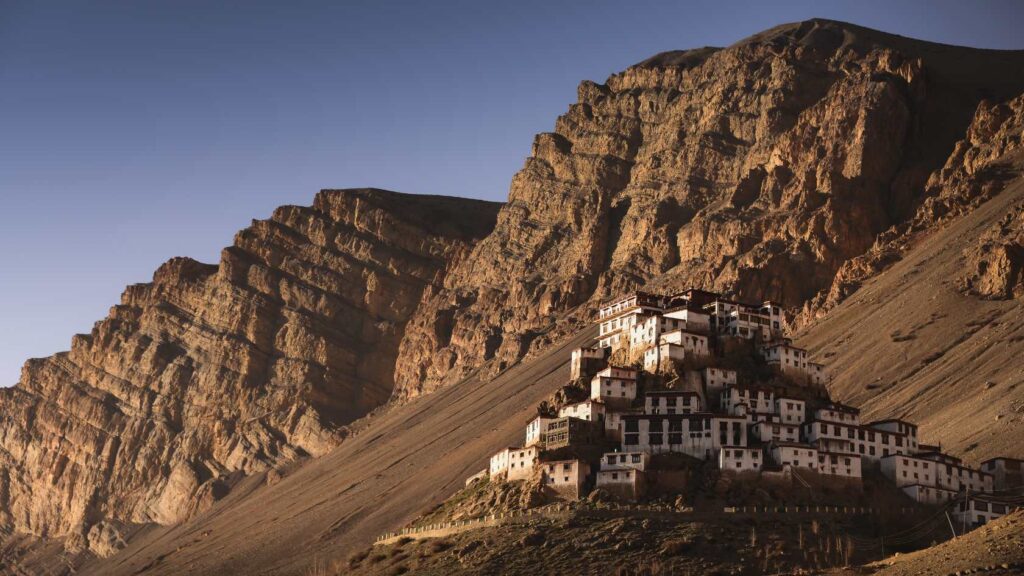
Perched dramatically on a hilltop overlooking the Spiti River, Key Monastery is the largest and most iconic gompa in the valley. Founded over a thousand years ago, this Tibetan Buddhist monastery houses around 300 monks. The whitewashed structures stacked upon each other against a backdrop of barren mountains create one of India’s most photographed images. In May, the monastery is accessible and welcoming to visitors.
Tabo Monastery
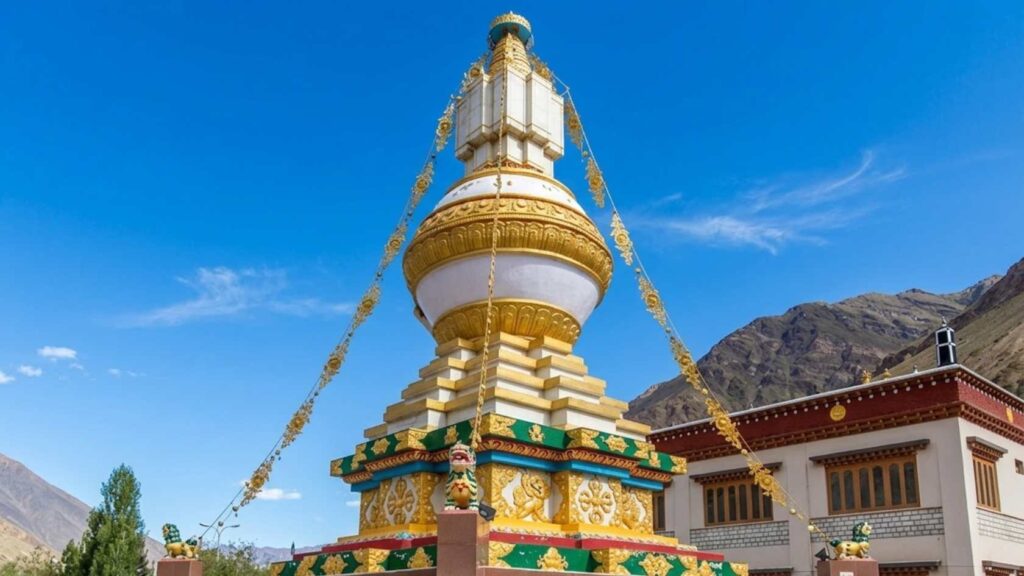
Often called the Ajanta of the Himalayas, Tabo Monastery dates back over a thousand years and is a UNESCO World Heritage tentative site. The ancient murals and stucco sculptures inside are remarkably well preserved, offering a glimpse into Buddhist art and religious practices from centuries past. The monastery complex also includes caves on the nearby hillside where monks once meditated.
Dhankar Monastery
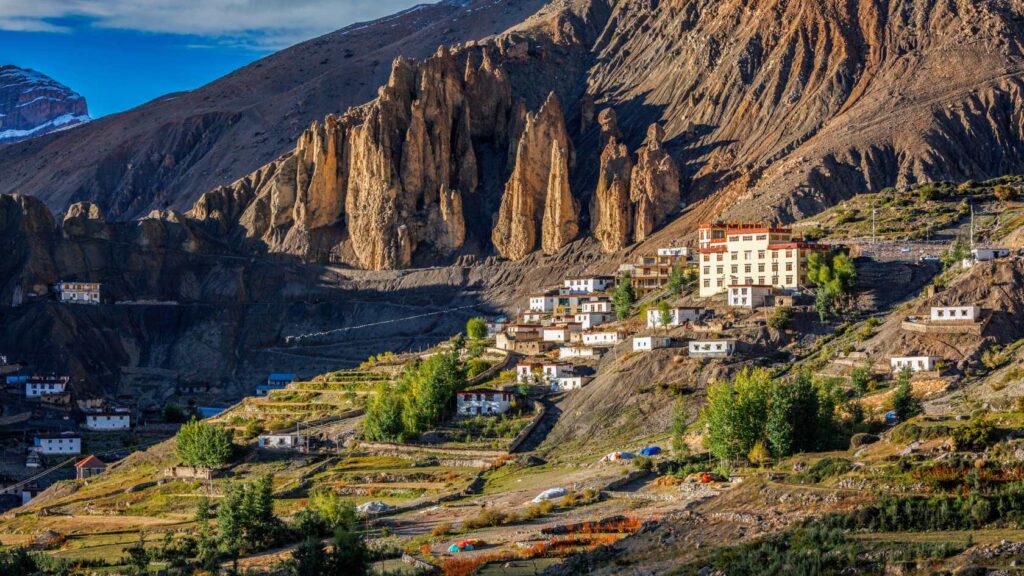
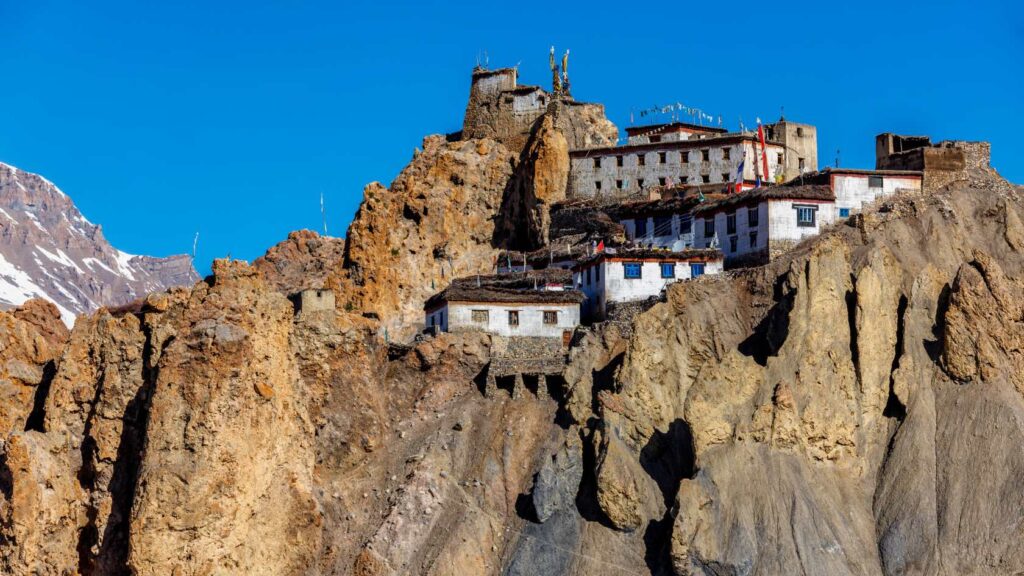
Dhankar Monastery sits spectacularly on a cliff edge, offering panoramic views of the confluence of the Spiti and Pin Rivers. This fort monastery served as the traditional capital of Spiti and still houses a small community of monks. A short trek from the monastery leads to the beautiful Dhankar Lake, surrounded by towering peaks.
Kibber Village
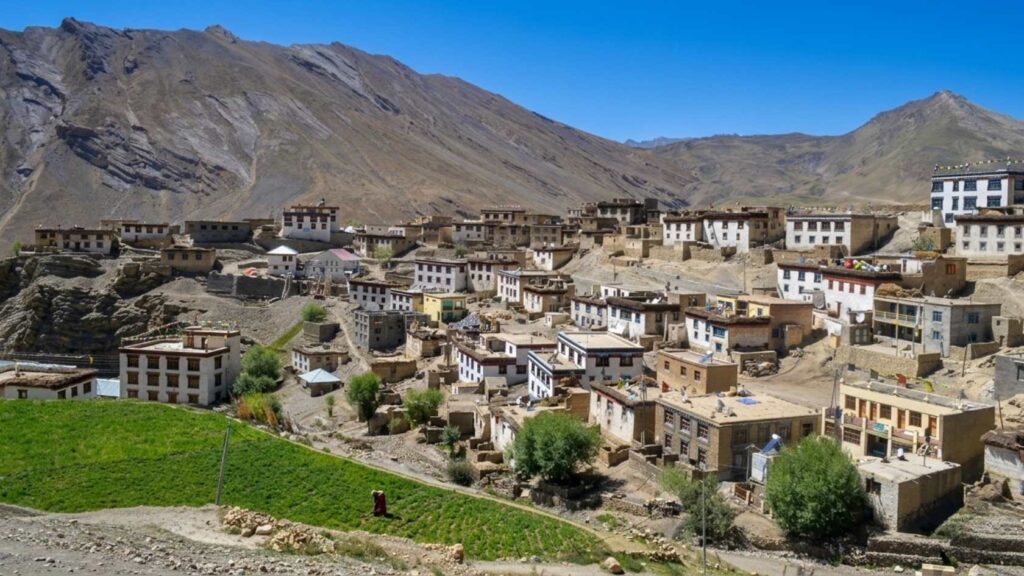
Located at approximately 4,270 metres, Kibber is one of the highest inhabited villages in Asia connected by a motorable road. The village offers stunning views and serves as a starting point for treks into the Kibber Wildlife Sanctuary, home to the elusive snow leopard. In May, the village is accessible and makes for a wonderful day trip from Kaza.
Hikkim: World’s Highest Post Office
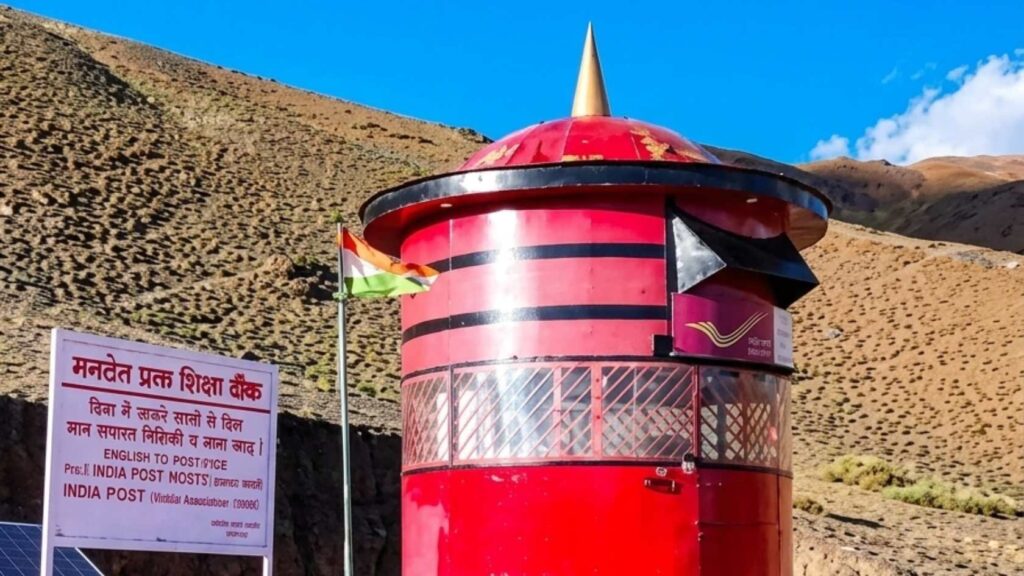
Hikkim village is famous for housing the world’s highest post office at around 4,400 metres. Sending a postcard to loved ones from this remote outpost has become a cherished tradition for Spiti visitors. The tiny post office operates year round, and the village itself offers insights into traditional Spitian life.
Langza: The Fossil Village
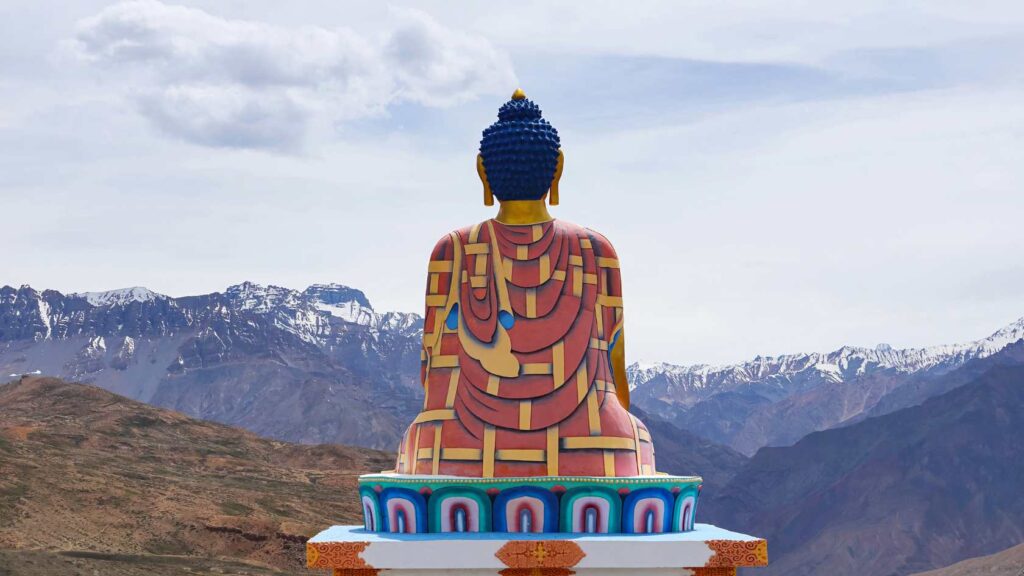
Langza is known as the fossil village because marine fossils are found scattered across its landscape, evidence that this high altitude desert was once beneath an ancient sea. The village is dominated by a striking Buddha statue overlooking the valley. In May, the drive to Langza passes through beautiful scenery, with snow still visible on surrounding peaks.
Places That May Be Inaccessible in Early May
While most destinations open up in May, a few places require special attention regarding accessibility.
Chandratal Lake: This stunning crescent-shaped lake sits at 4,300 metres near Kunzum Pass, and access in May is genuinely complicated. Here’s the truth most blogs gloss over:
Camping operations almost never start before 10 June. Operators wait for nighttime temperatures to stabilise before setting up tents, kitchens, and water lines.
The road from the Kaza side typically clears around 10–15 May.
The road from the Manali side (via Batal) usually opens after 20 May, often a week or two behind the Kaza side.
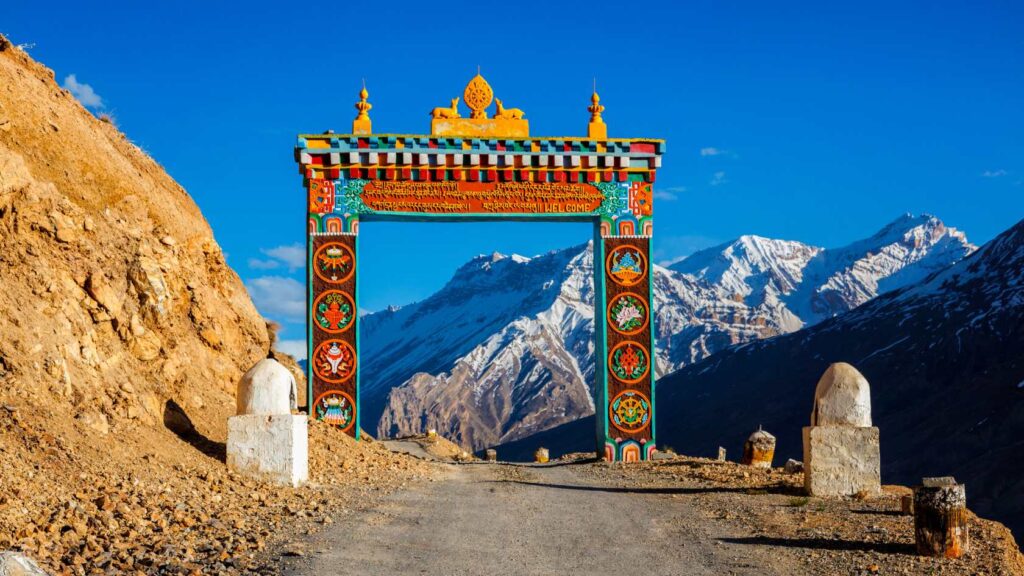
Kunzum Pass: This high mountain pass at 4,551 metres marks the traditional entry point from Lahaul to Spiti. It remains snow covered and closed to traffic until the Manali route opens, typically in the last week of May.
Pin Valley interior routes: While the main Pin Valley is accessible, some interior trekking routes and higher reaches may still have snow in early May. Conditions improve progressively through the month.
Suggested Spiti Valley Itinerary for May
Here’s a practical seven day itinerary that works well for May travel. This plan uses the Shimla route, which is guaranteed to be open. If the Manali route opens during your visit, you can modify the return journey.
Day 1: Delhi to Shimla
Drive or take a bus to Shimla (approximately 7 to 8 hours). Rest and acclimatise in this hill station.
Day 2: Shimla to Kalpa
Journey through apple orchards and along the Sutlej River to reach Kalpa (approximately 8 hours). Evening views of the Kinnaur Kailash range are spectacular.
Day 3: Kalpa to Tabo via Nako
Stop at Nako Lake and village before continuing to Tabo. Explore the ancient Tabo Monastery upon arrival.
Day 4: Tabo to Kaza
Short drive to Kaza with a stop at Dhankar Monastery. Settle into Kaza, which will be your base for exploring.
Day 5: Kaza sightseeing (Key Monastery and Kibber)
Visit the magnificent Key Monastery in the morning, then drive to Kibber village. Return to Kaza for the evening.
Day 6: Hikkim, Langza, and Komik
Day trip to the world’s highest post office at Hikkim, the fossil village of Langza, and Komik village. Return to Kaza.
Day 7: Return journey
If you’re travelling in late May and Kunzum Pass is officially open and stable, you can exit via Manali — Kaza → Losar → Kunzum Pass → Batal → Gramphu → Atal Tunnel → Manali (roughly 7–10 hours). If you’re travelling in the first three weeks of May, plan from the start to retrace via Shimla, since the Manali route will most likely still be closed. Either way, build at least one buffer day into your overall plan — don’t book non-refundable onward travel for the same evening you exit the valley.
Things to Do in Spiti Valley in May

Photography: May offers extraordinary conditions for photography. The mix of snow capped peaks, clear skies, ancient monasteries, and traditional villages creates endless opportunities. The light quality is exceptional, particularly during golden hour.
Monastery Visits: Immerse yourself in Tibetan Buddhist culture by visiting the numerous monasteries scattered across the valley. Spend time observing prayer ceremonies, admiring ancient artwork, and speaking with monks.
Stargazing: Spiti’s high altitude, minimal light pollution, and clear spring skies make it a paradise for stargazing. On a clear May night, the Milky Way stretches magnificently overhead. Some guesthouses even offer telescopes for guests.
Village Walks: Explore traditional Spitian villages on foot. Watch locals going about their daily routines, see traditional mud brick architecture, and experience the warm hospitality of mountain communities.
What to Pack for Spiti Valley in May

Clothing
Thermal innerwear is essential for cold nights. Pack at least two sets. A heavy winter jacket or down jacket keeps you warm during evenings and early mornings. Bring wool gloves and a warm cap or beanie for cold conditions.
Layering is key in Spiti. Bring fleece jackets or pullovers that can be added or removed as temperatures fluctuate throughout the day. Sturdy waterproof trekking shoes with good grip are necessary, and snow boots are useful if you plan to walk on snowy terrain.
Essentials
High SPF sunscreen is vital. The UV radiation at high altitude is intense. Quality sunglasses with UV protection shield your eyes from the bright mountain light. Lip balm with SPF prevents painful cracking from the dry, sunny conditions. A good moisturiser combats the arid climate.
Health and Safety
Headache relief, anti-nausea meds, ORS sachets, and any personal prescriptions you take regularly. Pharmacies in Spiti are scarce — Kaza has a small one, and beyond that, you’re on your own. Carry a basic first-aid kit with bandages, antiseptic, and pain relievers.
A note on Diamox: it’s a prescription drug for altitude sickness and should only be taken if your doctor advises it — not as a default packing item. Acclimatisation is your real protection: ascend slowly, drink 3–4 litres of water daily, avoid alcohol for the first 48 hours, and don’t sleep at a higher altitude than where you slept the previous night without spending a day at the intermediate elevation. If you experience severe headache, persistent vomiting, confusion, or breathlessness at rest, descend immediately. Don’t tough it out.
Important Travel Tips for Spiti Valley in May
Acclimatise Properly
Altitude sickness is a real risk in Spiti, where elevations exceed 4,000 metres. Take it slow during the first few days. Drink plenty of water, avoid alcohol, and don’t exert yourself too much initially. If you experience severe headaches, nausea, or breathlessness, descend to a lower altitude immediately.
Carry Sufficient Cash and Plan Your Fuel Stops
ATMs in Spiti are scarce and unreliable. The SBI ATM in Kaza is the most dependable option, but it frequently runs out of cash or goes offline — don’t bank on it. Carry enough cash in mixed denominations to cover your entire trip, plus a ₹3,000–5,000 buffer for emergencies.
For fuel, the only reliable petrol pumps on the entire circuit are at Reckong Peo, Tabo, and Kaza. Top up at every single one regardless of how much you have left — there are no roadside fuel stations between them, and breakdowns happen.
A BSNL SIM is Non-Negotiable
Mobile coverage in Spiti is patchy, and the choice of network matters more than most travellers realise. BSNL postpaid has by far the widest coverage. Jio and Airtel work reliably only up to Reckong Peo and become patchy or non-existent past Pooh. Vi/Idea is even worse. If you don’t already have a BSNL number, pick up a prepaid SIM in Shimla or Manali before entering the valley — you’ll need it for emergencies, road updates, and basic communication. Even with BSNL, expect dead zones around Kunzum Pass, Chandratal, and parts of the Tabo–Kaza stretch. Embrace the digital detox where you can, but don’t rely on staying connected.
Book Accommodation in Advance
While more options open in May compared to winter months, accommodation in Spiti remains limited. Book your hotels and homestays in advance, especially for weekends and holidays when domestic tourists visit.
Frequently Asked Questions
Is Spiti Valley open in May?
Yes, Spiti Valley is open in May via both routes. The Shimla route through Kinnaur remains accessible throughout the month, while the Manali route via Rohtang and Kunzum Pass typically opens around the last week of May. This makes May one of the first months when you can potentially complete a full circuit entering from one side and exiting from the other.
Is May too cold for Spiti Valley?
May is not too cold for visiting Spiti Valley. Daytime temperatures between 10°C and 18°C make it quite comfortable for sightseeing and outdoor activities. Nights remain chilly at around 0°C to 5°C, requiring warm clothing and proper bedding. Compared to the harsh winter months, May offers pleasant conditions for exploration while still letting you experience the region’s mountain character.
Can we visit Spiti Valley in May by car?
Absolutely. May is one of the best months for a road trip to Spiti Valley. An SUV or any vehicle with good ground clearance is recommended for the journey. The roads are generally in decent condition, though some patches may be rough. If you’re entering early in May, the Shimla route is your option. By late May, you may be able to use the spectacular Manali route as well.
Does it snow in Spiti Valley in May?
While heavy snowfall is unlikely in May, occasional light snow showers can occur, especially in the first half of the month and at higher altitudes like Kunzum Pass. Snow from the winter months still covers the higher peaks and passes, creating beautiful scenery. In the main valley areas like Kaza and Tabo, snow on the ground has typically melted by May.
Is Chandratal Lake open in May?
Chandratal Lake accessibility in May depends on when you visit. In early May, the lake is usually still frozen and surrounded by heavy snow, making access difficult. By the last week of May, coinciding with the Manali route opening, Chandratal typically becomes accessible. If visiting this stunning high altitude lake is essential to your trip, plan for late May.
How many days are enough for Spiti Valley?
A minimum of seven days is recommended for a satisfying Spiti Valley experience, though eight to ten days allows for a more relaxed pace with proper acclimatisation time. This duration lets you explore the major attractions, spend quality time in villages, and account for any road delays. If you plan to trek or include Chandratal, add extra days accordingly.
Is the Manali to Spiti road open in May?
The Manali to Spiti road via the Atal Tunnel and Kunzum Pass typically opens in the last week of May, though the exact date varies each year depending on snowfall and BRO clearance speed. Recent years tell the story: 2022 saw a record early opening on 3 May, 2024 opened in the first week of June, and 2025 opened on 24 May for 4×4 vehicles only with full civilian access following two weeks later. For May 2026, plan with the assumption that the route may open mid-to-late May, but don’t depend on it for the first three weeks. The Shimla route remains your reliable option throughout May. Check current status from the Lahaul & Spiti district administration before finalising plans.
Is Spiti crowded in May?
May sees moderate tourist numbers in Spiti Valley. It is certainly busier than the near empty winter months of December through March, but nowhere near the peak season crowds of June and July. You’ll find a comfortable balance between having services available and still experiencing the region’s peaceful character. Weekends can be slightly busier with domestic tourists.
May offers an excellent window for exploring Spiti Valley, combining improving weather with stunning landscapes still touched by winter’s snow. Whether you’re a photography enthusiast, a culture seeker drawn to ancient monasteries, or simply someone looking to escape into one of India’s most remote and beautiful regions, a May visit to Spiti Valley promises an unforgettable adventure.
Also read: Spiti Valley in July 2026: Road Status, Best Route, Weather, Costs & Itinerary (Real Planning Guide)