
Which Clothes to wear for Winter Spiti Valley.
In order to stay warm while in Spiti, use several layers of various materials. For instance,
Base Layer (Thermal Clothing) → Mid Layer (Fleece/Wool) → Insulation Layer (Padded Jacket) → Outer Shell Layer (Windproof/Waterproof).
The Bottom Layer for this type of layering system should never be cotton because cotton retains moisture next to your body and therefore creates a colder atmosphere.
Send us your travel dates and we will supply you with an itinerary that includes weather considerations and options for accommodations that have heat.
Spiti Winter Reality (why standard wool and heavy puffy coat will not keep you warm):

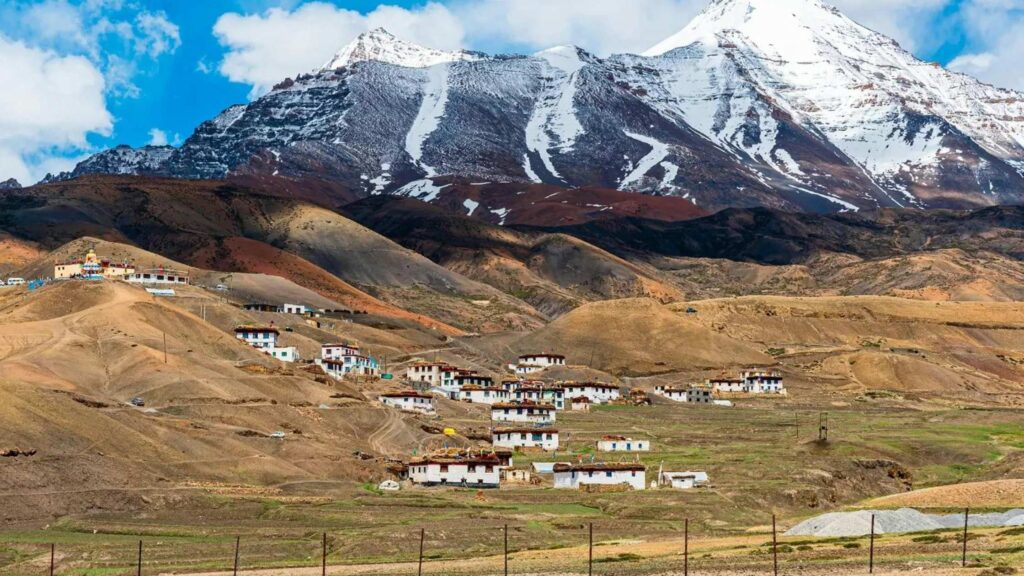
- The weather in Spiti is very different from that of most mountain settings or ski resorts.
- Spiti has dry ski hills but windy, cold high altitude.
- Wind chill will cut through a sweater.
- The sun is down very low and the temperature will drop rapidly between 15:30 (3:30 PM) and 16:00 (4:00 PM).
- Glare from the white snow will strain your eyes.
- The air in Spiti is dry and the lips and skin will crack and bleed easily.
The reason behind the layering strategy of many layers as opposed to one very warm and heavy jacket.
The Three-Four Layering System for Spiti :
1. Base Layer (Thermal) – This layer should be made of synthetic or Merino Wool and should fit snugly. NO COTTON.
2. Mid Layer (Fleece/Wool) – There are two kinds of mid layers, fleece jackets and heavier wool sweaters or pullovers. Fleece is very lightweight and can breathe.
3. Insulation Layer (Down Jacket/Parka) – A down or puffer jacket should fit loosely so that you can wear other layers underneath. It should also ideally have a hood that will cover your neck from gusts of wind.
4. Outer Shell Layer (Windproof/Waterproof) – This is an optional layer, but is a necessity during heavy winds, snow, rain, etc. Most outer shells are lightweight waterproof designs.
What to take with you (Spiti in winter — packing list by category):
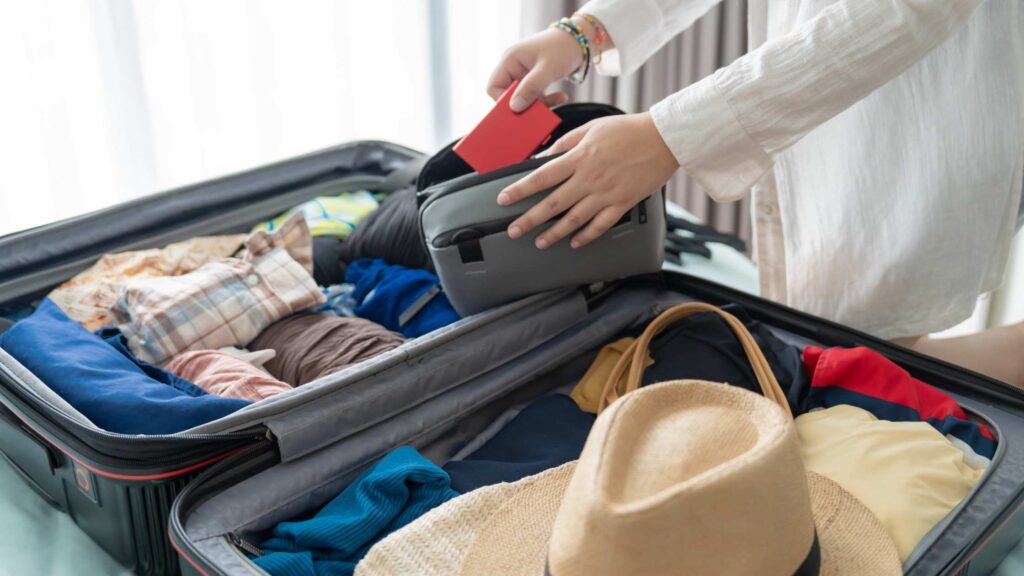
Warm basis (baselayer):
- At least 2 sets
- Made of merino wool or synthetic
- Top and bottom
Mid layers:
- 1 fleece jacket
- 1 warm sweater or hoodie
1 insulated jacket or parka
- Must come down below the waist
- Must have either zip or hood
- Should not be too tight to fit a layer underneath
Bottom half:
- 1 pair of thermal leggings
- 1 pair of thermal pants made for trekking
- 1 pair of thermal waterproof trousers if really cold or heavy snow
Socks:
- 3-4 pairs of wool socks
- 1 pair thick for rough weather/easy sleeping
Gloves:
- 1 pair of thin gloves or liners for inner mittens
- 1 pair of insulated/waterproof gloves
Head and face:
- Wool/cotton beanie
- 1 geeky neck warmer or balaclava (really keep your neck warm)
Footwear:
- Spiti snow boots or
- 1-2 pairs of high-ankle trekking boots with waterproof uppers and good grips
Sunglasses
Sunglasses to prevent blinding glare off the snow (the snow can create a powerful glare in bright sunlight) and prevent headaches due to the bright reflected light.
Budget vs Standard vs Premium — “winter kit”.
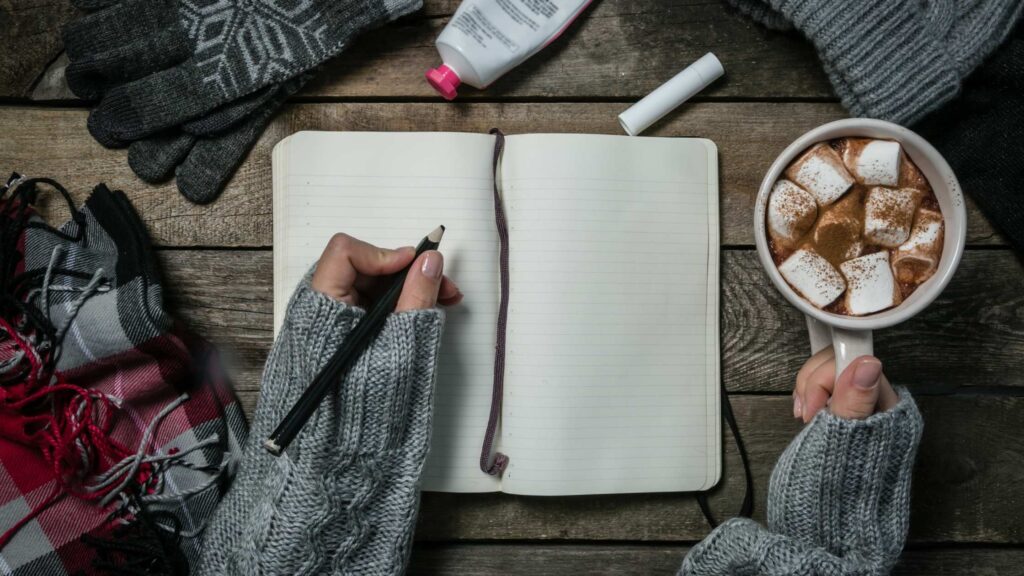
Budget – Thermal, fleece, heavy coat/jacket, wooly socks, high-cut boots.
Standard – An improved thermal, a down jacket to keep the body warm, and an outer shell coat/jacket to protect against wind.
Premium – Merino wool base layering, a premium down jacket, snow boots, insulated accessories (hats/gloves).
If you are going on holiday in January or visiting remote areas where it is cold, do not skimp out on buying proper footwear or jackets.
What to wear, day by day (how to layer practically)

Morning sightseeing: Base layer + fleece + down jacket + shell coat
Mid-day: Open zippers on thermal coats or remove one mid-layer.
Evening: Put back on the mid-layer and thicker socks.
When staying inside homestays: Wear light thermals and fleece to avoid sweating.
Common mistakes travellers make

- Wearing cotton thermals and jeans
- Wearing fashionable sneaker type shoes with no laces.
- Wearing only one heavy coat with no other layers.
- Not covering their face from the wind that will go through their skin
- Not wearing sunglasses that will help eliminate glare from shining snow and ice, which will cause headaches.
- Not wearing insulated gloves and/or wool socks.
Specific Gear and Packing List for Spiti and the Winter
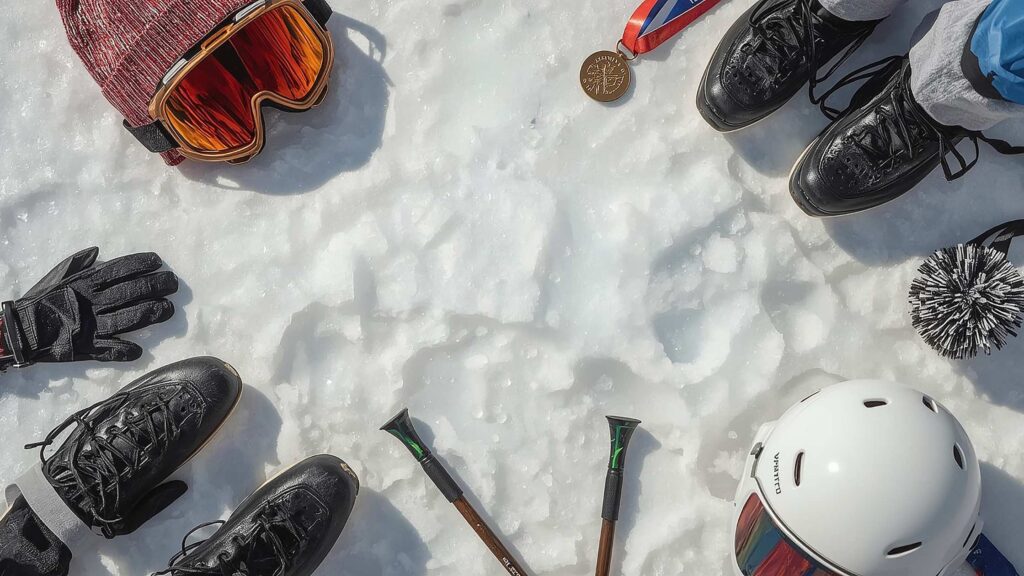
1. Lip Balm + Heavy Moisturizer
2. Power Bank (Batteries Usually Die Quickly When It’s Cold.)
3. Hot Water Bottle/Hand Warmers
4. Small Backpack to Carry Layers
5. Reusable Water Bottle (to Prevent Dehydration.)
Quick Packing List
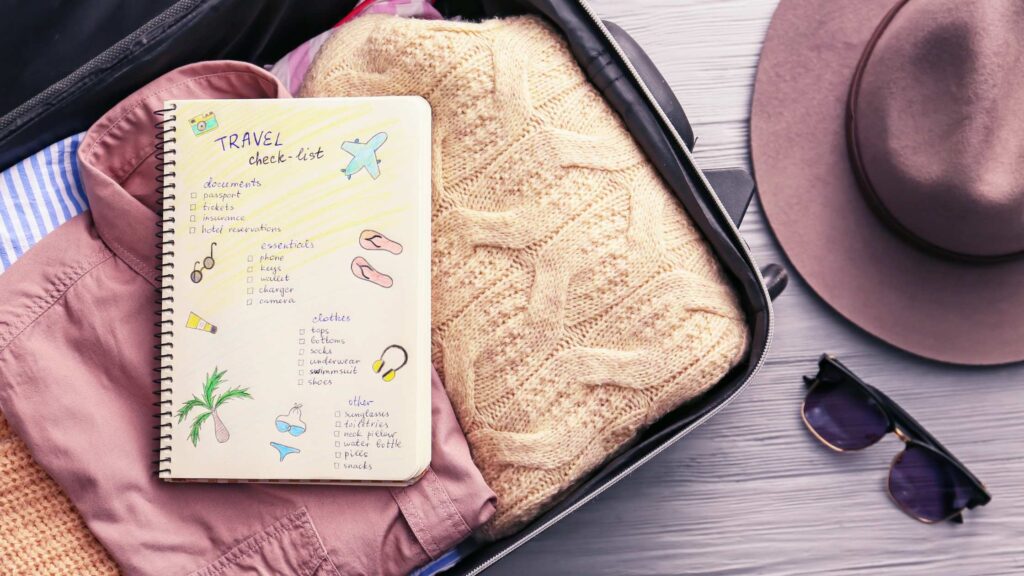
- 2 Sets of Thermal Wear
- 1 Fleece + 1 Pullover Sweater
- 1 Insulated Down Jacket + 1 Wind/Water Resistant Shell
- 2 Pants + 1 Set of Thermal Bottoms
- 3-4 Pairs Wool Socks
- 1 Pair Liner Gloves + 1 Pair Insulated Gloves
- 1 Cap + 1 Balaclava
- 1 Pair Snow Boots or Non-Slip Footwear
- 1 Pair of Sunglasses
- 1 Combination of Lip Balm + Moisturizer.
Tips to Keep in Mind If Traveling to Spiti Valley, Unless You’re a Fashionista: Your Footwear/Baselayer Must Be Suitable for Winter Activities; Otherwise, You Won’t Be Able to Survive Winter in Spiti.
FAQ
What Should I Wear in Spiti During January to February?
Dress in Layers. You Should Be Wearing the Following Layers – Thermal Layers → Fleece or Wool Layer → Down Insulating Layer → Wind/Water Shell Layer. Wear Warm Pants, Wool Socks, Gloves, Caps, and Good Footwear.
What Type of clothing do I need for Spiti in January?
Heavier Layering, Snow Friendly Footwear, Thicker Wool Socks, Balaclava, Gloves, Expect Subzero Temperatures for Both the Day and Night.
Are thermals necessary for Spiti winter? Which type is best?
Yes! You Should Select Merino or Synthetic Moisture Wicking Thermals. Do Not Wear Cotton Because Cotton Traps Sweat and Will Make You Cold.
Is a down jacket required for Spiti Valley?
It is Very Much Suggested. Down or Insulated Puffers Provide Core Body Heat Without Being Bulky;
Do I need a waterproof jacket in Spiti winter?
A Waterproof Jacket Will be Very Useful If You Are Out During Winds or Light Snowfall.
What footwear is ideal for winter in Spiti?
Winter snow footwear such as snow boots or high-ankle hiking boots with a good grip. Refrain from wearing flat sneakers or leather dress shoes.
How many layers should I bring to Spiti?
Typically you will wear at least 3-4 total layers. The layers consist of base layer, mid layer and insulation; if it is windy or snowing you may want to include an outer shell layer to protect you from the wind and snow.
Can I wear denim jeans in winter at Spiti?
No, you should avoid denim jeans because they absorb moisture and take a long time to dry out; therefore, they will get very cold! Instead of wearing jeans, opt for trekking pants which include thermal liners.
Do I need sunglasses for winter in Spiti?
Yes, because the sun reflects strongly off the snow and causes significant glare. Look for dark lenses that have UV protection to reduce stress on your eyes.
What are the most important items to have in your pack?
Insulated gloves, wool socks, beanies/caps, Balaclavas, lip balm, moisturiser and power banks.
What should I wear at a homestay when inside?
Lightweight thermals with a fleece on top; it will keep you warm without causing you to sweat.
What should not be in your suitcase for winter in Spiti?
Avoid: Cotton thermals, denim jeans, sneakers, thin jackets and open-toe shoes.
Let us know your travel dates and how comfortable you are (Budget/Standard/Premium) and we’ll provide the right winter gear for you, as well as a suggested itinerary that includes heating-friendly homestays and realistic travel time.
Also read: Spiti Valley in January (2026): Is It Open? Road Status, Weather, Itinerary + Real Winter Tips